"E sua mãe, está bem?"
Está, sim, felizmente, obrigada!!
"Você se lembra de mim, né?"
Claro! [eu, mentindo descaradamente]
"Diz pra sua mãe que eu mandei um abraço!"
Caralho, mano, custa falar assim "diz pra sua mãe que Fulana mandou um abraço"??????
Ajudaê!
#ouvidoporaqui
- Olha [mostra uma foto do cachorro], ele tá usando meias antiderrapantes!
- AI, AS PATINHAS DELE SÃO PRETAS!
- Não, é a meia antiderrapante...
Agora que consigo me desfazer de algumas coisas, fui dar uma olhada nas minhas revistas velhas, mas só tenho coisa legal guardada, como Galileu, Superinteressante, Revista da MTV (SIM!), TPM, Scientific American e outras aleatórias. Vão ficar comigo por mais algum tempo mesmo...
"Religion deals with history, with poetry, with great literature, with ethics, with morals, including the morality of treating compassionately the least fortunate among us. All of these are things that I endorse wholeheartedly. Where religion gets into trouble is in those cases that it pretends to know something about science.
The science in the Bible, for example, was acquired by the Jews from the Babylonians during the Babylonian captivity of 600 BC. That was the best science on the planet then. But we've learned something since then. Roman Catholicism, Reform Judaism, most of the mainstream Protestant denominations have no difficulty with the idea that humans have evolved from other creatures, that the Earth is 4.6 billion years old, the Big Bang. They don't have any trouble with that. The trouble comes with people who are Biblical literalists who believe that the Bible is dictated by the Creator of the Universe to an unerring stenographer and has no metaphor or allegory in it."
— Carl Sagan, The Science in the Bible
TV Cultura homenageia Laura Cardoso com exibição de dois programas que relembram sua trajetória. #LauraCardoso#TVCultura#SomosCultura
https://t.co/OjPU5J0ZuF
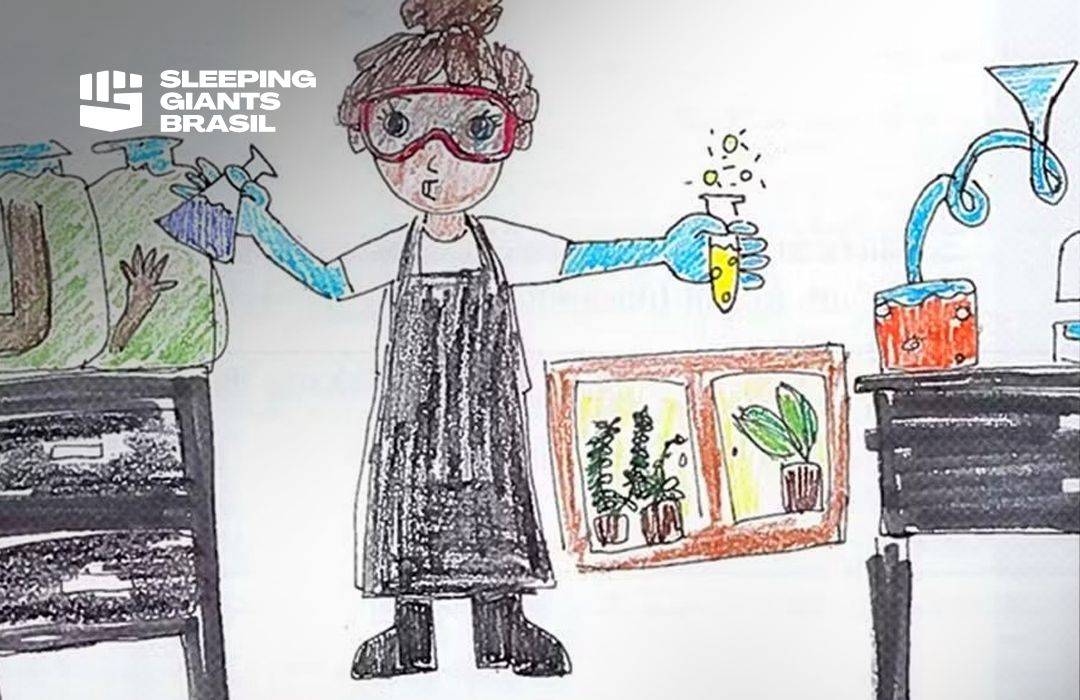
Crianças estão desenhando mais mulheres como cientistas do que homens
A pesquisa da Universidade Northwestern analisou 78 estudos realizados entre 1966 e 2016, com mais de 20 mil desenhos de crianças do pré-escolar ao Ensino Médio.
Os resultados mostram uma mudança na forma como elas imaginam um cientista.
Fonte: Revista Crescer