I’m very excited to be joining MIT Biological Engineering @MITdeptofBE as an Assistant Professor and the Ragon Institute @ragoninstitute as a member in January 2026! I will be recruiting students and postdocs (see more info below).
Interested in aging and rejuvenation?
We have a new Research Assistant position to understand aging at the cellular level!!
Come join our team!!! 😎
https://t.co/7pYS2yIpIm
#CellVoyager is published in @NatureMethods!
🔬 Autonomous comp bio agent
🧬 Analyzes bio data to make new discoveries
💻 Runs in Jupyter notebooks → interactive & reproducible
📊 Generated expert-validated insights on COVID-19, cell–cell communication and aging
Aging may feel gradual… but what if it’s not?
In our paper out today, we tracked fish continuously from puberty until death.
This gave us a unique view of how aging unfolds across the adult lifespan.
🧵
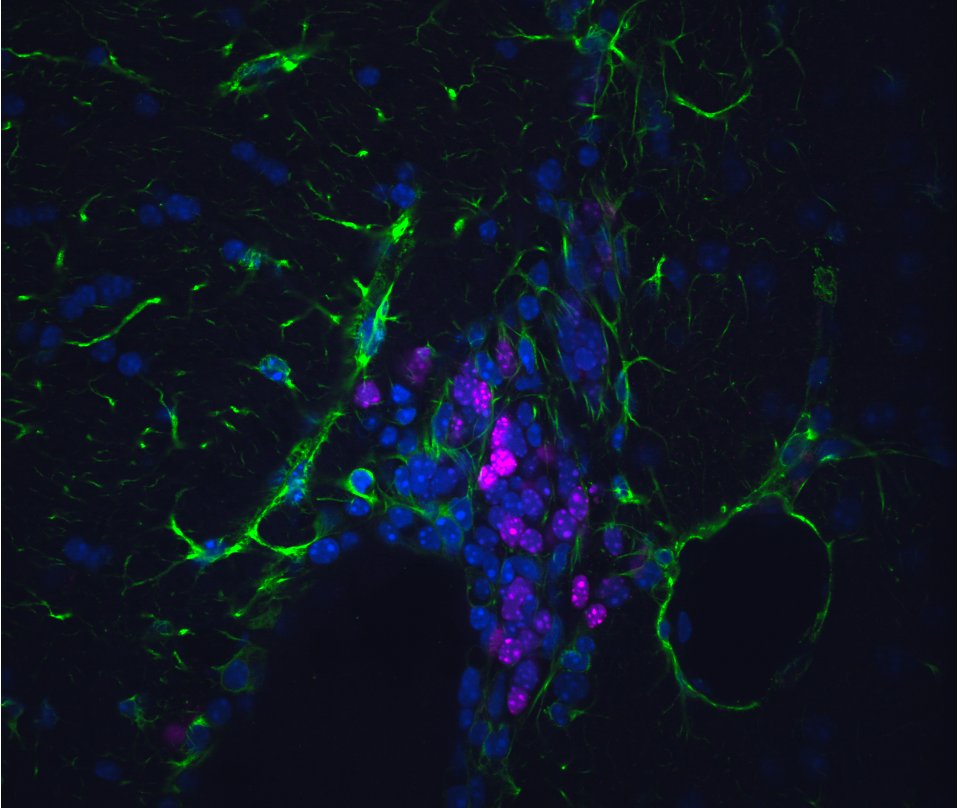
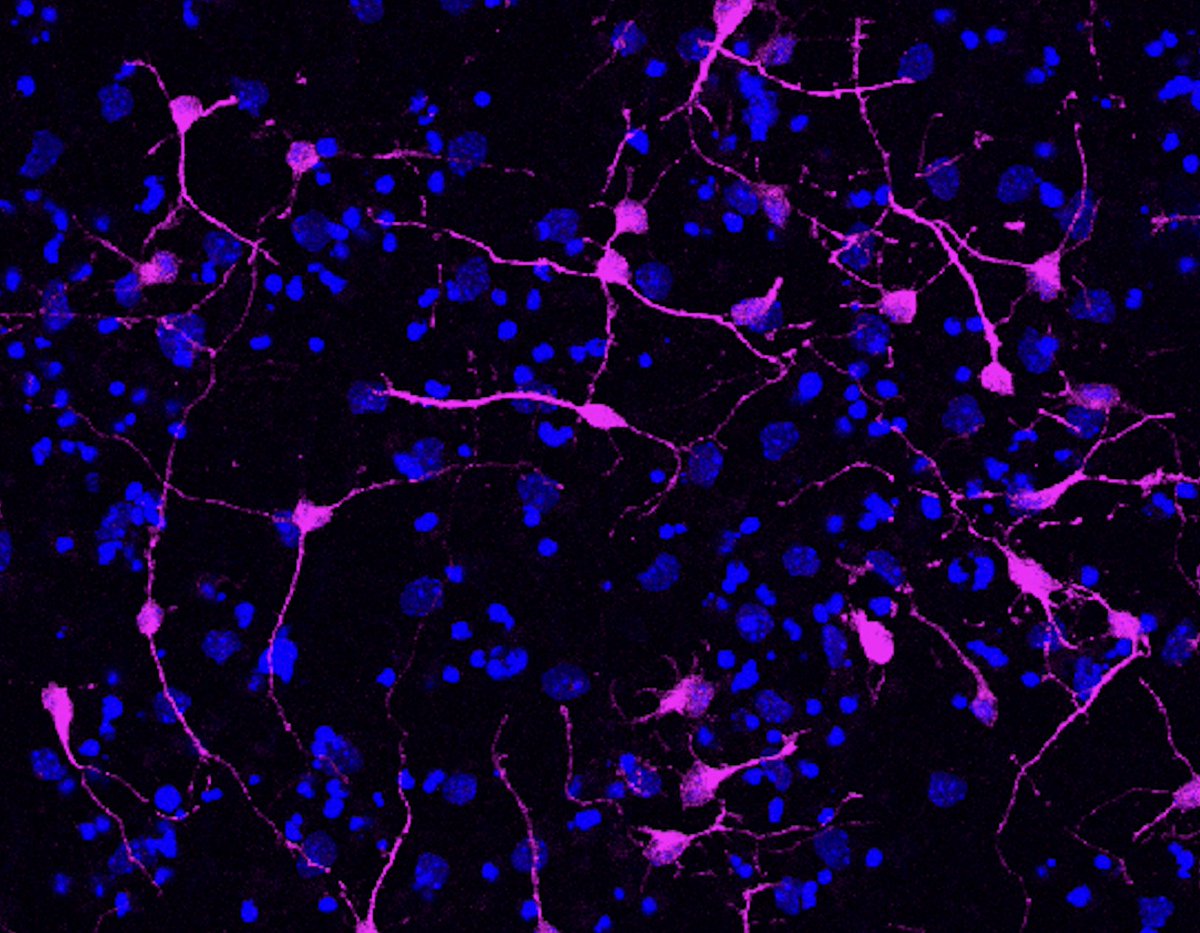
We have posted a Research Assistant (LSRP1) position to work on aging and 'rejuvenation' using mouse models!! 🐭
https://t.co/Y46OG1Rjur
Apply and join our awesome lab!! (please share) 😎
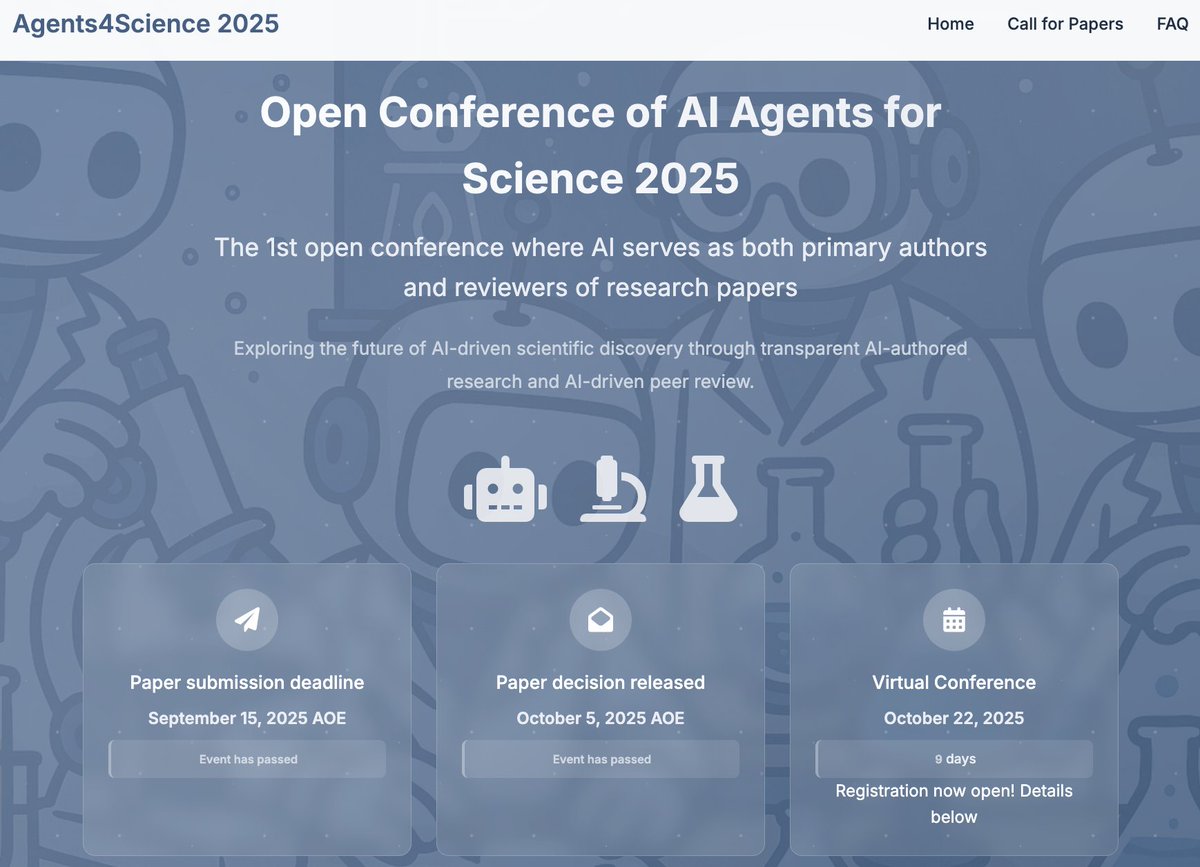
We recently organized #Agents4Science, the 1st conference where LLMs are both authors and reviewers🤖
It was an open experiment to assess how well AI can lead research and review papers.
Today we report what we learned in @NatureBiotech Highlights in 🧵
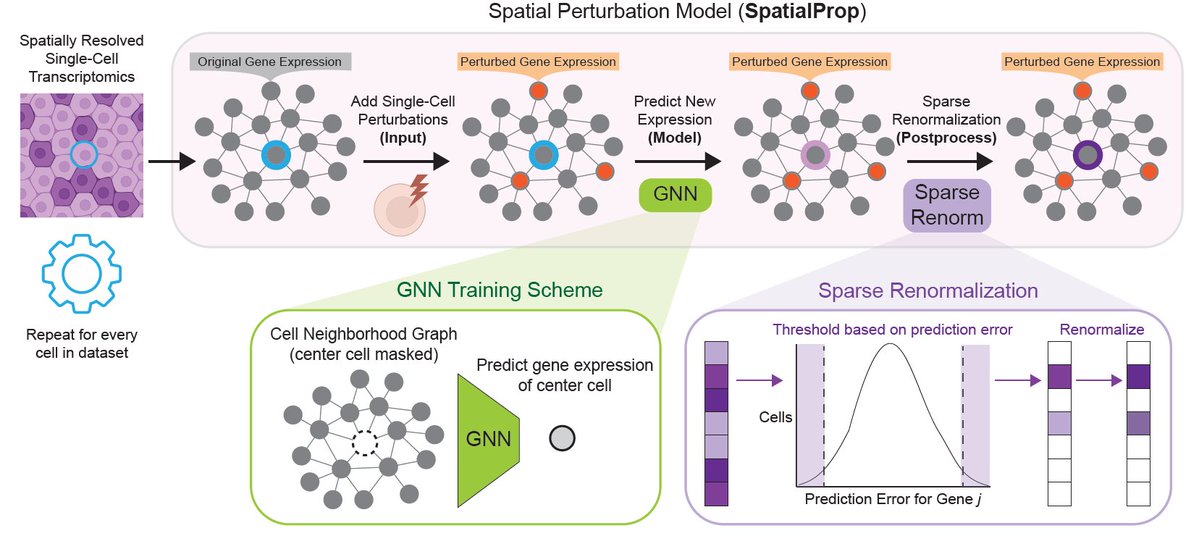
Can we predict the spatial effects of single-cell perturbations? Excited to share our preprint introducing SpatialProp, which computationally propagates single-cell transcriptomic perturbations across tissues, along with key frameworks for evaluating spatial perturbation models.
The SpatialProp pipeline is simple, involving a GNN for predicting gene expression from the spatial microenvironment and a series of post-processing steps (SparseRenorm) to calibrate for prediction errors in the perturbation context.
Can we predict the spatial effects of single-cell perturbations? Excited to share our preprint introducing SpatialProp, which computationally propagates single-cell transcriptomic perturbations across tissues, along with key frameworks for evaluating spatial perturbation models. https://t.co/qeQVZ6pko7
#Agents4Science received over 300 submissions and accepted 48 papers. Check them out here: https://t.co/mpp2rxEOC7
Many of these AI agent-written papers are quite interesting! The online conference will be on Oct 22; you can register for free at https://t.co/dD3sNnLBHT
I’m very excited to be joining MIT Biological Engineering @MITdeptofBE as an Assistant Professor and the Ragon Institute @ragoninstitute as a member in January 2026! I will be recruiting students and postdocs (see more info below).