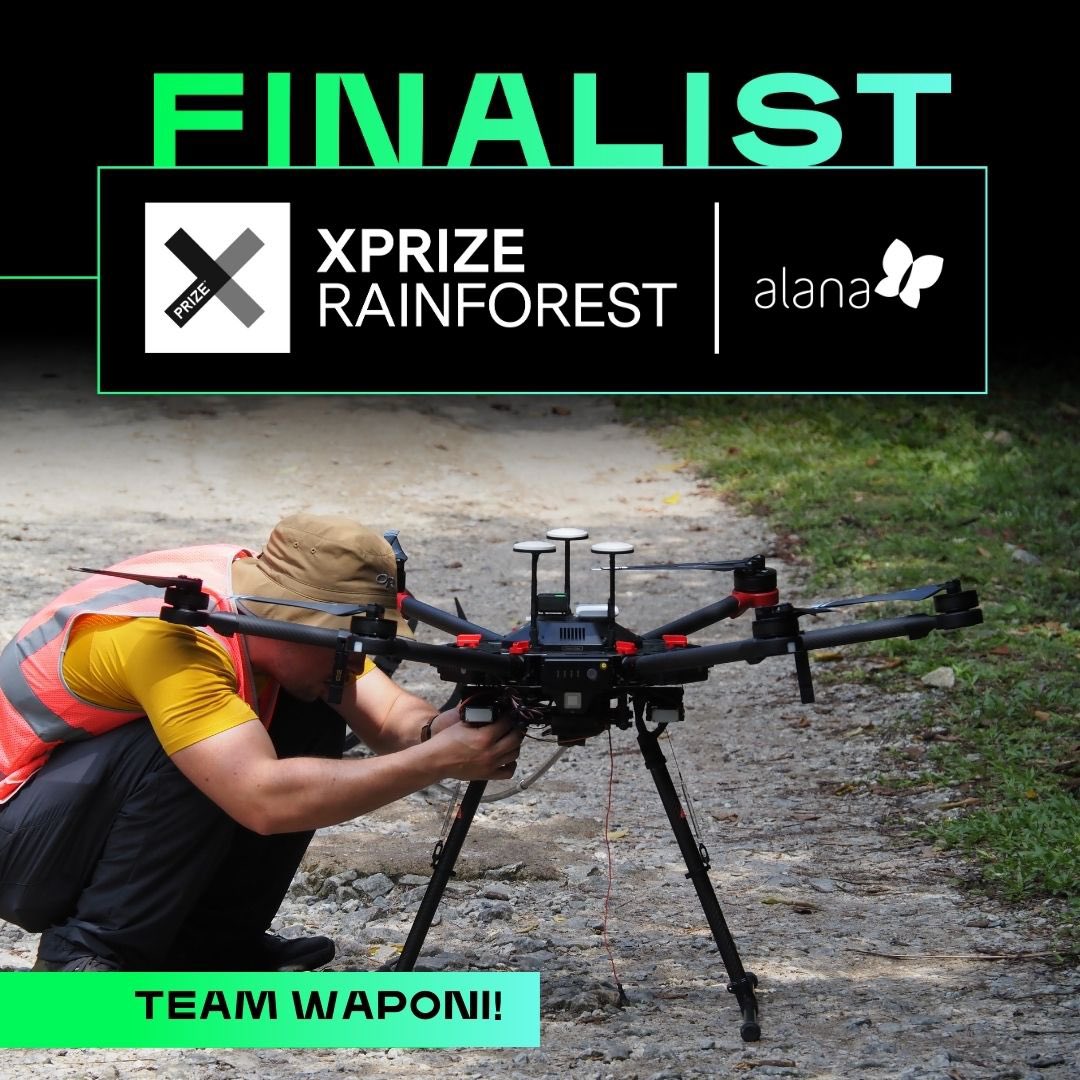
💫 We’re over the moon: we’re finalists in the #xprizerainforest competition!💫
This wouldn’t be possible without our amazing team and supporters, including @OutreachRobotic & many more!
Follow our adventures as we work to value and protect rainforest diversity!
NJIT biologist Eric Fortune, alongside a team of scientists are inching closer to the $10 million XPRIZE Rainforest Competition’s grand prize for improving our understanding of rainforest ecosystems.
#NJITMakes#sustainability
https://t.co/hvI2Ok71CR
I also think that it is intellectually lazy to justify research by saying that "little is known". The paper or the grant should tell the reader why this is important, not just that it's unknown.
I think that "little is known about..." is not a sufficient justification for studying something. Little is known about the composition of the dirt on the floor of my office, but that is not a good enough reason to study it.
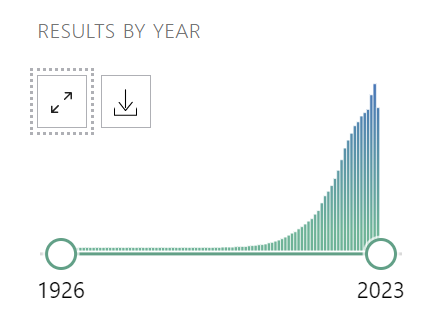
There seems to be an increasing use of the justification for a paper being "little is known". Here is the appearance of this phrase in PubMed. It looks like we know less as time progresses. Little is known about why this trend has developed.
Happy to share this interdisciplinary review on resilience in zebrafish, worms, and lampreys! Enjoyed the opportunity to write with fantastic people, and hope you enjoy reading it! :) https://t.co/ElkMLSpczl