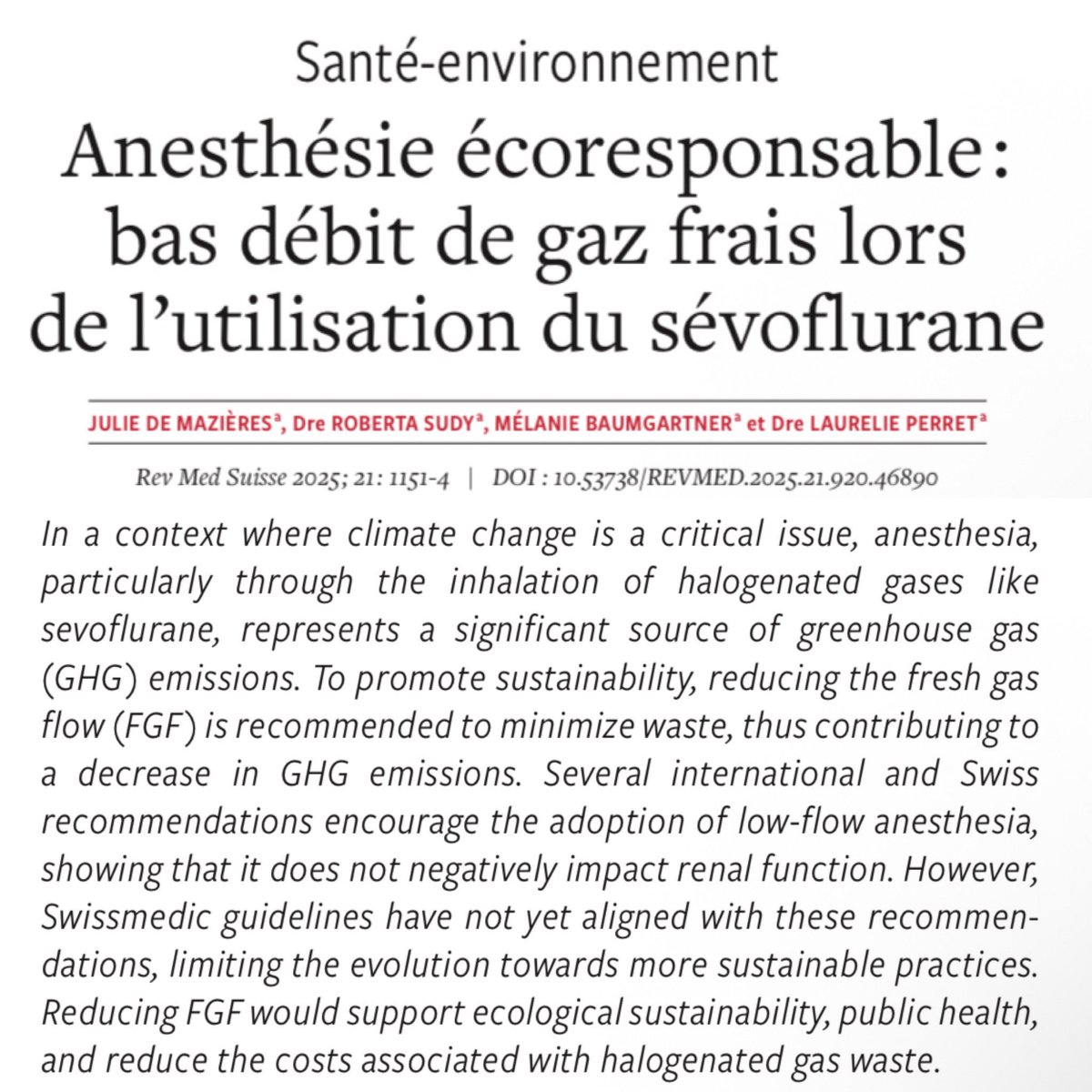
Sustainability, cost-effectiveness and reduction of occupational exposure are immediate consequences of practicing low FGF.
Very happy to see our paper published in BJAN as one of the main references in the statement (reference 15). @APSForg#anesthesia#anesthesiology
Low-flow #anesthesia can deliver safe & effective patient care while decreasing cost & environmental pollution. To find out how to practice low-flow anesthesia, go to the APSF low-flow course at https://t.co/DAPyd3xc4Q! #anesthesiology#patientsafety
https://t.co/wufaVlDCFC
Closing the 48th Congress of the Society of Cardiovascular Anesthesiologists and honored by the invitation to share our perioperative experience with rheumatic heart disease, still highly prevalent in Latin America, especially in Brazil.
It was also a special moment to follow the scientific presentations of our third-year residents, @amandadponte and @gustavo_zunkowski, who demonstrated competence and excellence in defending their research, including English presentations delivered with confidence and high quality.
Very pleased and proud of the participation of the Anesthesiology Training Center at @hsjosecriciuma, highlighted by one of our case reports selected for the Super Echo panel among the six best at the Congress!
Graduates of the 13th Class of the Anesthesiology Residency Program – Hospital São José – Criciúma, SC 🇧🇷🎓 We proudly congratulate Táles Ivan Freitas dos Santos (UFRGS), Igor Almeida Cunha (UVV, ES), Ysys Bittencourt Martins Camargo (UCS), Júlia Turra Reichert (UNESC), Guilherme Hentges Fusiger (UCPel), and Felipe Fernandes Ronsoni (University of Buenos Aires – UBA). Wishing you continued success in this new professional chapter. 👏👏👏
A traditional and widely used textbook as a study reference for international certifications in perioperative echocardiography. I had the opportunity to co-author Chapter 13 with Fabio Papa, focusing on the intraoperative echocardiographic assessment of prosthetic heart valves.
Working together to enhance the safety and quality of cardiovascular care through perioperative echocardiography.
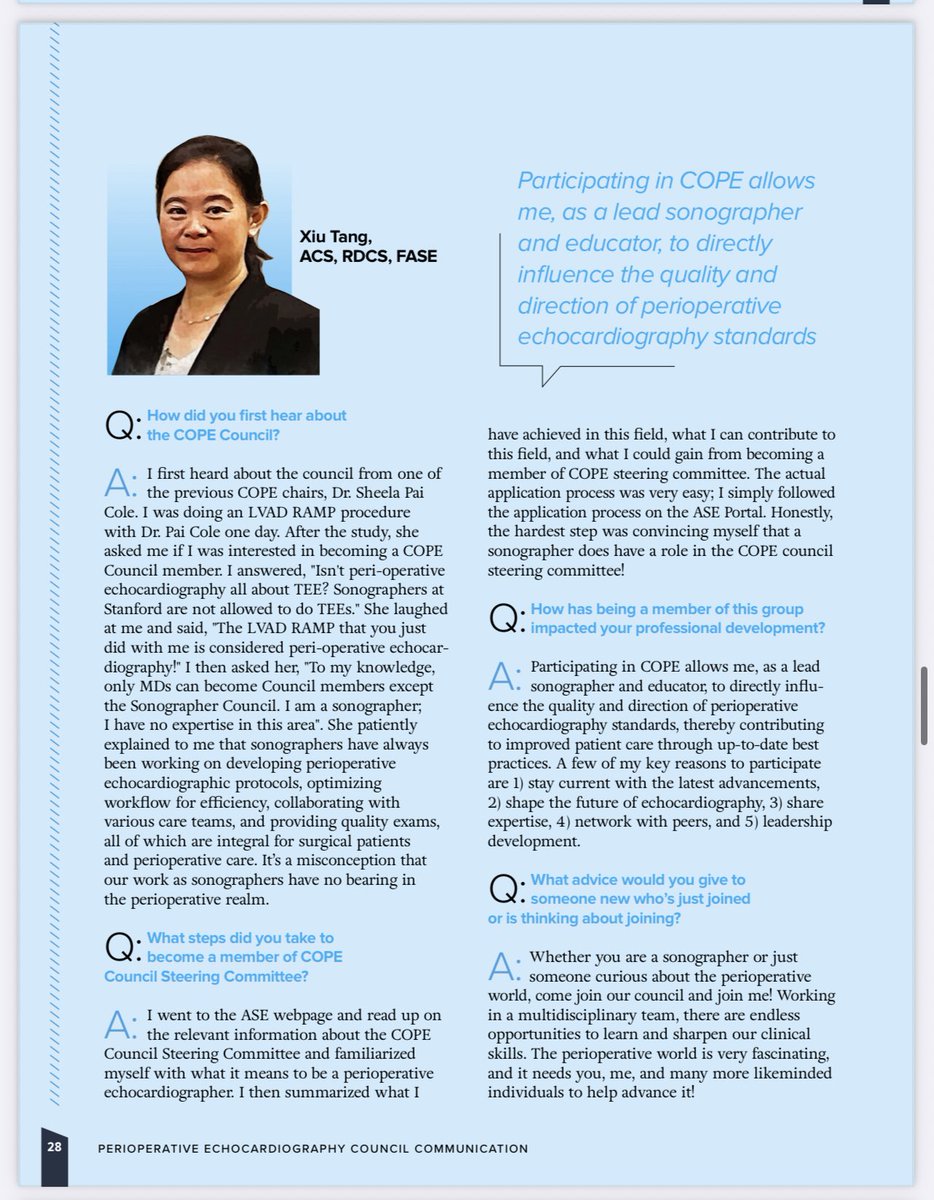
Publication in Echo Magazine, September/October issue, by the American Society of Echocardiography.
Agenda – 28 de novembro de 2025 | Auditório 1
⸻
08:30 – 09:30
Mesa Redonda: Cirurgia Cardíaca
Tema: Como a Inteligência Artificial pode influenciar no cuidado dos pacientes submetidos a procedimentos cardíacos?
➡️ Palestrante
⸻
14:00 – 15:30
Mesa Redonda: Cuidado perioperatório em pacientes com comorbidades
➡️ Moderador
14:20 – 14:40 – Cuidado perioperatório do paciente portador de hipertensão pulmonar com insuficiência do ventrículo direito
➡️ Palestrante
⸻
16:00 – 17:00
Mesa Redonda: Atualizações
16:20 – 16:40 – Avaliação hemodinâmica intraoperatória com o ecocardiograma: o que todo anestesiologista deve saber?
➡️ Palestrante
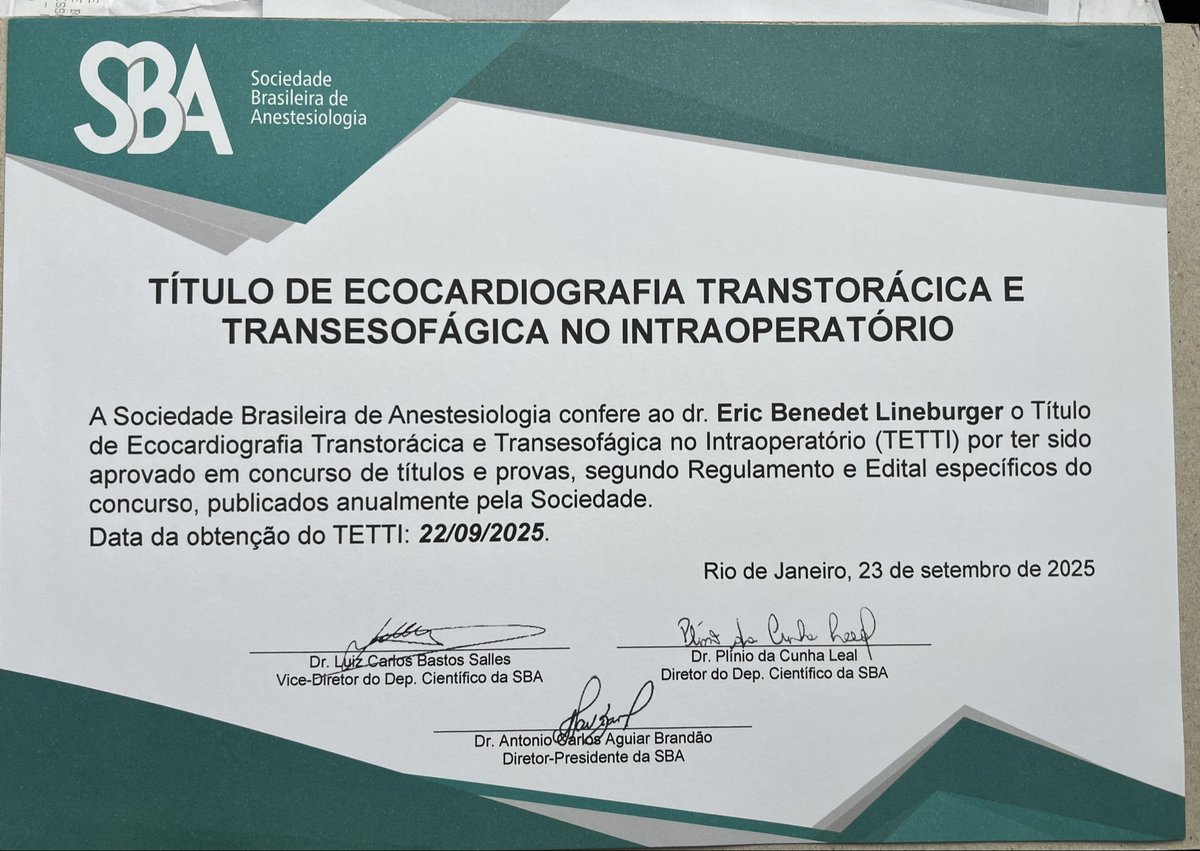
My sincere thanks to the Brazilian Society of Anesthesiology for granting the Title of Transthoracic and Transesophageal Echocardiography in the Intraoperative Setting (TETTI).
An important step in strengthening intraoperative echocardiography in Brazil. @ASE360
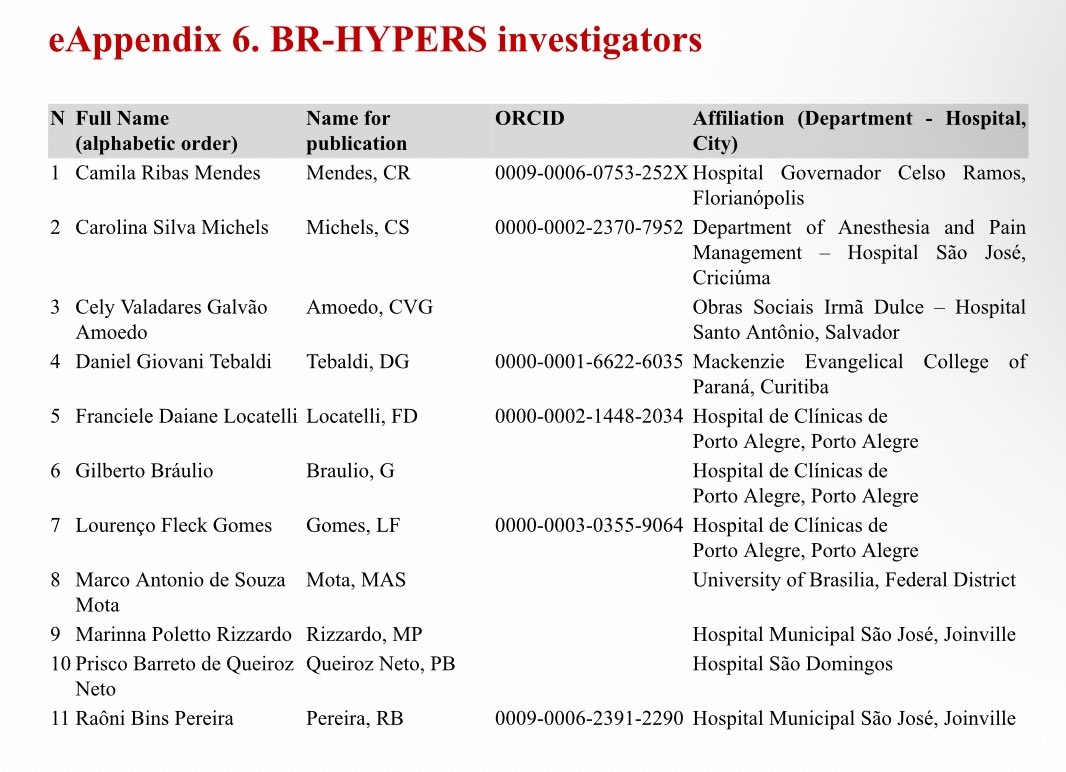
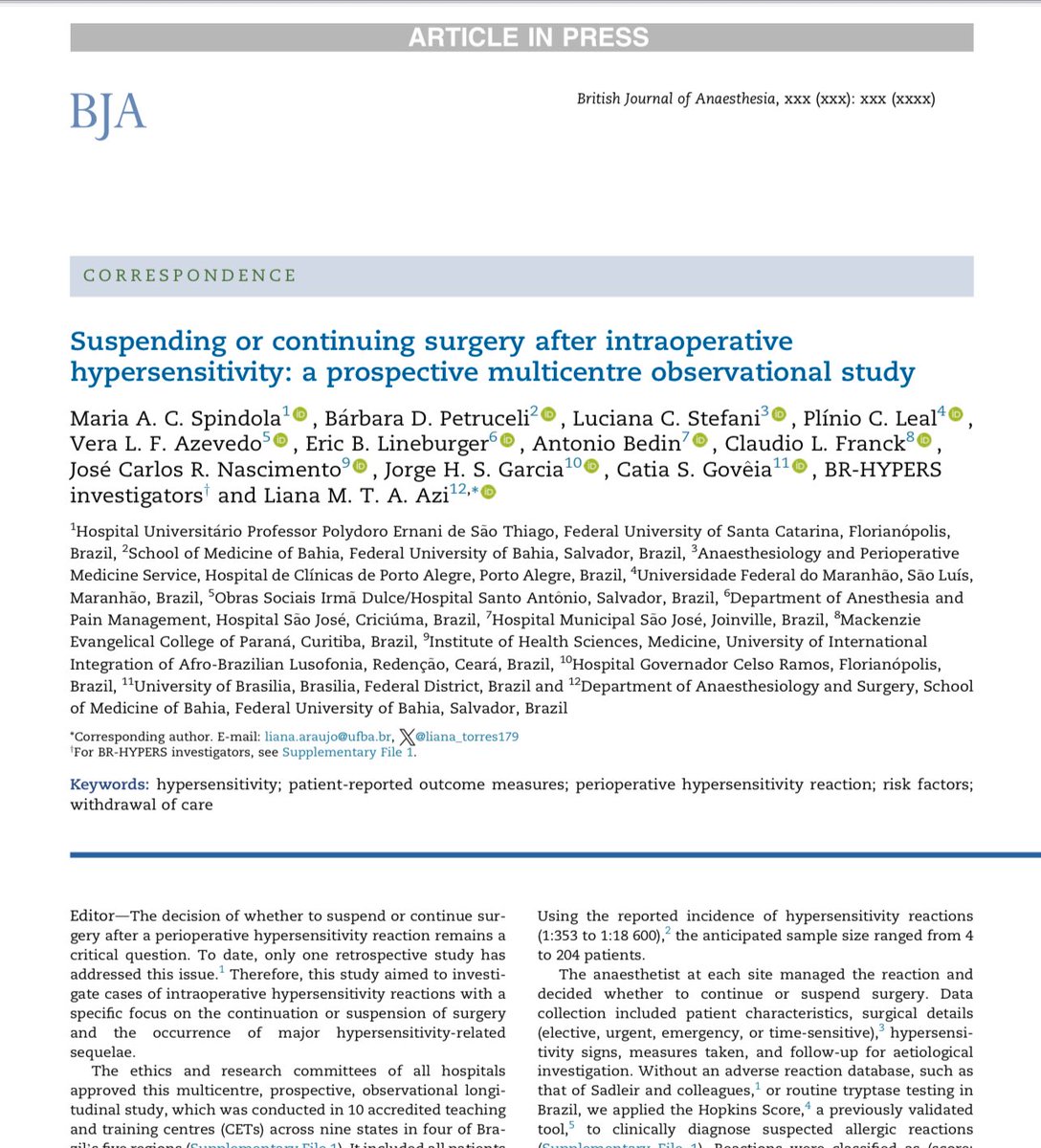
Our research on intraoperative hypersensitivity reactions has just been published in the British Journal of Anaesthesia. Special thanks to Dr. @carolsmichels (@hsjosecriciuma), Marianita C. Spíndola, @liana.t.azi, and Bárbara D. Petruccelli for their dedication and multicenter coordination.
🔗 https://t.co/6urhJSOVX1
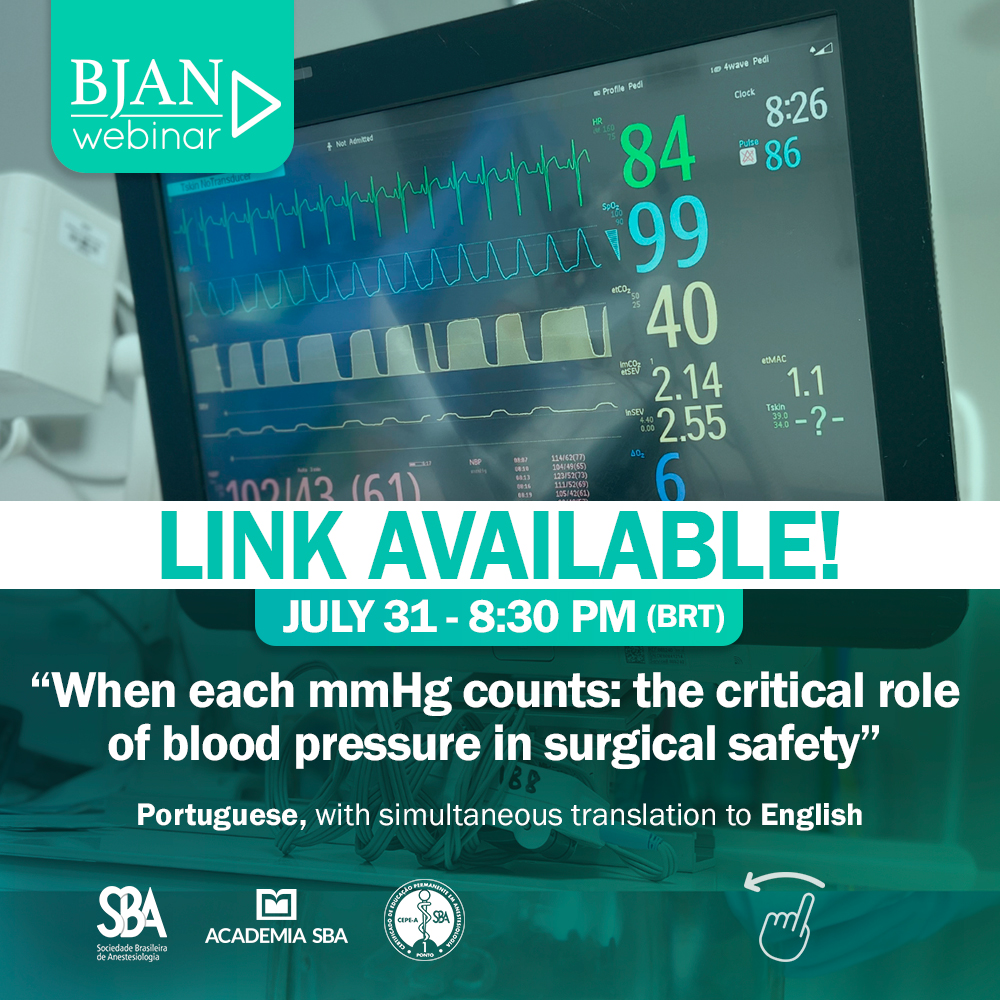
📚✨ Register now (link in bio) and don't miss out the webinar “When each mmHg counts: the critical role of blood pressure in surgical safety”, presented by Dr. Eric Benedet Lineburger and moderated by Dr. Ana Maria Menezes Caetano.
📅 July 31, 8:30 pm (BRT)
📌 Register now: https://t.co/nO3zSix9zq (link in bio)
#joinBJAN #citeBJAN #webinar #anesthesiology #sba #anestesiologista #anesthesia #bloodpressure #surgery #pressure
📚✨ Registration will open soon, turn on notifications for our page!
Don't miss out the webinar “When each mmHg counts: the critical role
of blood pressure in surgical safety”.
📅 July 31, 8:30 pm (BRT)
The Swiss Medical Journal recently published an article encouraging the update of national guidelines to regulate the use of low-flow sevoflurane. Among the references cited is our study, conducted at Hospital São José de Criciúma and published in @joinbjan, involving patients undergoing cardiac surgery — a population widely recognized as high risk for kidney injury. The study demonstrated that using a flow rate of 0.5 L/min is safe and does not increase renal toxicity. This evidence has been increasingly cited in scientific publications and recommendations aimed at making low-flow anesthesia a safe and environmentally responsible clinical practice.
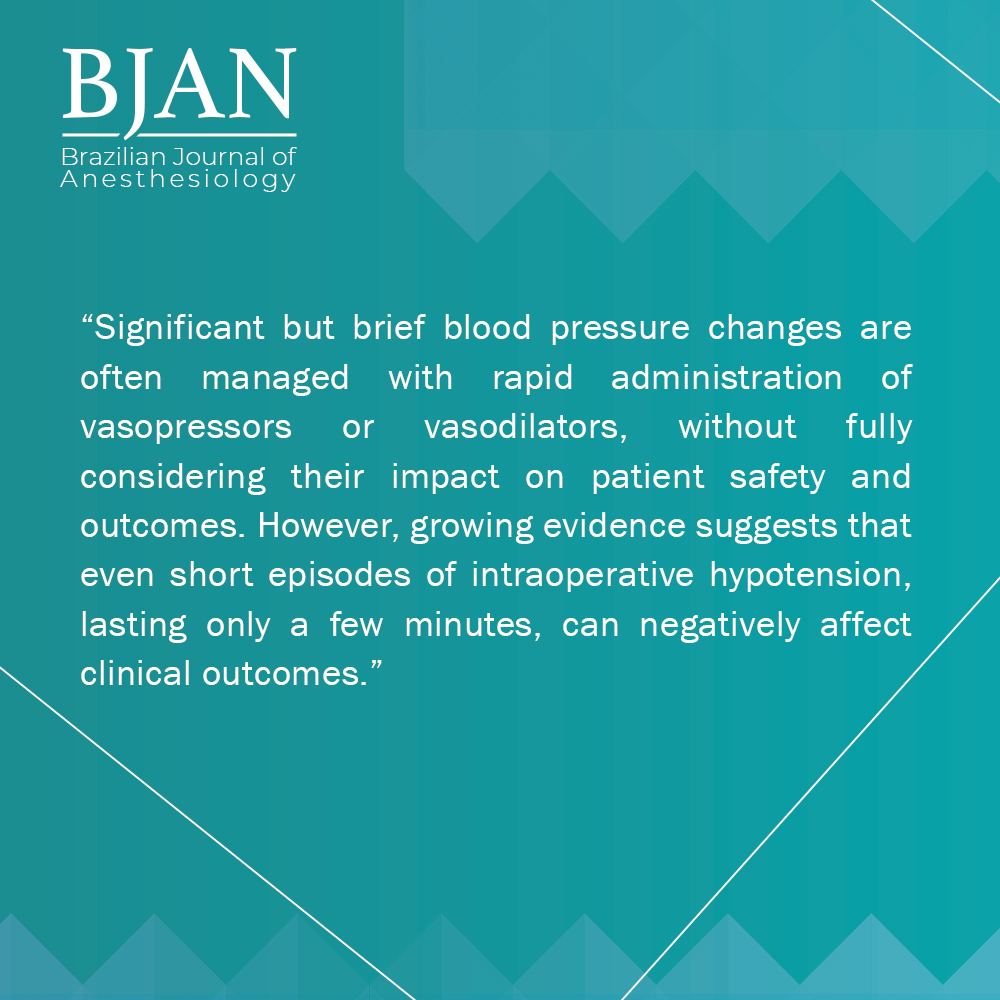
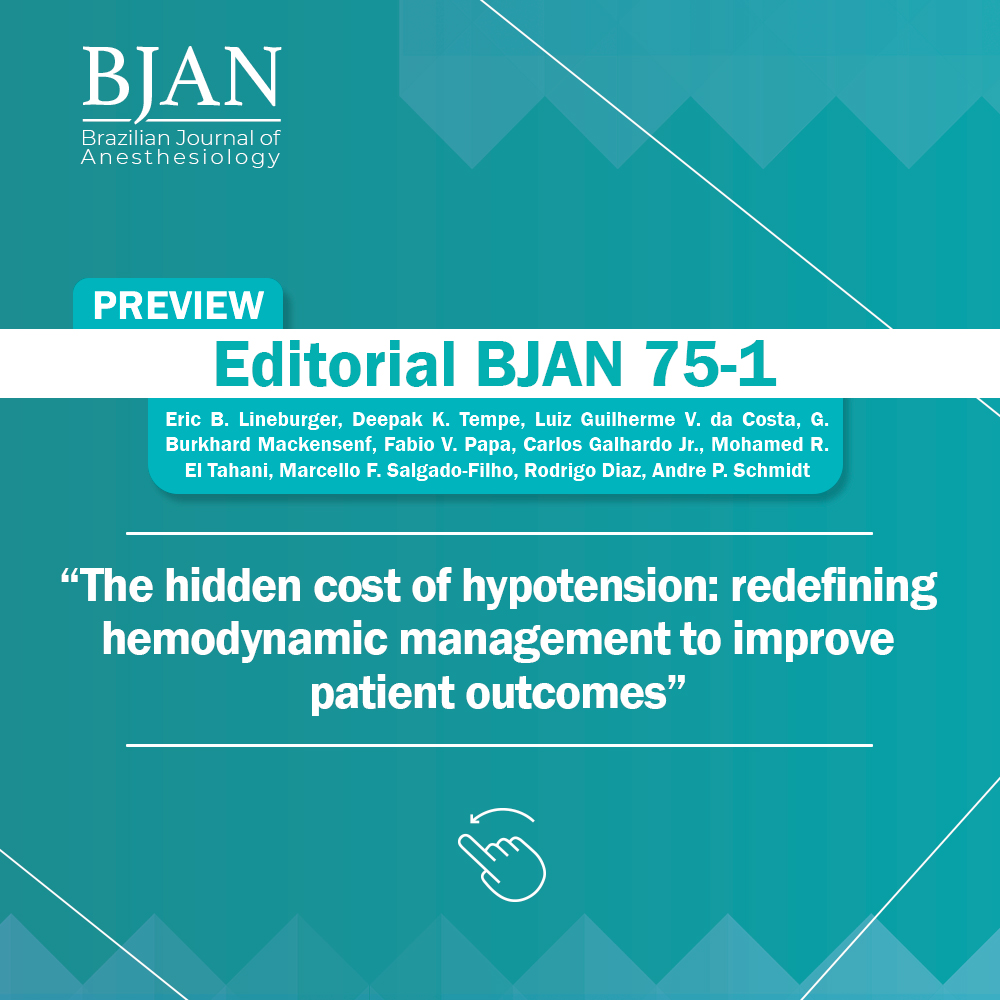
I am pleased to share the editorial from BJAN on the importance of blood pressure management in the perioperative period, offering valuable insights on the topic. Recently published and the result of meticulous work in collaboration with renowned anesthesiologists from national and international societies. 🇧🇷🇮🇳🇺🇸🇨🇦🇪🇬 https://t.co/jZjtf5dz4z
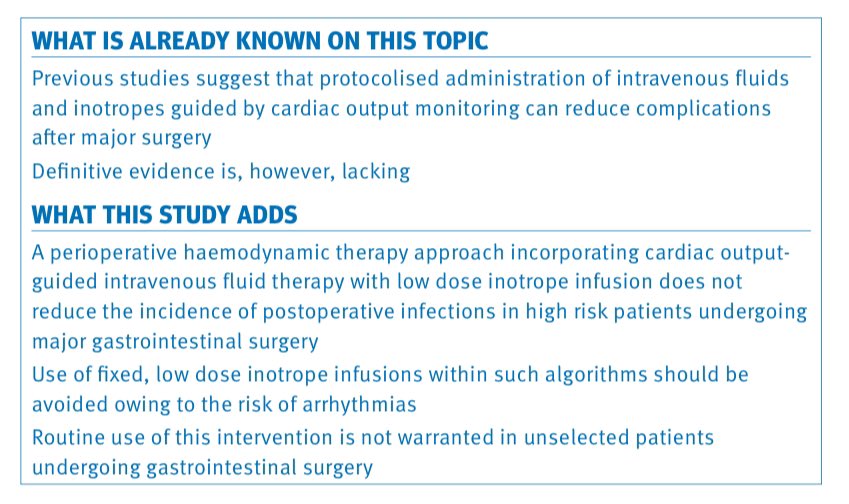
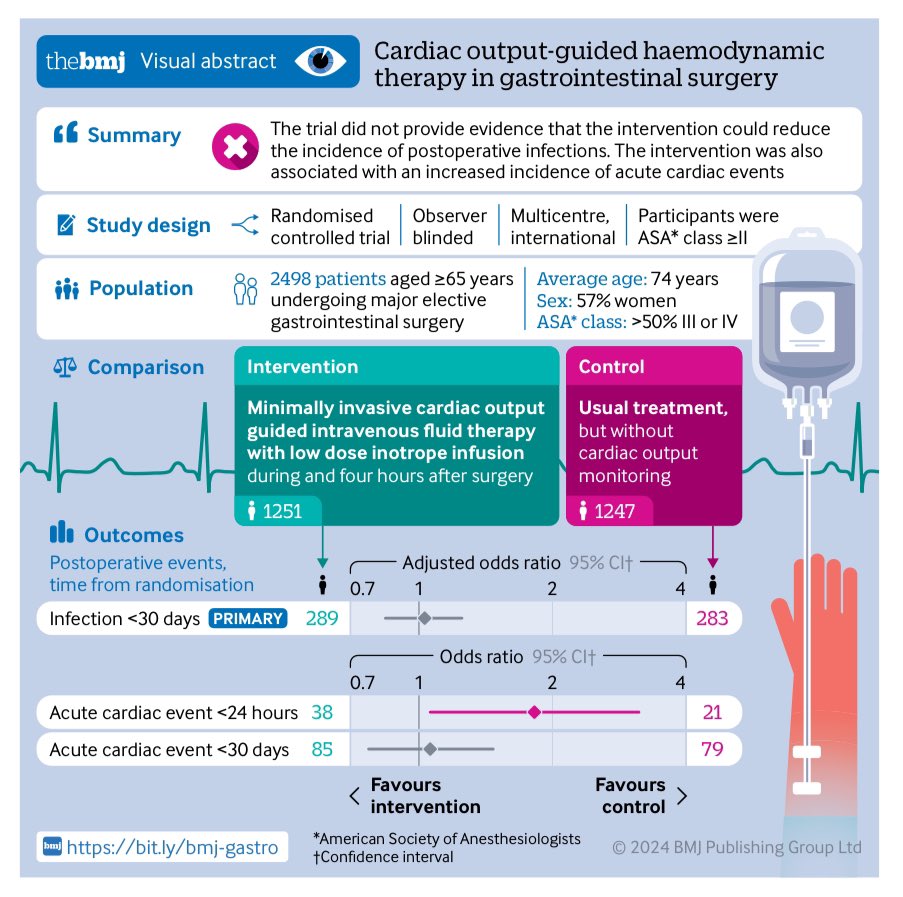
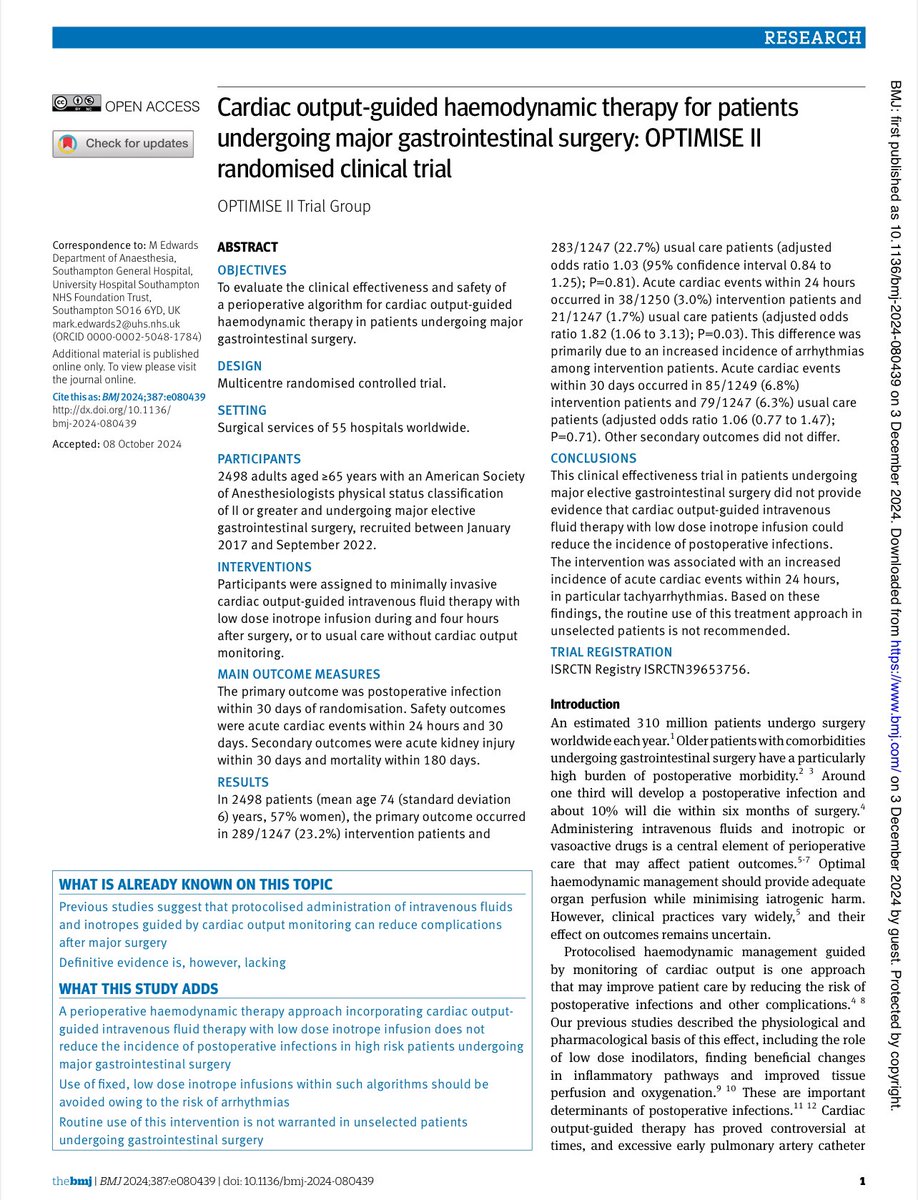
The international OPTIMISE II study, published this week in the BMJ, included the participation of the Research Center and the Department of Anesthesiology at Hospital São José from Criciúma, Brazil. Conducted between 2017 and 2022, the study evaluated cardiac output-guided therapy in major gastrointestinal surgeries and contributed to advancing a crucial area of perioperative medicine: how we administer intravenous fluids to critically ill patients.
@gb_mackensen Thank you, @gb_mackensen ! I’m honored by your kind words and delighted you enjoyed the #CBA2024 It was a pleasure to contribute and to share this experience with esteemed colleagues like you!