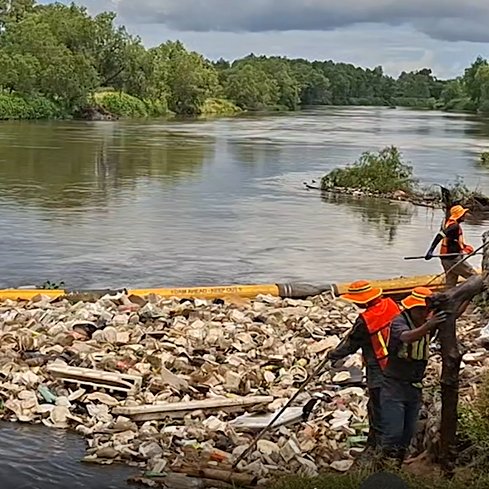
This is the progress we made towards clean oceans in April:
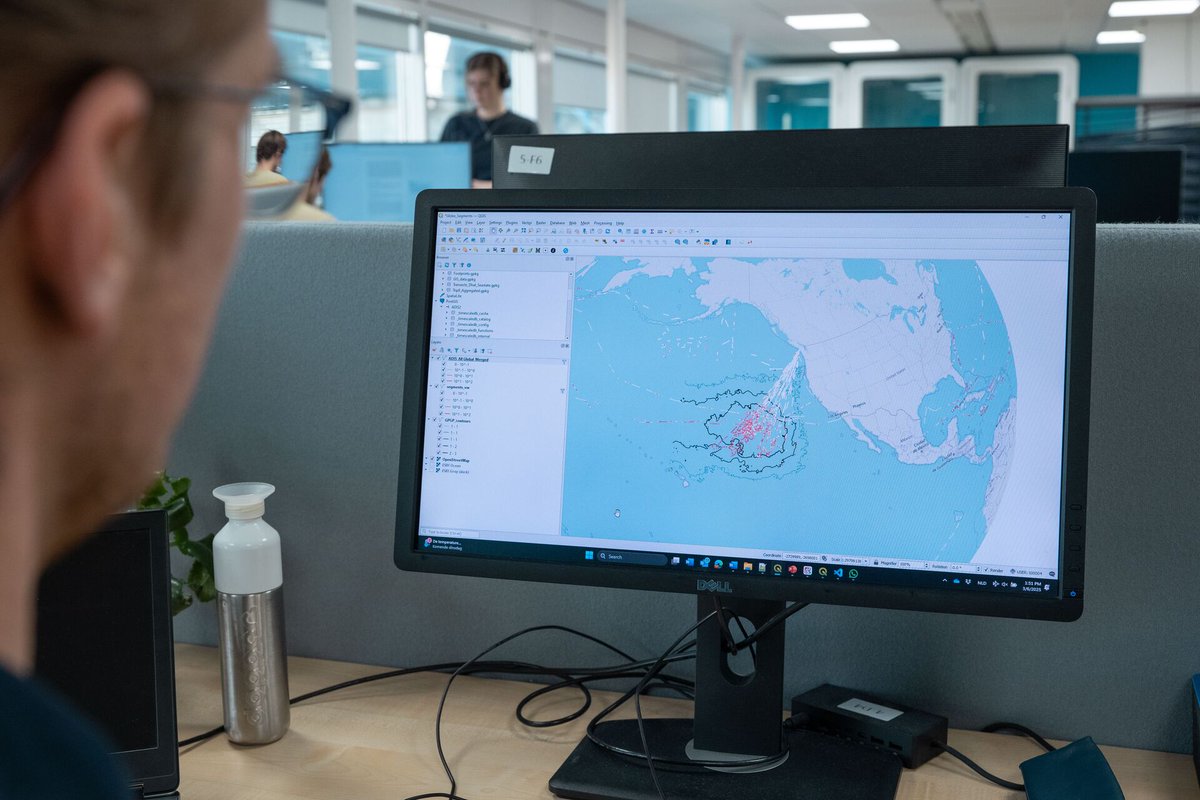
🔹Our research team published its 100th peer-reviewed research paper
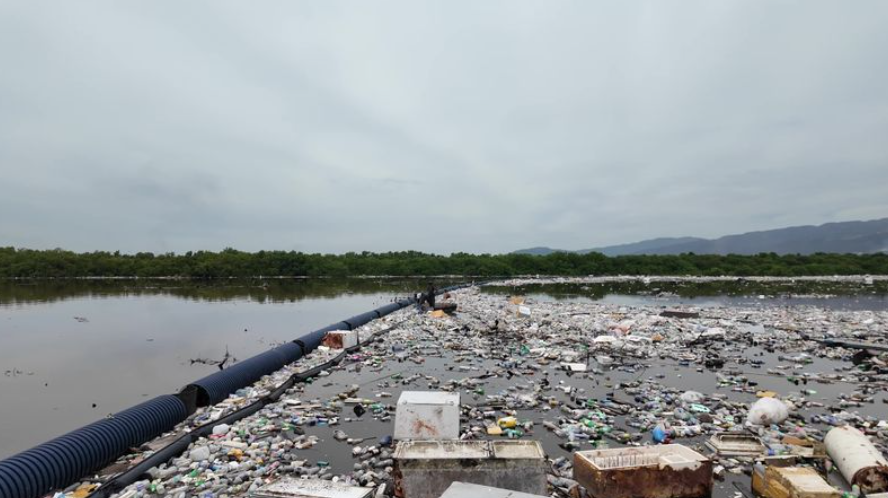
🔹In Jamaica, Interceptor 015 captured tons of trash, including multiple fridges and even a couch
🔹Interceptor 023 in Honduras is stopping trash before it reaches the ocean - and performance improvements are underway
🔹 We’re bringing operations to the Philippines, with our first deployment in the Meycauayan River planned in the coming months
🔹 We renewed our partnership with Hyundai Glovis for another four years, which will help us expand our ADIS camera deployments to better map plastic pollution hotspots in the ocean.
We’ve had a good first quarter with 152% year-over-year growth in plastic catch across the global Interceptor fleet!
Whether we can keep up this growth depends on how fast we can get new Interceptors online in the next few months.
Here’s what happened at The Ocean Cleanup in March…
🔹We reached a big milestone — over 50 million kilos of trash removed from oceans and rivers worldwide (over 110 million pounds)
🔹 In Guatemala, Interceptor 006 captured its first trash flush of the year
🔹 The Audacious Project is supporting our 30 Cities Program with a $121 million donation
🔹 This year, we plan to expand our operations to the Philippines, Colombia, India, Dominican Republic, Indonesia, Malaysia, and Panama.
🔹 Meanwhile, our work to clean up the Great Pacific Garbage Patch continues.
We’re improving how we predict plastic hotspots, reducing cleanup time and cost.
This summer, we plan to return to the GPGP to test our ocean models and drones.
Continue to follow our updates in April!
System 03 can help clean the Great Pacific Garbage Patch, targeting ~100 million kg of plastic using 10 systems while passively collecting debris at scale.
While our main focus at the moment is on scaling up our river systems, our work to clean up the Great Pacific Garbage Patch continues in parallel.
Key is knowing where to sweep, as the patch is vast and very “patchy.” If we manage to accurately predict where the trash hotspots form, we can massively reduce the cost and time it takes to fully clean it up.
Our idea is to use oceanographic modeling to get us roughly in the right areas, and then use drones to fine-tune the trajectories of the systems on a local scale.
This summer, we’re returning to the patch for a six-week research trip to put all this to the test. This will be a key milestone toward making the Great Pacific Garbage Patch history.
Our 2026 focus is to scale up our river operations: we are kickstarting our 30 Cities Program to stop up to 1/3 of the plastic currently flowing from rivers into the ocean.
But what about the Great Pacific Garbage Patch?
Alongside the deployment of more Interceptors, this year we will continue running AI and drone tests and advancing our computational modeling to help us locate and map plastic hotspots in the GPGP.
The goal: to make ocean operations more efficient. Stay tuned for updates!
This year, we are scaling up our river operations.
In the meantime...
💠 We are working on developing (drone and AI) technologies for plastic hotspot hunting in the Great Pacific Garbage Patch
💠 We continue to research the problem of discarded fishing gear to identify the right solution
💠 Once Interceptors are operational, we clean up legacy pollution on coastlines to return the environment to its original, pristine state and make sure stranded pollution doesn't return to the ocean
In case you missed our progress towards clean oceans since the start of the year...
🔹 Our final catch numbers for 2025 are in: we collected over 27 million kg of trash. That's a 133% increase compared to 2024.
🔹 In Mumbai, India, we plan to tackle the 5 million kilograms of plastic that flow into the Arabian Sea and the Indian Ocean every year. Our first deployment locations: Trombay and Malad waterways.
🔹 In Panama: Interceptor 022 in Rio Abajo was upgraded with two barriers to improve its efficiency and prevent even more trash from reaching the ocean - and a new deployment is coming soon.
🔹 In Jakarta, we signed an MoU with the Indonesian government about future cooperation and deployments.
🔹 In Singapore, we gathered researchers, policymakers, investors, and private-sector partners for a two-day forum at the National University of Singapore to spotlight regional collaboration and the next phase of our 30 Cities Program.
🔹 We took you behind the scenes on our Smart River Survey and how research maximises the impact of each of our Interceptors: https://t.co/KQjFyxC8Qo
🔹 We are now intercepting 2-5% of all plastic emissions from rivers into the ocean. With our scale-up plans, we aim to increase it to 33% by the end of the decade.
Stay tuned for more updates!
5 essential steps to deploy an Interceptor - and how we plan to scale up in 30 cities to stop up to a third of river plastic pollution worldwide by 2030.