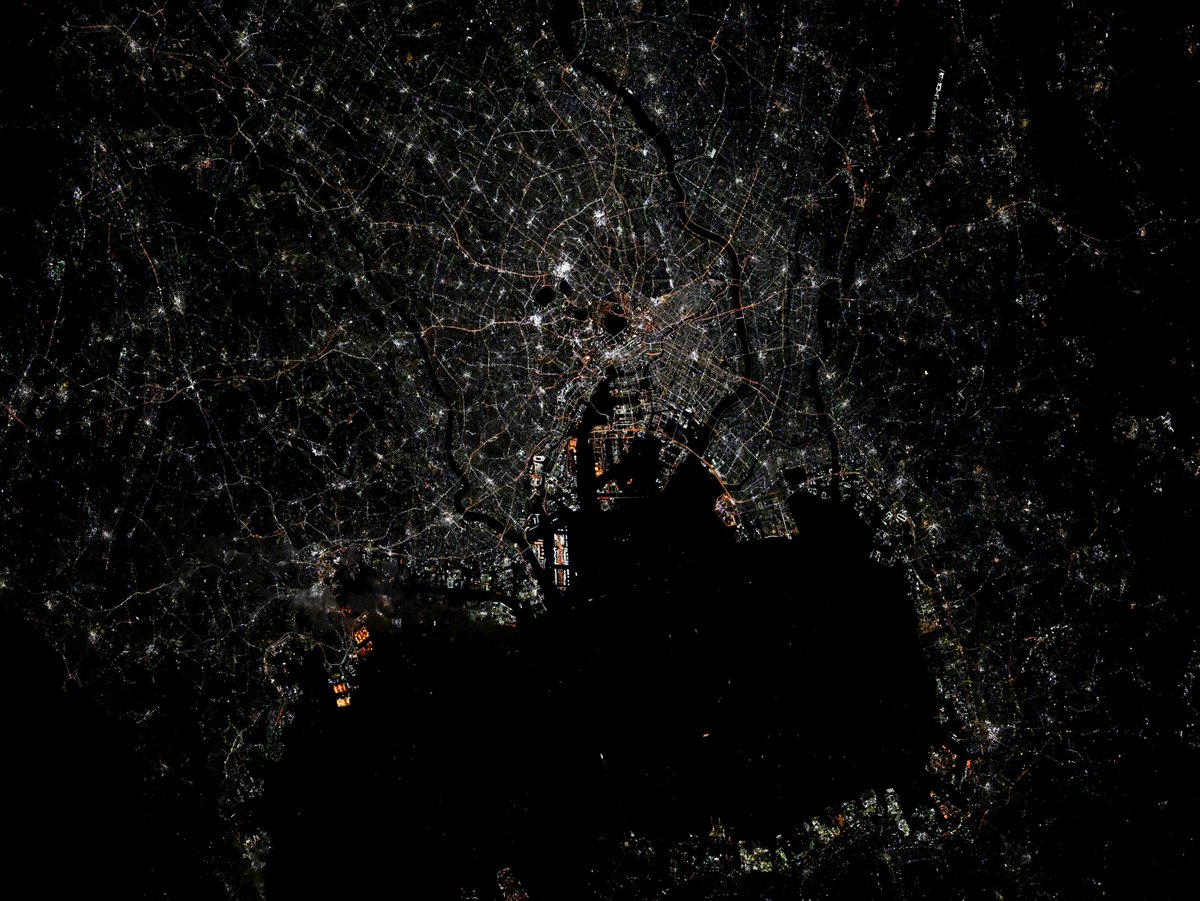
Have you seen any shooting stars lately? We’re in the midst of the Lyrid Meteor shower, and I was lucky enough to photograph some from the @Space_Station cupola. The Lyrids are an annual event best viewed in the Northern Hemisphere by looking toward the constellation Lyra in the east, peaking on April 21-22 this year. So, keep your eyes to the sky, and you just might see us on the ISS pass by as well!
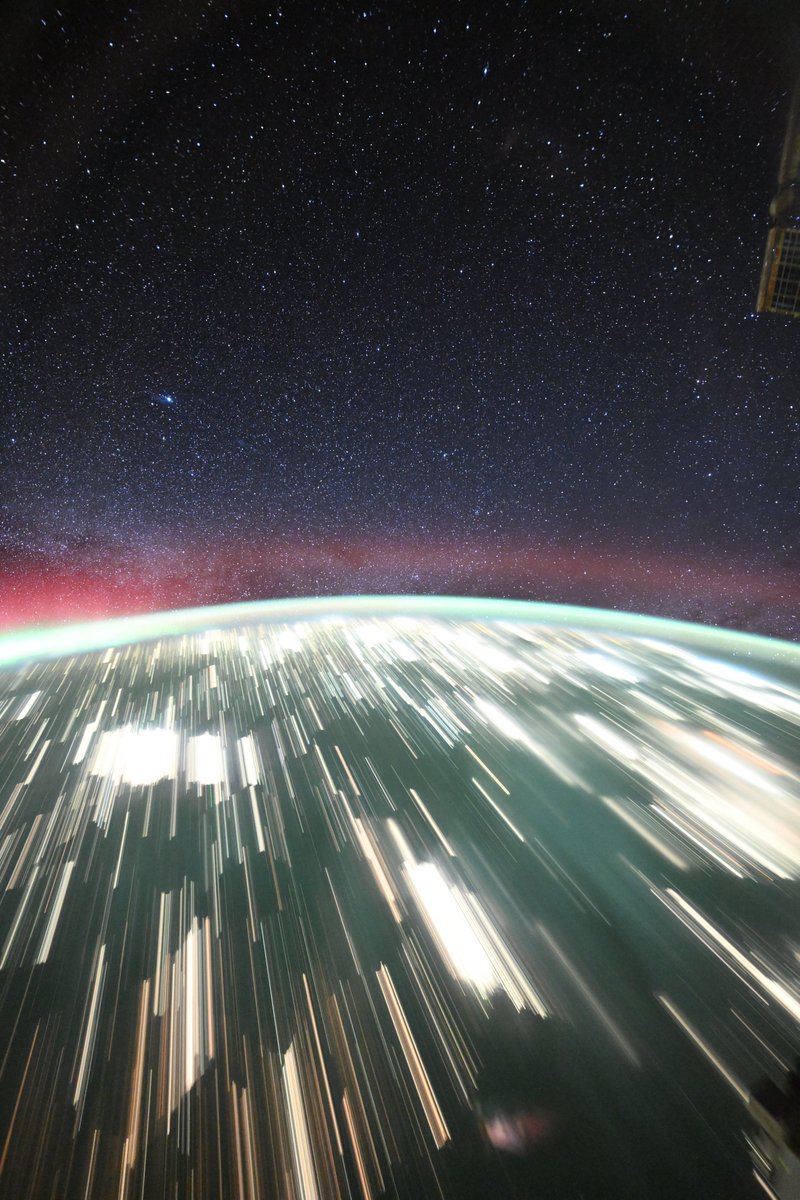
Image: 3-second exposure (thus the streaks of city lights on the right of the image), with a meteor appearing as a streak on the left side of image, under the horizon
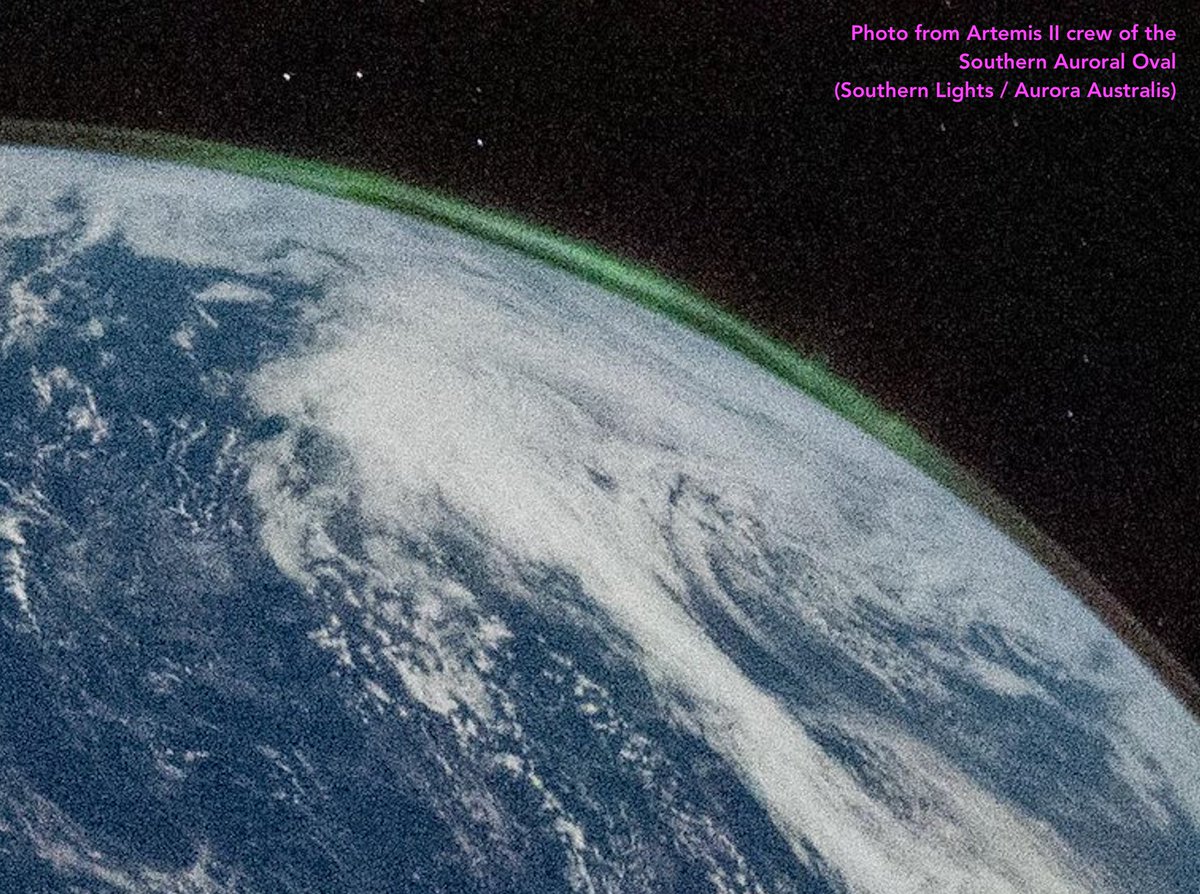
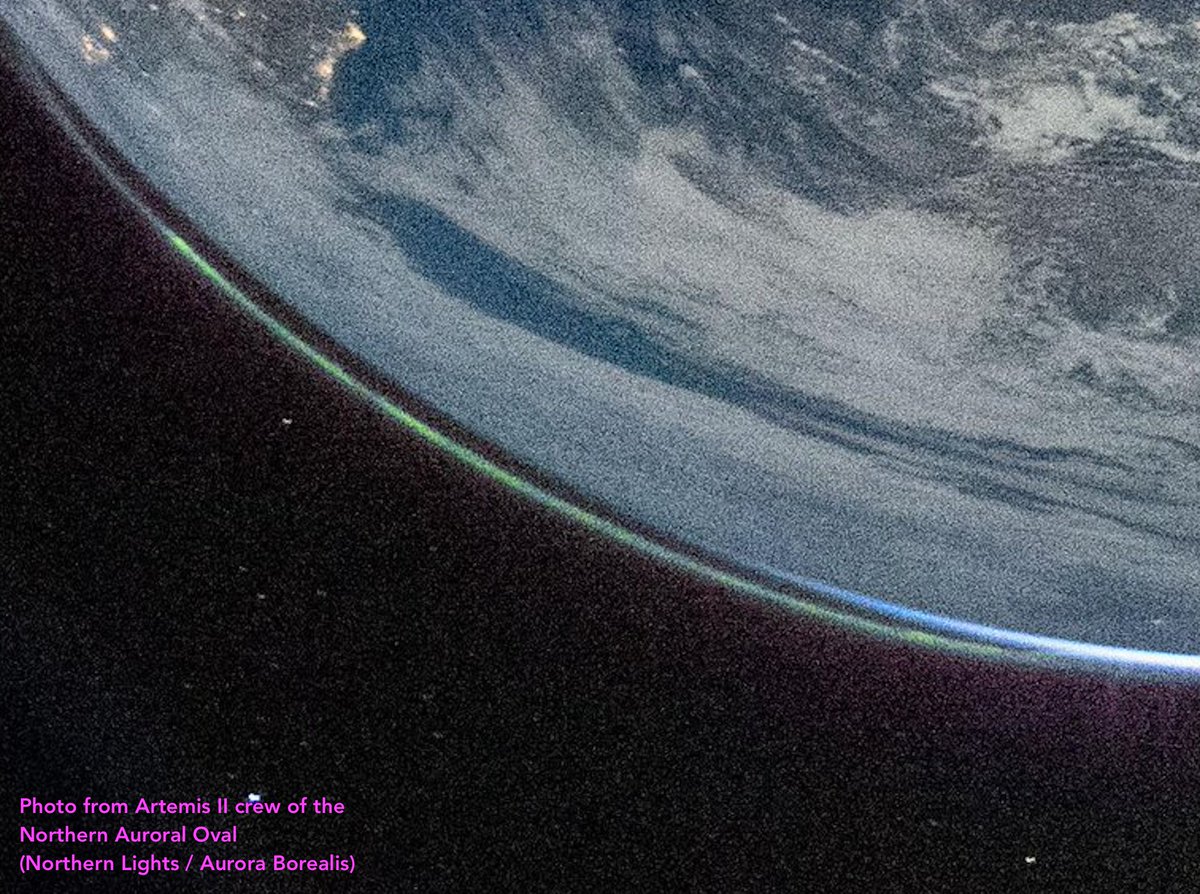
Earth has two crowns - both auroral ovals were imaged by the Artemis II crew today, pretty amazing to see this perspective.
Here I have zoomed in on both auroral ovals so you can see more clearly the green emissions extending around 100 km into our thermosphere/ionosphere.
Pleased to share my favorite high-resolution capture of the Artemis II launch- the moment the SLS is clearing the tower, captured by a sound-triggered camera placed near the pad.
I'll have prints linked in my bio for this one, and here's a short thread about how it was captured
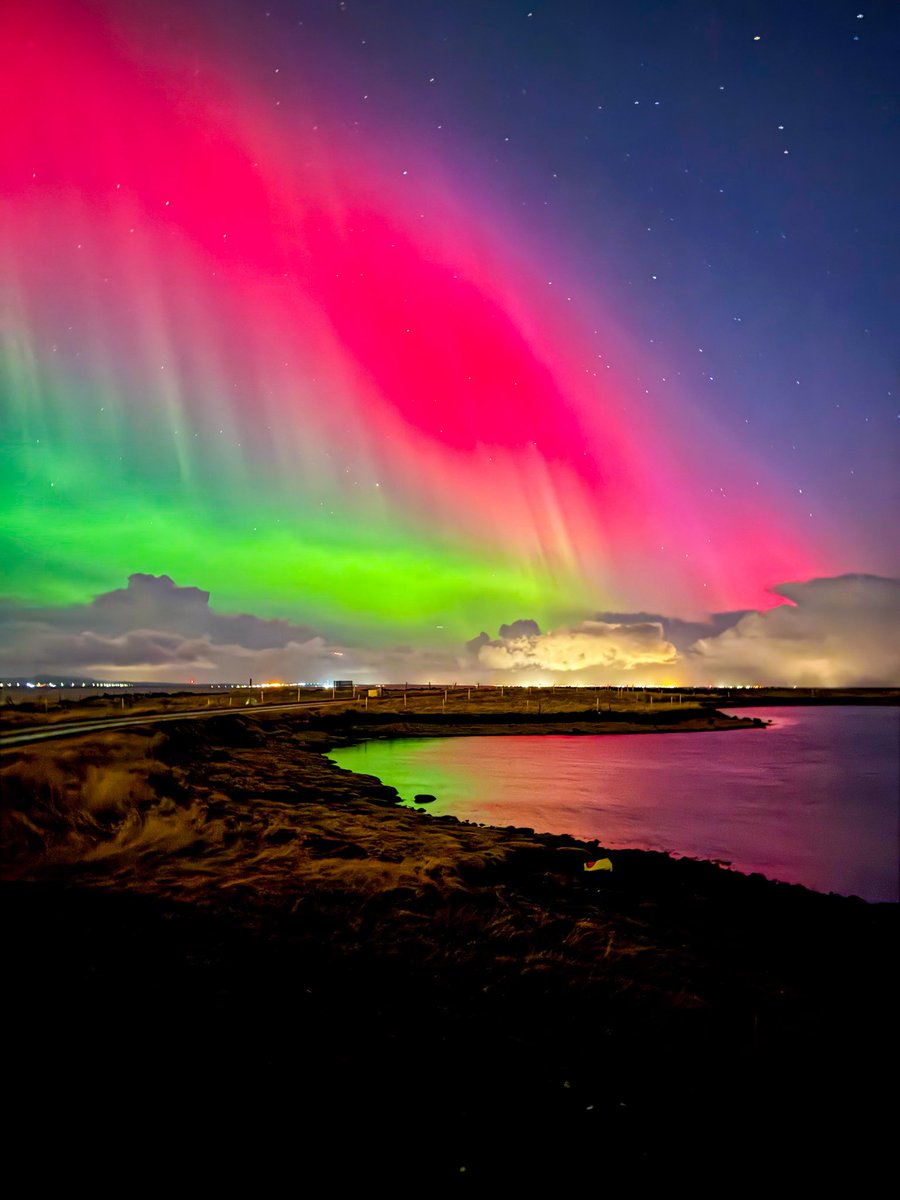
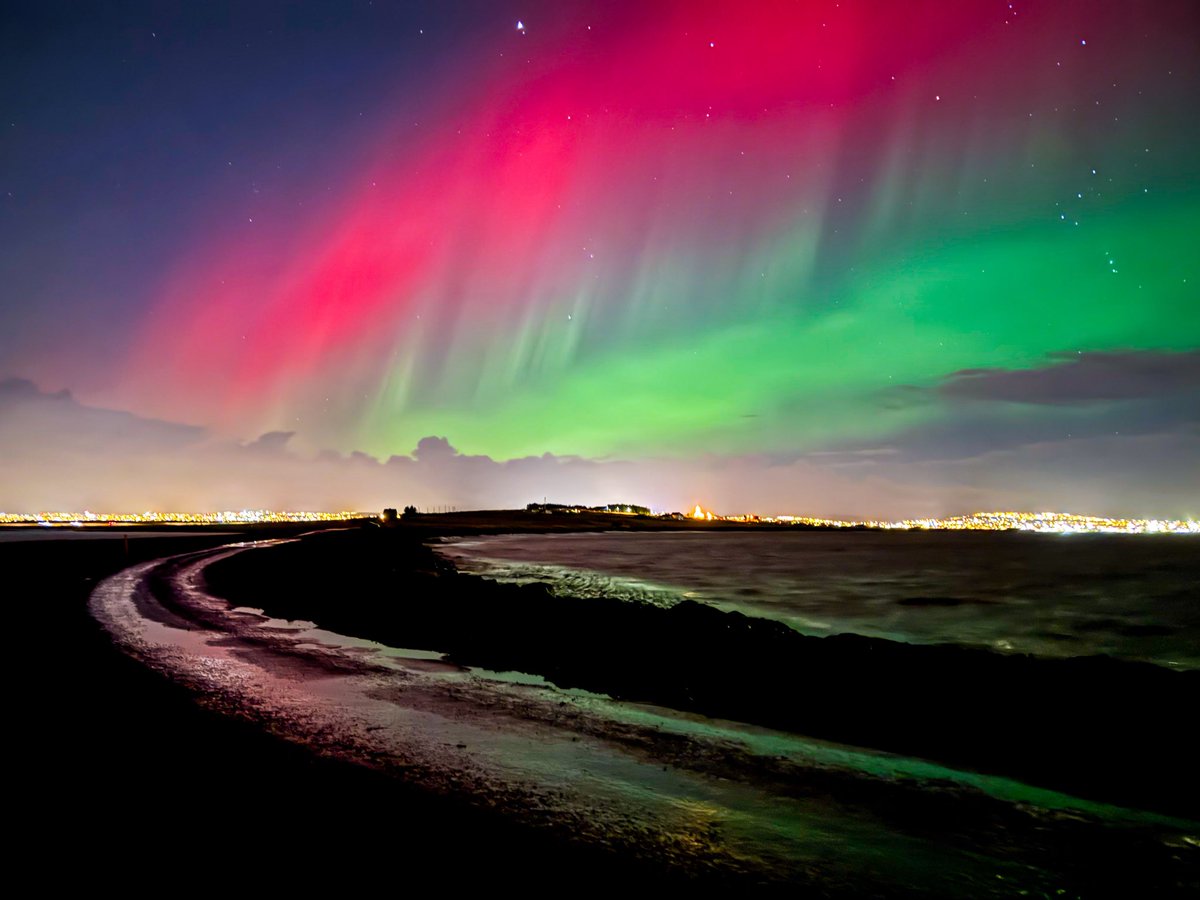
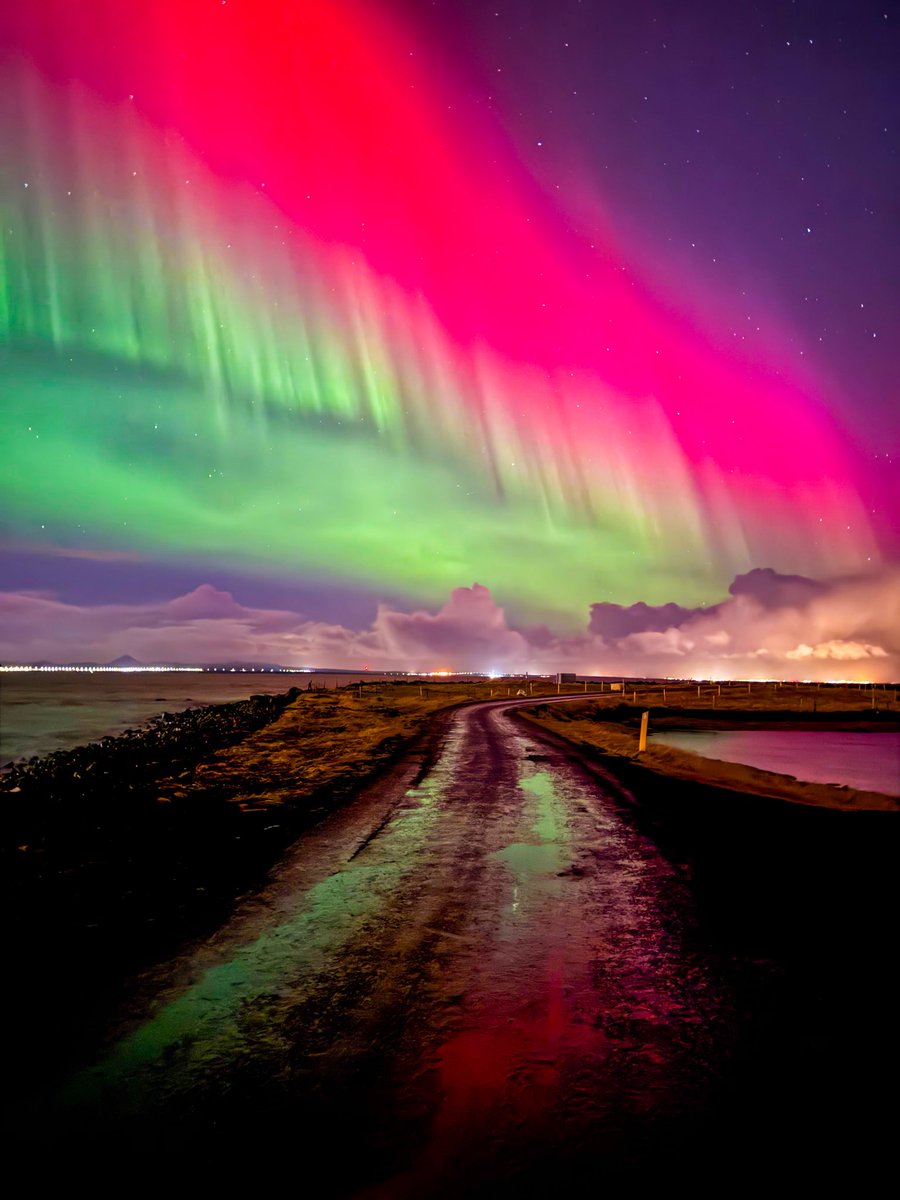
An amazing #Aurora in the sky tonight over the #ScottishHighlands One of the best examples of the #NorthernLights I have seen, clear and visible with the naked eye.
Aurora color guide!
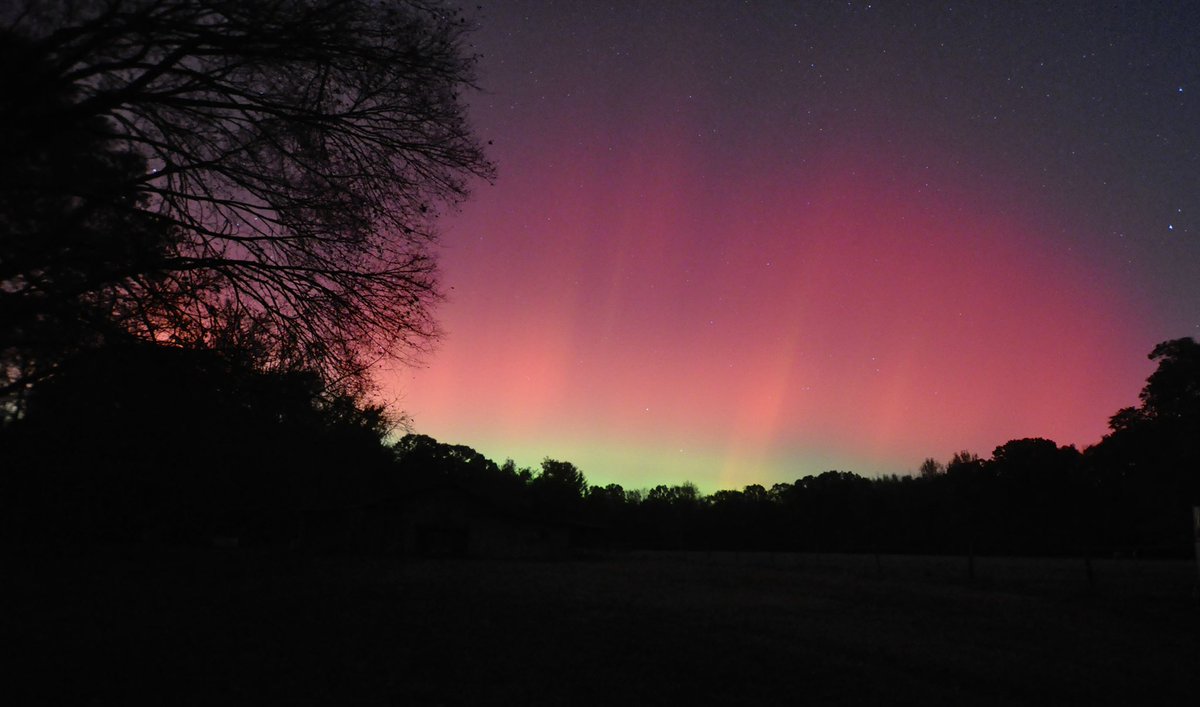
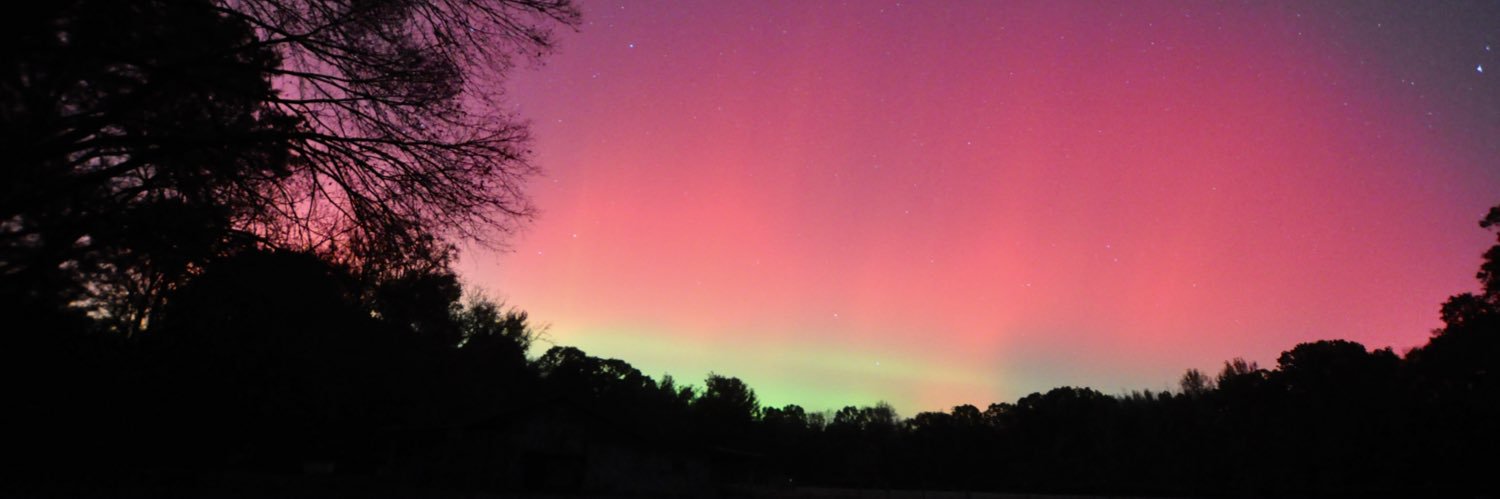
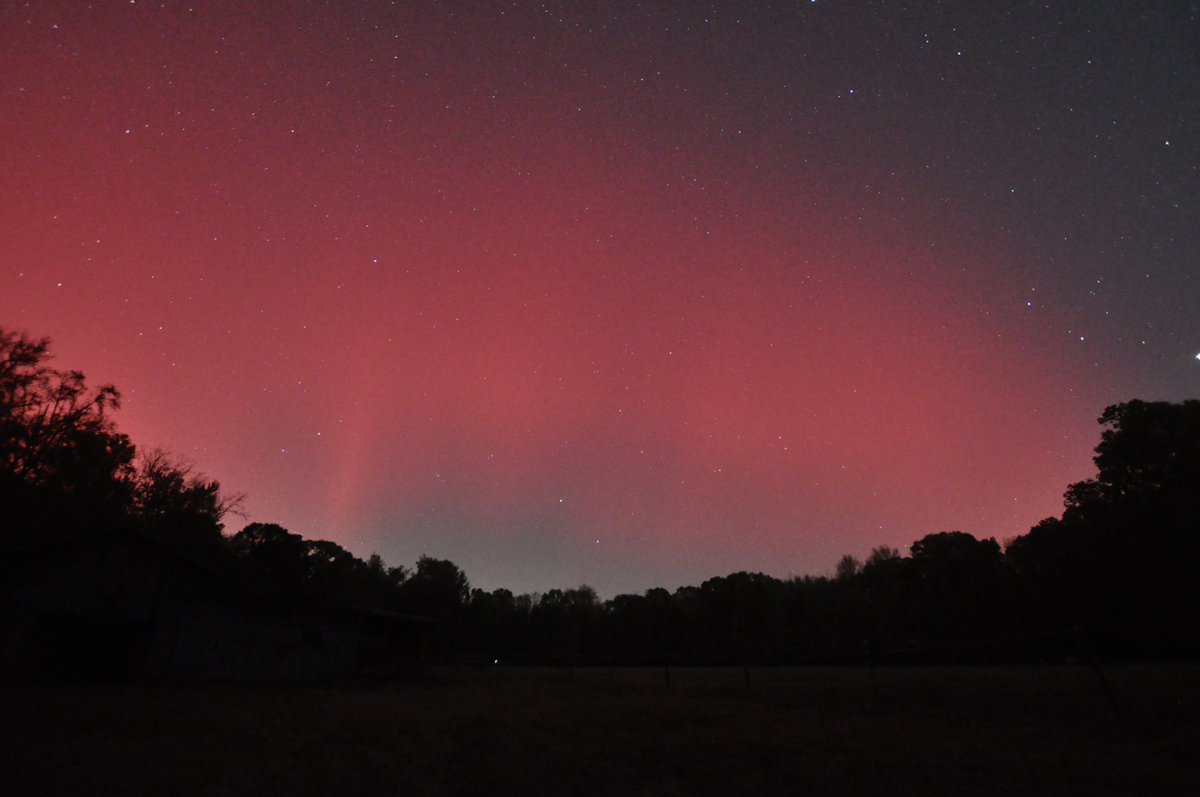
The reason we see mostly pinks and a little green this far south is because those colors are the highest in the atmosphere and the event is taking place well north of our area. Thee colors lower in the sky are below the horizon at our latitude.
Tonight's geomagnetic storm is producing an amazing aurora! Pics taken in night mode with a Samsung S24+ looking north near Millington, TN. Can even see pink in the sky with the naked eye!
When seen at night from space, Southeast Asia looks like the most colorful and vibrant place on Earth. This timelapse is a rainbow of fishing boats, multi-spectrum city lights, thunderstorms, offshore platforms, and fires.