💊 Perder peso con tirzepatida (GIP/GLP-1) también implica perder masa magra y fuerza muscular
💪 Nuevo ensayo (n=120):
🔴 Sin entrenamiento: ↓ masa magra y fuerza
🟢 Con entrenamiento de fuerza 🏋️♂️: menor pérdida de masa magra y ↑ fuerza muscular
🔗 https://t.co/qd3WpXyRpz
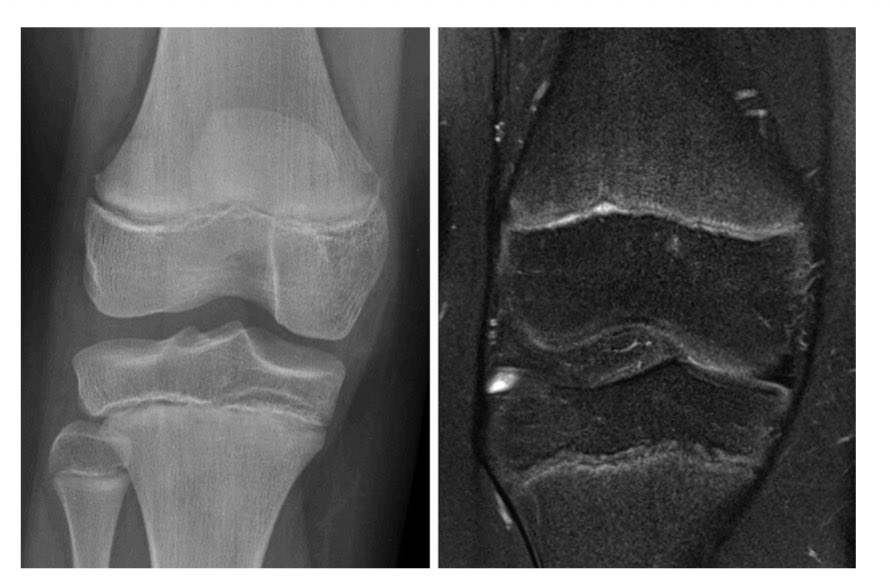
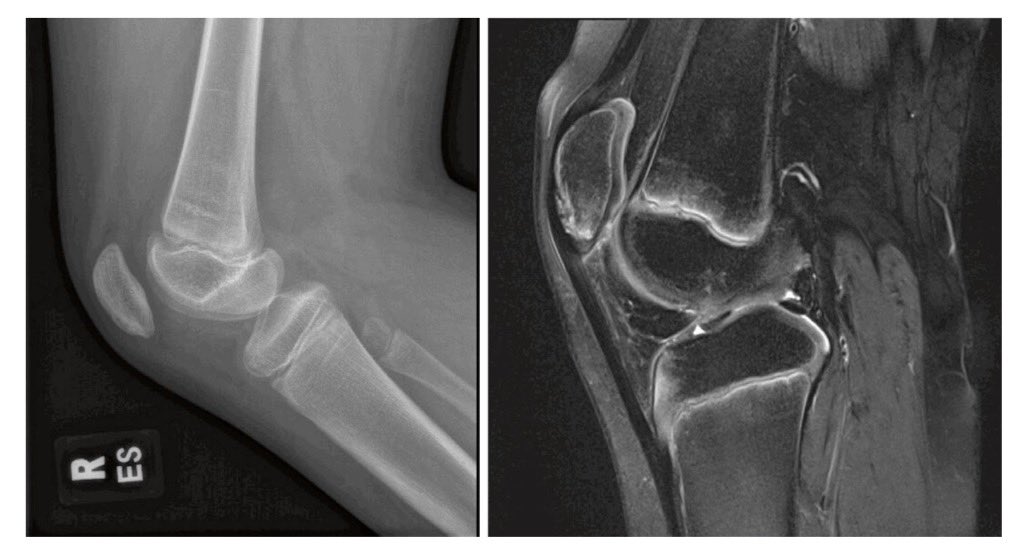
Physeal Stress Injuries of the Knee
https://t.co/7jncaxyQmo
This work provides a comprehensive overview of physeal stress injuries of the knee in pediatric and adolescent athletes, emphasizing their increasing incidence in the context of early sports specialization, year-round training, and high repetitive mechanical loads. These injuries are unique to the skeletally immature population due to the vulnerability of growth cartilage to repetitive stress and inadequate recovery.
Physeal stress injuries are broadly categorized into epiphyseal and apophyseal injuries. Epiphyseal injuries most commonly affect the distal femoral and proximal tibial physes and result from repetitive compressive, shear, rotational, valgus, or varus forces acting on the knee. Pathophysiologically, these forces induce microtrauma to the epiphyseal–physeal–metaphyseal complex, leading to vascular compromise, altered chondrocyte maturation, physeal widening, and periphyseal bone marrow edema. Clinically, presentation is often nonspecific, with activity-related knee pain and focal tenderness but minimal objective findings, making diagnosis challenging. MRI is considered the imaging modality of choice, allowing early detection, assessment of injury extent, and differentiation from physiological physeal changes.
Apophyseal stress injuries are more common and include traction-related disorders such as tibial tuberosity apophysitis and distal patellar apophysitis. These conditions are associated with repetitive tensile forces transmitted through the extensor mechanism during running, jumping, and kicking activities. They typically present with localized anterior knee pain exacerbated by activity and are largely diagnosed clinically, with imaging reserved for atypical or refractory cases.
Conservative management remains the cornerstone of treatment for both epiphyseal and apophyseal injuries and includes activity modification, relative rest, gradual return to sport, and correction of biomechanical and training-related risk factors. Prognosis is generally favorable with early recognition; however, delayed diagnosis or noncompliance may result in growth disturbances, angular deformities, or the need for surgical intervention. The work highlights the importance of awareness, early imaging when indicated, and preventive strategies to mitigate long-term sequelae in the growing athlete.
¿QUÉ ES LA “ZONA 2” DE ENTRENAMIENTO AERÓBICO? El entrenamiento en zona 2 consiste en trabajar justo por debajo del primer umbral de lactato o ventilatorio, mediante sesiones largas y continuas que mejoran la eficiencia metabólica, la función cardiovascular, la capacidad mitocondrial y la resistencia mental en deportistas de resistencia. (lee el artículo completo en BLOG JL Chicharro en https://t.co/ghlyA0rsYU) https://t.co/hUC37HWrQI
Ejercicio físico y Alzheimer.
Realizar ejercicio físico (5000-7500 pasos/día) reduciría el declive cognitivo y funcional en pacientes con depósitos de amiloide. Actuar frente a la inactividad física ayudaría a modular la evolución de la enfermedad.
https://t.co/kND6I6n82w
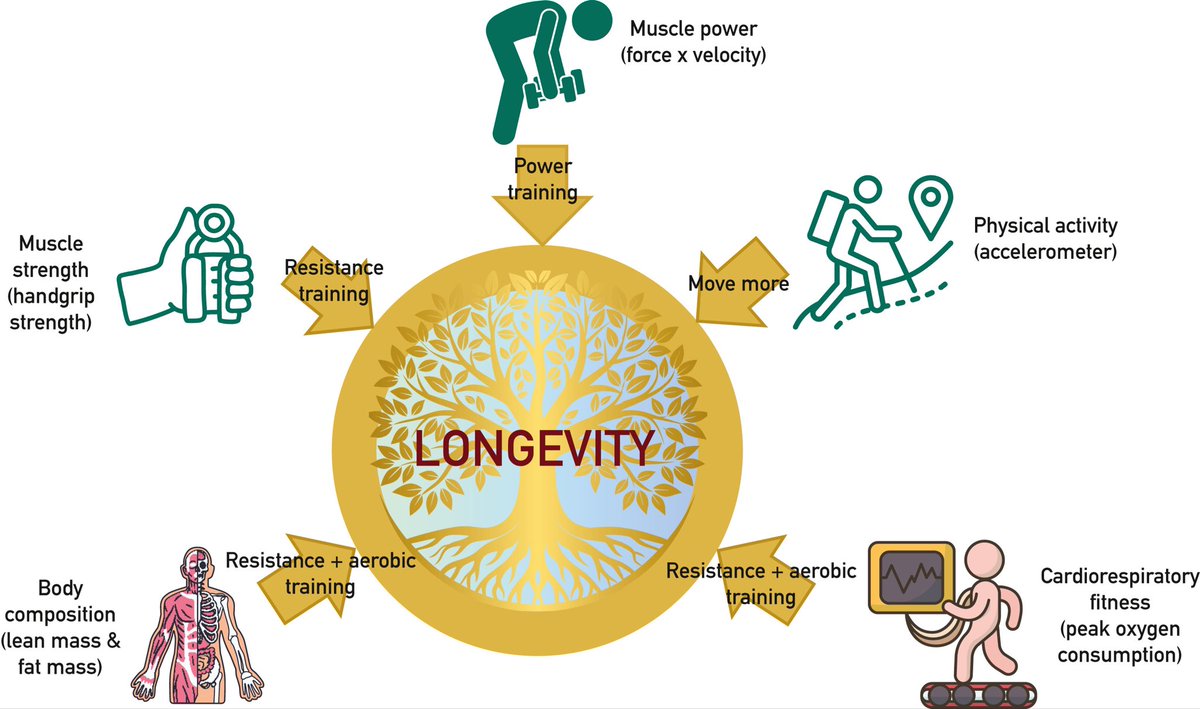
Muscle Power Vs Strength as a Predictor of Mortality"
Relative muscle power 👉 a stronger predictor of mortality than relative strength in middle-aged and older men and women
#longevity#strength#muscle#health#power
https://t.co/rpndroc5uR
https://t.co/XbEtEhwnj4
..47 países que representan 6 continentes donde en la mayoría de los estudios se han utilizado un 𝗱𝗶𝗻𝗮𝗺𝗼́𝗺𝗲𝘁𝗿𝗼 𝗵𝗶𝗱𝗿𝗮́𝘂𝗹𝗶𝗰𝗼, 𝗮𝗷𝘂𝘀𝘁𝗮𝗱𝗼 𝗮𝗹 𝘁𝗮𝗺𝗮𝗻̃𝗼 𝗱𝗲 𝗹𝗮 𝗺𝗮𝗻𝗼, 𝗱𝗲𝘀𝗱𝗲 𝘀𝗲𝗻𝘁𝗮𝗱𝗼𝘀,..
👇
📢 Nueva publicación
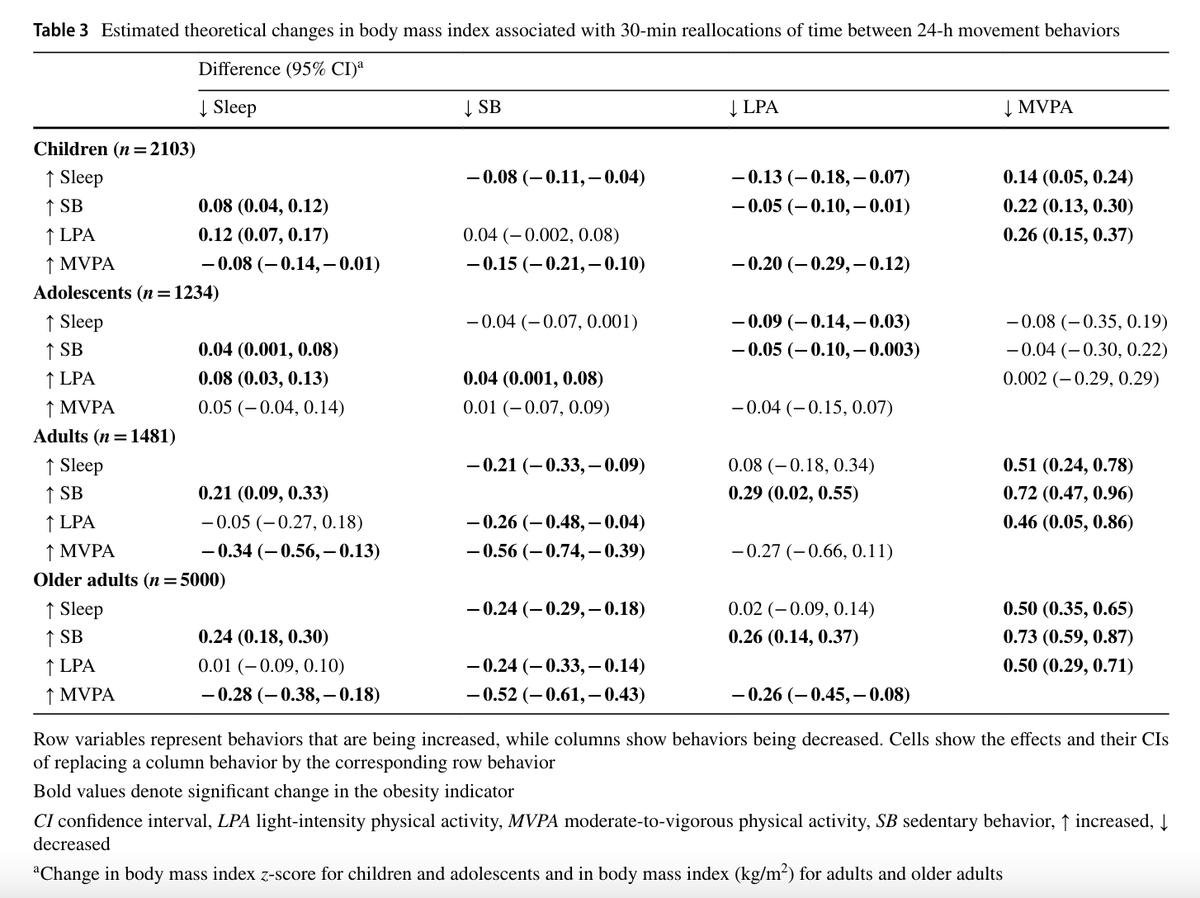
🏋️♂️ La actividad física moderada-vigorosa reduce el riesgo de #obesidad. Sustituir el #sedentarismo por actividad ligera también ayuda
⏳ 10 minutos al día pueden marcar la diferencia
https://t.co/I5adZ3xZOG
Just published 🔥
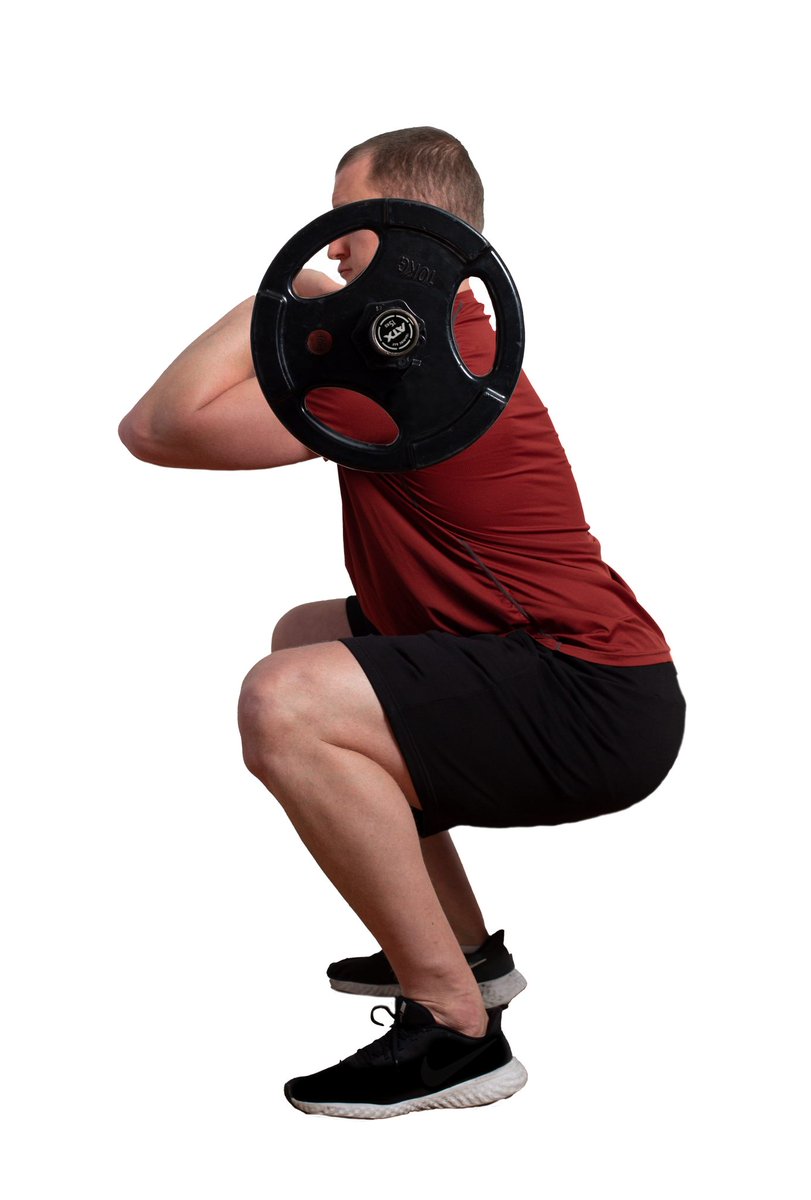
The Use of Free Weight Squats in Sports🏋️: A Narrative Review-Squatting Movements, Adaptation, and Sports Performance: Physiological
📘 Stone et al. (2024), https://t.co/uhdOrhi9l8
El ejercicio y la rehabilitación cardiovascular (RCV) son clave en pacientes con enfermedad renal crónica (ERC), destacando su potencial para reducir el riesgo cardiovascular (CV) y mejorar la calidad de vida. A pesar de los beneficios demostrados, muchos pacientes con ERC no cumplen con las recomendaciones de actividad física debido a la edad avanzada, fragilidad y comorbilidades. Un enfoque multidisciplinario que incluya a nefrólogos, cardiólogos y expertos en ejercicio son imprescindibles para mejorar la adherencia a los programas de RCV. Además, la prescripción de ejercicio debe adaptarse a las capacidades individuales para asegurar su efectividad y seguridad. (lee el artículo completo en BLOG JL Chicharro en https://t.co/ghlyA0s0Os) https://t.co/75CkLOThp2
Just published in British Journal of Sports Medicine 🔥
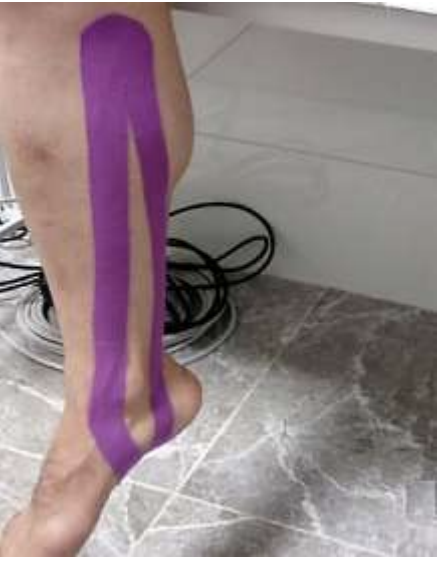
Cryotherapy for treating soft tissue injuries in sport medicine: a critical review 🥶
📘 Racinais et al. (2024, https://t.co/oU7HSLHQ5l)
Escuchar música de rock 🎸 o “rápida” mientras corres en banda disminuye la sensación de esfuerzo percibido y aumenta el tiempo para llegar al agotamiento, incluso entre corredores Elites 🏃🏻♂️💨
https://t.co/uX3oGaX7Ez