1/ start...@PlusTovell@1714tak@AlfredoDeCaixas Yesterday we were discussing the wonderful orchestral transcription of Ives’s Second Piano Sonata, and the exchange brought to mind MTT’s wonderful recording—and let’s not forget Copland’s Organ Symphony, which rounds out the CD
BREAKING. All hell breaks loose between Donald Trump and Giorgia Meloni. 🇮🇹 🇺🇸
Trump told La7 tv that apparently “Meloni begged to have a picture with me at the G7, I felt sorry for her”.
Meloni’s scathing response: “I am shocked by Trump’s utterly fabricated words. I am sorry he doesn’t show the same determination against the enemies of the West. And bear in mind: me and Italy never beg”.
What a time to be alive.
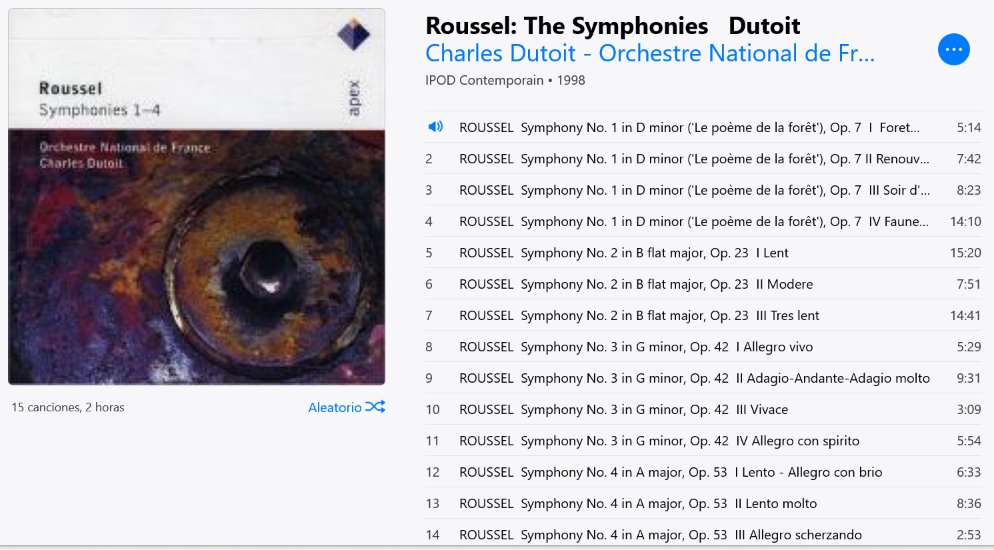
@1714tak@LoveInner Dutoit partnership with the ONF delivers a uniquely French timbre—transparent, luminous, and rhythmically alive—that makes this set not only a reference recording but also a celebration of Roussel’s Legacy. It remains one of Dutoit’s most enduring legacies to the French music
@1714tak@LoveInner@1714tak Across the four symphonies, Dutoit captures the lush poetry of the Poème de la forêt, the austere lyricism of the Second, the taut brilliance of the Third, and the radiant clarity of the Fourth.
@1714tak@LoveInner Absolutely...@1714tak@LoveInner Charles Dutoit’s complete Roussel symphony cycle with the Orchestre National de France stands as a definitive portrait of a composer who bridged impressionism and neoclassicism with singular voice.
@LoveInner Every one prefers the third, but for me, my fav is the last one: bright and concise, Symphony No. 4 radiates joy—its crystalline textures and buoyant rhythms mark Roussel’s most luminous symphonic voice
@LoveInner Spinning the DUTOIT Roussel Cycle in ONFrance...a landmark set, originally recorded in 1985 at Radio France’s Studio 104 and released by Erato in 1987. For my humble perspective It remains one of the most authoritative and widely available recordings of Roussel’s symphonic output
@LoveInner Compact, energetic, and rhythmically taut, Symphony No. 3 is Roussel’s masterpiece—neoclassical clarity fused with driving vitality..the most popular piece of the set
@LoveInner Austere yet lyrical, Symphony No. 2 balances post‑war sobriety with sweeping melodic arcs—its slow movement a hidden gem of French symphonic writing
🚨🚨🚨🚨🏴🗣️ جديد: غاريث بيل يعلق على مباراة الأرجنتين ضد الجزائر وحادثة ميسي:🇦🇷
“لقد قضيت وقتًا كافيًا في هذه اللعبة لأعرف متى لا تشعر الأمور بأنها صحيحة. مباراة الأرجنتين ضد الجزائر لم تكن مجرد مباراة مجموعة أخرى. ميسي سجل هاتريك، والأرجنتين فازت بسهولة، وسوف تركز العناوين على ذلك. لكن ما حدث حول الدقيقة 30 روى قصة أكبر عن الاتجاه الذي يتجه إليه كرة القدم.
ميسي دخل على قائد الجزائر. براغي الأحذية مرفوعة، مباشرة عبر الساق ونازلة نحو وتر أخيل. في الوقت الفعلي بدت سيئة. في الحركة البطيئة بدت أسوأ. هذا بطاقة حمراء في معظم الأيام، ضد معظم اللاعبين، في معظم البطولات. الحكم وفار شيها نظرة واضحة. اختاروا عدم التدخل.
أنا لست هنا لأضيف الوزر على المسؤولين. لن أريد أن أكون الرجل الذي يظهر بطاقة حمراء لميسي في كأس العالم ويؤدي ربما إلى تعطيل مرحلة المجموعات للأرجنتين. الحرارة التي ستأتي مع ذلك القرار هي شيء لا يسجل أي حكم فيه بسهولة. لكن هذا بالضبط المشكلة. عندما يبدأ الخوف من العواقب في التأثير على ما يحدث على الملعب، تتوقف اللعبة عن أن تُقرر من قبل اللاعبين والقوانين.
هذه كأس العالم هي بالفعل النسخة الأكثر تجاريًا التي رأيناها. المباريات متوقفة لاستراحات التلفزيون، وتوقفات إضافية مُقنَّعة باسم رفاهية اللاعبين بينما يعرف الجميع أنها عن إدراج المزيد من الإعلانات. الآن نرى قرارات تحكيمية تحمي أكبر الأسماء وأكبر القصص لأن إسقاط الأرجنتين مبكرًا في المجموعات سيؤذي السرد الذي بنته فيفا والبثيين.
ماذا يحدث لـ‘السيناريو’ إذن؟ بطل الدفاع المفقود قبل مرحلة خروج المغلوب. ميسي يغيب عن المباريات. الرعاة وحاملو الحقوق فجأة يشاهدون استثمارهم يفقد الزخم. المنتج الذي أنفقوا مليارات لتغليفه يبدو فجأة مختلفًا جدًا.
لقد لعبْت في بطولات كبرى. أعرف كم من المال والضغط يقف خلف كل قرار الآن. لكن كرة القدم كانت لها إيقاع وروح تأتي من عدم اليقين. لم تكن تعرف أبدًا ما الذي سيأتي بعد ذلك. عندما يبدأ حماية المصالح التجارية وإبقاء النجوم على الملعب في تجاوز حوادث البطاقات الحمراء الواضحة، تتآكل تلك الروح قليلاً أكثر.
اللعبة تستحق أفضل من هذا. اللاعبون يستحقون تطبيق القواعد بنفس الطريقة كل مرة. الجماهير تستحق مشاهدة رياضة لا تخاف من نتائجها الخاصة. إذا استمررنا في السماح للمال والسرديات بأن تحدد ما نراه على الملعب، فإننا لن نشاهد كرة القدم بعد الآن. نحن نشاهد عرضًا يحدث أن يكون فيه كرة.”
Soittolistalle sattui Mozartin Requiem ja juuri tämä live-taltiointi Musikvereinista. En ollut katsellut ja kuunnellut sitä vuosiin. Jostain syystä sielunmessu kosketti tänään syvästi. Olin ihan out, kun pääsin teoksen loppuun. Nämä ovat näitä ihme juttuja. Rauhallista yötä.
Symphony No. 4 is Magnard’s farewell: austere, monumental, tragic. Written a year before his death in 1914, it stands as the culmination of his symphonic vision—rigorous, noble, and profoundly human.
Mi final stop in the Magnard Symphony Journey: Symphony No. 4 (1913) is his final orchestral testament. Darker, more austere, yet deeply human, it crowns his symphonic journey with grandeur and tragic intensity.
The finale (Animé et très décidé) crowns the work. Cyclic themes return, transformed, driving toward a fierce conclusion. It’s Magnard affirming his voice one last time before his tragic death, with uncompromising conviction.
The Sans lenteur et avec chaleur (slow movement) is the emotional core. Noble, grave, and expansive, it breathes with Magnard’s characteristic dignity—serene yet tinged with melancholy.
Modéré unfolds with quiet tension. Themes emerge in shadow, gradually gaining weight. The orchestration is dense, his architecture uncompromising. Next: Vif, is a scherzo of biting energy. Rhythms snap, brass blaze... the music feels restless nervous vitality into symphonic drive