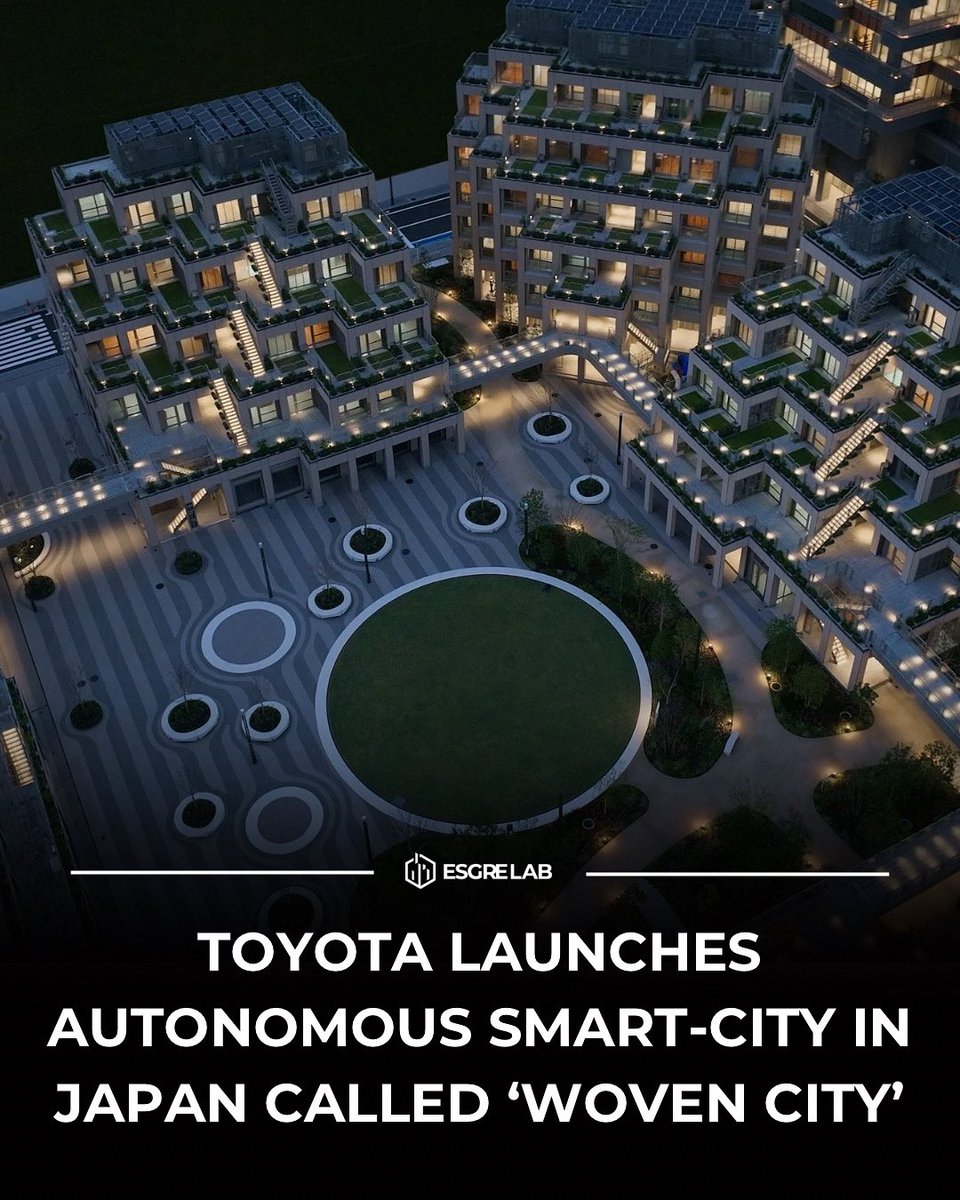
Toyota’s Woven City is a sustainable, high-tech “living laboratory” at the base of Mount Fuji, designed to test future mobility, energy, and smart-infrastructure systems. Built with clean hydrogen power, sensor-driven efficiency, and pedestrian-first planning
Cape Town, South Africa, has once again earned the title of the world’s best city—an honor it has held for seven consecutive years. Known for its stunning natural landscapes, vibrant culture, and rich history, the city offers a unique blend of mountain, ocean, and urban life.
Australia is testing glow-in-the-dark road markings that absorb sunlight by day and glow at night, aiming to improve safety and reduce the need for street lighting.
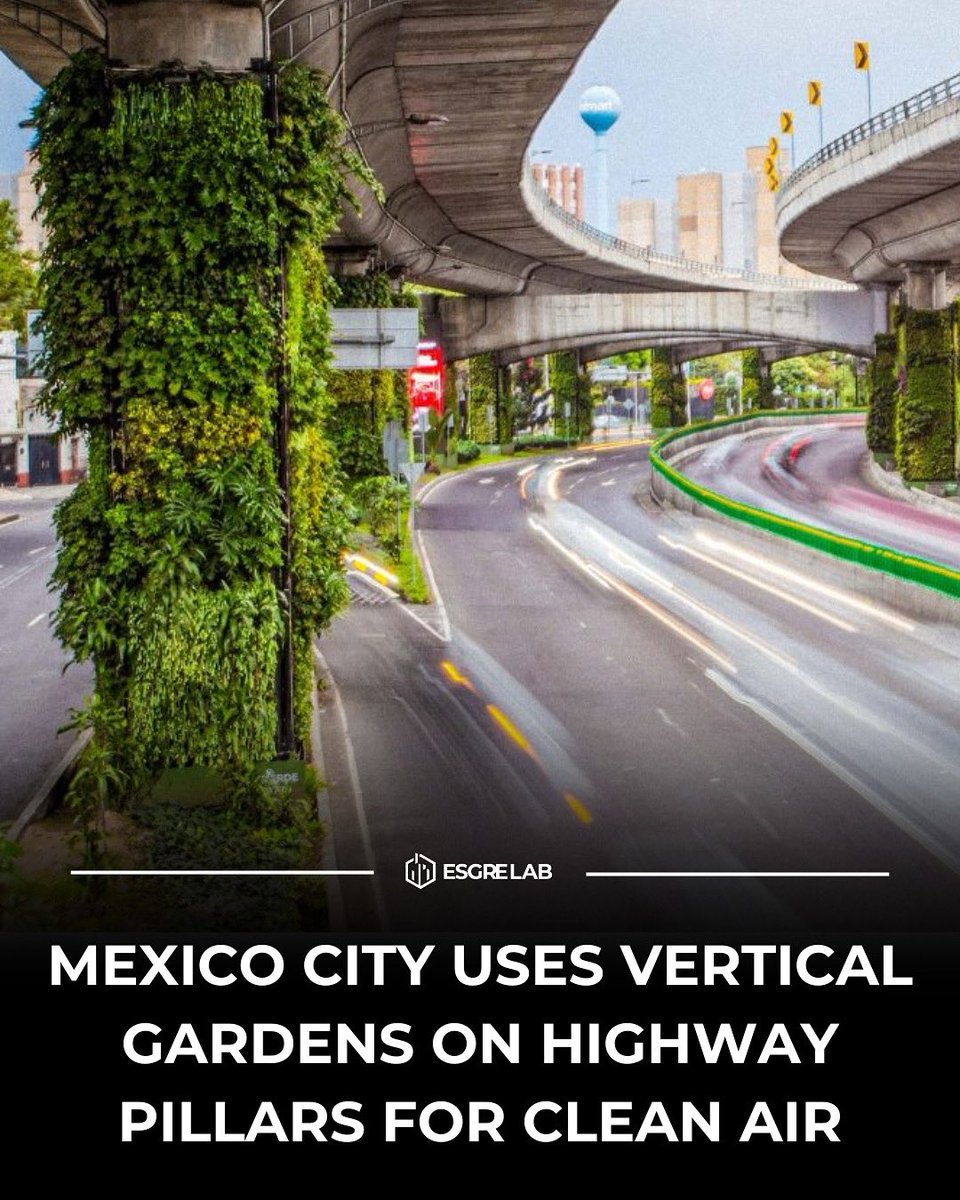
Mexico City is tackling air pollution by installing vertical gardens on highway pillars. These living walls filter pollutants, reduce heat and noise, and bring greenery to urban spaces. Using a hydroponic system, the gardens require minimal maintenance and no soil.
Abu Dhabi has been ranked the safest city in the world, according to Numbeo’s Safety Index, thanks to its low crime rates and strong security measures.
Singapore built an eco-bridge over the Bukit Timah Expressway to help wildlife safely cross between nature reserves. The green corridor reconnects habitats and supports biodiversity.
You could soon be able to buy a home using crypto-backed mortgages, where your cryptocurrency holdings act as collateral instead of traditional income or credit. This emerging option bridges digital assets and real estate, allowing crypto investors to leverage their portfolios.
Dubai is building a 64 km Green Spine highway lined with over 1 million trees, solar-powered trams, and urban farms—turning the desert into a lush, sustainable oasis.
Copenhagen has been named the most livable city in the world for 2025, thanks to its sustainability-focused design, extensive bike infrastructure, renewable-powered public transport, and bold goal of becoming carbon neutral—proving that a greener city is a better city.
Nike’s Oregon HQ is more than just a campus—it’s a statement. Built with sustainability at its core, it features energy-efficient systems, recycled materials, and green spaces that promote wellness and innovation. Proof that sustainable design powers performance.
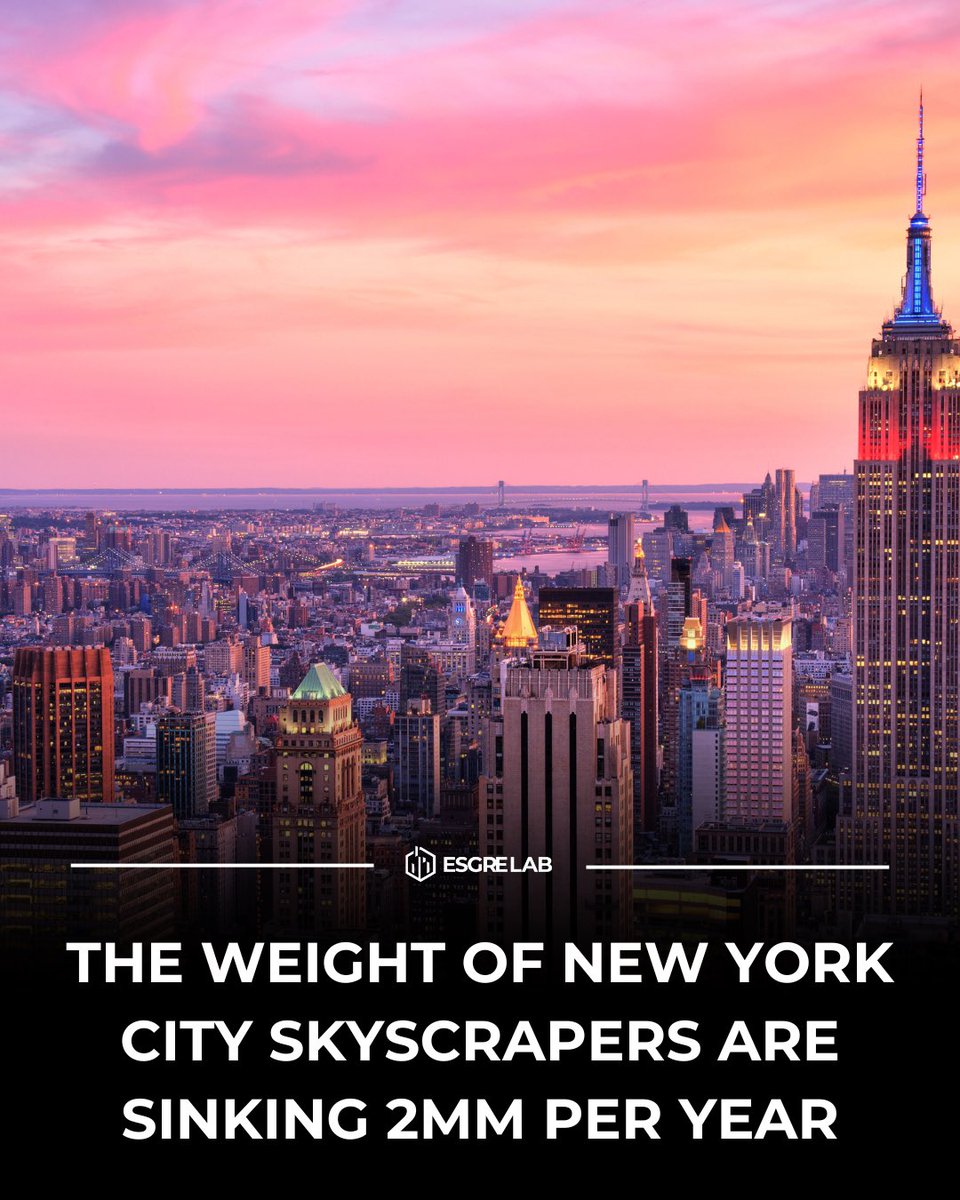
NYC in slow motion: our urban giants are sinking 2mm every year—tiny shifts that add up to big stories about resilience, change, and the future of our concrete jungle. Let’s explore what this means for our city and its environment. #NYC
India is now home to the world’s largest office complex—a monumental space designed for innovation and the future of work. Built with sustainability in mind, it features energy-efficient systems, green building materials, solar power integration, and expansive green spaces that promote well-being and environmental responsibility.
BYD’s 50-square-mile megafactory in China is setting a new standard for sustainable manufacturing. Designed to produce over a million electric vehicles annually, the facility integrates advanced energy-efficient systems and a self-sustaining infrastructure. This massive expansion reflects the growing demand for clean transportation and highlights the role of large-scale innovation in reducing global carbon emissions.
The Great Mosque of Mecca, known as Masjid al-Haram, is the most expensive building in the world, with an estimated cost exceeding $100 billion due to ongoing expansions and renovations. As the largest mosque, it can accommodate millions of worshippers, especially during Hajj. It surrounds the Kaaba, the holiest site in Islam, and features advanced infrastructure designed to manage massive crowds. With its historical and spiritual significance, along with its architectural scale, Masjid al-Haram stands as one of the most extraordinary structures ever built.
Apple is building a 250,000-square-foot AI server manufacturing facility in Houston, Texas, as part of its $500 billion U.S. investment. Opening in 2026, the facility will advance AI capabilities, strengthen tech infrastructure, and create thousands of jobs.
Perched on the edge of time, the Sumela Monastery is a breathtaking 1600-year-old marvel built into the cliffs of Turkey’s Pontic Mountains. This ancient sanctuary has stood the test of time, whispering stories of devotion, resilience, and history—a true wonder of architecture and nature in perfect harmony.
Say goodbye to potholes! The UK has developed a self-healing asphalt that uses steel fibers and induction heating to repair cracks before they become potholes. This innovation could extend road life, reduce maintenance costs, and cut carbon emissions, making infrastructure more sustainable.