Philosophical Hermeneutics and Historiography of Science and Religion. Metaphysics of Knowing. Engineering and Data Science. Guatemalan. PhD (Edinburgh)
The Birth of Christ is the Eucatastrophe of Man’s history. The Resurrection is the Eucatastrophe of the story of the Incarnation. This story begins and ends in joy. It has pre-eminently the "inner consistency of reality."
–– J R R Tolkien, ‘On Fairy Stories’
@skdh 'The word "science", in its original sense, which is still its proper sense ... means a body of systematic or orderly thinking about a determinate subject-matter. ... There is also a slang sense of the word ... in which it stands for natural science.'
– RG Collingwood, 1940
“The gospel means I have no right to war, injustice, exploitation, or harshness. I only have the right to offer freely what has been offered to me: faith, hope, and love.” @TerenceJSweeney
https://t.co/lMPFbdYLxX
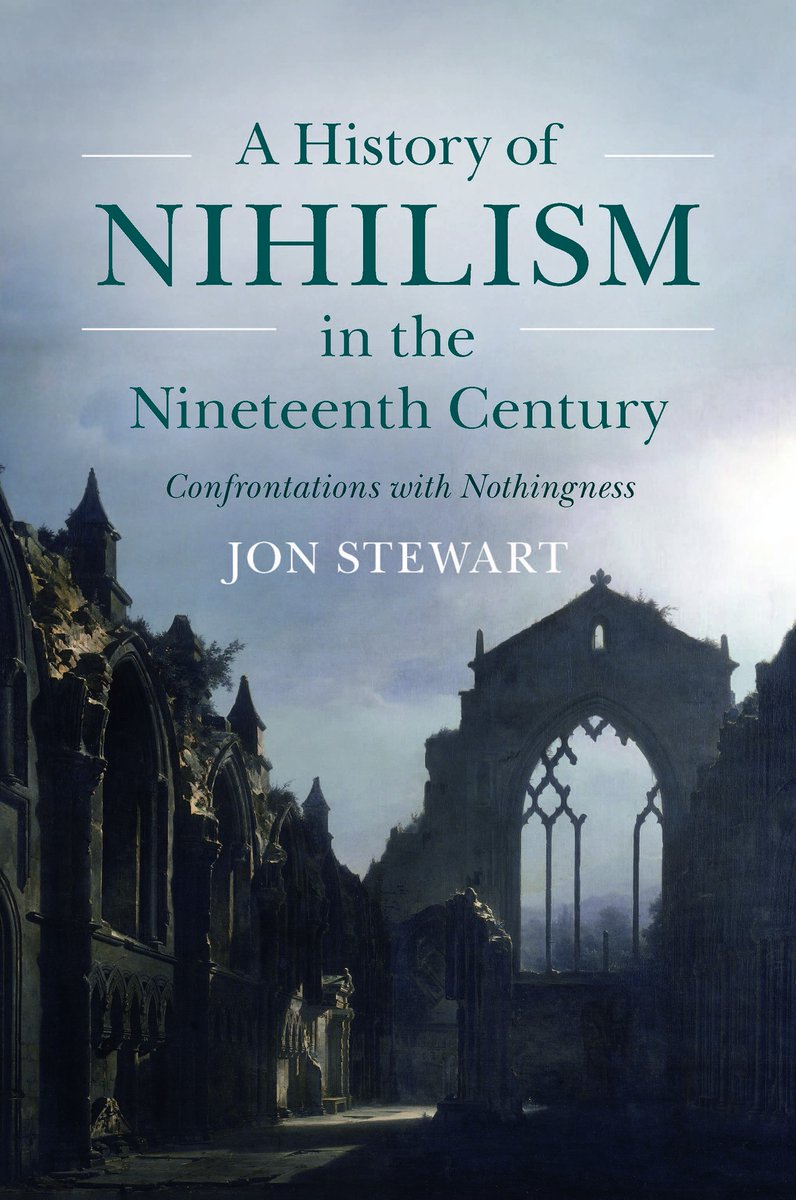
"New in paperback! A History of Nihilism in the Nineteenth Century | Save 20% with code STEWART25
A rich, expansive book reaching beyond philosophy to literature and the history of ideas with strong appeal to diverse readers."
https://t.co/GzWFoqMtwx
A titan died today. Alasdair MacIntyre’s writings may not be familiar to everyone, but they reshaped the landscape of moral philosophy and showed us how attending to the thought of the past can help us find our way to a more flourishing future.
RIP Alisdsair MacIntyre: “His original critique of liberal modernity has won followers on the Left and the Right. His account of how capitalism has undermined the conditions of human flourishing deserves the serious attention of socialists.” https://t.co/pq9I3ZmpwN
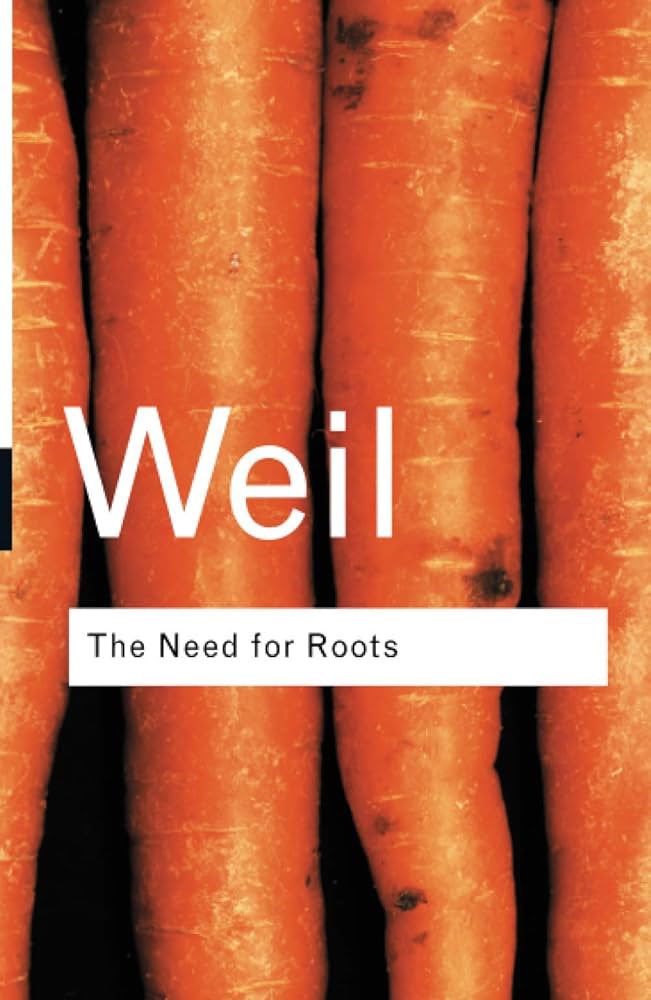
The structure of a human heart is just as much of a reality as any other in this universe, neither more nor less of a reality than the trajectory of a planet.
— Simone Weil, The Need for Roots 240
Congratulations to the editors on this new volume, now in stock, which presents a rich selection of #medieval#Aristotelian texts, most of them previously untranslated, debating the relation between the soul and its powers
Aristotle was the first to explicitly recognize: saying what something is, is identical to saying what one thinks about it so describing the thought is describing the thing: the unity of being and thinking
The form of this unity is "something belongs to something", ti kata tinos
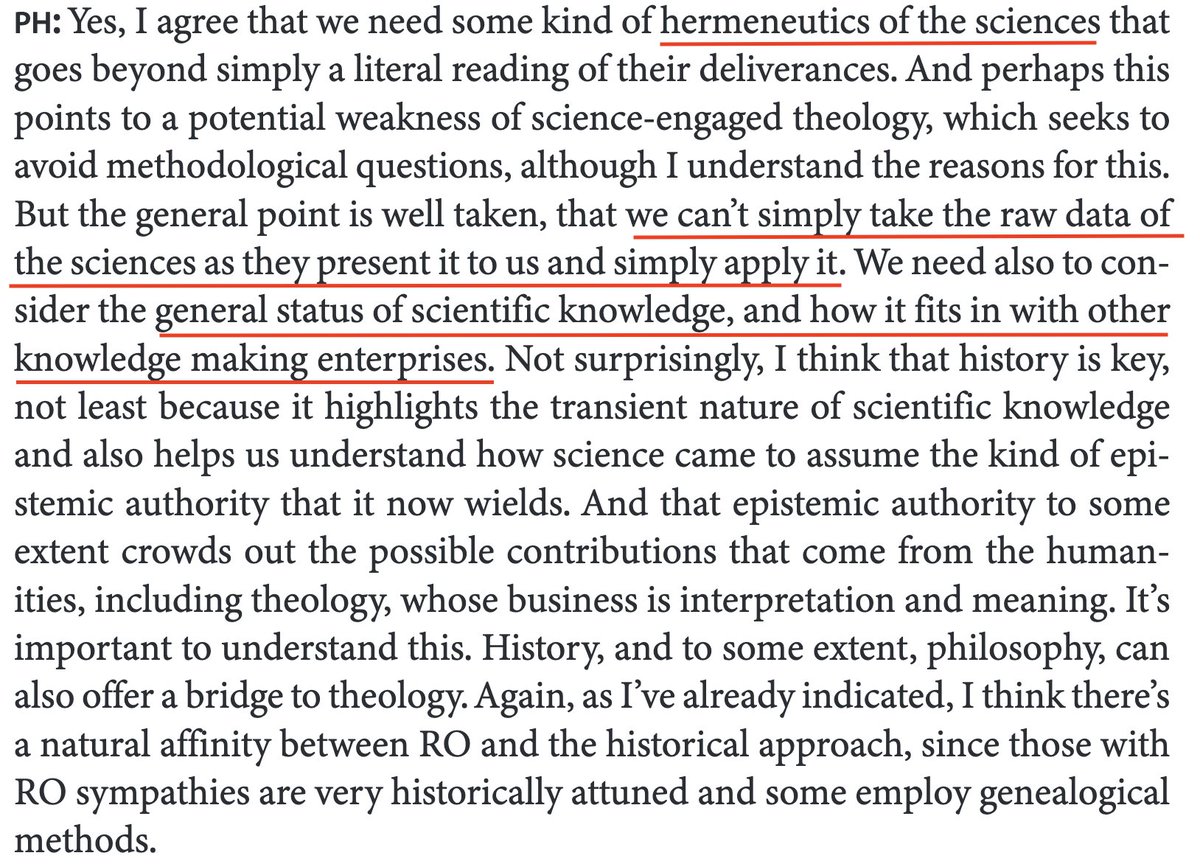
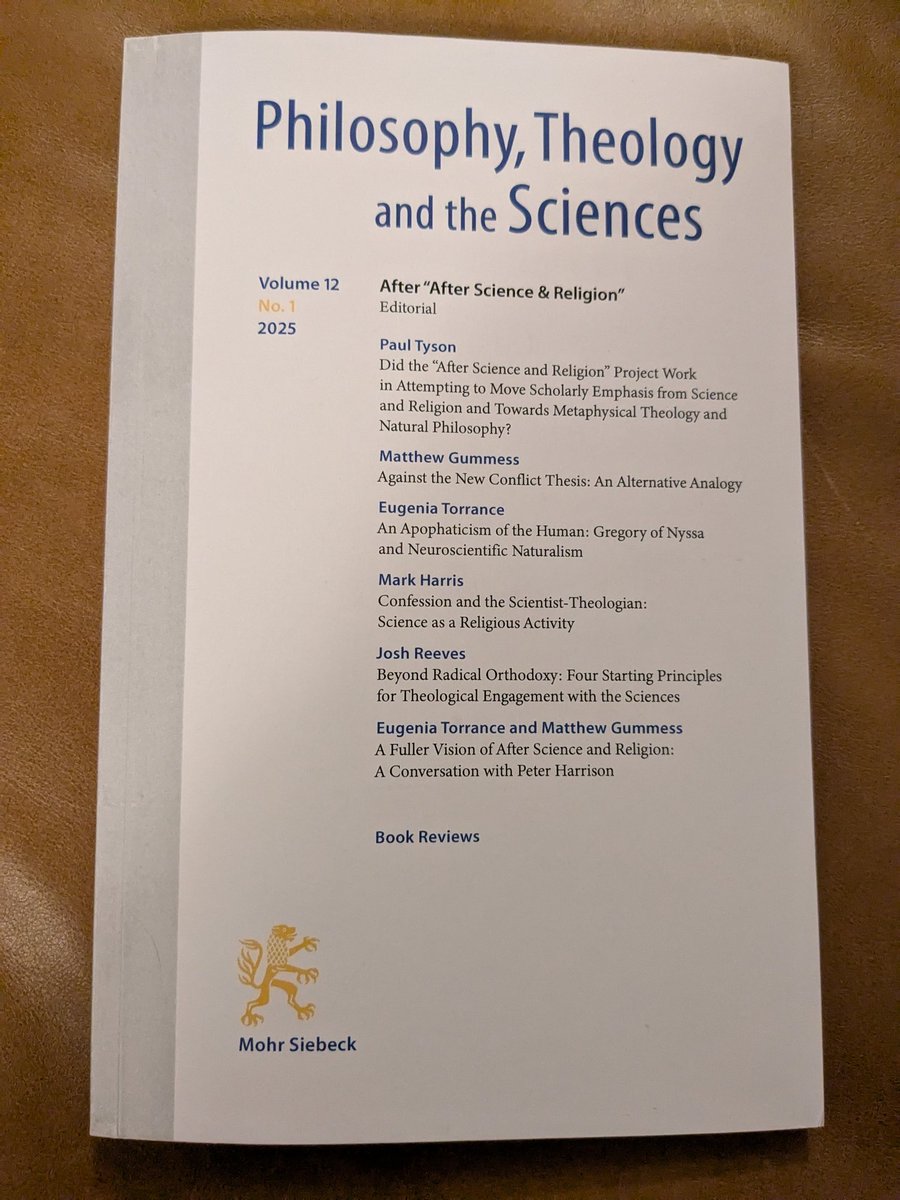
@uqpharri's advice for science-religion scholarship, emphasising the hermeneutic dimension of all knowing. I suggest we also need a hermeneutics of history to integrate philosophy (including theology) and history in science-religion discussions (forthcoming in zygon soon I hope!)