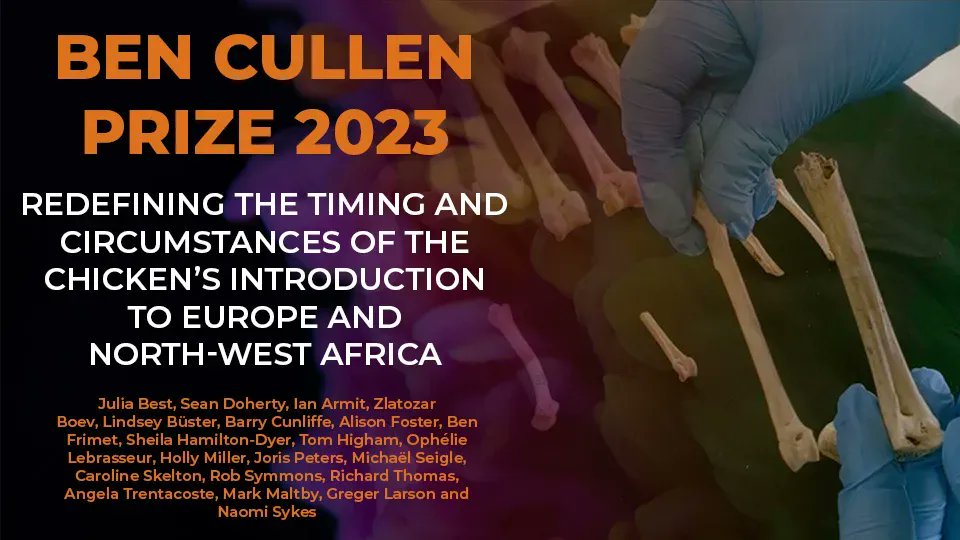
Congratulations to Julia Best et al., winners of the 2023 Ben Cullen Prize!
Their research uncovered that the chicken was introduced to Europe and North Africa much later than previously believed.
Check out the officially award-winning work (🆓) https://t.co/gdfVZfIRYK
🆕 June @AntiquityJ is now online! https://t.co/Ndh2z8bdln
My latest editorial features an update on author demographics plus the 2023 #Prize winners: congratulations to @Estalwin & @AnastasiaStupko!
🆓https://t.co/bAcxgLA2SP
🏆The Ben Cullen Prize for 2023 is awarded to
Julia Best & (many!) colleagues for their @AntiquityJ article on the timing of the introduction of #chickens to Europe and NW Africa. Those bones are later than you think...
Congratulations to all! 🎉
"It is clear that human-chicken relationships were complex and about more than just food for quite some time" 👇 https://t.co/2Id8ZgeW0A
Our chicken research featured on @ConversationUK by @Estalwin and yours truly
@CagToulouse @MSCActions @AraucanaProject
Dr Julia Best, @Estalwin, a lecturer in bioarcheology from @CUHistArchRel, writes for the @ConversationUK about her latest research which has furthered understanding of human-chicken relationships.
https://t.co/QjPe6AQQ0s
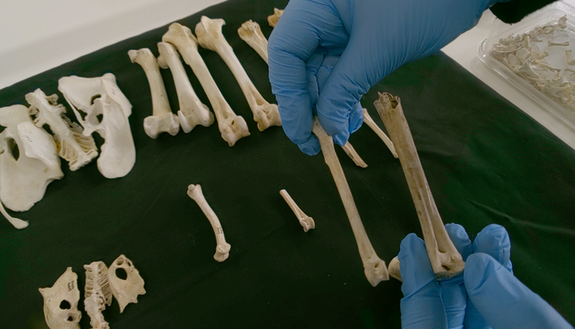
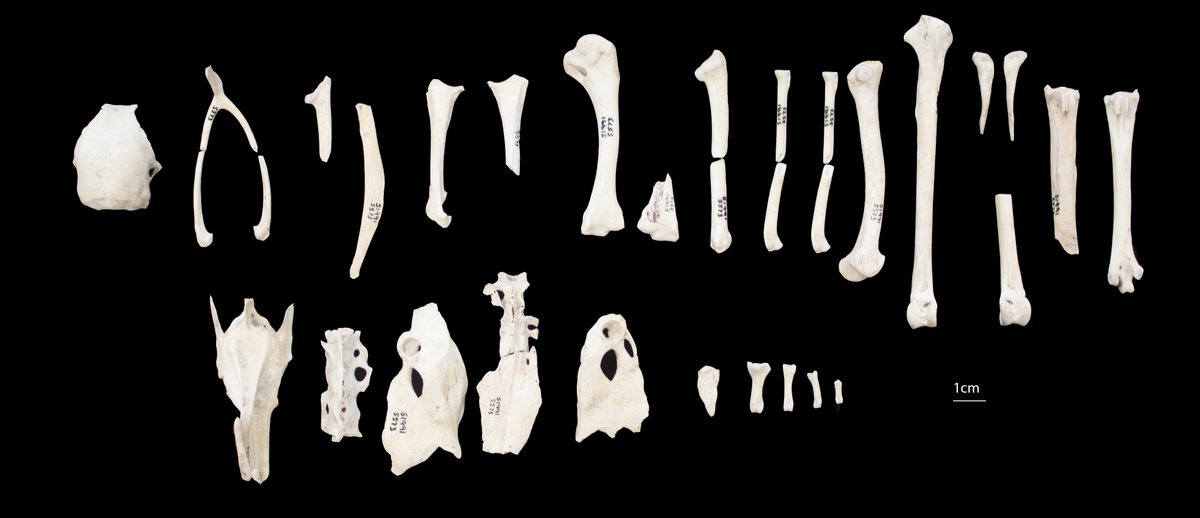
🦴 An international team of researchers employed radiocarbon dating on bones from 2️⃣3️⃣ of the earliest claimed chickens. This is the first time a programme of direct dating has been systematically applied to them.
More on our website ➡️ https://t.co/0FdbMGDZc2
🐔 Chickens were introduced to Britain, mainland Europe, & North Africa later than previously thought & were primarily regarded as exotica not food, new research from @CUHistArchRel suggests.
🎥 Lecturer in bioarchaeology Dr Julia Best - @estalwin - discusses the findings.
@cardiffuni@CUHistArchRel If you want to learn more about these wonderful chickens, both of our new papers are open access (free!) and can be found in Antiquity (https://t.co/JESb1DqFkQ) and PNAS (https://t.co/SRdXMNFt5X). Here you can see that Iron Age hen and her injured leg (second bone from the right)
@Roud7734@romanpalace@newscientist I'm not very good with twitter, but see my twitter thread here: https://t.co/5PMGpRnBQa
And this article for a little more on the human-chicken interactions: https://t.co/TVrz3LmThD
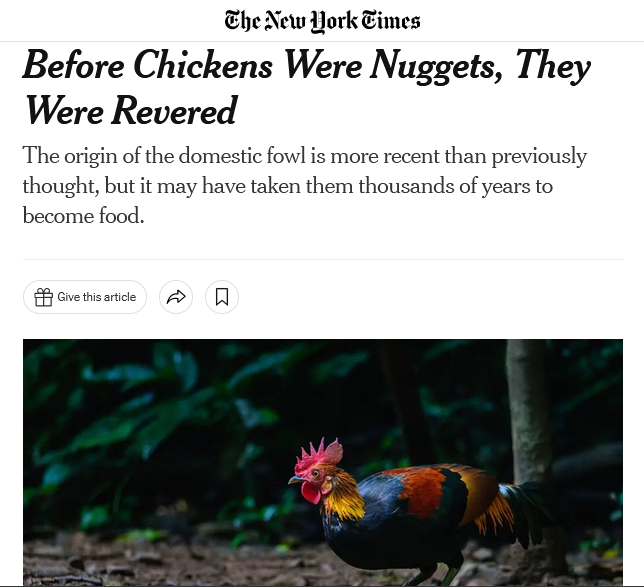
This brilliant piece just out https://t.co/FtcXftOV9F draws together our exciting new research from PNAS (https://t.co/SRdXMNFt5X) & Antiquity (https://t.co/JESb1DqFkQ). With @ArchaeOphelie @Greger_Larson @ProfNaomiSykes Joris Peters, Mark Maltby & many more. Thread of 19 tweets:
@Roud7734@romanpalace@newscientist Some grave inclusions are likely food offerings (as explored in our papers). Many of the earliest chickens are buried alone & unbutchered. And many of the early co-burials are strongly gendered (males w/ cockerels, females w/ hens). So it is more accurate to say not *just* food