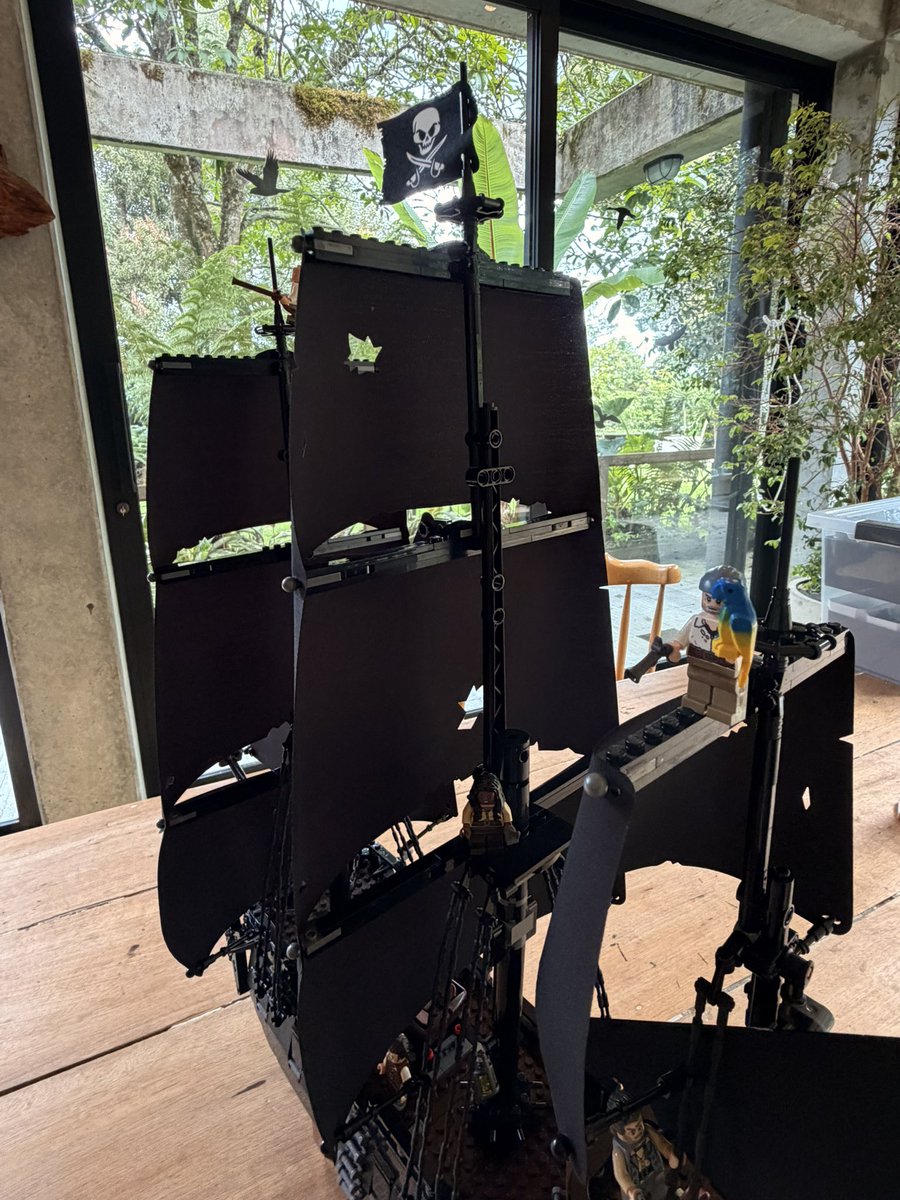
Just finished assembling the “black pearl” Lego ship.
2,862 pieces of the greatest detail.
What amazes me most is that the sections with more detail are only available to the builder, in this case me.
Once finished you have to actually disassemble to be able to see those sections.
Lego never stops amazing me 🤓🤓.
#lego
Launching and running events got way easier with our brand new MCP.
You can plug Claude, Codex, Grok or any other Agent and reap the benefits of supercharged intelligence when managing your events.
You can have a team of agents helping you with hundreds of daily tasks while you focus on what matters most: Creating a great experience with great content.
To learn more:
https://t.co/eQtLs3gsti
@lubinho_k Nice article and couldn’t agree more.
Liked this sentence very much:
“AI makes the execution faster, but the edge still comes from you”.
Thanks for this content ✨✨
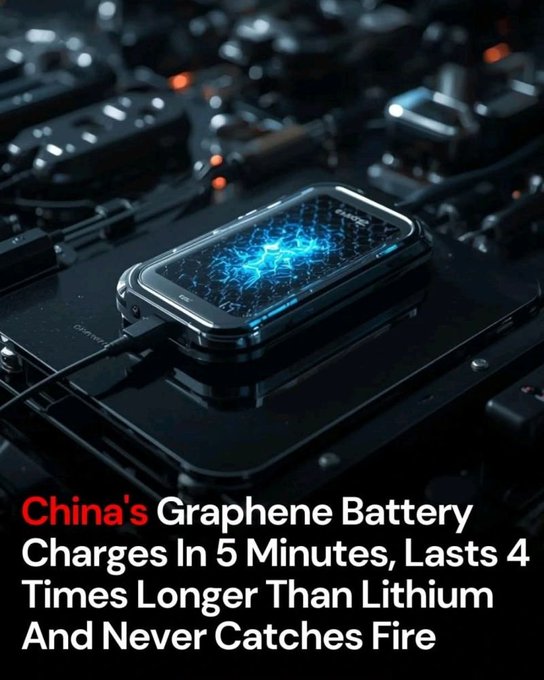
In the race for safer, faster, and longer-lasting energy storage, Chinese researchers have created a battery that could change everything — a graphene-based battery that fully charges in just five minutes and lasts four times longer than lithium-ion designs.
Graphene, a single layer of carbon atoms arranged in a honeycomb lattice, is the strongest and most conductive material known. This structure allows electrons to move 100 times faster than in copper, drastically cutting charging times while keeping temperatures stable. Unlike lithium cells, graphene batteries are non-flammable, solving one of the biggest problems in electric vehicles and portable devices — overheating and explosion risk.
Tests show that even after 3,500 full charge cycles, these batteries retain most of their capacity, while standard lithium batteries lose significant power after about 800 cycles. They also perform better in extreme weather, making them ideal for electric vehicles, drones, and even aerospace systems.
Big fan of @PeterDiamandis and the Moonshots podcast. As an @openclaw user, this article hit close to home.
But reading about it only goes so far — you really need to download, install, and use it. That’s when the insights start flooding in.
This article was a breath of fresh air.
I spend a lot of time thinking about the future of @Eventtia in the AI era — how we keep thriving, how we stay relevant.
Negative headlines sell, and it's hard not to internalize them when they're about the thing you've poured years of energy into building.
But pieces like this remind me why I'm optimistic.
https://t.co/vrecaVbWjJ
This article was a breath of fresh air.
I spend a lot of time thinking about the future of @Eventtia in the AI era — how we keep thriving, how we stay relevant.
Negative headlines sell, and it's hard not to internalize them when they're about the thing you've poured years of energy into building.
But pieces like this remind me why I'm optimistic.
https://t.co/vrecaVbWjJ
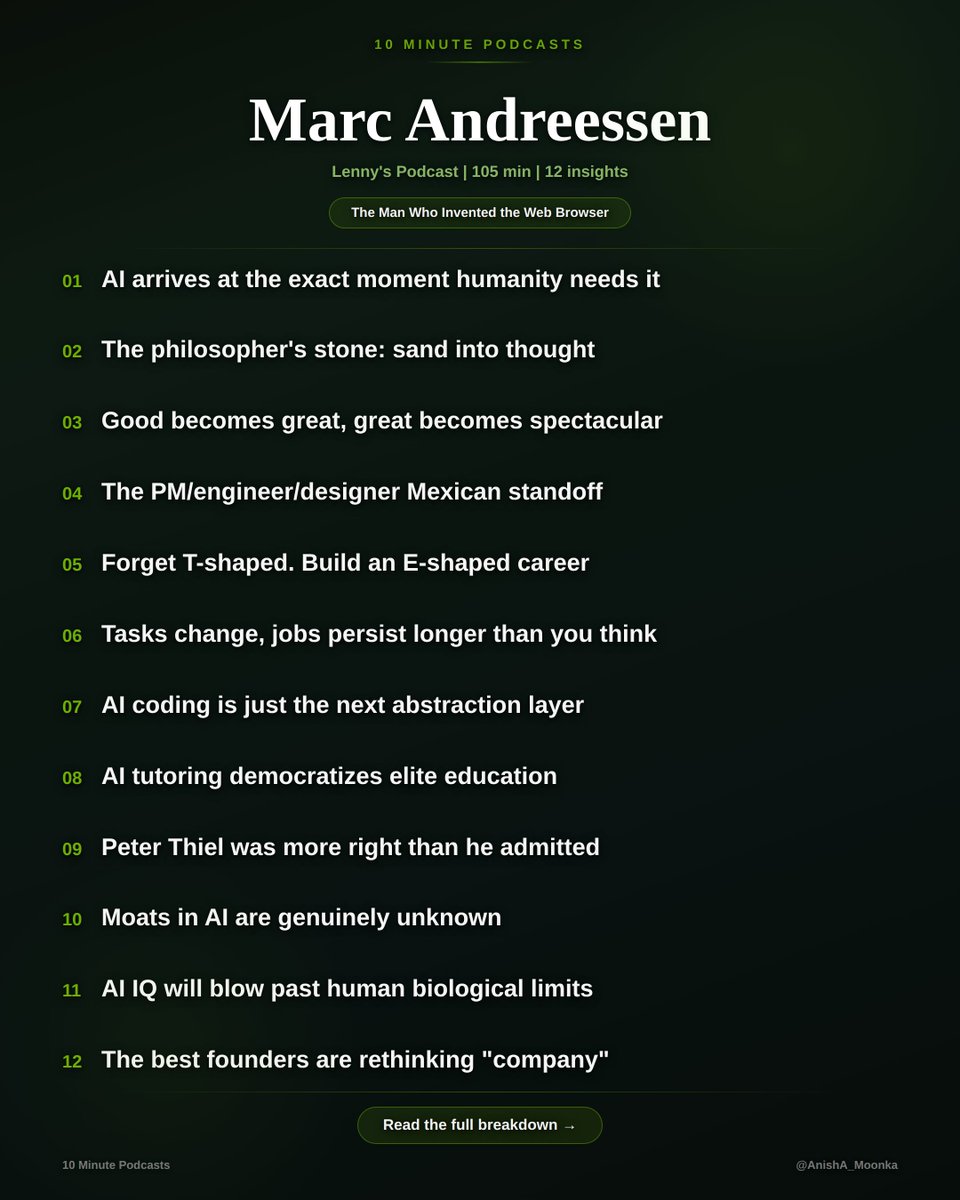
Marc Andreessen just dropped ~105 mins on Lenny's Podcast covering AI, jobs, careers, and why everyone is panicking about the wrong thing.
Just the clearest macro framework I've heard on where AI actually lands.
My notes:
𝟭. 𝗔𝗜 𝗶𝘀 𝗮𝗿𝗿𝗶𝘃𝗶𝗻𝗴 𝗮𝘁 𝘁𝗵𝗲 𝗲𝘅𝗮𝗰𝘁 𝗺𝗼𝗺𝗲𝗻𝘁 𝗵𝘂𝗺𝗮𝗻𝗶𝘁𝘆 𝗻𝗲𝗲𝗱𝘀 𝗶𝘁.
US productivity growth has been running at half the rate of the 1940-1970 era and a third the rate of 1870-1940. The global population is declining below replacement in dozens of countries, including China. Without AI, we would be panicking about economies shrinking from depopulation, not job loss.
The timing is almost miraculous. This is what Andreessen means when he says the real boom has not started yet. We have been in a 50-year productivity drought, and most people do not even realize it.
𝟮. 𝗔𝗜 𝗶𝘀 𝘁𝗵𝗲 𝗽𝗵𝗶𝗹𝗼𝘀𝗼𝗽𝗵𝗲𝗿'𝘀 𝘀𝘁𝗼𝗻𝗲.
Isaac Newton spent decades trying to transmute lead into gold and never succeeded. AI does something more powerful: it converts sand (silicon) into thought. The most common material in the world is the rarest output.
This one metaphor reframes the entire AI conversation. You do not have a job loss problem. You have a philosopher's stone sitting on your desk that you are not using enough.
𝟯. 𝗔𝗜 𝗺𝗮𝗸𝗲𝘀 𝗴𝗼𝗼𝗱 𝗽𝗲𝗼𝗽𝗹𝗲 𝘃𝗲𝗿𝘆 𝗴𝗼𝗼𝗱, 𝗮𝗻𝗱 𝘃𝗲𝗿𝘆 𝗴𝗼𝗼𝗱 𝗽𝗲𝗼𝗽𝗹𝗲 𝘀𝗽𝗲𝗰𝘁𝗮𝗰𝘂𝗹𝗮𝗿𝗹𝘆 𝗴𝗿𝗲𝗮𝘁.
The best coders right now are not reporting 2x productivity. They are reporting 10x. The gap between "pretty good with AI" and "elite with AI" is widening, not narrowing.
This is the most important signal for career planning right now. If you are just using AI to do the same job slightly faster, you are leaving the real leverage on the table.
𝟰. 𝗧𝗵𝗲𝗿𝗲'𝘀 𝗮 𝗠𝗲𝘅𝗶𝗰𝗮𝗻 𝘀𝘁𝗮𝗻𝗱𝗼𝗳𝗳 𝗯𝗲𝘁𝘄𝗲𝗲𝗻 𝗣𝗠𝘀, 𝗲𝗻𝗴𝗶𝗻𝗲𝗲𝗿𝘀, 𝗮𝗻𝗱 𝗱𝗲𝘀𝗶𝗴𝗻𝗲𝗿𝘀.
Every engineer now thinks they can be a PM and designer. Every PM thinks they can code and design. Every designer knows they can do both. And they are all correct, because AI enables each role to absorb the tasks of the other two.
I have seen this firsthand in the investing world. The analyst who can build models and write narratives is 5x more valuable than someone who can do only one. The same convergence is happening in the product.
𝟱. 𝗙𝗼𝗿𝗴𝗲𝘁 𝗧-𝘀𝗵𝗮𝗽𝗲𝗱. 𝗕𝘂𝗶𝗹𝗱 𝗮𝗻 𝗘-𝘀𝗵𝗮𝗽𝗲𝗱 𝗰𝗮𝗿𝗲𝗲𝗿.
Scott Adams could not have created Dilbert by being the world's best cartoonist or the world's best business mind. He needed both. The additive effect of two skills is more than double. Three skills are more than triple. Larry Summers puts it differently: don't be fungible.
The person who can code, design, and ship a product is no longer a unicorn. They are the new baseline for "extremely valuable." If you are only one of those three things, you are increasingly replaceable.
𝟲. 𝗝𝗼𝗯𝘀 𝗮𝗿𝗲 𝗯𝘂𝗻𝗱𝗹𝗲𝘀 𝗼𝗳 𝘁𝗮𝘀𝗸𝘀. 𝗧𝗮𝘀𝗸𝘀 𝗰𝗵𝗮𝗻𝗴𝗲. 𝗝𝗼𝗯𝘀 𝗽𝗲𝗿𝘀𝗶𝘀𝘁.
Executives never typed their own emails in the 1970s. Secretaries printed incoming emails and hand-delivered them. Both roles survived the transition, just with different task sets. The same will happen with AI and coding, PM work, and design.
Everyone obsessing over "will my job disappear" is asking the wrong question. The right question is: which tasks in my job are about to rotate, and am I ready to pick up the new ones?
𝟳. 𝗔𝗜 𝗰𝗼𝗱𝗶𝗻𝗴 𝗶𝘀 𝗷𝘂𝘀𝘁 𝘁𝗵𝗲 𝗻𝗲𝘅𝘁 𝗮𝗯𝘀𝘁𝗿𝗮𝗰𝘁𝗶𝗼𝗻 𝗹𝗮𝘆𝗲𝗿.
We went from human calculators to machine code to assembly to C to scripting languages. Each layer was dismissed by the previous generation. Each time, the new layer won, and total coding employment grew. AI coding is the same pattern, not a rupture.
The Perl programmers of 2005, laughing at JavaScript, are the C programmers of 1995, laughing at scripting. History rhymes, and it always rewards the people who adopt the next abstraction first.
𝟴. 𝗔𝗜 𝘁𝘂𝘁𝗼𝗿𝗶𝗻𝗴 𝗱𝗲𝗺𝗼𝗰𝗿𝗮𝘁𝗶𝘇𝗲𝘀 𝗲𝗹𝗶𝘁𝗲 𝗲𝗱𝘂𝗰𝗮𝘁𝗶𝗼𝗻.
One-on-one tutoring is the only method proven to move a student from the 50th to the 99th percentile (Bloom's two sigma effect). It used to require being born into royalty. Alexander the Great was tutored by Aristotle. Now, any kid with a phone can access the same quality of personalized instruction.
This is the most under-discussed consequence of AI. Every parent reading this should be supplementing their kid's education with structured AI tutoring right now. Not next year. Now.
𝟵. 𝗣𝗲𝘁𝗲𝗿 𝗧𝗵𝗶𝗲𝗹 𝘄𝗮𝘀 𝗺𝗼𝗿𝗲 𝗿𝗶𝗴𝗵𝘁 𝘁𝗵𝗮𝗻 𝗔𝗻𝗱𝗿𝗲𝗲𝘀𝘀𝗲𝗻 𝗼𝗿𝗶𝗴𝗶𝗻𝗮𝗹𝗹𝘆 𝗮𝗱𝗺𝗶𝘁𝘁𝗲𝗱.
Progress in bits masked stagnation in atoms. The built world is barely different from 50 years ago. Same bridges from the 1930s, same dams from the 1910s. Cartels, monopolies, unions, and regulations prevent the rate of change that people had 100 years ago.
This is also why AI will not transform everything overnight. Institutional sclerosis is real. Healthcare alone could take a generation. If you are building in atoms, budget for a war of attrition, not a blitzkrieg.
𝟭𝟬. 𝗠𝗼𝗮𝘁𝘀 𝗶𝗻 𝗔𝗜 𝗮𝗿𝗲 𝗴𝗲𝗻𝘂𝗶𝗻𝗲𝗹𝘆 𝘂𝗻𝗸𝗻𝗼𝘄𝗻.
Within a year of ChatGPT's launch, five American companies, five Chinese companies, and open-source all had roughly equivalent models. DeepSeek emerged from a hedge fund in China and basically replicated the American labs' work. The smartest AI insiders privately admit there aren't many real secrets among the big labs.
This is the most honest take I have heard from a top-tier VC. No one knows if the value accrues to models, apps, or infrastructure. Anyone who tells you otherwise is selling you certainty they do not have.
𝟭𝟭. 𝗔𝗜 𝗜𝗤 𝘄𝗶𝗹𝗹 𝗯𝗹𝗼𝘄 𝗽𝗮𝘀𝘁 𝗵𝘂𝗺𝗮𝗻 𝗹𝗶𝗺𝗶𝘁𝘀.
Human IQ caps around 160 because of biology. Current AI models test around 130-140. There is no theoretical ceiling stopping AI from reaching 200, 250, or 300. The concept of AGI as a "human equivalent" will be a footnote because AI will race past that threshold.
This is the frame that makes the "will AI take my job" debate feel small. We are not building a replacement for human thought. We are building something that will be better than the best human thought has ever been.
𝟭𝟮. 𝗧𝗵𝗲 𝗯𝗲𝘀𝘁 𝗳𝗼𝘂𝗻𝗱𝗲𝗿𝘀 𝗮𝗿𝗲 𝗿𝗲𝘁𝗵𝗶𝗻𝗸𝗶𝗻𝗴 𝘄𝗵𝗮𝘁 𝗮 𝗰𝗼𝗺𝗽𝗮𝗻𝘆 𝗲𝘃𝗲𝗻 𝗶𝘀.
Layer one: AI redefines products. Layer two: AI redefines jobs within companies. Layer three, which has not dropped yet: AI redefines the very concept of having a company. The holy grail is the one-person, billion-dollar outcome, and the best founders are chasing it.
Satoshi did it with Bitcoin. Instagram and WhatsApp came close with tiny teams. The question is no longer if this is possible with software. The question is how many of these we will see in the next five years.
AI is the philosopher's stone. The question is whether you pick it up.
The full podcast is worth your time. Link in replies.
It’s an interesting point of view.
What I’m not sure for example is that everyone is going to build their own tools.
I’d prefer to pay 12k to slack per year and have a team of expert engineers doing all the heavy lifting for me rather than having to pay hosting, maintain, upgrade, etc, etc and pay the same 12k per year with more work and more things to track.
I know this could be done by an agent, but even there compute will be a constraint, and the decision will be where to put those agents to work, because the constraint will be the compute and the energy.
Chinese engineers literally refactored @OpenClaw in Go for insane efficiency 🤯
It runs on a $10 @Raspberry_Pi instead of a $399 Mac mini.
→ Uses <10 MB of memory (99% smaller than OpenClaw)
→ 400× faster startup time
→ Boots in 1 second
Free and open source, repo in 🧵↓
I’m reposting this article because I just found it fascinating, well researched and articulated in why this is not the end of SaaS, but rather a boost to it.
There will be changes and challenges? Yes !
Some SaaS will be disrupted ? Yes..
Dario Amodei just revealed the operating standard that’s about to make most companies obsolete, and they won’t see it coming.
Amodei, CEO of Anthropic: “There is zero time for feeling like we’re productive when we’re not.”
Not productivity tips. Organizational survival requirements at companies maintaining 10x revenue growth.
At that velocity, fake work kills you. Meetings that produce no decisions. Activity that looks like progress. Documentation nobody reads. Processes that exist because killing them requires admitting they were always pointless.
All of it becomes instantly unaffordable.
Amodei: “There is zero time for bullshit.”
10x annual growth means every hour not shipping product is friction that compounds into failure. Waste tolerance doesn’t reduce gradually. It collapses to zero.
Amodei: “We are trying to keep a 10x revenue curve going.”
Not a goal. A requirement forcing elimination of everything that doesn’t directly produce output.
AI doesn’t optimize this. It exposes it. Most meetings vanish because the AI already synthesized the discussion. Most documentation dies because the AI answers the questions it would have addressed. Most process reveals itself as theater when tools show what actual productivity produces.
Amodei: “These tools make us more productive.”
Only if you use them to ship instead of optimizing the performance of shipping.
Here’s what breaks: AI makes real work so efficient that fake work becomes impossible to disguise. The gap between busy and effective stops being subjective. It becomes measurable, obvious, and fatal.
You can’t hide behind process when the tool shows output. Can’t justify time on activities that feel productive but create nothing. The efficiency contrast becomes too stark to rationalize.
This isn’t Anthropic’s culture. This is what happens to every organization once AI productivity becomes standard.
Companies operating at 10x velocity set the new baseline. Every competitor either matches that output level or becomes irrelevant. There’s no gradual transition. Just sudden noncompetitiveness.
Organizations still tolerating fake work when this becomes industry standard won’t get warned. They’ll just start losing to competitors who eliminated waste, and by the time they understand why, the gap will be permanent.
AI doesn’t make all organizations better. It makes the distance between efficient and inefficient unbridgeable. It turns productivity differences from competitive disadvantages into extinction events.
That separation is happening right now. Most organizations just can’t see it yet because they’re still comparing themselves to other slow-moving organizations instead of the ones operating at new-possible velocities.
When the comparison becomes unavoidable, when customers and talent start choosing based on output speed enabled by zero-waste operations, there’s no catching up. You either built that capability before it became mandatory or you didn’t, and the ones who didn’t just become legacy infrastructure waiting to be replaced.
The standard Amodei described isn’t aspirational. It’s the entry price for remaining competitive. And that price just became non-negotiable for anyone trying to operate in the same economy as companies that learned to eliminate every hour not spent shipping.
WebMCP is available for early preview → https://t.co/bZMcANfg37
WebMCP aims to provide a standard way for exposing structured tools, ensuring AI agents can perform actions on your side with increased speed, reliability, and precision.