#NuestraHistoriaEn365Acontecimientos Día 172. Tratado de Valençay. 11 de diciembre de 1813. Napoleón Bonaparte ponía fin a la ocupación francesa de España y reconocía a Fernando VII como legítimo rey. Marcó el final de la Guerra de la Independencia Española. #Historia
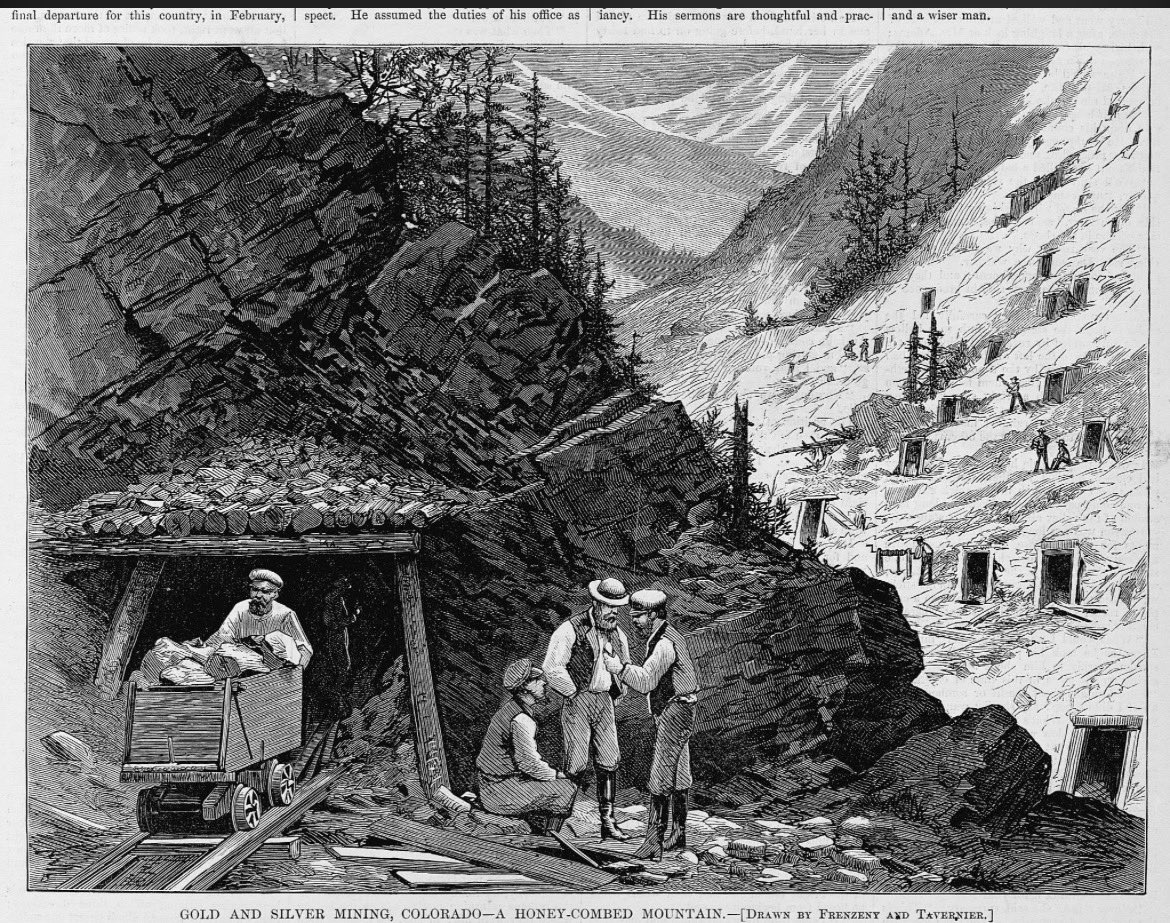
Antioquia fue una de las primeras regiones de Colombia en usar tecnología de vapor en minería. Algunas minas instalaron máquinas importadas para drenar agua y mover molinos, algo revolucionario para la época.
Durante los siglos XVIII y XIX, Antioquia no solo era la región que más oro extraía en la Nueva Granada, sino que su producción fue un pilar fundamental para financiar las campañas de independencia de Simón Bolívar.
Catarina de Aragão: a rainha católica que mudou a história da Inglaterra
Catarina de Aragão (nome de batismo Catalina de Aragón y Castilla) foi uma princesa espanhola que se tornou a primeira esposa do rei Henrique VIII (Henry VIII, r. 1509–1547 d.C.) da Inglaterra. Seu casamento com Henrique VIII durou 24 anos e eles tiveram seis filhos, mas somente Maria (Mary) chegou à vida adulta. Catarina foi uma governante inteligente e respeitada, devota ao marido e à sua fé católica.
https://t.co/AXMwki23vN
The Lchashen Wagon, discovered in the Lchashen area of Armenia near Lake Sevan, an extraordinary archaeological find....
This 4,000-year-old wagon, crafted entirely from oak wood, dates back to the Bronze Age. It is one of the oldest known wheeled vehicles in existence, showcasing advanced woodworking techniques such as mortise and tenon joints. The wagon’s preservation is remarkable, offering valuable insights into the technological capabilities and daily life of the people who inhabited the region during the 2nd millennium BC.
The exceptional preservation of the Lchashen Wagon can be attributed to a combination of factors: the protective environment of the burial mound, stable climate and soil conditions, the durability of oak wood, and the potential influence of burial customs. These conditions collectively created an ideal situation for the wagon to remain in an unusually well-preserved state, allowing it to serve as a significant historical artifact that highlights the sophistication and craftsmanship of ancient societies.
#drthehistories
🔴⚠️ AVISO ROJO | Lluvias torrenciales.
➡️ Peligro extraordinario en las provincias de Tarragona, Castellón y Valencia la tarde-noche del domingo y el lunes.
➡️ ¡Puede haber inundaciones y crecidas repentinas en cauces! Siga las recomendaciones de Protección Civil.
Medicina actualizada en la nube y basada en evidencia con las mejores técnicas de estudio para que repases, aprendas y recuerdes todo lo que lees. Con diferentes paquetes dependiendo de tu objetivo. Eso es Memodi. Android: https://t.co/SLzIAHxZXW iOS: https://t.co/ITaQSzfuU9
Como sois muchos los interesados que nos habéis escrito por privado para pedir acceso a la escuela de verano directamente dejamos en el siguiente tweet el enlace de acceso a las reuniones. Recordad cada día de lunes a viernes a las 8.30 de la mañana (UTC +2).
Indeed, the discovery of a 2000 year-old Thracian chariot with horse skeletons in Bulgaria is a significant archaeological find that sheds light on the rich burial traditions and beliefs of the ancient Thracians. These discoveries are relatively common in Bulgaria, which was once the heartland of ancient Thrace, an area known for its powerful and enigmatic civilization.
The specific find you're likely referring to was unearthed in 2008 near the village of Karanovo in southeastern Bulgaria, led by archaeologist Veselin Ignatov. This particular chariot was remarkably well-preserved, made of wood but intricately decorated with bronze plating, possibly depicting scenes from Thracian mythology. What made this discovery particularly compelling was the presence of two horse skeletons buried alongside the chariot, as well as the remains of a hunting dog and a Thracian nobleman dressed in armor, accompanied by valuable grave goods like gold coins, gold rings, and a silver cup.
This practice of burying noblemen with their chariots and horses was a prominent Thracian ritual, signifying the deceased's high social status, power, and prestige, and was believed to ensure their continued use in the afterlife. The horses were often sacrificed at the time of burial. These lavish burials, often in large burial mounds (tumuli), reflect the Thracian belief in a vibrant afterlife and the importance of accompanying the deceased with everything they would need for their journey beyond. Such discoveries are crucial for understanding Thracian culture, which, despite its influence, left behind few written records, making archaeological finds like these vital sources of information.
#archaeohistories