DSpace 9.2 on Windows made simple.
https://t.co/LQNTRQDrSs
Step-by-step install on Windows 10 & 11. No Linux needed. Copy-paste setup + tested workflow.
Ideal for librarians & institutions building digital repositories.
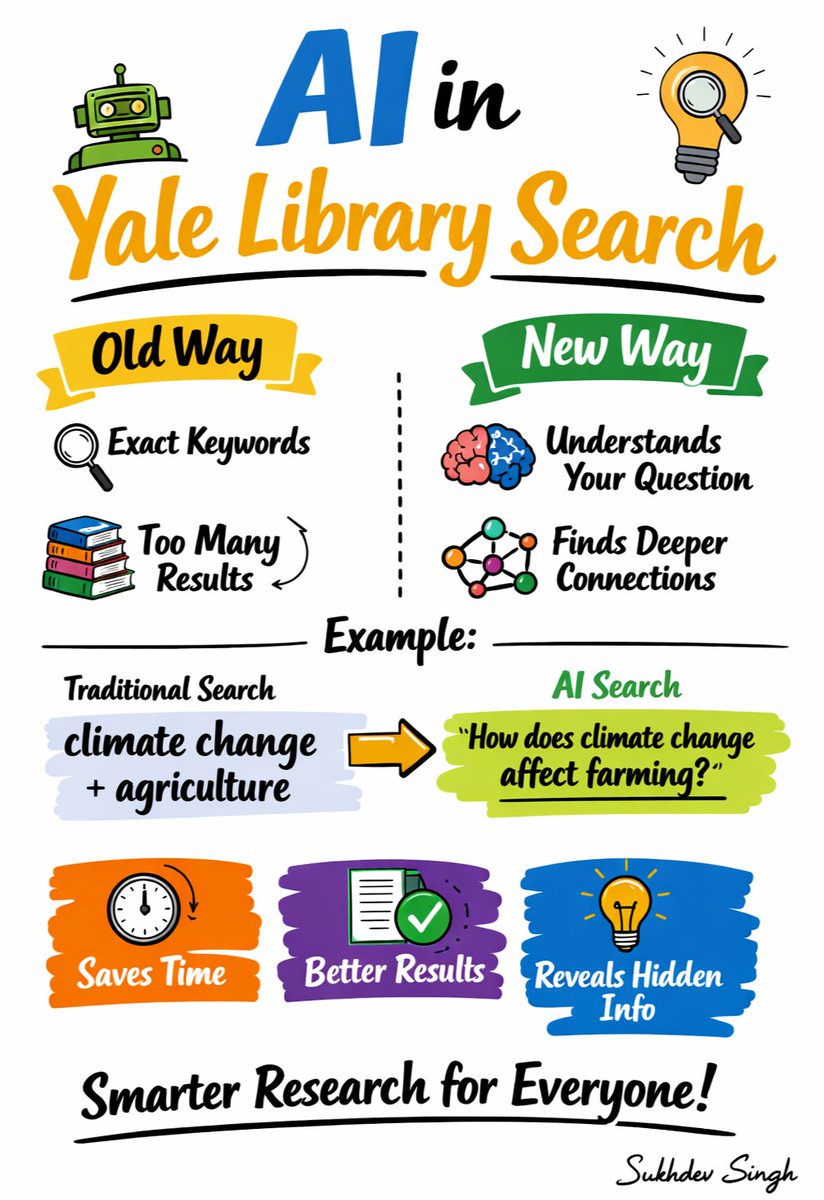
AI is transforming library search.
Yale is testing a system that understands intent, not just keywords.
Instead of searching “climate change agriculture,” you can ask:
“How does climate change affect farming?”
https://t.co/cbTCpdOZU4
Yale Library is testing AI-powered search that goes beyond keywords.
Instead of matching words, it understands intent and reveals deeper connections across research.
This shift could turn libraries into intelligent knowledge systems.
https://t.co/cbTCpdOZU4
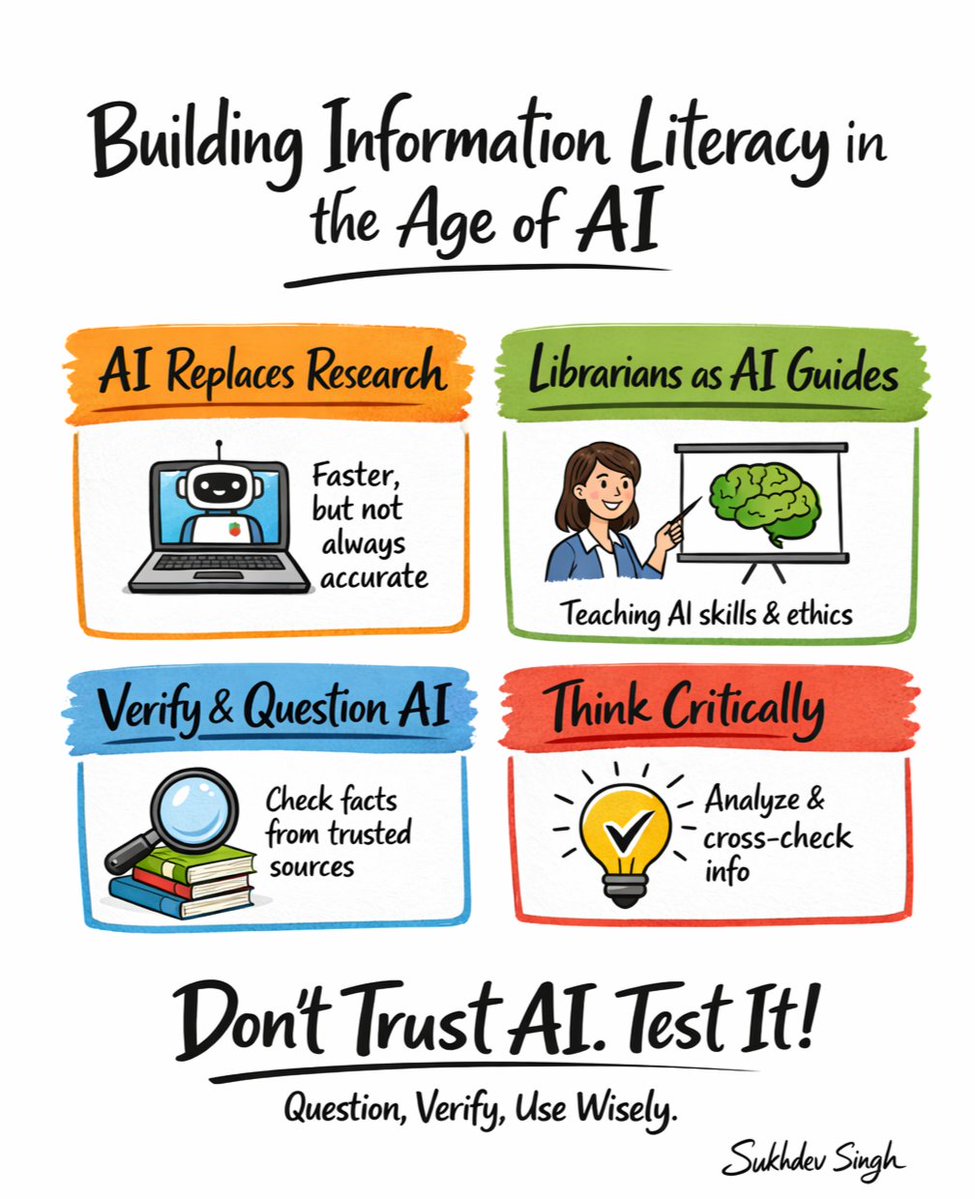
AI is changing how students find information—but not always for the better.
Information literacy now means:
• Questioning AI outputs
• Verifying facts
• Understanding bias
Don’t just use AI—learn to challenge it.
Read more:
https://t.co/ozWBxkPAgC
Libraries are shifting from AI adoption to AI governance.
Viewfinder toolkit launches. LLM audit shows minimal bias. UT issues AI policy. Nature calls librarians strategic partners. AI content rising. Human-in-the-loop leadership matters.
https://t.co/QvxFouwCzH
#AI4LIB
New tutorial: Use Custom GPT inside ChatGPT to auto-generate MARC records, create DDC classification numbers, and import directly into Koha. Reduce cataloguing time and improve consistency. Watch: https://t.co/HIKoIX9T2j
AI is transforming libraries.
Tools like NotebookLM, Elicit, Scite, and Consensus help librarians summarise research, verify evidence, and support users faster.
#AI#Libraries#AIinLibraries
Published a new tutorial showing the easiest method to install Koha Library Management Software.
This step-by-step guide helps librarians, students, and institutions install Koha without technical difficulty.
Watch here: https://t.co/VyK21fpIrZ
#Koha#LibraryAutomation
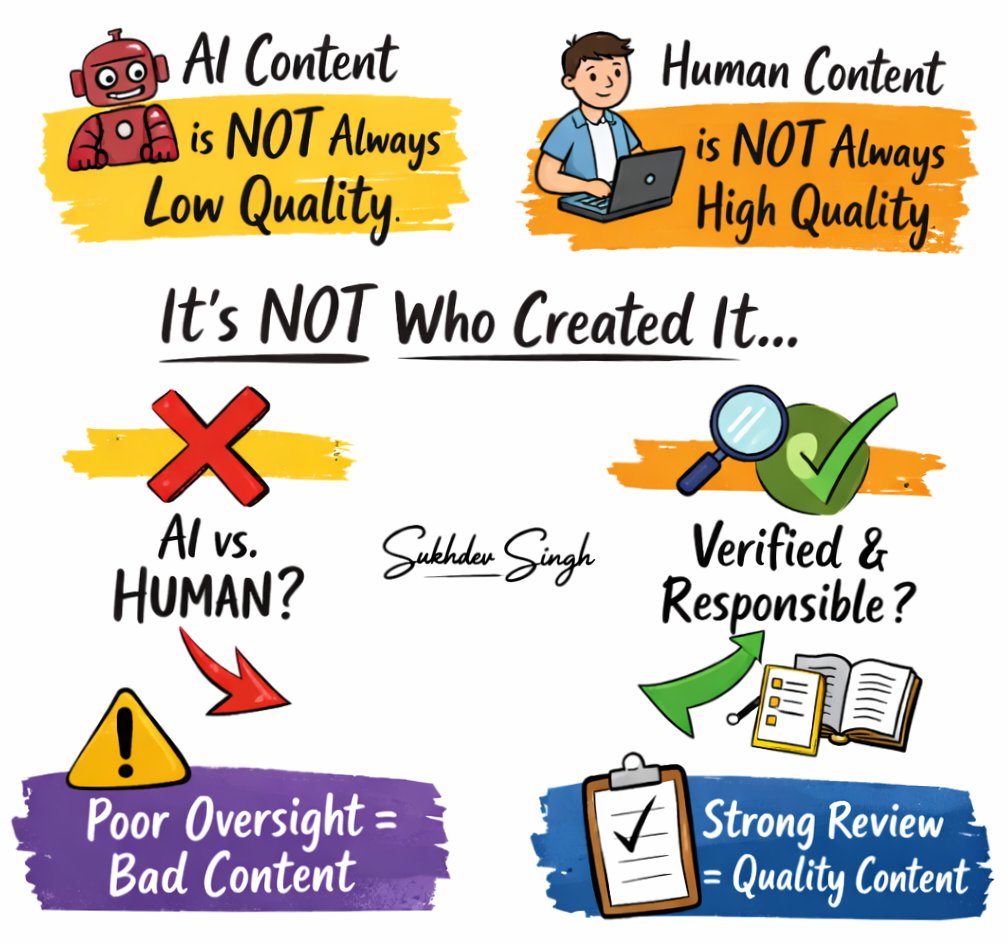
AI-generated content is not always low quality. Human-generated content is not always high quality.
The real question isn’t who created it — it’s whether it was reviewed, verified, and responsibly published.
Quality is about standards, not authorship.
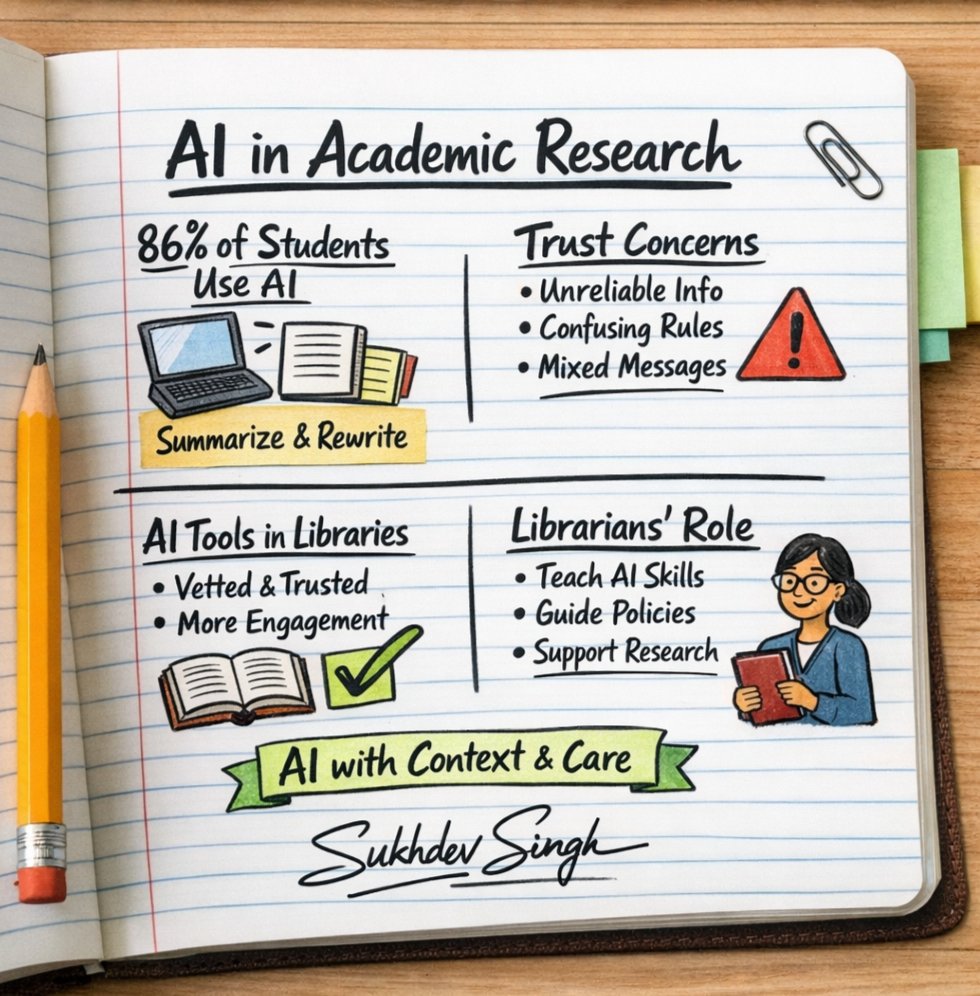
86 % of students use AI in research — mainly for summarizing and rewriting.
Students prefer open AI tools but worry about trust and unclear policies.
Library AI features boost engagement when paired with guidance.
Libraries must lead with AI literacy & clear policies.
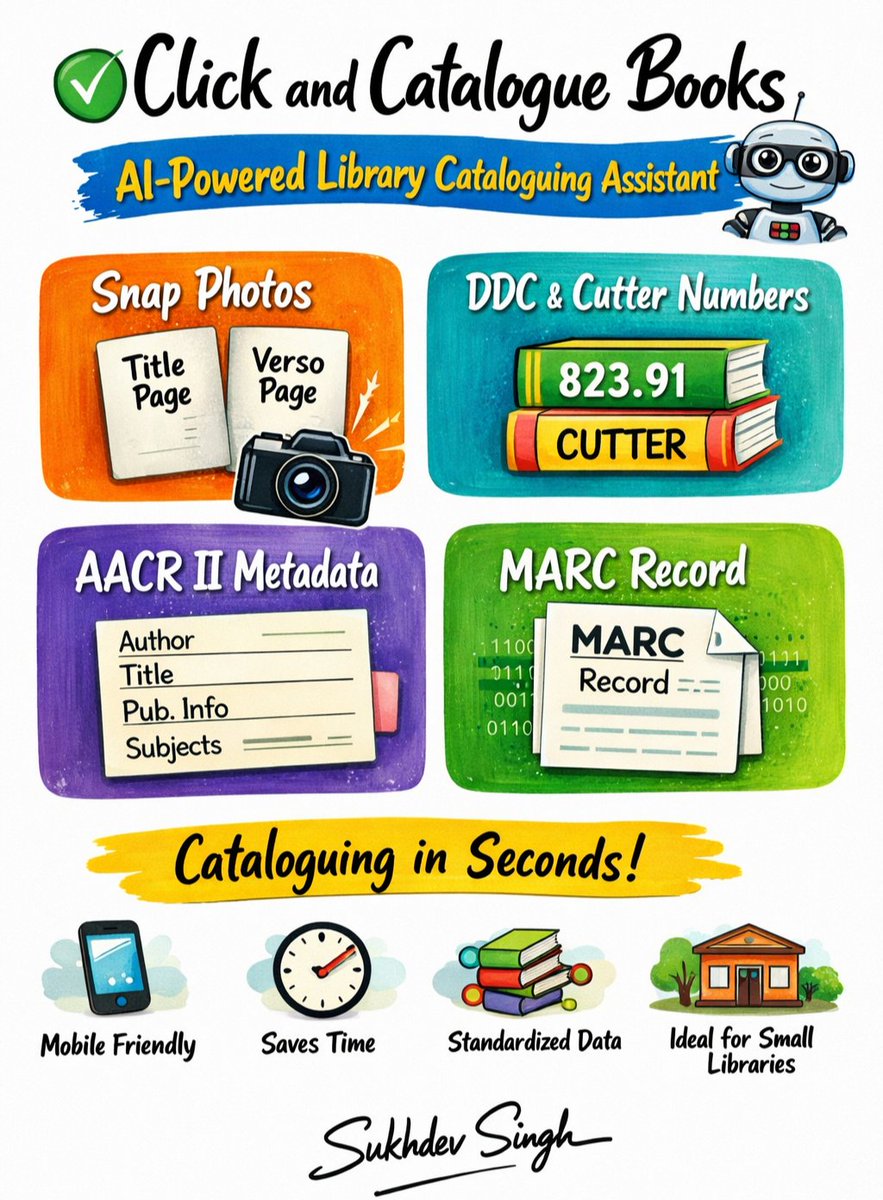
Click and Catalogue Books is a Custom GPT for librarians that automates book cataloguing using AI. From DDC classification and Cutter numbers to AACR II metadata and MARC records, hours of work are now done in seconds.
https://t.co/jkC4LY3ajA
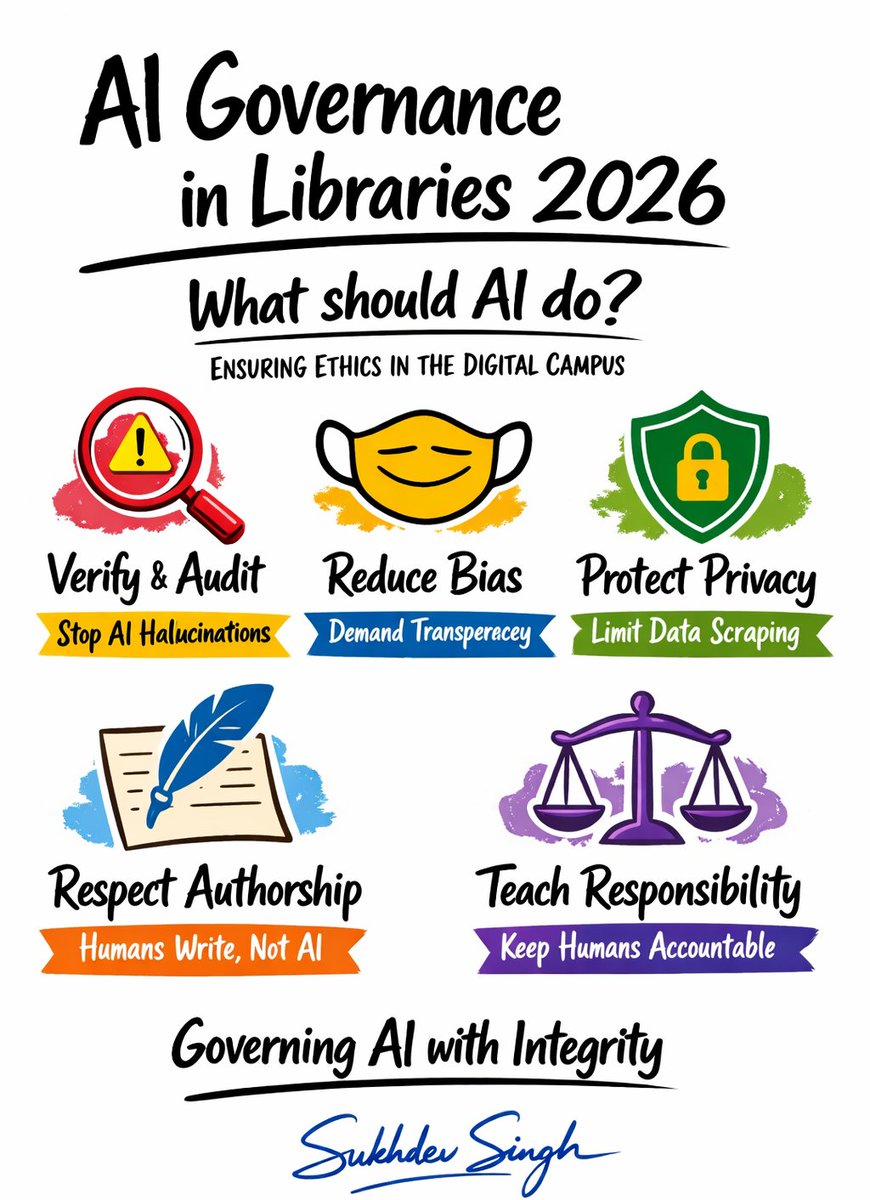
As AI becomes everyday infrastructure, libraries face a new question: not what AI can do, but what it should do.
AI governance now means verification, bias awareness, privacy protection, and keeping human responsibility at the center.
In 2026, the AI debate in libraries is no longer about adoption—it’s about governance.
AI already shapes discovery, writing, and teaching. Libraries now lead by governing quality, bias, and trust.
▶️ https://t.co/Ugf4VzlpMH
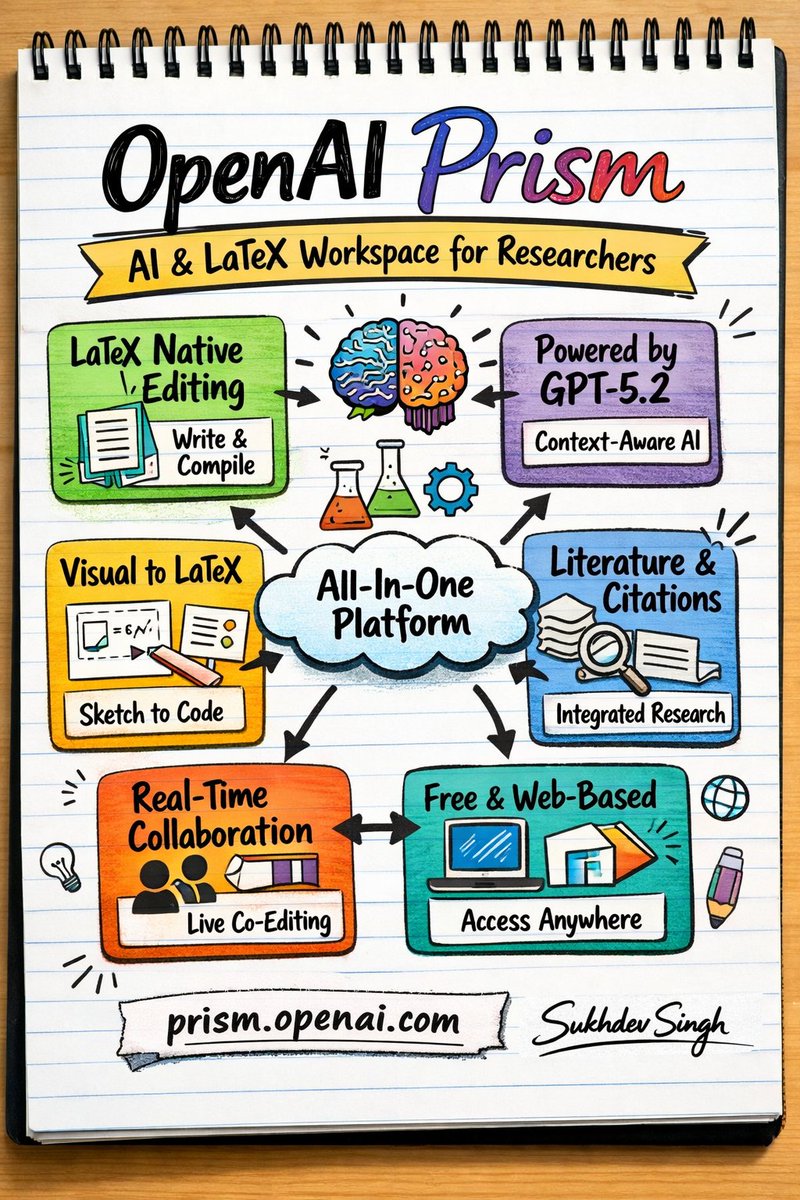
OpenAI has launched Prism — a free, AI-native, LaTeX-first workspace for researchers.
Powered by GPT-5.2, it combines writing, LaTeX editing, literature search, and real-time collaboration into one web-based tool.
https://t.co/80zrLF8v3X
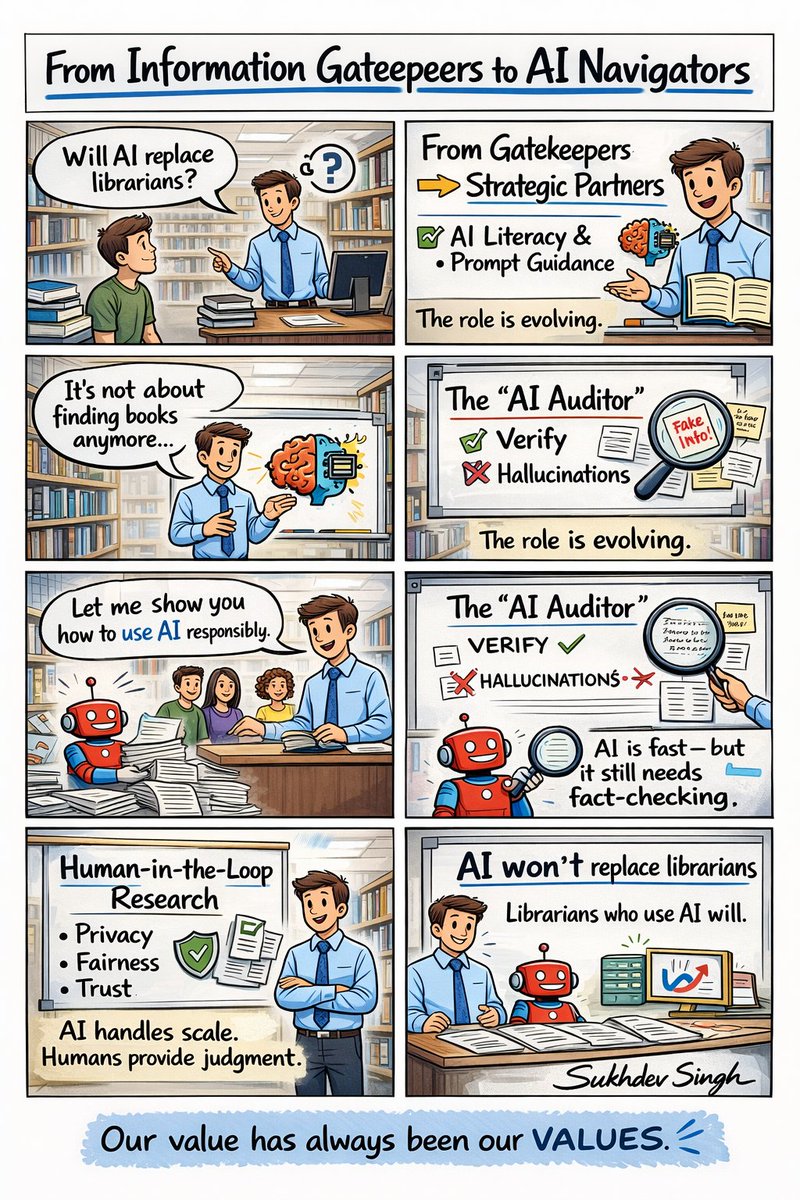
AI won’t replace librarians — but librarians who use AI will replace those who don’t.
From AI literacy and auditing to human-in-the-loop research and ethical governance, the profession is evolving, not disappearing.
AI4LIB Weekly Digest (19–25 Jan 2026):
Libraries are shifting from AI experimentation to judgement, governance, and trust. Ethics, human oversight, citation verification, and AI-first research spaces define responsible adoption.
https://t.co/Uy4DcvxjtS
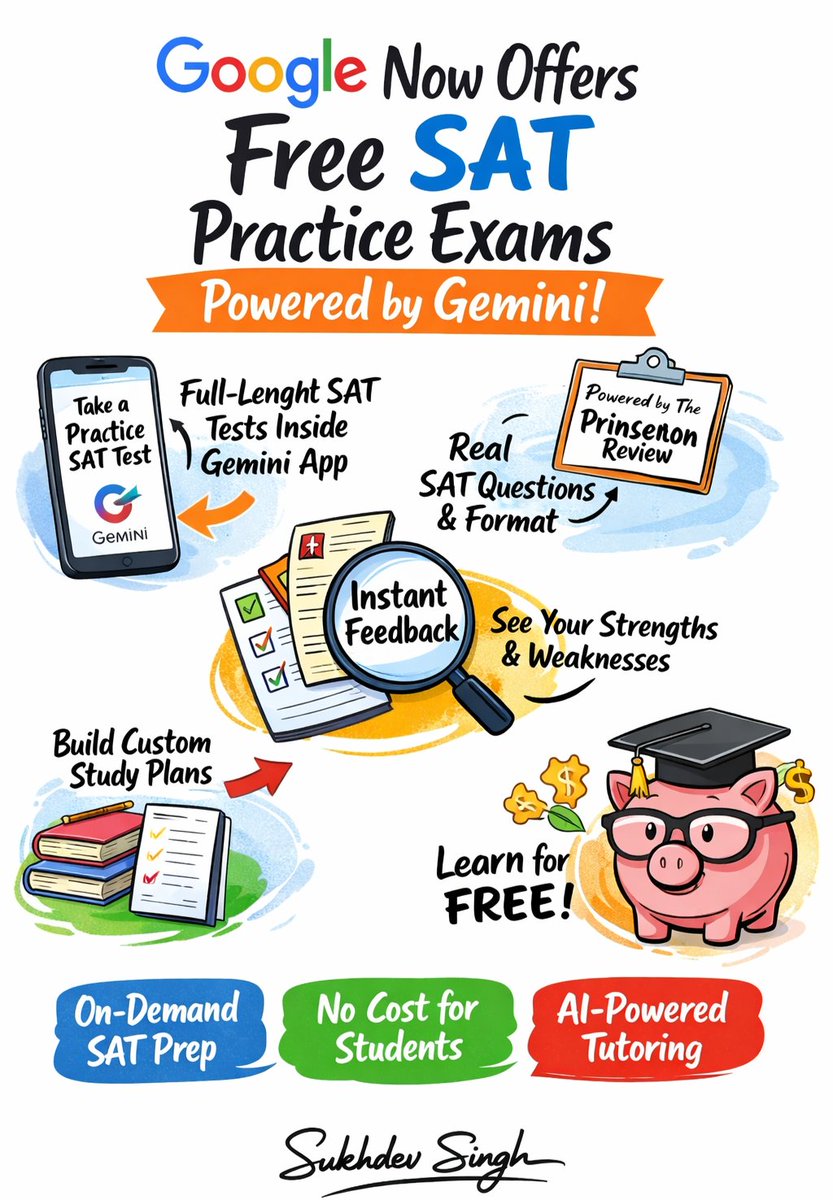
Google now offers free, full-length SAT practice exams inside the Gemini app.
Real SAT-style questions. Instant feedback and analysis. Personalised study plans. No cost barriers.
A clear signal of where AI-led learning support is headed.
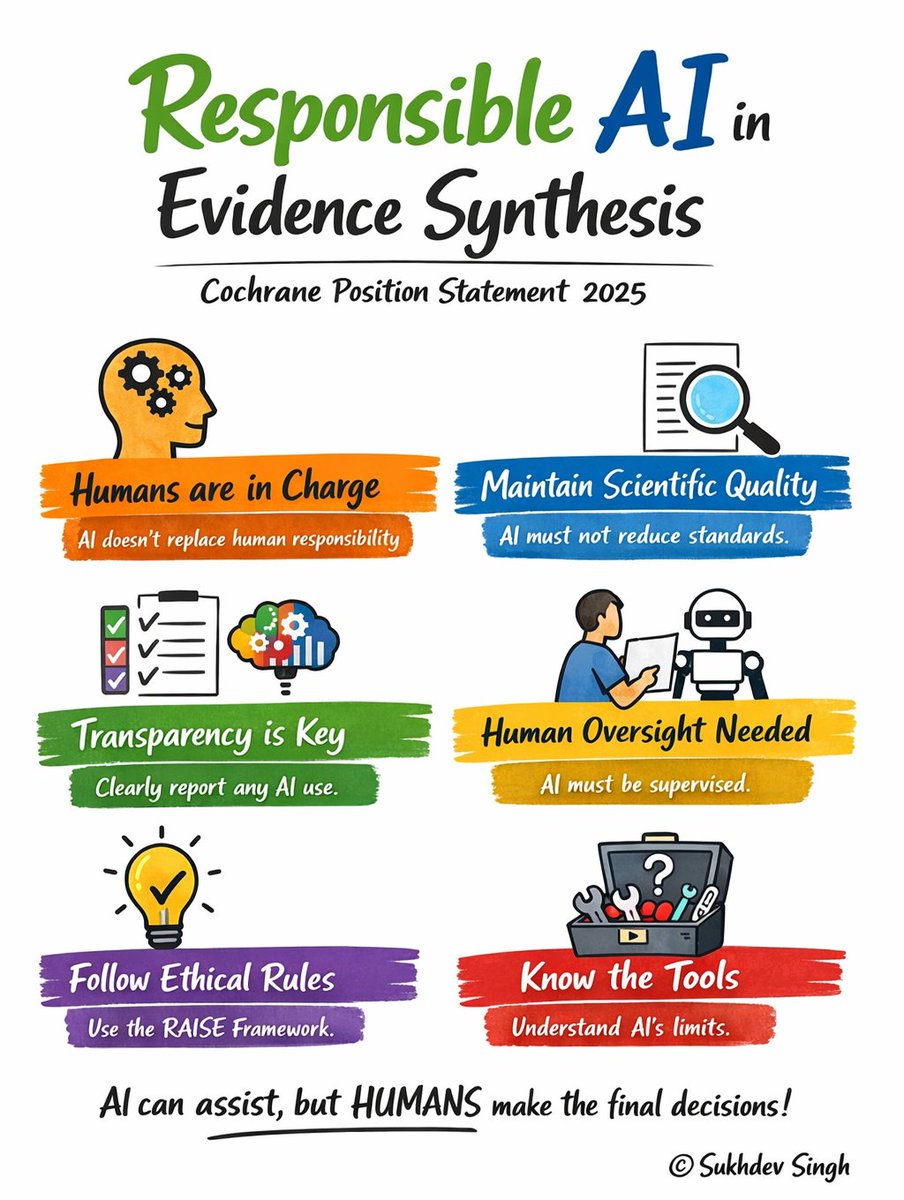
Cochrane (2025) states that AI can support evidence synthesis, but humans remain fully responsible. AI must not reduce quality, must have human oversight, and must be transparently reported to maintain trust in evidence.
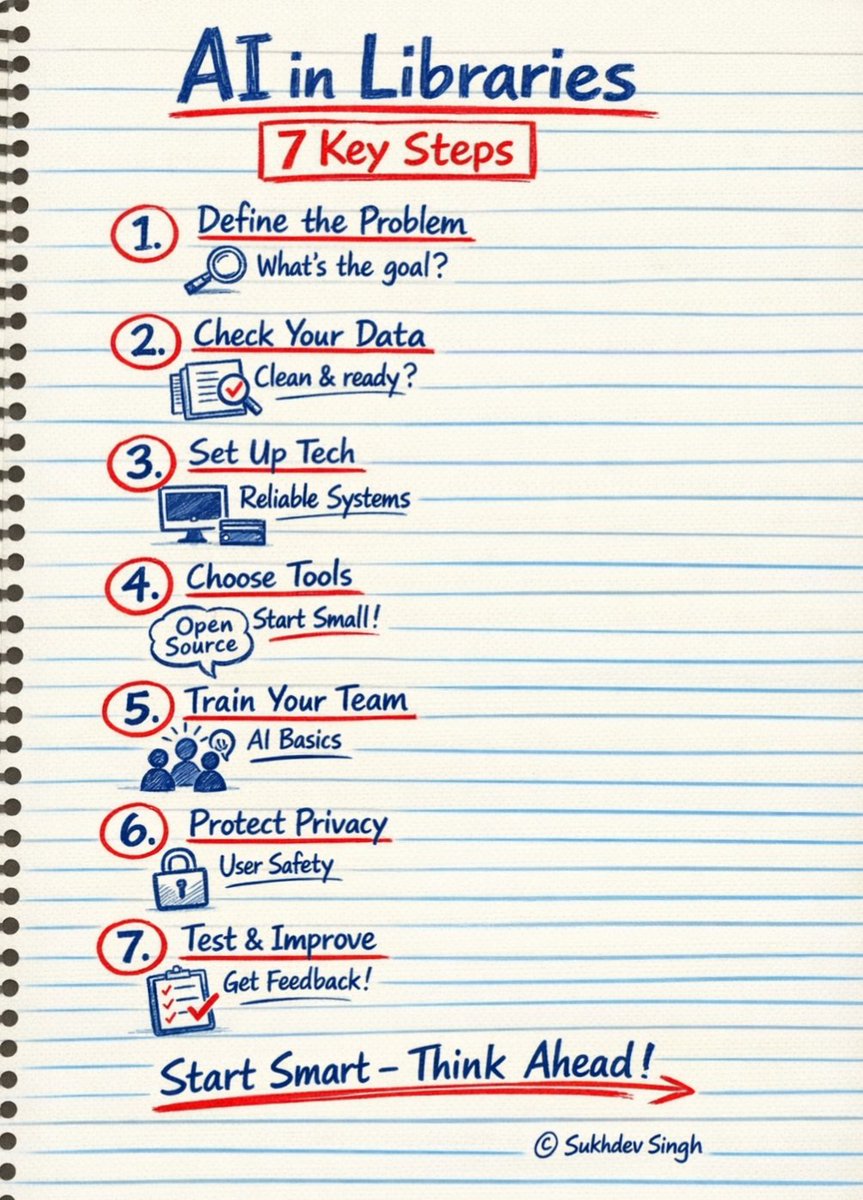
AI adoption in libraries works best with a checklist:
define the problem, prepare data, choose open tools, train staff, protect user privacy, pilot before scale, measure impact, and document everything.
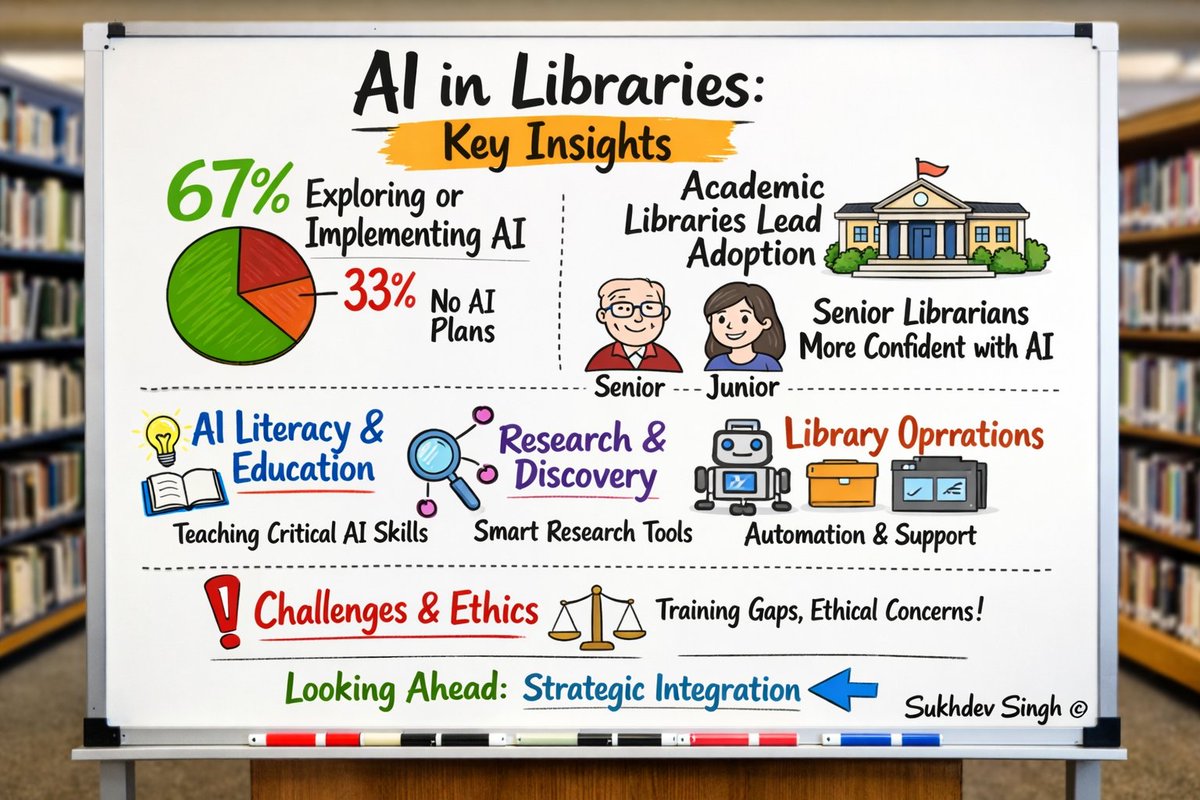
Libraries are adopting AI strategically, not blindly.
67% are exploring or implementing AI, with academic libraries leading. Focus areas include AI literacy, research discovery, and operational efficiency, alongside strong ethical and training considerations.