on perp DEXs today
- perp dex UX (how they actually feel) is pretty much the same across the desktop apps. the differentiation happens on time to fill, fees, liquidity, and transparency
- FX fees (on notional) are extremely high on Perp DEXs
- Deposit are usually only in USDC
🚀 Meet Our VC Partner: @etherary from @MaelstromFund
We're thrilled to introduce another VC Judge Partner at Founders Connect: Investor Matching Arena! 🇦🇷
🤝Kushagra (@etherary)
VC Analyst @MaelstromFund
Kushagra is responsible for supporting the full life cycle of research, diligence and transaction execution for Maelstrom, the crypto-native investment fund founded by @CryptoHayes
At our arena on November 21, Kushagra will be providing direct feedback and evaluation to founders building the future of onchain! 🔥
📍 2-6PM, Devconnect Yellow XS-Stage, Buenos Aires
👇 For more details, please see below
Current State of Prediction Markets
For all of CT that looks at prediction markets as the next new financial narrative— I think there is a need to adjust some expectations.
For what it’s worth, prediction markets are insanely cool. It gives end users a way to speculate in ways that were not possible before.
- Elections & other world events
- Social markets
- Sports books
In addition, it opens completely different markets to market makers. For instance, market makers that were previously not able to scale operations on sports betting in size (despite the volume on it), are now able to have a P2P marketplace of bets that with which they can calculate their positioning and not be permissioned by bookees or other centralized counterparties.
But the reality is— there may not be as much immediate demand as we may think.
The entire interface of trading is completely different and there’s a non-negligible learning curve to it. New edges will be developed over time, but this is intellectually hard to build immediately especially given liquidity concerns.
It seems right now the community is overindexing on the fact that everyone else is bullish on prediction markets, but I honestly dont see the meaningful traction to back this thesis.
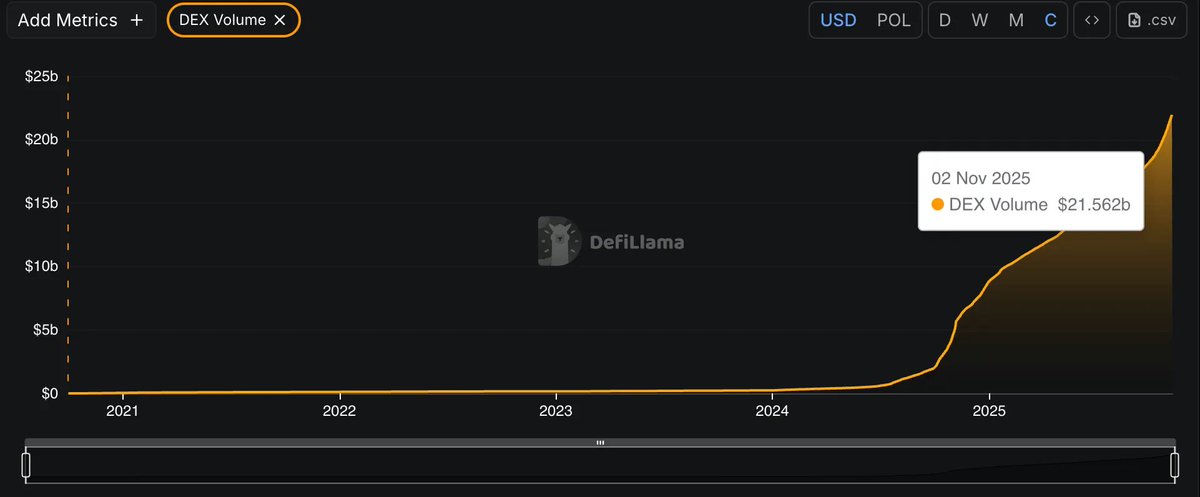
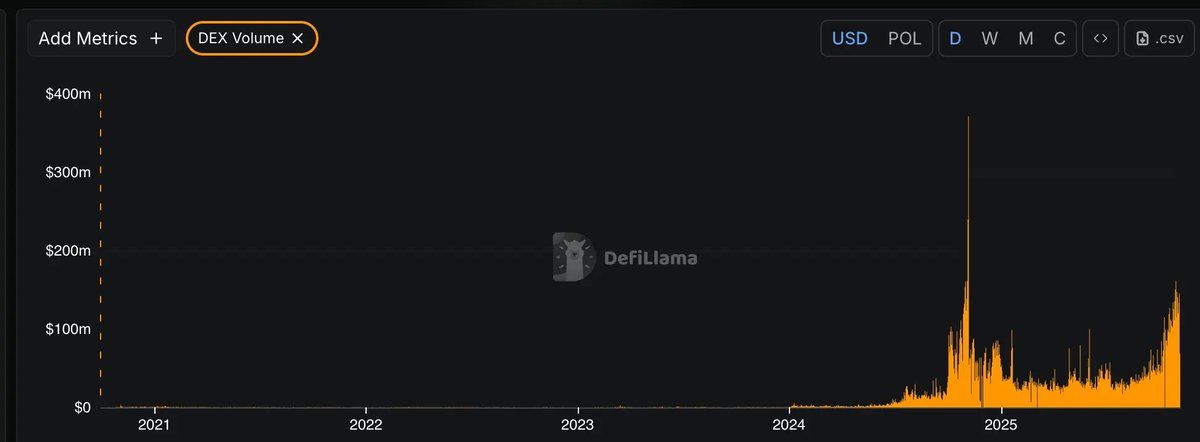
For instance, polymarket has done $22B in volume over the past 3 years. This is not something you can easily overlook. But in comparison, this is what uniswap does in a couple of days, or hyperliquid in 2 days (granted this is leveraged volume).
On the user side, there’s a large chunk of crypto retail that recently got into polymarkets (which I’m sure a large chunk of it was incentivized by potential airdrop and is actually artificial). But for OG users that initially deposited into the platform, why were a good chunk of them churned? Why are folks that are invested into prediction markets not using them more actively? Are the reasons irrelevant if there is actual demand— or perhaps the demand just simply isn’t there yet?
I think while the thesis of prediction markets is sound, it’ll be a while until there is actual meaningful demand. Though, I do believe that there is significant demand in certain niches: mention markets, history buffs, long-tail assets. Polymarket/Kalshi + sportsbetting platforms have already proved this. Users (and market makers) will have to learn a completely new financial primitive. Market resolutions need to be better. Liquidity will have to improve significantly for them to be usable moreso than the next trading platform.
I see this being more of a slow burn than a rapid uptick in usage. Though I assume that the money raised from the polymarkets team will contribute significantly in accelerating this momentum, there is still long ways to go here. There is still a huge design space from futarchy to financial derivatives to parlays.
If you’re a power user on prediction markets (or are building something on prediction markets) and have a solid opinion on this, I’d love to chat— dm’s are open :)