Plastic waste remains one of the most significant environmental challenges, with over 2.5 million tonnes of plastic waste generated annually in Australia. However, transitioning to a circular economy presents an opportunity to recover up to 80% of these materials.
Circular Economy, by @ethica.capital is an essential resource for professionals looking to deepen their knowledge in Circular Economy.
Read here; https://t.co/l9vpZOJYsQ
In the 2024-2025 period, Australia's aviation sector has demonstrated a strong commitment to sustainability and innovation, particularly in the development and adoption of Sustainable Aviation Fuel (SAF) and hydrogen-based technologies.
In 2024, Australia's tech workforce surpassed one million individuals, marking a 60% increase since 2014. This growth underscores the sector's expanding role in the national economy.
The tech industry now accounts for 8.5% of Australia's GDP
As of 2024, wind energy has become a significant component of Australia's renewable energy portfolio. In 2023, renewables accounted for nearly 40% of the nation's total electricity supply, with wind power contributing approximately 13.4%.
éthica capital is a movement re-defining capital markets;
é | c offers expertise and innovative capital solutions to advance financial opportunity and sustainable economic growth.
Contact us at [email protected] to discuss how we can work together to grow your company
At éthica Capital, we are dedicated to advancing net-zero goals by supporting sustainable investments and green financing initiatives. Our commitment drives us to partner with businesses involved in renewable energy, decarbonisation, and ESG innovation.
The 2025 investment outlook indicates stabilisation in global and Australian markets as cyclical disruptions ease. Australia’s GDP growth is projected to maintain a moderate pace of 1.8%, supported by robust consumer spending and improved trade conditions.
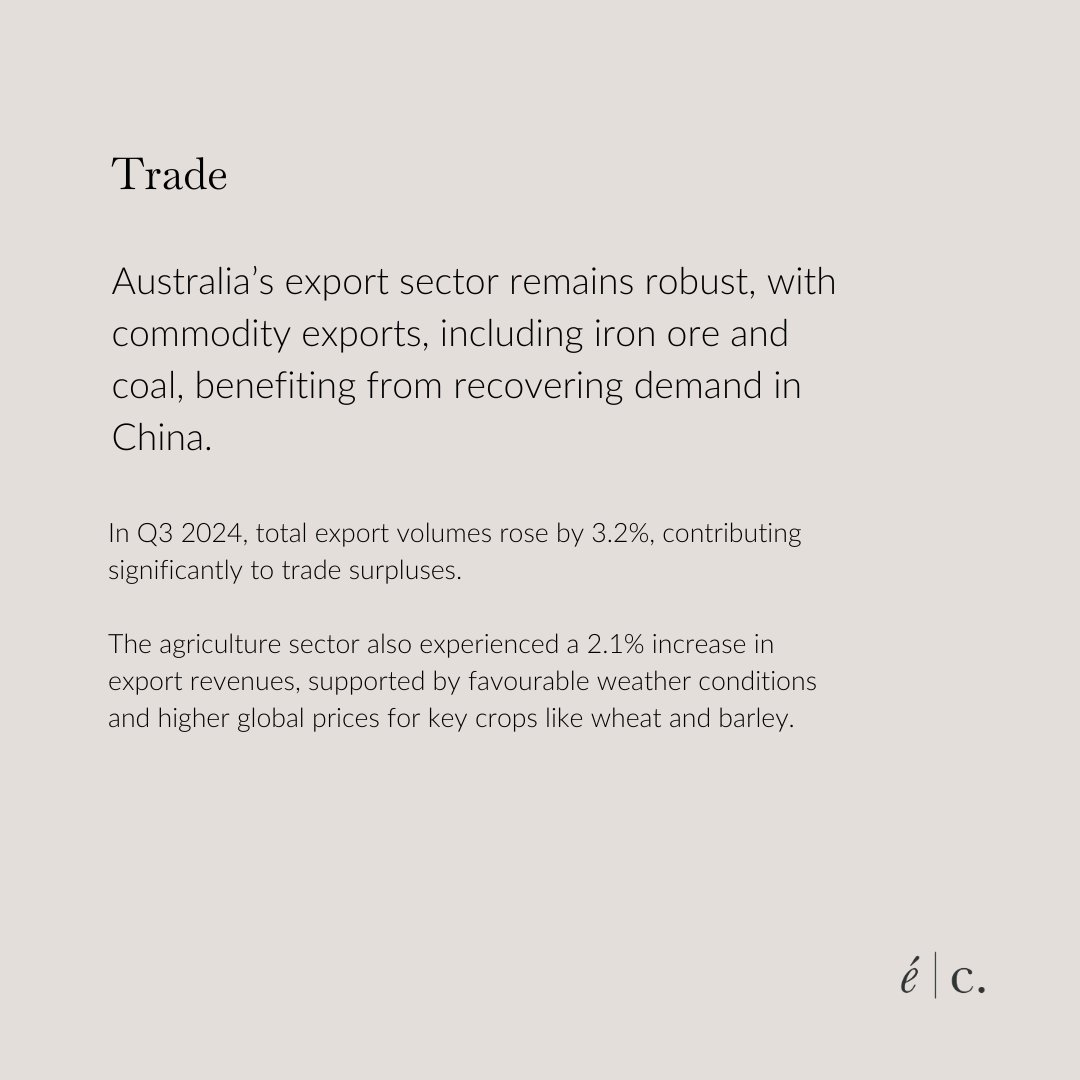
In 2024, Australia's international trade in goods exhibited notable trends. The trade surplus increased significantly to AU$5.95 billion in October, marking the highest level since February 2024. This improvement was driven by a 3.6% rise in exports
In 2024, Australia's renewable energy sector experienced significant growth, driven by government policies, corporate investments, and technological advancements. Renewables accounted for approximately 35% of the country's electricity generation, with wind and solar leading
In 2024, the S&P/ASX 200 Index reached multiple all-time highs, with the most recent record close at 8,447.90 points in early December.
Despite this growth, the index experienced volatility, including a 1.34% decline in October, influenced by global economic factors
Australia's economy in 2024 showcased resilience amid global uncertainties, with GDP growth stabilising, driven by robust exports and infrastructure investments. The energy transition gained momentum, with record investments in green hydrogen and renewables, solidifying Australia
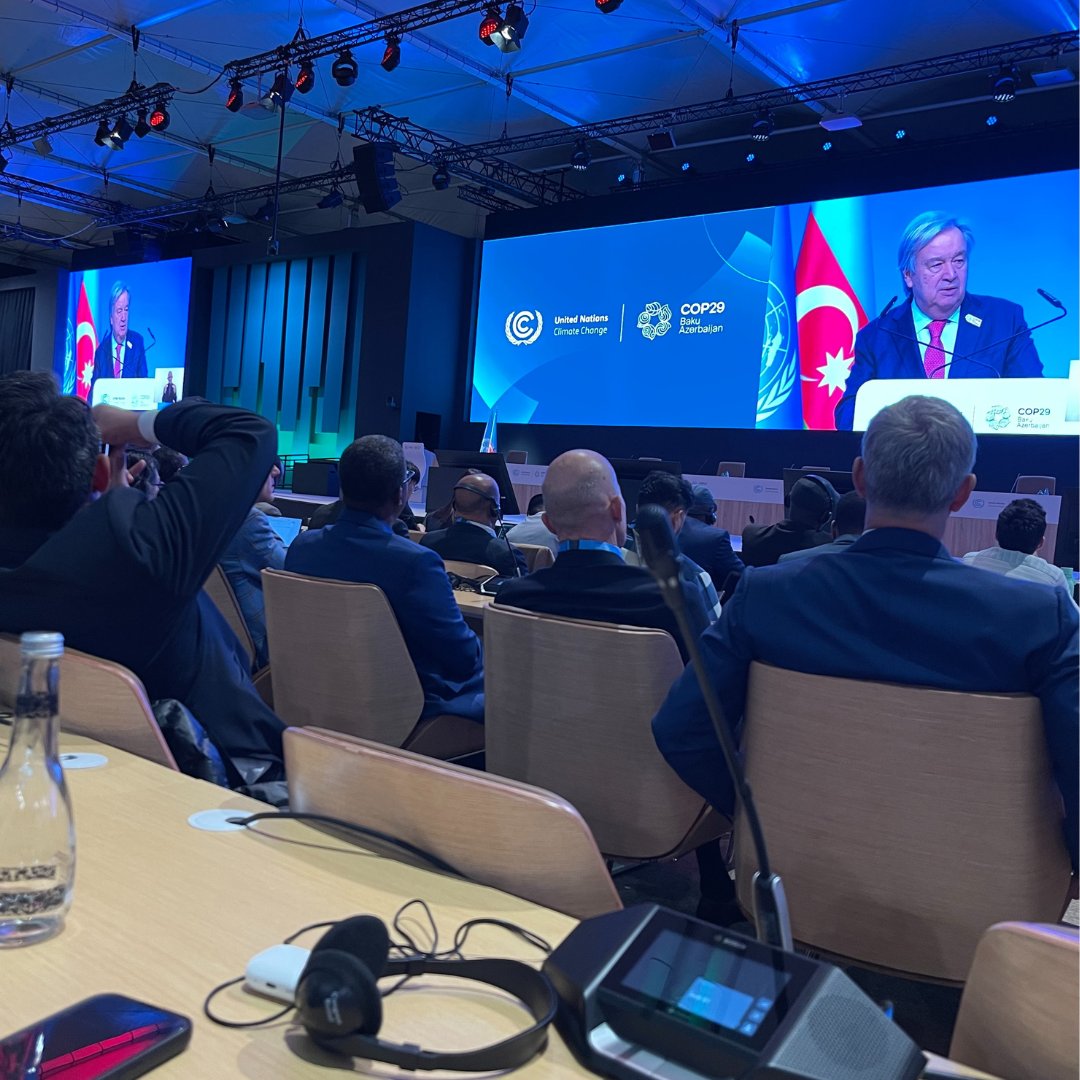
COP29 marked a significant milestone in global climate efforts, building on the momentum of previous summits. One of its primary achievements was the commitment by developed nations to provide US$300 billion annually by 2035 to assist developing countries.
A key aspect of sustainable finance at COP29 was the establishment of transparent, standardised frameworks for measuring and reporting climate finance impacts.
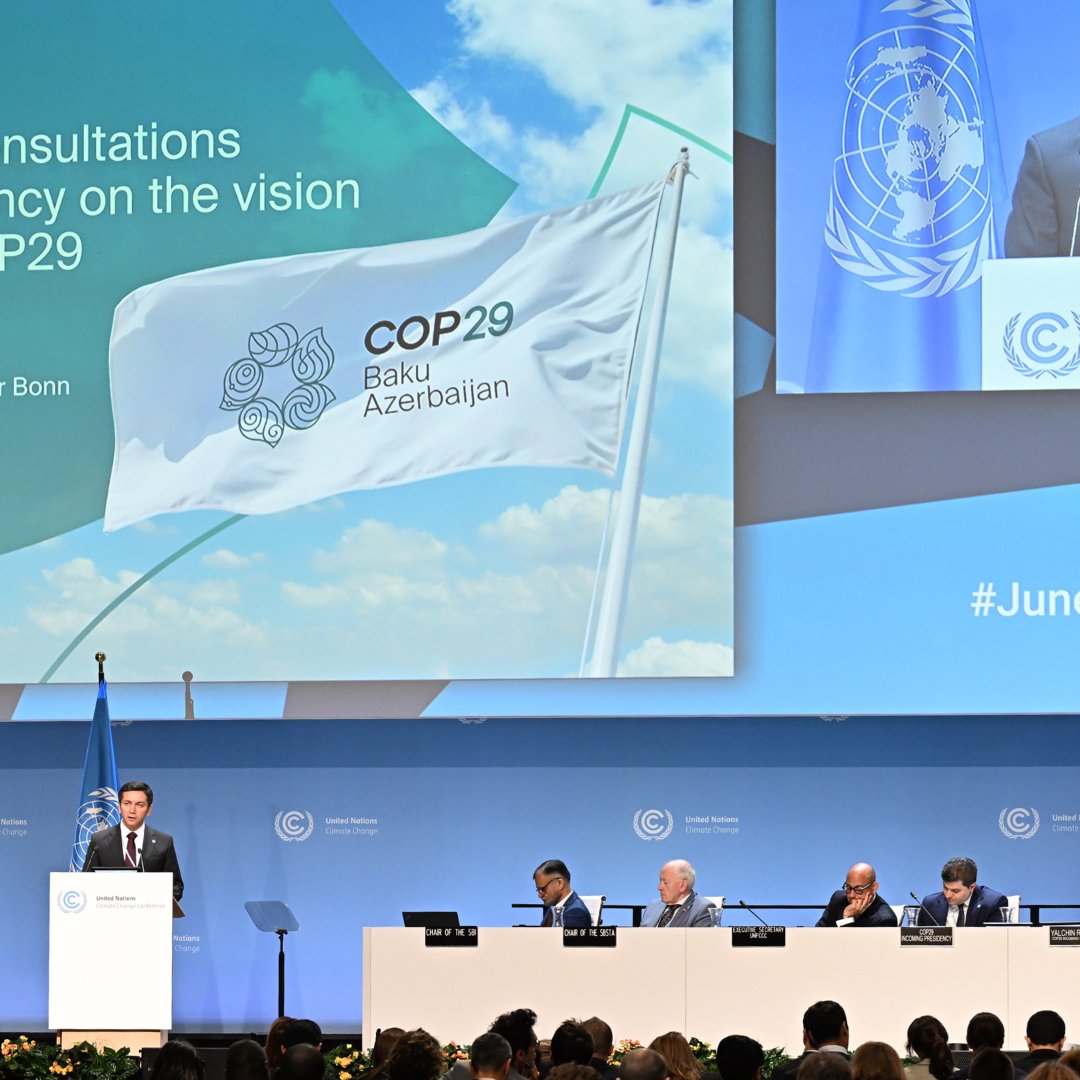
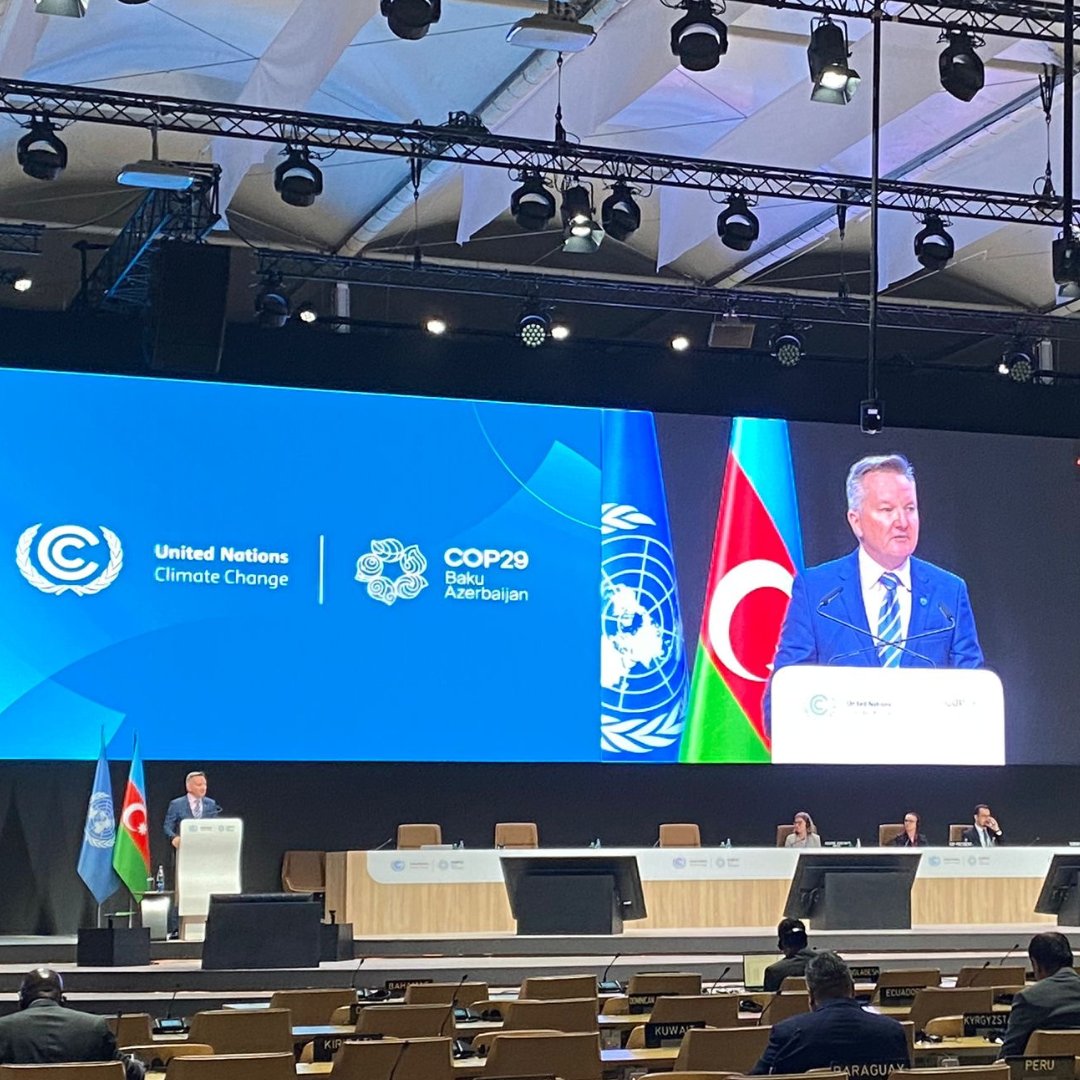
The conclusion of COP29 in Baku, Azerbaijan, has set the stage for significant advancements in sustainable finance.
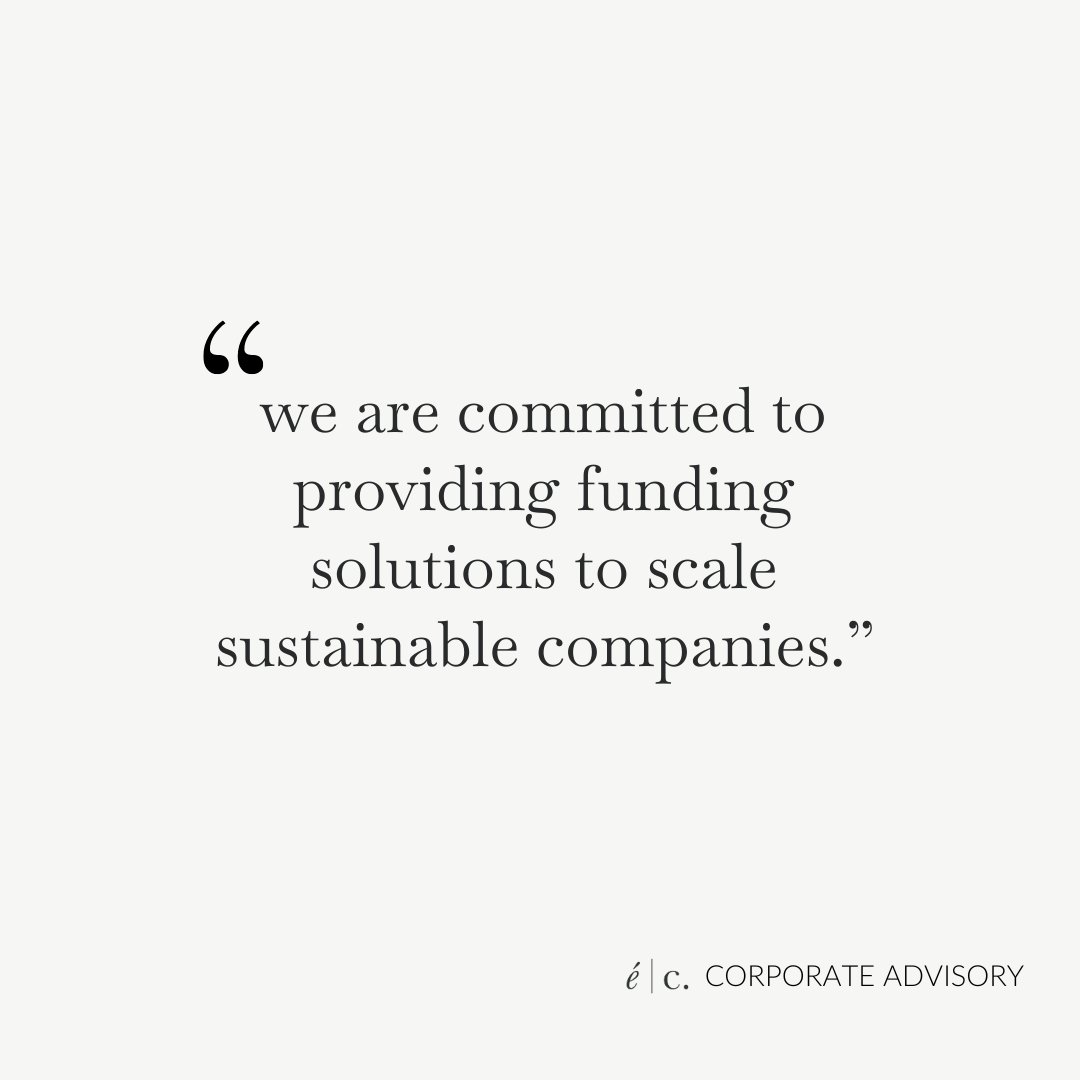
We are committed to supporting the growth of sustainable companies that are shaping a better tomorrow.
By providing tailored funding solutions, we enable visionary businesses to scale their impact and drive meaningful change.
#ethicacapital#greenfinance#greenbonds
At COP29, held in Baku, Azerbaijan, developed countries committed to increasing climate finance for developing nations to $300 billion annually by 2035.
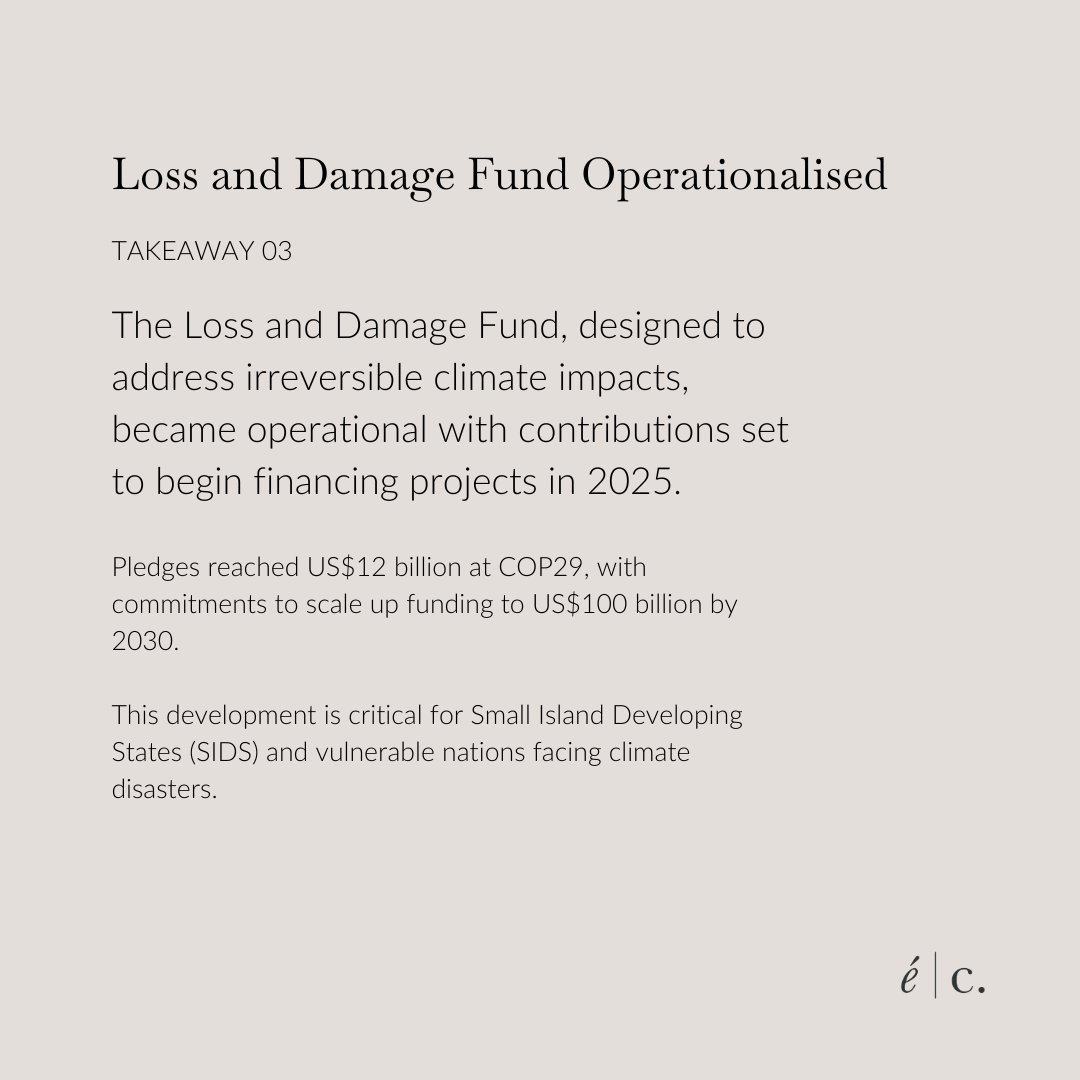
COP29, held in Baku, Azerbaijan, from November 11 to 22, 2024, resulted in several key outcomes aimed at advancing global climate action
Developed nations agreed to provide at least US$300 billion annually by 2035 to assist developing countries in addressing climate change.