As you prepare for your courses, check out the 150+ case studies in media #ethics available for free via @EngagingNews. They span a range categories, are available in PDF, & are easy to use in your classes to stimulate discussion! Available here -> https://t.co/jSryE3tqdZ #OER
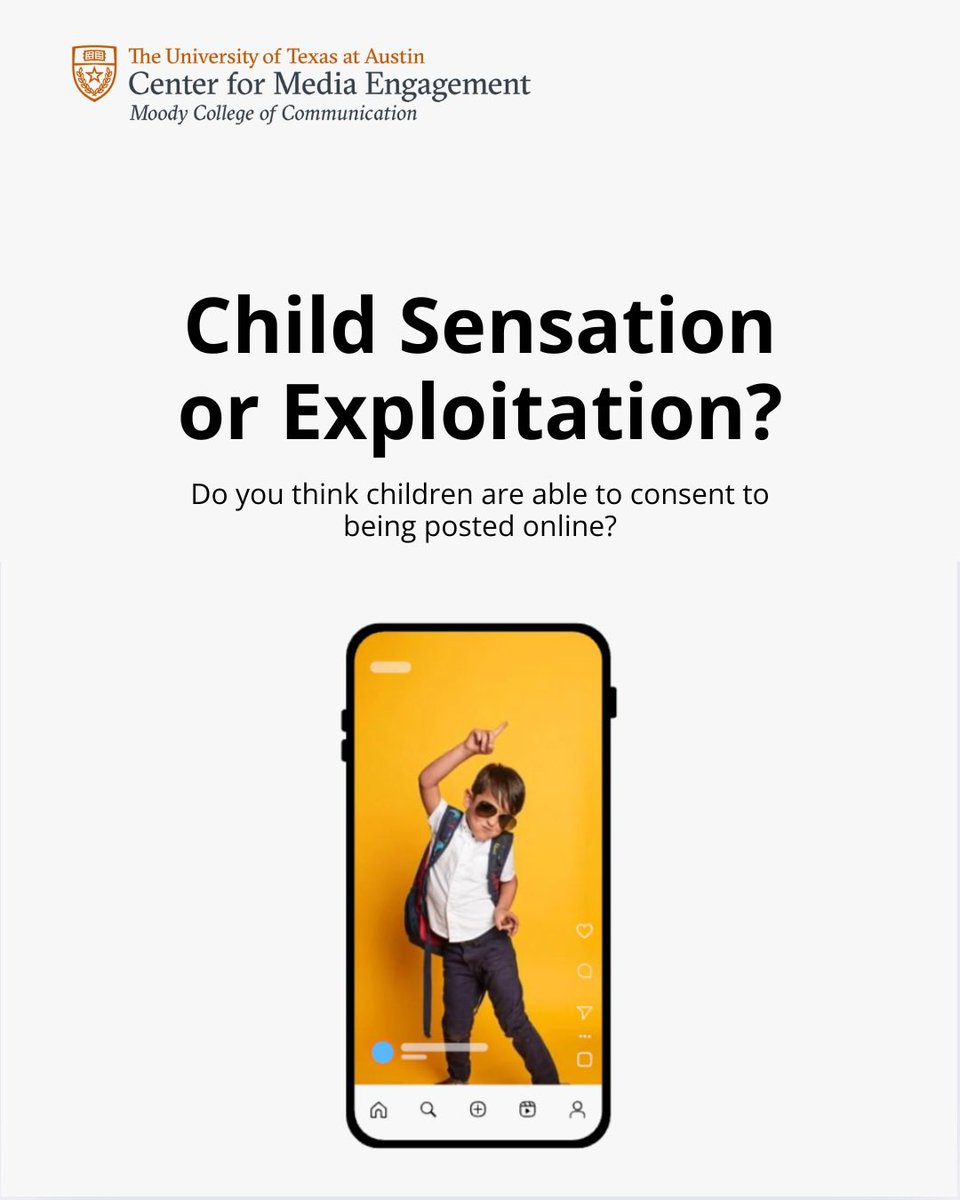
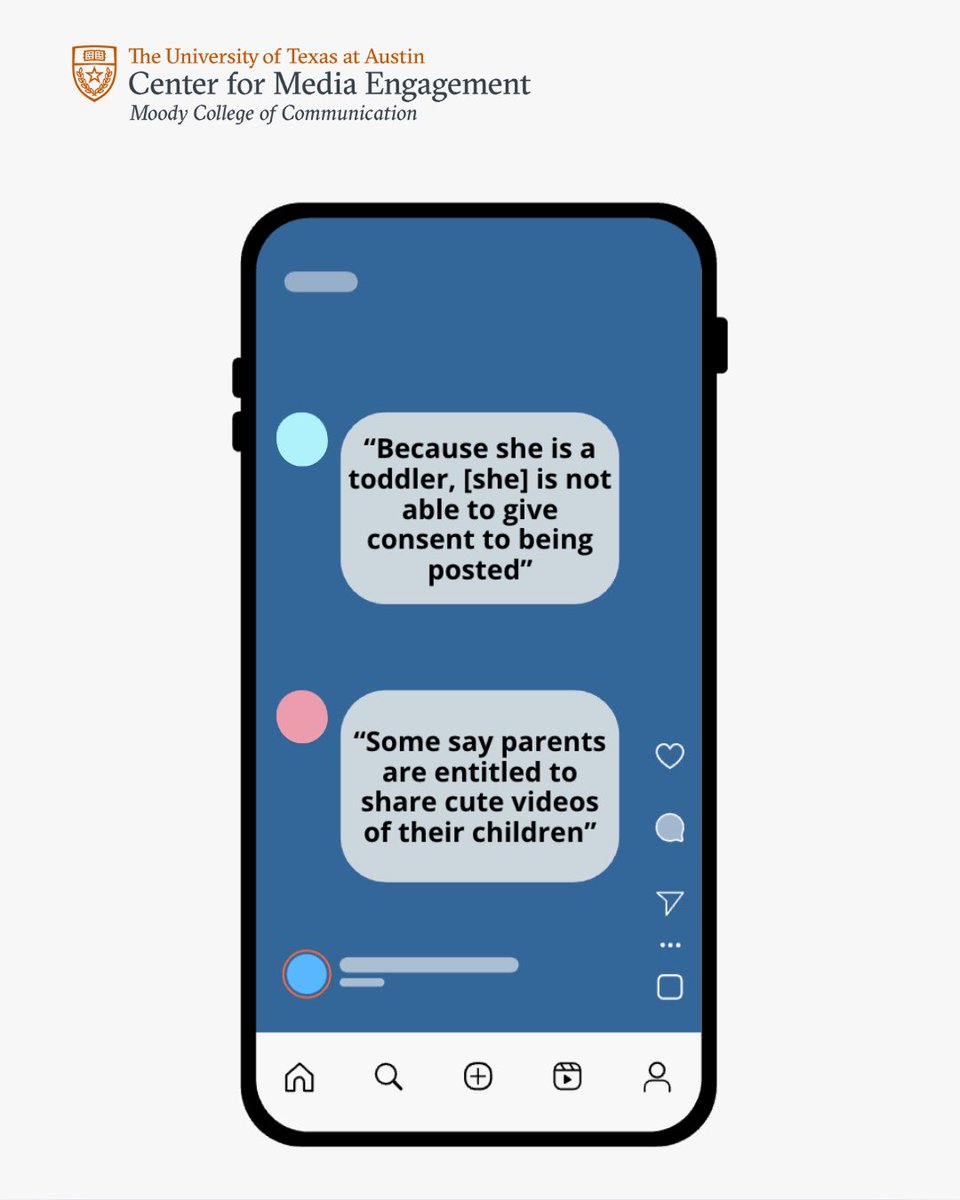
Sharing children’s lives online has become common, but it raises ethical concerns about consent and potential exploitation. As cute content gains popularity, society must carefully consider where to draw the line between innocent sharing and harm.
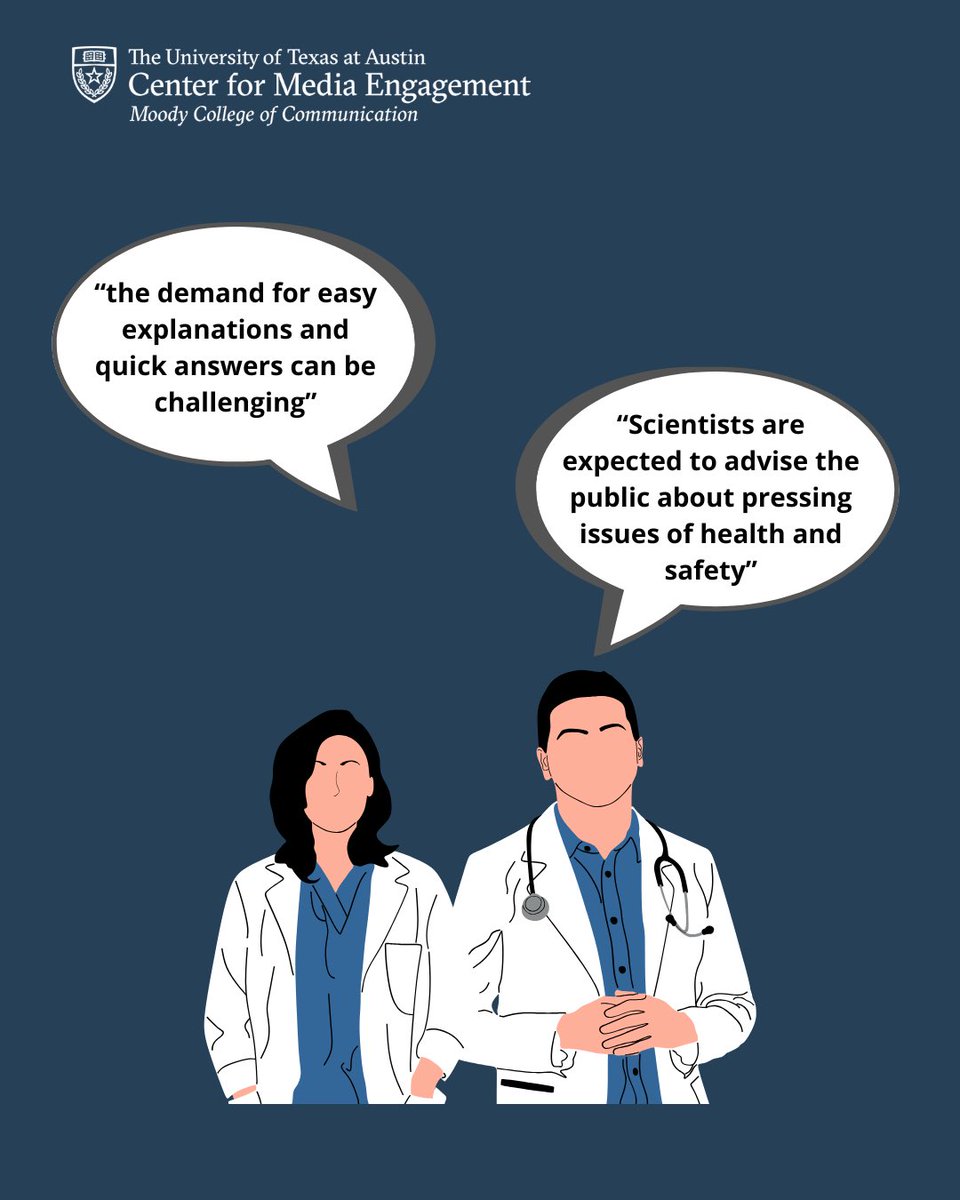
Read more about the ethics and complexities of science communication in our free case study with this link! https://t.co/MLx9ZNNtP9
#sciencecommunication#covid19
During the COVID-19 pandemic, scientists faced the challenge of communicating complex and evolving information to the public. Balancing scientific accuracy with public understanding highlighted the ethical complexities of science communication in a global crisis.
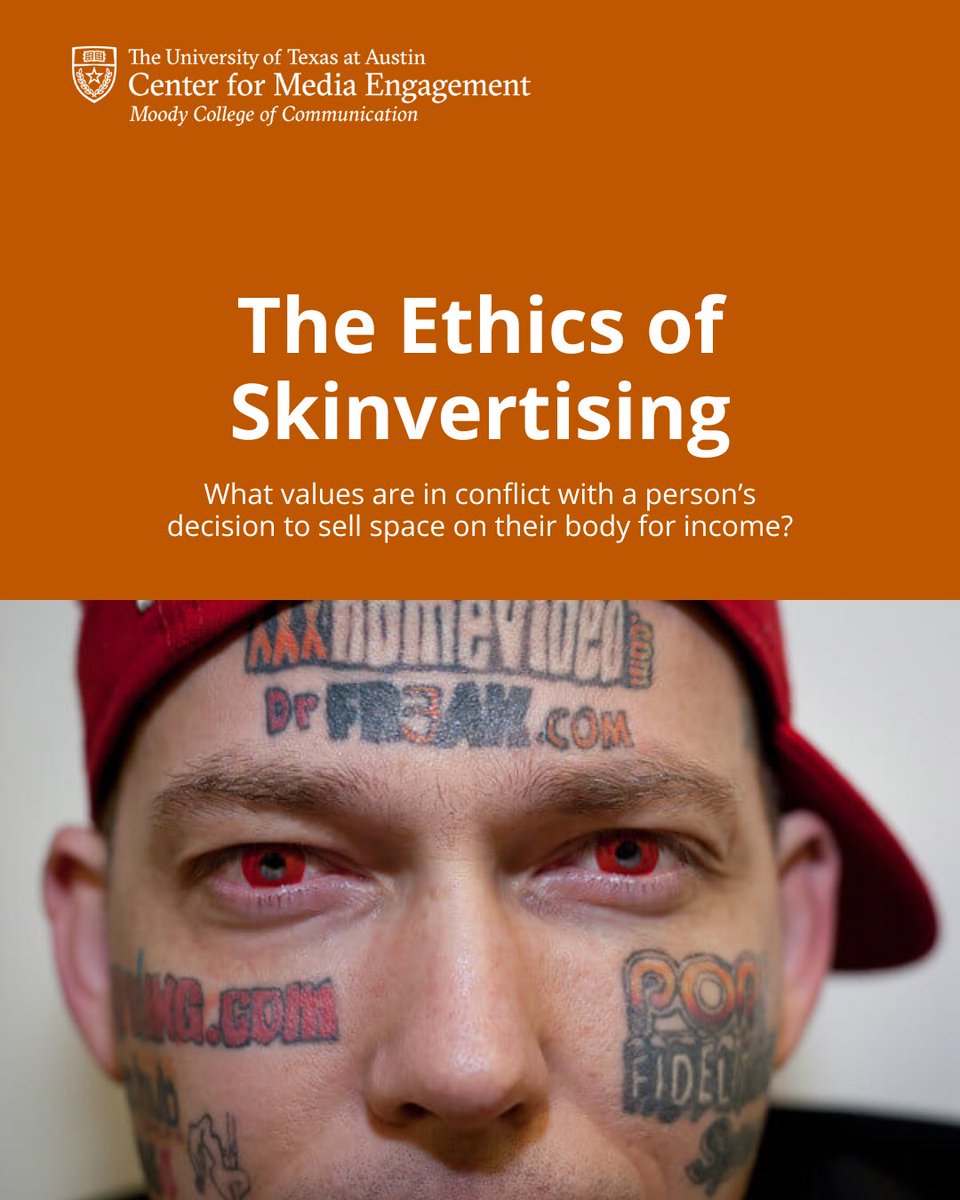
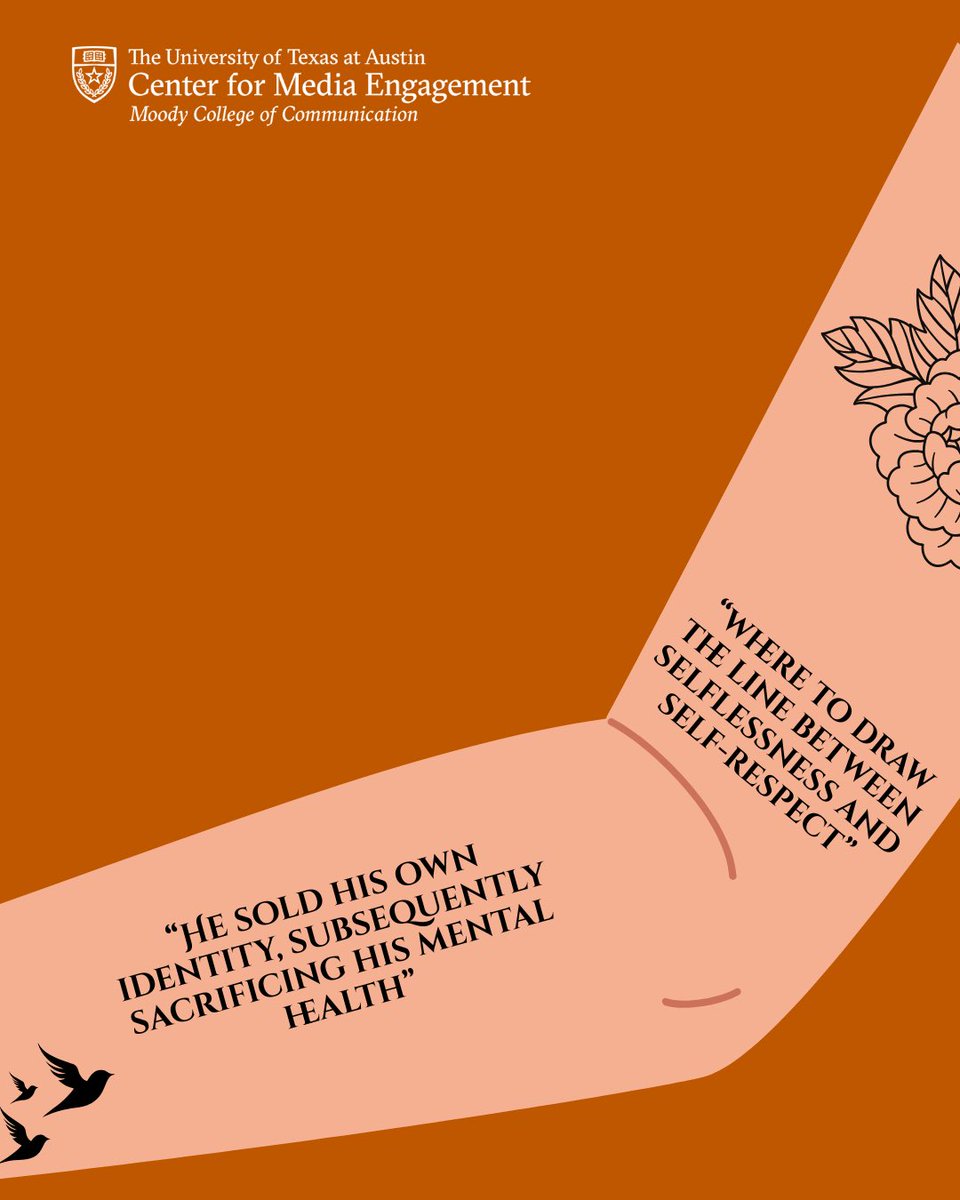
Hostgator Dotcom became a living advertisement when he began selling space on his body and face for branded tattoos. This poses questions about the moral obligations companies have when making advertising choices that seriously affect the advertiser.
Read more about the ethics of using popular human names for voice assistants in our free case study with this link! https://t.co/kMbjUoSo1B
#amazon#alexa#ethics
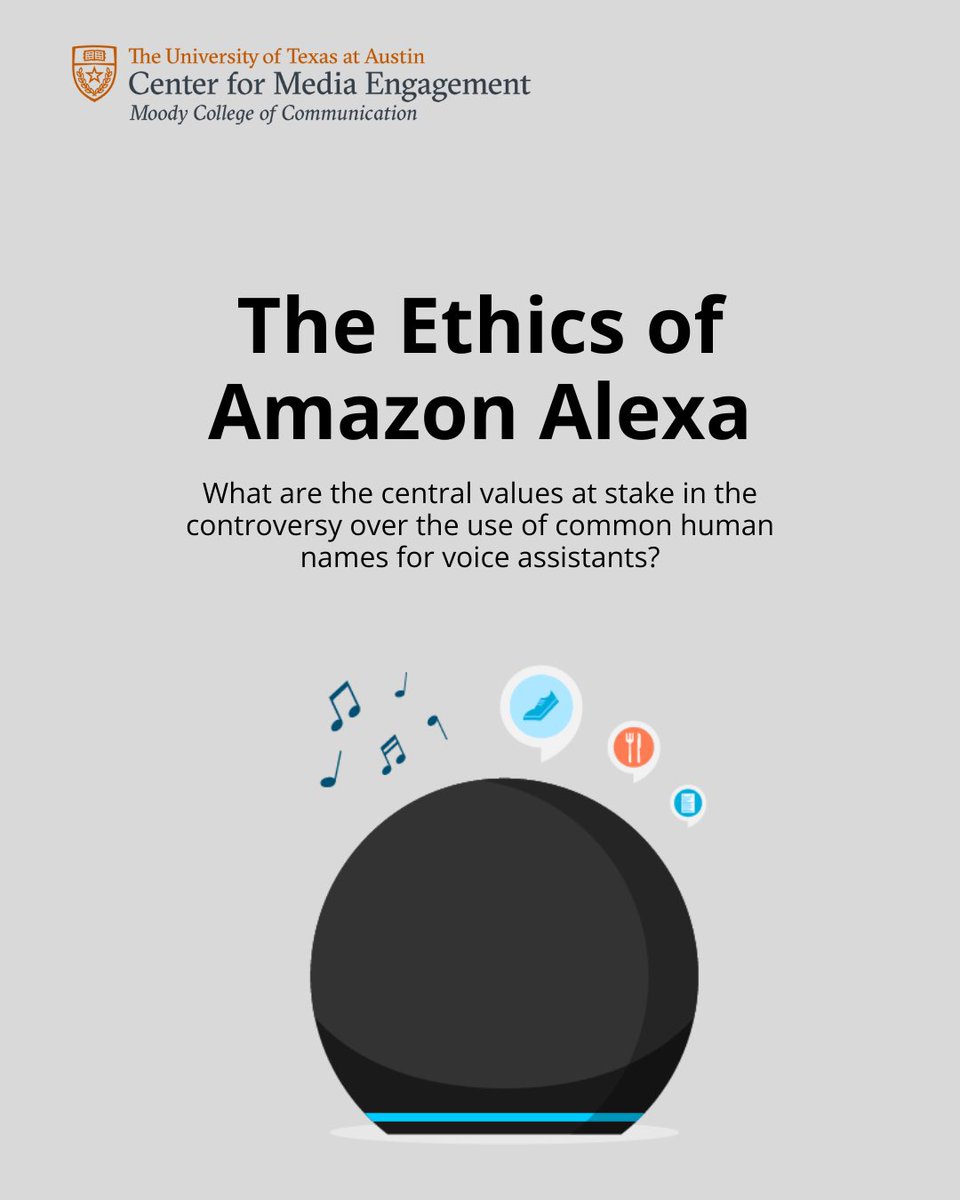
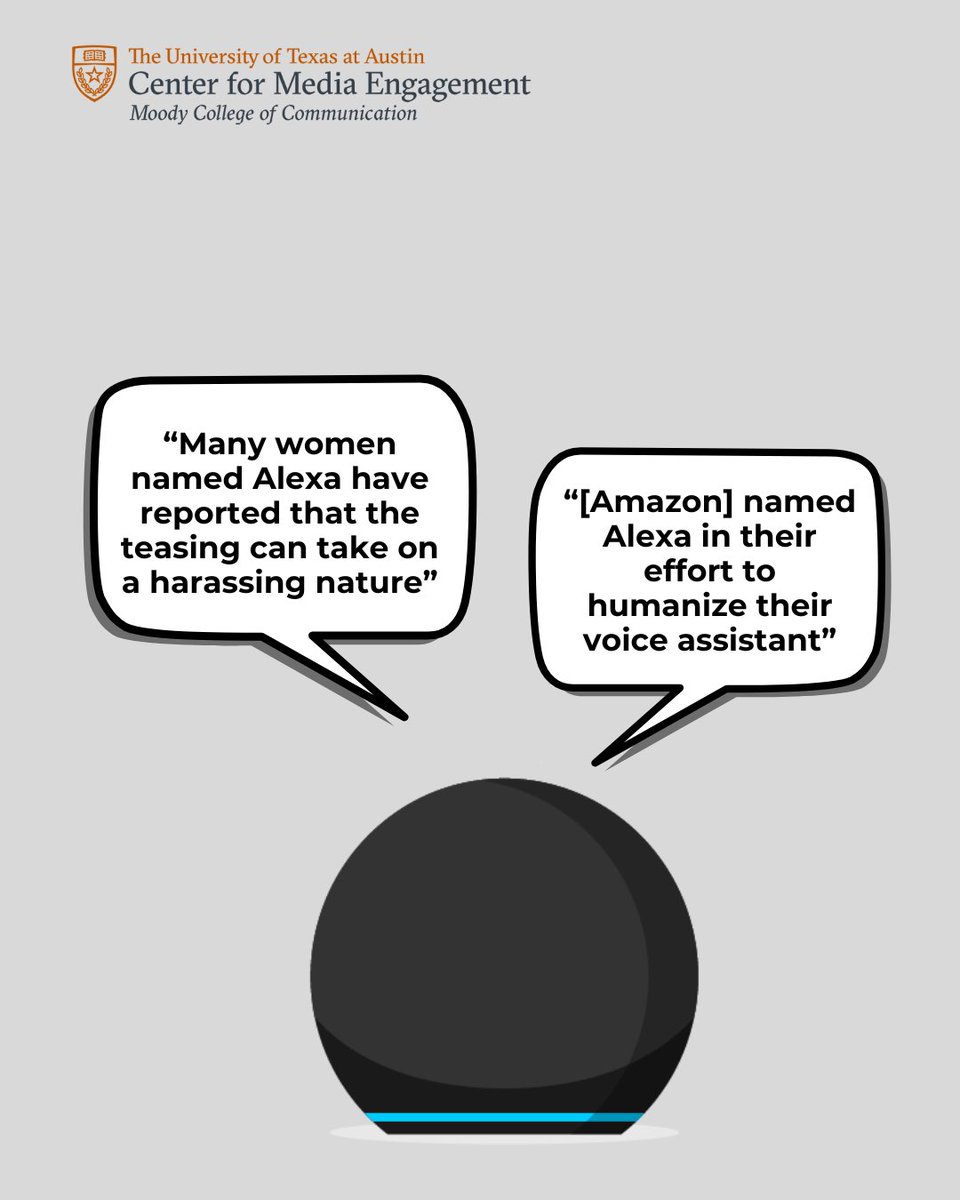
Amazon's Alexa became a major success but unintentionally led to widespread teasing for people named Alexa. The popularity of the name has significantly declined since the product's launch, raising questions about whether virtual assistants should have human-like names.
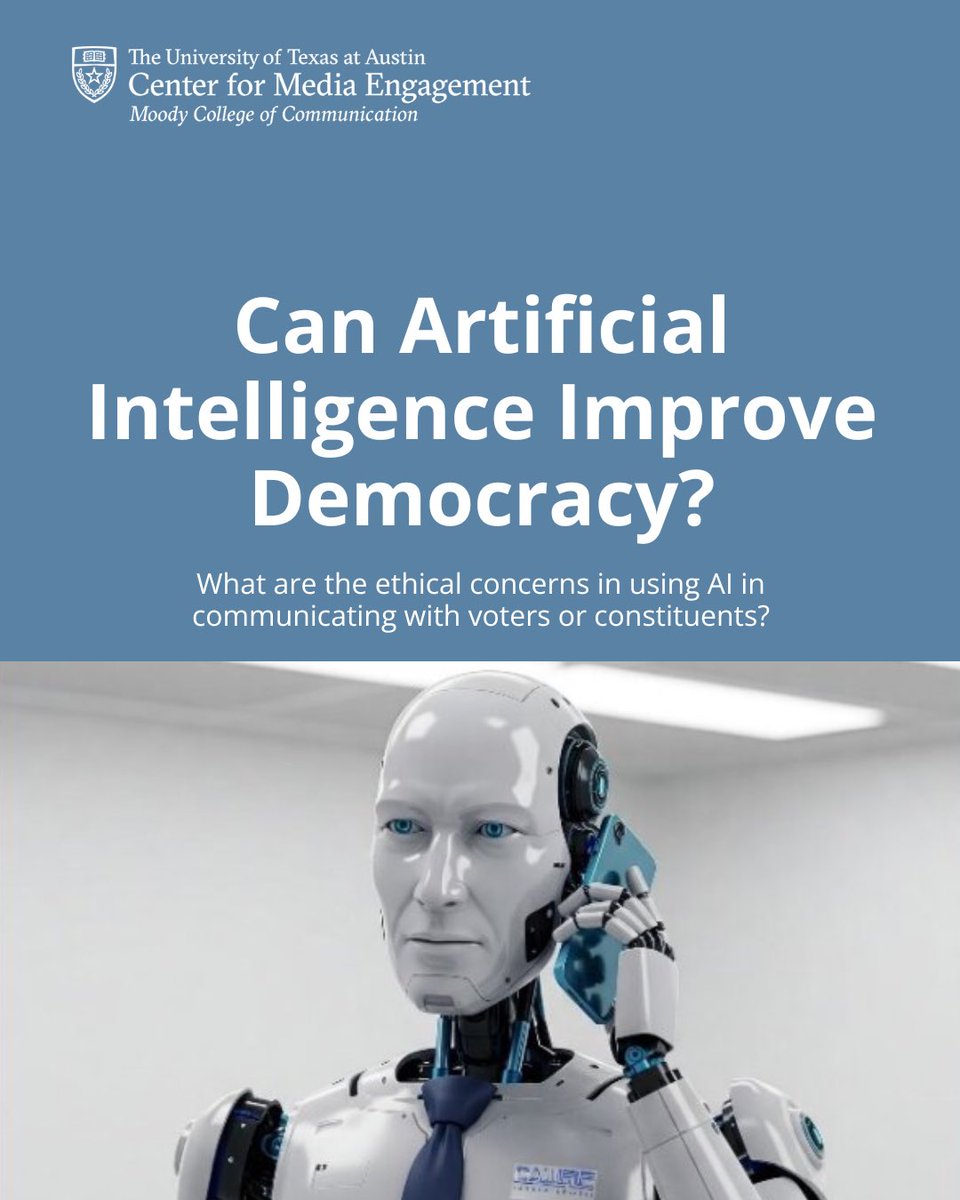
Check out our free case study discussing the ethical dilemmas surrounding AI involvement in political communication with this link! https://t.co/VEjElJVV35
#ai#politicalcommunication#mediaethics
AI is changing the way politicians connect with voters. Shamaine Daniels is using AI to engage with voters, offering personalized, real-time communication. While AI has the potential to increase voter trust and efficiency, it also raises concerns about transparency and bias.
Check out our free case study discussing the ethical dilemmas surrounding speedy journalism with this link! https://t.co/Loj2Sodzs4
#journalism#mediaethics#oer
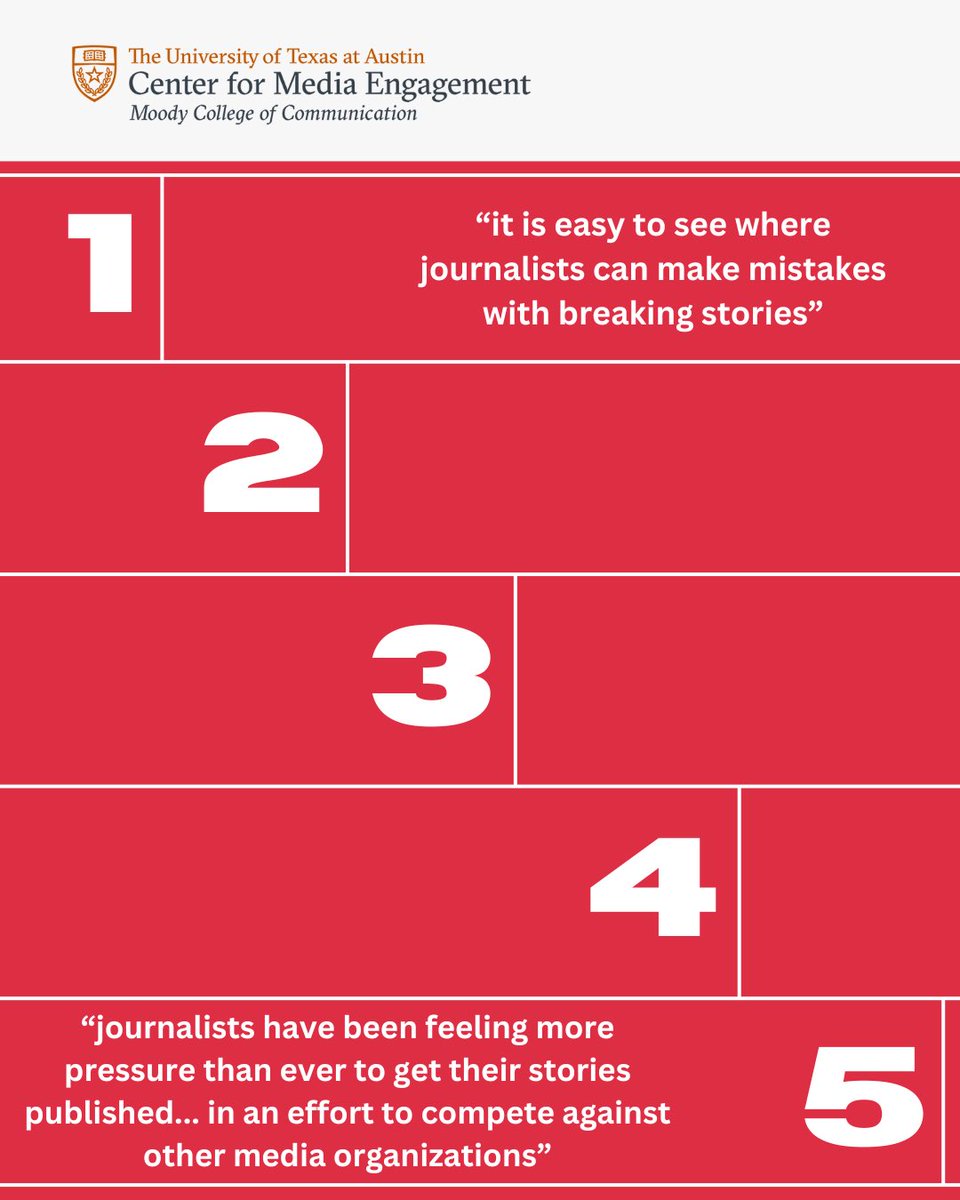
With social media driving the need for instant news, journalists are under pressure to publish quickly, often sacrificing accuracy. The 2012 Sandy Hook shooting revealed how rushing to break a story can lead to major reporting mistakes, like misidentifying the gunman.
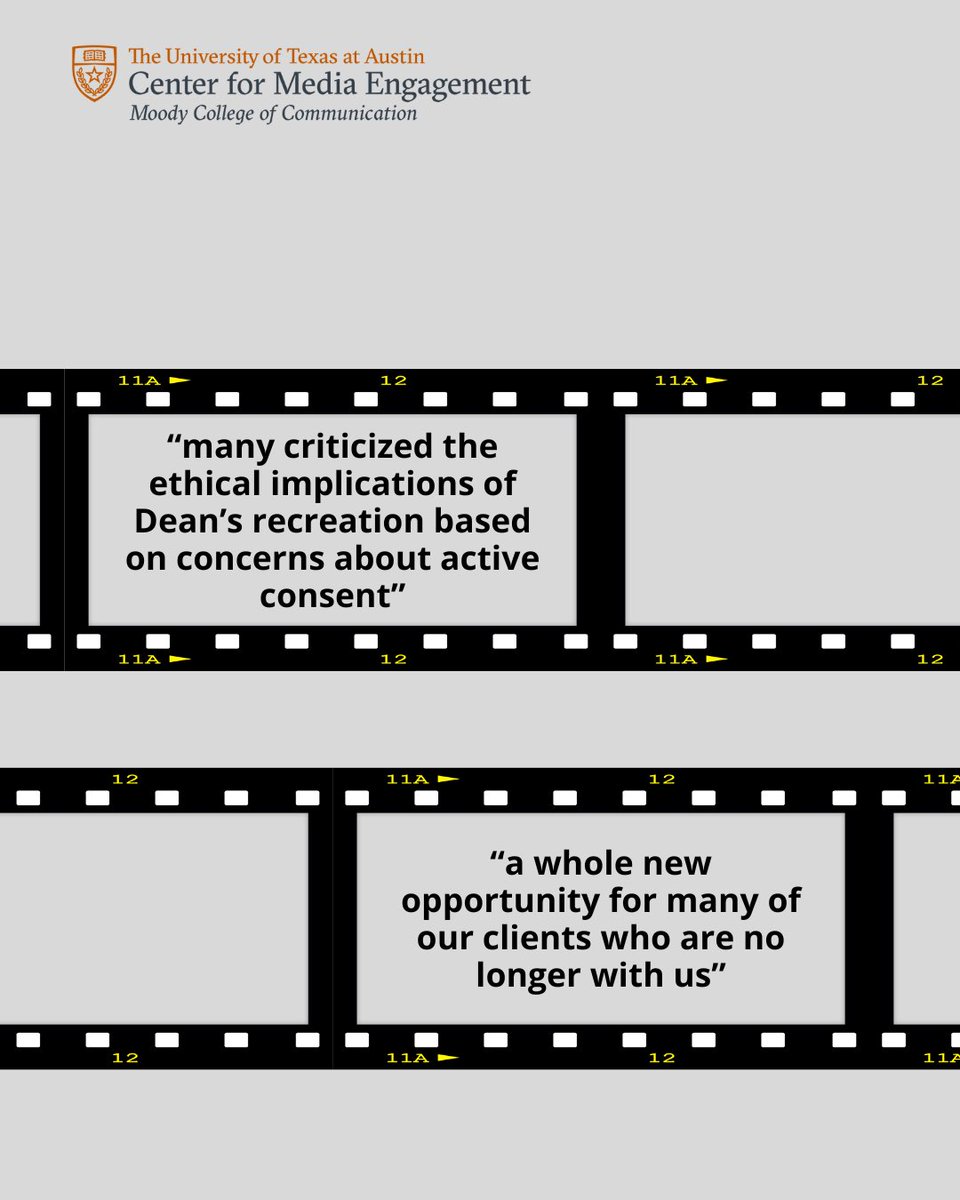
Digital recreations of late stars are reshaping Hollywood, but is it honoring their legacy or exploiting their image? Filmmakers are using CGI, AI, and deepfake technology to digitally resurrect deceased actors, sparking debates over ethical concerns like consent and exploitation
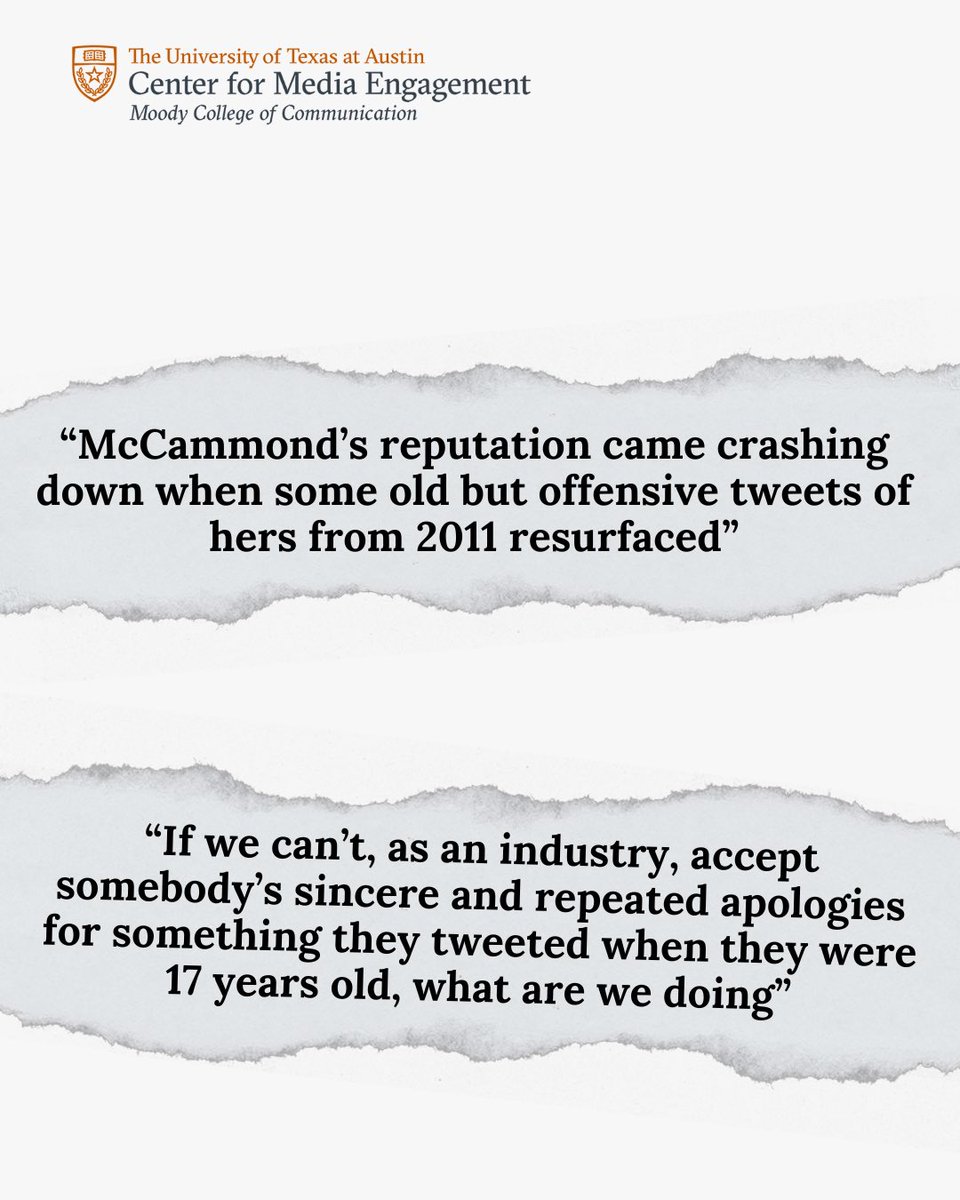
Check out our free case study discussing the ethical dilemmas surrounding cancel culture with this link! https://t.co/Iva6cYx098
#oer#cancelculture#mediaethics
Alexi McCammond’s rise to Teen Vogue editor-in-chief was derailed after old racist tweets resurfaced, leading to major backlash and her eventual resignation. Is cancel culture the price of accountability or just a harsh punishment?
Check out our free case study discussing whether true crime podcasts are informative or just sensationalizing tragedy for entertainment with this link. https://t.co/ZQS7PiG2Qn
More free educational content via @EngagingNews.
#oer#truecrime#podcasts#mediaethics
True crime podcasts have exploded in popularity recently, with the JonBenét Ramsey case being a very popular topic. While these podcasts can help solve cold cases and bring awareness, they also raise ethical concerns - especially when speculation causes harm to those involved.
Dive into the ethical dilemma Adam Schefter faced and how it impacts reporting with this link! https://t.co/0Pf3idm13L
More free educational resources via @EngagingNews.
#sportsjournalism#ethics#oer
Like the Super Bowl, journalism has high stakes. In 2021, ESPN's Adam Schefter faced criticism after sending a full draft of his story to a source for feedback. While Schefter defended it as a common practice for accuracy, many argued it compromised his journalistic independence.