𝗜𝗳 𝗪𝗲 𝗣𝗿𝗶𝗰𝗲𝗱 𝘁𝗵𝗲 𝗡𝗶𝗹𝗲 𝗟𝗶𝗸𝗲 𝗔𝘂𝘀𝘁𝗿𝗮𝗹𝗶𝗮 𝗣𝗿𝗶𝗰𝗲𝘀 𝗪𝗮𝘁𝗲𝗿, 𝗪𝗵𝗼 𝗪𝗼𝘂𝗹𝗱 𝗢𝘄𝗲 𝗪𝗵𝗼𝗺?
Ethiopia’s assumed 28.8 BCM entitlement carries an illustrative gross value of:
1. 𝗨𝗦$𝟮.𝟯 𝗯𝗶𝗹𝗹𝗶𝗼𝗻 𝗽𝗲𝗿 𝘆𝗲𝗮𝗿 at A$115 per megalitre.
2. 𝗨𝗦$𝟵.𝟱 𝗯𝗶𝗹𝗹𝗶𝗼𝗻 𝗽𝗲𝗿 𝘆𝗲𝗮𝗿 at ABARES’s modelled A$474 average.
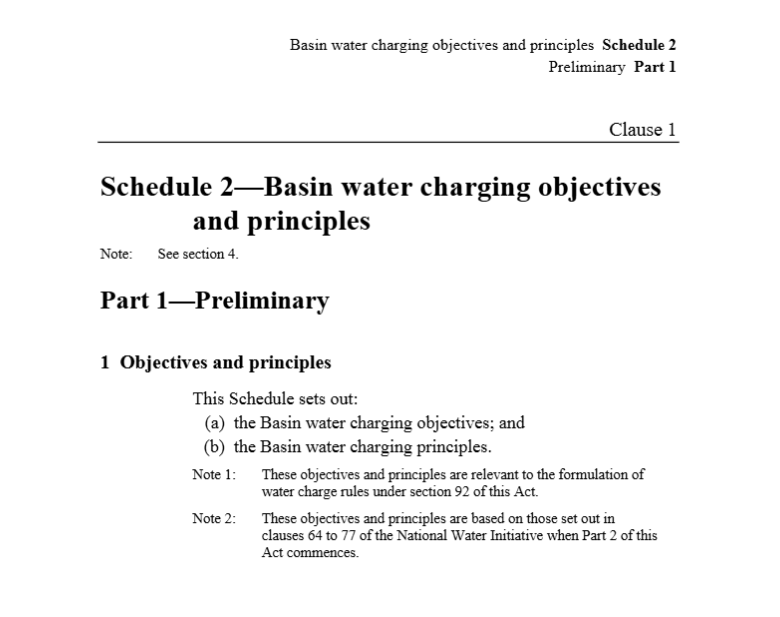
Australia is home to one of the world's most developed water markets. In the Murray-Darling Basin, defined water rights and annual allocations are bought and sold under a framework built from the Water Act 2007, the Basin Plan and state water laws. Alongside that market, Schedule 2 governs water-service charges on user-pays, consumption-based, full-cost-recovery principles, with limits deliberately designed to avoid monopoly rents.
And then, twice, the law uses the words Cairo should read very carefully: 𝗮𝘃𝗼𝗶𝗱 𝗺𝗼𝗻𝗼𝗽𝗼𝗹𝘆 𝗿𝗲𝗻𝘁𝘀. A modern water system can recognize economic value without letting one participant turn history, geography or dependence into permanent ownership over everyone else.
In that market, allocation water has traded around A$115 per megalitre in some periods, and ABARES's long-term modelling put the average southern-basin price near A$474.
Now suppose, purely as a thought experiment and , that Ethiopia held a 28.8 billion cubic metre annual entitlement under my proposed border-gauge allocation model.
Value it at Australian benchmarks. At A$115 per megalitre, it carries an illustrative gross value of about 𝗨𝗦$𝟮.𝟯 𝗯𝗶𝗹𝗹𝗶𝗼𝗻 𝗮 𝘆𝗲𝗮𝗿. At the modelled A$474 average, it approaches 𝗨𝗦$𝟵.𝟱 𝗯𝗶𝗹𝗹𝗶𝗼𝗻. Year after year after year.
𝗔𝗻𝗱 𝗵𝗲𝗿𝗲 𝗶𝘀 𝘁𝗵𝗲 𝗽𝗮𝗿𝘁 𝘁𝗵𝗮𝘁 𝘀𝗵𝗼𝘂𝗹𝗱 𝗲𝗻𝗱 𝘁𝗵𝗲 𝗮𝗿𝗴𝘂𝗺𝗲𝗻𝘁: 𝗘𝘁𝗵𝗶𝗼𝗽𝗶𝗮 𝗵𝗮𝘀 𝗻𝗲𝘃𝗲𝗿 𝗶𝗺𝗽𝗼𝘀𝗲𝗱 𝗮 𝘁𝗼𝗹𝗹 𝗼𝗻 𝘁𝗵𝗲 𝗳𝗹𝗼𝘄 𝗹𝗲𝗮𝘃𝗶𝗻𝗴 𝗶𝘁𝘀 𝘁𝗲𝗿𝗿𝗶𝘁𝗼𝗿𝘆.
An economic interest worth billions on paper, yet Ethiopia claims none of the downstream flow as anyone's private property. GERD uses the fall of the river to make electricity. Apart from reservoir evaporation, the released water continues to Sudan and Egypt, unpriced and untolled. Ethiopia asks to use its river for light. It does not ask Cairo to purchase Ethiopian rain.
And Cairo still calls the dam "𝗶𝗹𝗹𝗲𝗴𝗮𝗹."
Now turn the same price gun around.
Egypt's Lake Nasser is a vast reservoir spread across one of the hottest, driest environments on Earth. Peer-reviewed estimates commonly place its annual evaporation between roughly 12 and 16 billion cubic metres; Abd-Elhamid's 2021 study puts it at 12 billion. Take that conservative figure.
At the same A$115 benchmark, that evaporated volume carries a notional value of about US$964 million. 𝗥𝗼𝘂𝗴𝗵𝗹𝘆 𝗨𝗦$𝟭 𝗯𝗶𝗹𝗹𝗶𝗼𝗻 𝗯𝘂𝗿𝗻𝗲𝗱 𝗼𝗳𝗳 𝘁𝗼 𝘁𝗵𝗲 𝘀𝘂𝗻, 𝗲𝘃𝗲𝗿𝘆 𝘆𝗲𝗮𝗿. At the modelled A$474 average, it approaches US$4 billion. That is not Egypt's actual financial loss; it is the value of the evaporated volume under the same benchmark. Egyptian researchers themselves put that loss at 20 to 30 percent of Egypt's entire income from Nile water.
Wheeler and his co-authors estimated GERD's net evaporation at about 1.7 billion cubic metres a year. Against Lake Nasser's 12 billion, that is roughly 𝗼𝗻𝗲-𝘀𝗲𝘃𝗲𝗻𝘁𝗵. Not equal. Not close. One-seventh.
So hold the two records side by side. Ethiopia's proposed entitlement carries a value in the billions, yet it imposes no toll on the flow. Egypt evaporates close to a billion dollars of the same river, uses about 85 percent of its freshwater withdrawals in agriculture, keeps pushing new schemes into the desert, and then stands at a microphone to call the source country the threat.
The generous neighbor is upstream. The bill, if anyone ever wrote one, would not be addressed to Addis Ababa.
𝗔𝗻𝗱 𝗔𝗯𝗯𝗮𝘆 𝗶𝘀 𝗻𝗼𝘁 𝗖𝗮𝗶𝗿𝗼'𝘀 𝗽𝗿𝗶𝘃𝗮𝘁𝗲 𝗽𝗶𝗽𝗲𝗹𝗶𝗻𝗲.
References: Australia's Water Act 2007, Schedule 2; Bureau of Meteorology, Australian Water Markets Report 2021–22
#Ethiopia #Egypt #Sudan #GERD #Abbay #BlueNile #Nile #NileBasin #WaterRights #WaterValue #NileJustice @AbiyAhmedAli@MfaEgypt@MwriEgypt
@FCB6O 🇪🇬Egypt set a 'red line,' but Ethiopia just poured another glass of Red Red Wine 🍷😂 Sisi’s 'red lines' aged about as well as a 1980s reggae track 🎶💀.
🌍🇪🇹 Africa can build major dams using its own resources, Ethiopia has proven it: Zambian official to Sputnik Africa
The GERD demonstrates that African countries can undertake large-scale infrastructure projects via domestic funding, said Arnold Milner Simwaba from the Zambian Ministry of Energy.
📍 The sidelines of the 36th African Hydropower Symposium in Addis Ababa.