Why does sleep loss make us feel so moody and anxious ? Can it even make us lose our mind? Excited to share my new @sciam article all about sleep and mental health.
https://t.co/mOy5H2vxcQ
Many thanks to @DaisyYuhas for walking me through this!
Deep, slow‑wave sleep in older adults is linked to lower next‑day anxiety, even with age‑related brain atrophy, highlighting sleep as a potential non‑drug target for late‑life anxiety. https://t.co/eL3usYjdzW https://t.co/4a9YltkSFE
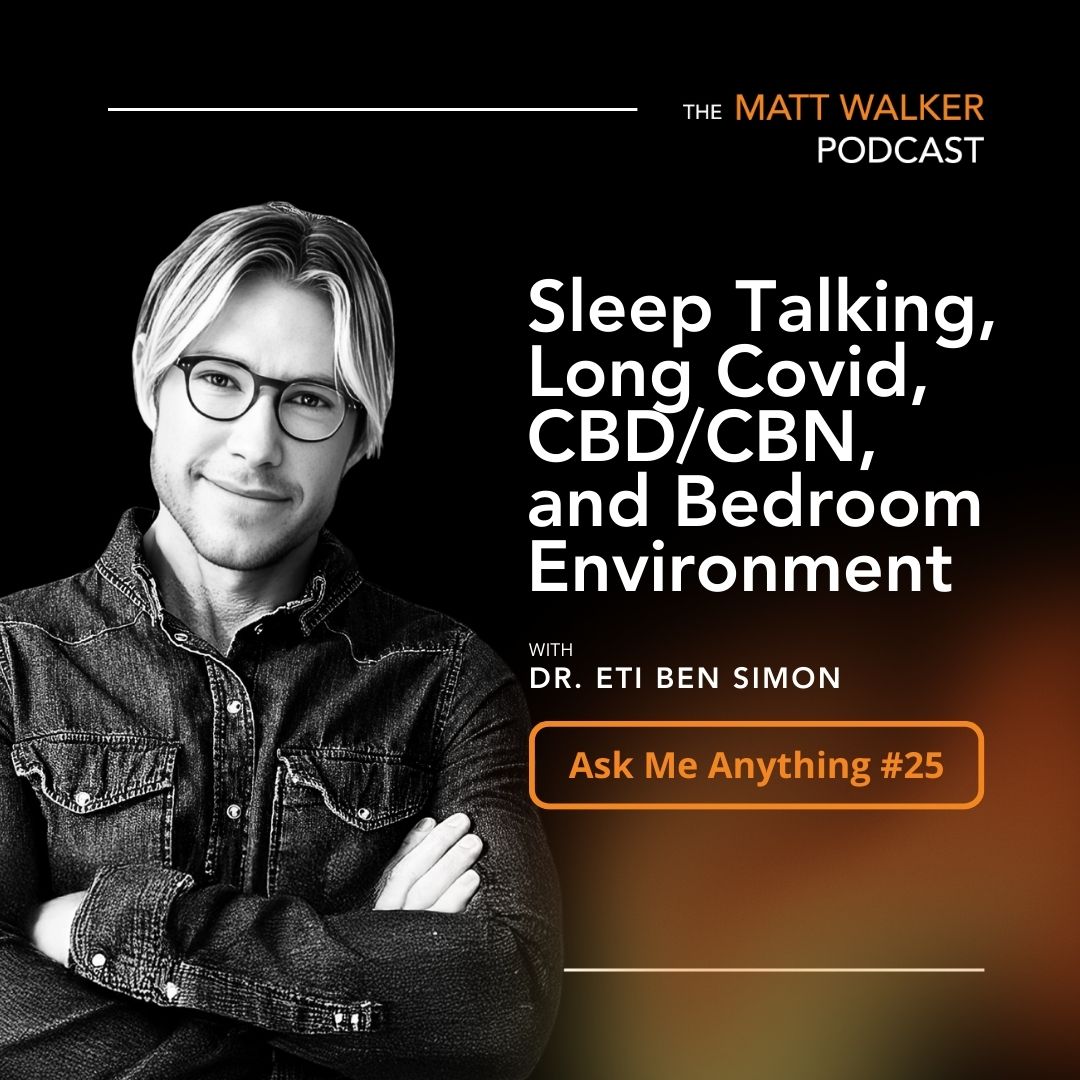
What is the science behind sleep talking (somniloquy)?
@etoosh joins our latest AMA to explore this common parasomnia, the nuanced data on CBD/CBN for sleep, and the persistent sleep disruption linked to long COVID.
What does this reveal about the complexity of our sleep?
Does sleep loss make us more anxious and socially withdrawn? My talk tomorrow will answer all your sleep loss questions! Register below, it is free and open for all (even on zoom!)🤩
Sleepless and Alone: The Impact of Sleep Loss on Human Social Behavior https://t.co/U52CUyDudE
Our research on sleep loss and misinformation is nominated for the @MindScienceFdn People’s Choice Award🥳Help us win by casting your vote in the link below🙌Voting closes October 14th.
#MindScience#BrainStorm2025#SleepScience
Our research on sleep loss and misinformation is nominated for the @MindScienceFdn People’s Choice Award🥳Help us win by casting your vote in the link below🙌Voting closes October 14th.
#MindScience#BrainStorm2025#SleepScience
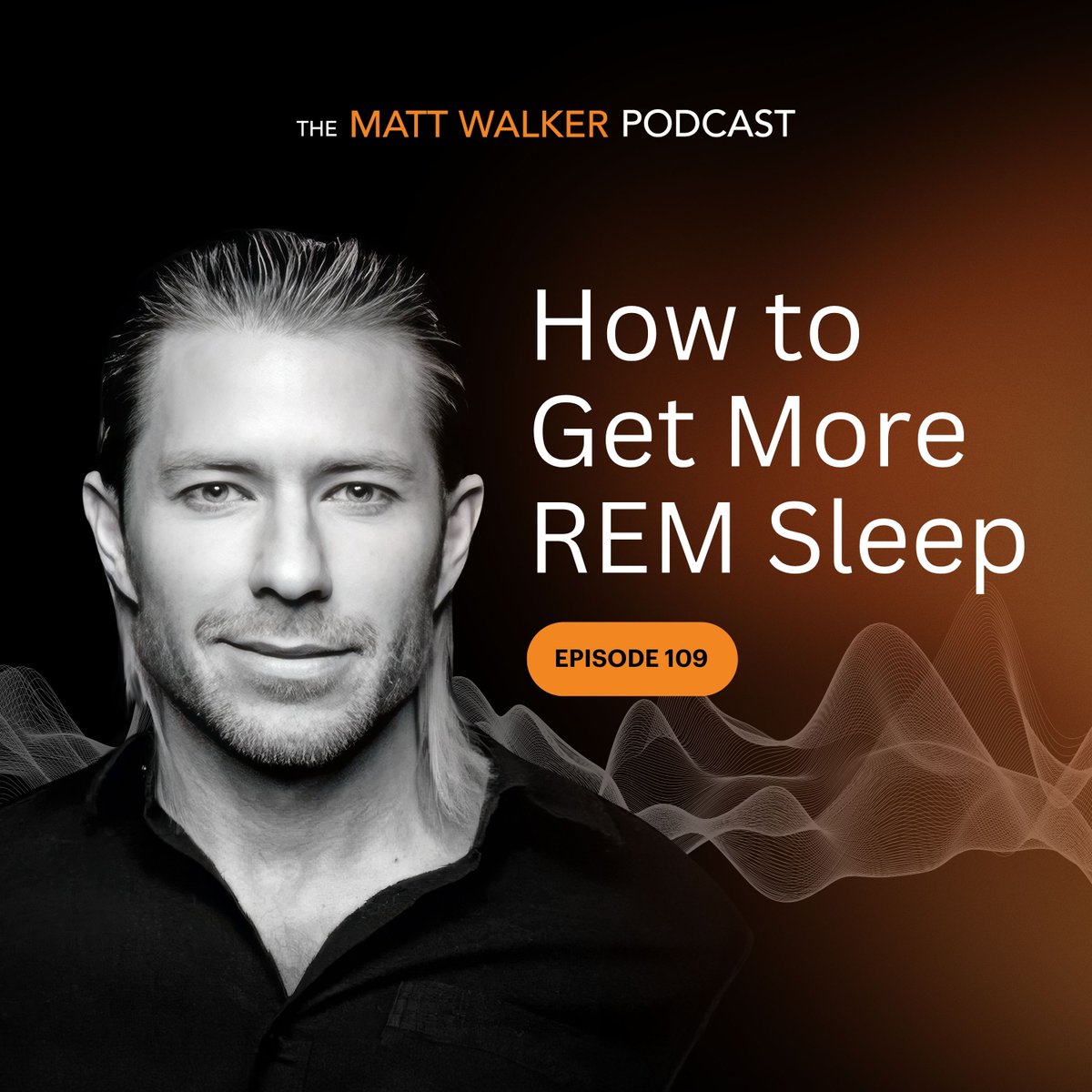
How can you enhance your REM sleep?
We explore the full toolkit for boosting dream sleep—from pharmacological aids and neurotechnology to behavioral strategies and crucial lifestyle factors like diet and light exposure.
Which part of this integrated approach could you focus on?
Does where you live dictate how you sleep?
In our new AMA, Dr. @etoosh and I discuss how latitude and extreme daylight disrupt circadian rhythms, and why your personal chronotype is more important than sleeping before midnight.
How do you manage your light exposure?
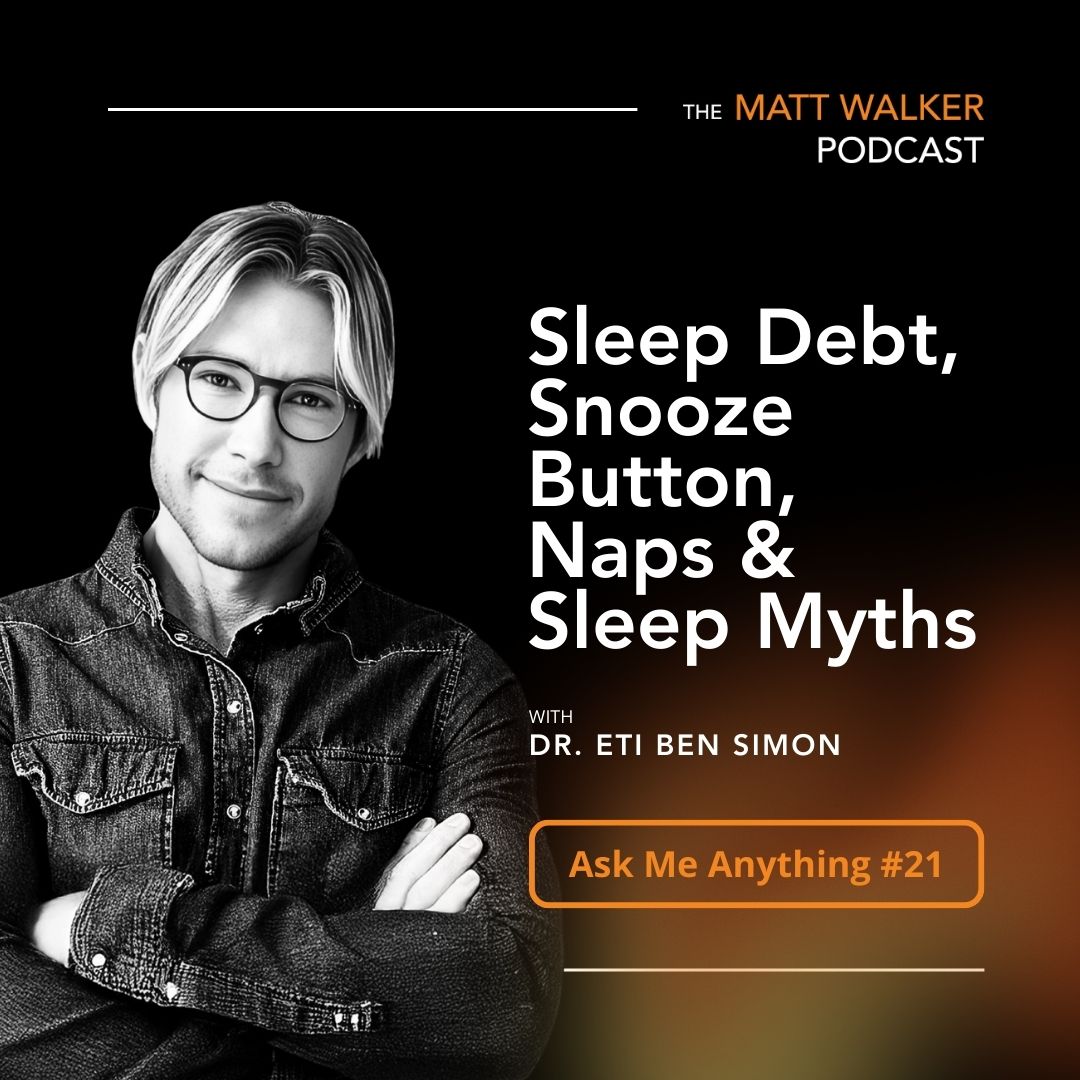
Falling asleep during passive activities like watching TV 📺 is a key sign of sleep debt. As @etoosh explains, boredom doesn't cause sleepiness - it unmasks an underlying lack of sleep. 😴#SleepDebt#Boredom
https://t.co/TzH6gE9XCh
Is your snooze button truly your friend?
Dr. Eti Ben Simon (@etoosh) joins our latest AMA to answer your questions on snoozing, sleep fragmentation, and the pseudoscience of grounding sheets.
How can you improve your wake-up routine?
#SleepScience#Podcast
Fresh results in bioRxiv! We know about the function of NREM sleep for overnight memory consolidation. But what about REM sleep?
In aging, slow delta waves can intrude phasic REM periods, and this, is associated with worse overnight consolidation (1/5) https://t.co/PVcOOgbwpi
📣 We’re recruiting 1-2 postdocs to the incredible WBHI team to lead projects mapping brain & behav’l changes across major endocrine transitions—from adolesc to pregnancy to menopause. Expertise in MRI & human subjects necc. Please reach out to [email protected] 🌊
We’re hiring!! 🥳fully funded PhD and postdoc positions in human cognitive neuroscience @MPICybernetics.
M/EEG and pioneering brain stimulation methods to study timing/ prediction/ attention/ oscillations. Come join us!
https://t.co/iFvsnYXnmA
@TimingForum @TueNeuroCampus
A very large new study 88,461 people tracked for 6.8 years with objective data (not self-reports). Result? Sleep dysfunction linked to 172 diseases across every body system. Your sleep schedule isn't just about feeling tired—it's like the master conductor of your biological orchestra. 📷
https://t.co/dPzh7Fnkta
Mouth taping has gone viral—7M+ views and 1 in 10 adults in the US have tried it. But scientific evidence is scant, and for some, risk outweighs benefit. We explore the facts and dangers in the latest episode. #SleepScience#MouthTaping
Parents may discourage naps out of concern that their child won't then sleep at night, but now, research suggests that children get more sleep over a 24-hour period if they had a daytime snooze. https://t.co/VotHBCRHyi
Matt and Dr. Eti Ben Simon (@etoosh) reveal the impact of cannabis on your sleep! 🌿While THC may initially aid sleep onset, chronic use fragments sleep and disrupts your circadian rhythm. It is a neurological double-edged sword. ⚔️😴 Is the short-term gain worth the long-term disruption? #Cannabis #SleepScience
https://t.co/asOXC4ImSN
Interested in getting better sleep quality?
No better resource than Prof Matthew Walker
@sleepdiplomat
Our conversation
https://t.co/0rAfGQXRSd
w/transcript; open-access
Pregnancy alters sleep through dynamic endocrine changes, anatomical shifts, and HCG-induced nocturia. These biological factors fragment sleep and impair its restorative capacity—like trying to charge a battery that’s repeatedly unplugged. 🤰#PregnancySleep#MaternalWellness
https://t.co/u1bNnR2z23