NanoBRIGHT is a research project funded from the European Union’s Horizon 2020 research and innovation programme under GA No 828972 #EUeic#eicPathfinder
Main result from @eu_nanobright:plasmonic structures on neural neural implant! Work by our consortium funded by @EUeic@EU_Commission with @mdv_67@LMPrida@valientelab , F.DeAngelis @IITalk
Will light matter interactions be next step for neural interface?https://t.co/78aTjnxk61
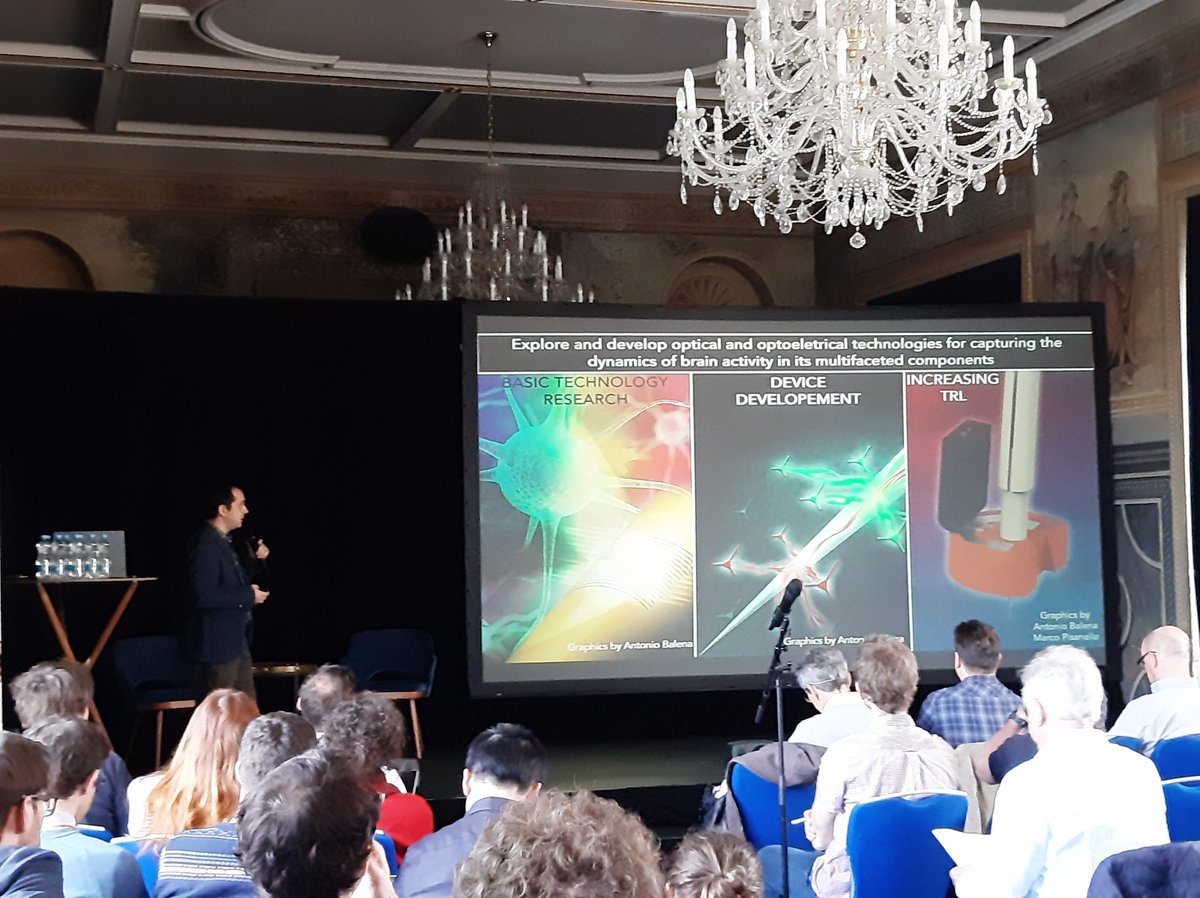
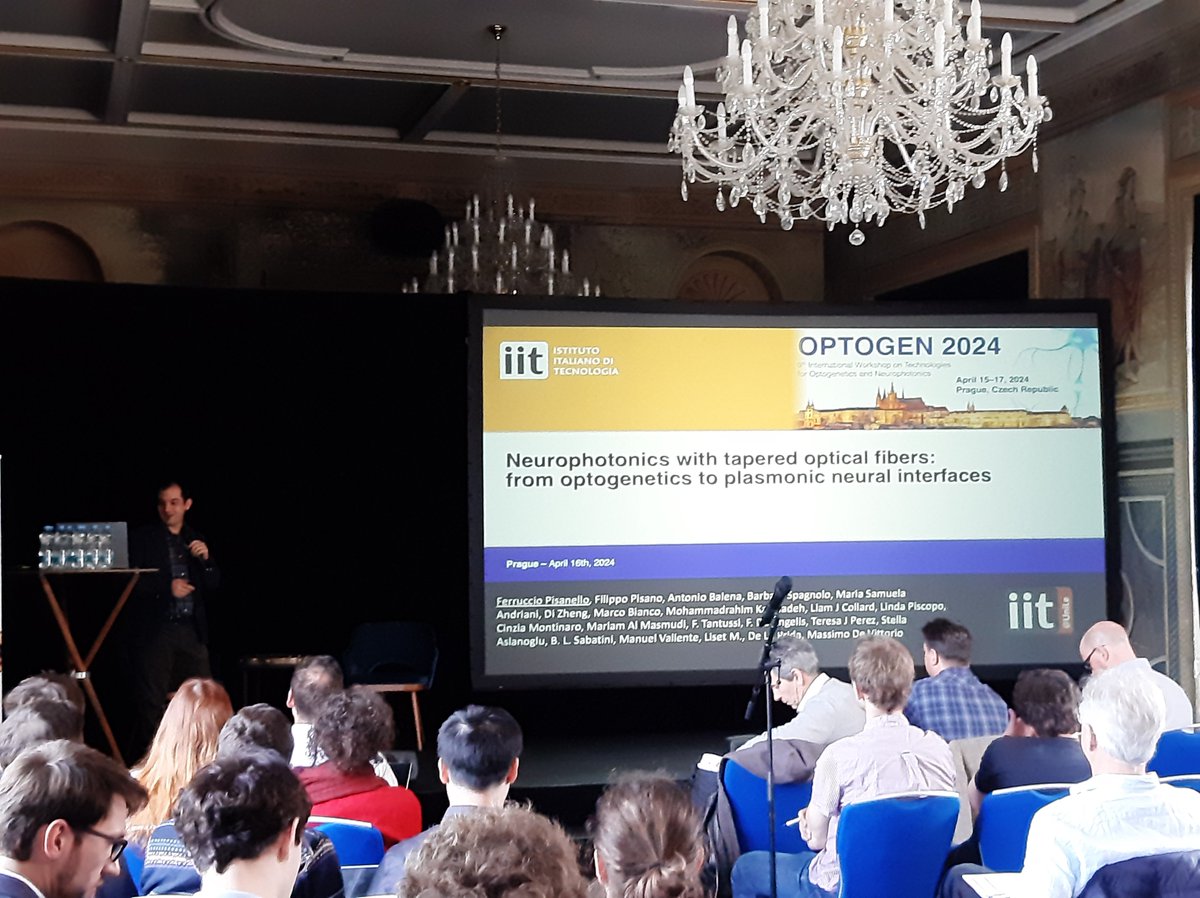
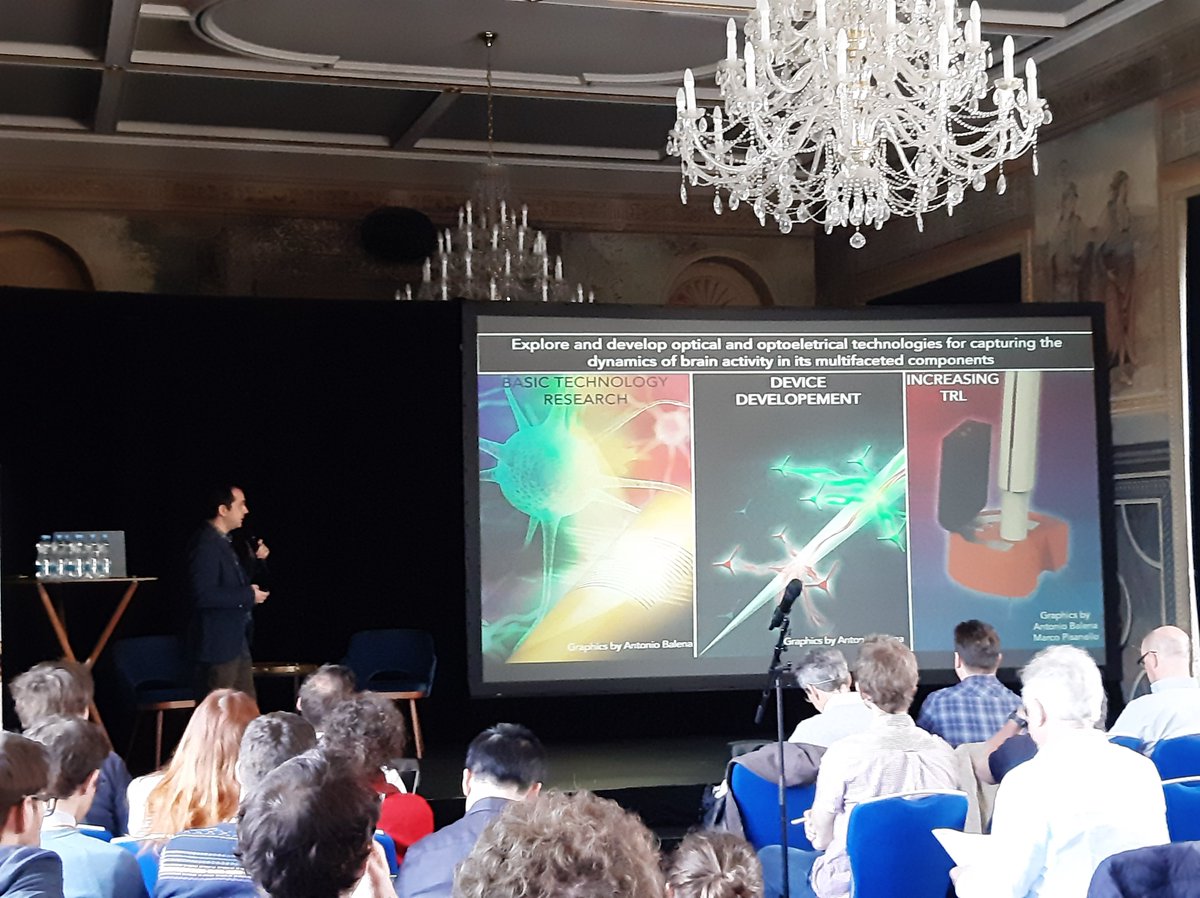
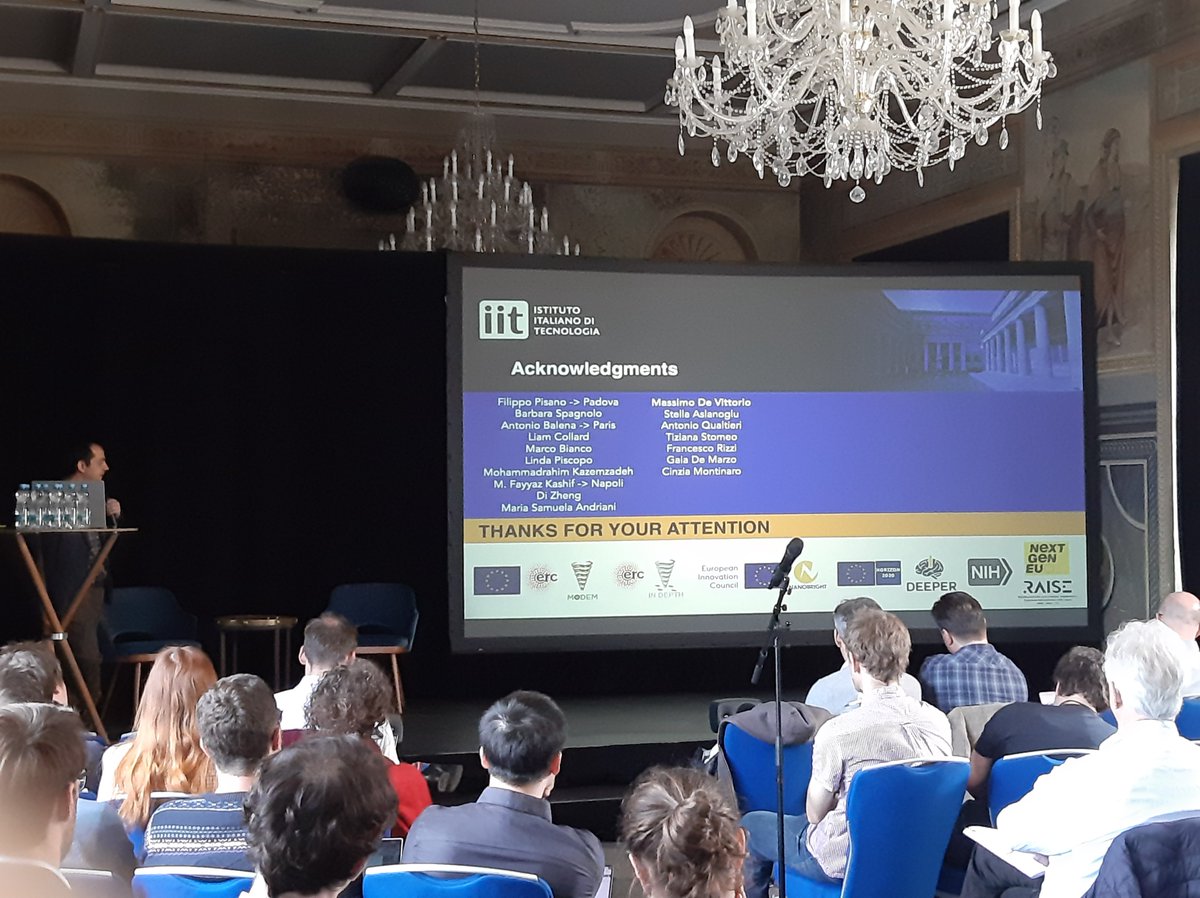
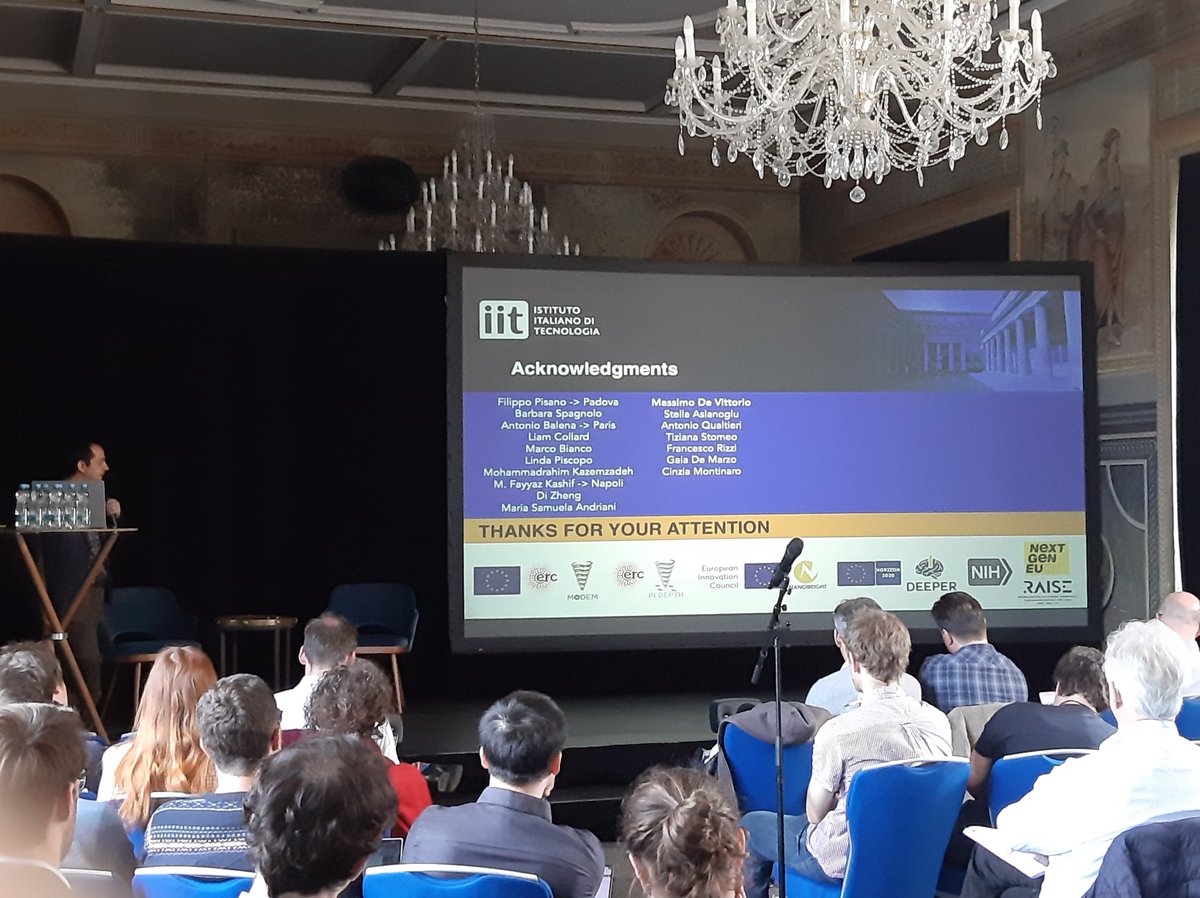
@Ferruccio_PhC got an invited talk at the conference: "Neurophotonics with tapered optical fibers: from Optogenetics to plasmonic neural interfaces". Very interesting. @EUeic#Neurophotonics#Optogenetics
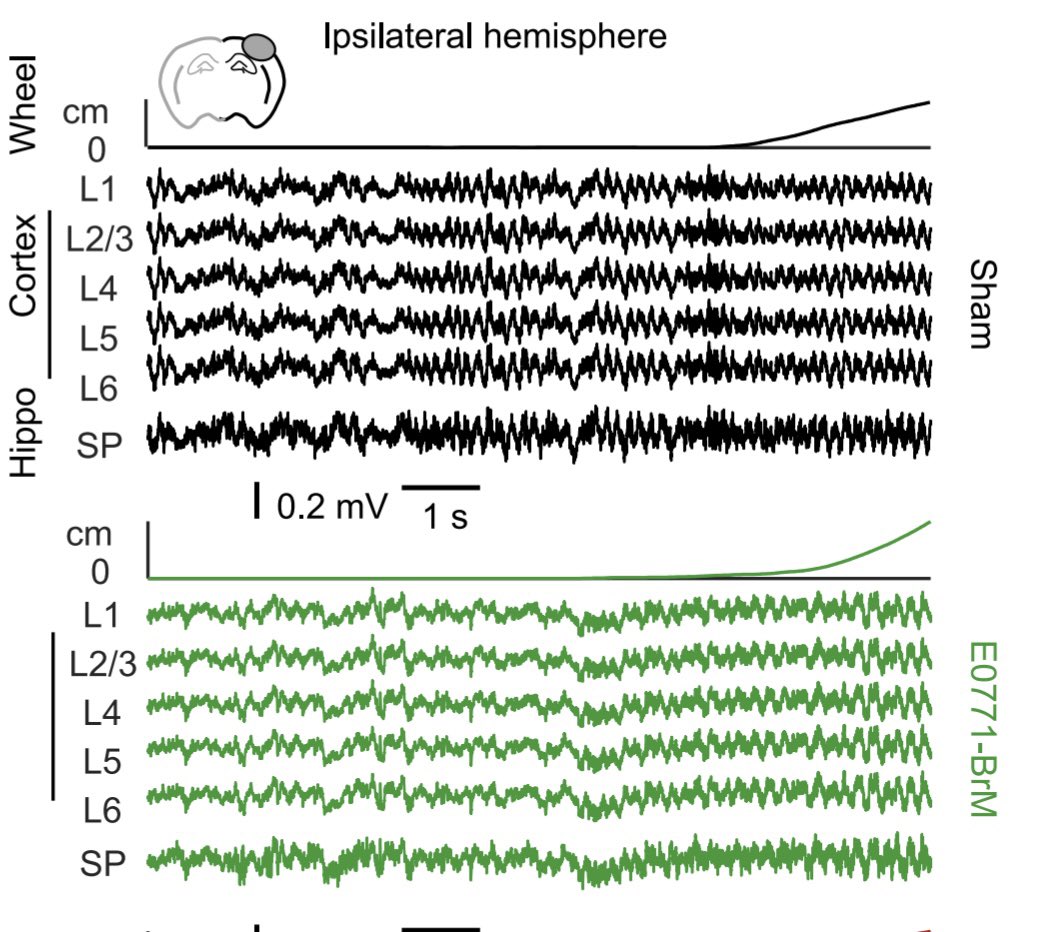
New 📝 in @Cancer_Cell! Together with @valientelab we look at the electrophysiological signatures of 🧠 metastasis, using multi-electrode recordings and #MachineLearning . By Alberto Sanchez-Aguilera, @mariam_masmudi@acnavasolive & many others👉🏼 📝 https://t.co/k2zKwUFjjw 👇🏼🧵
Hasta ahora, se asumía que la metástasis afectaba a la capacidad cognitiva debido a que el tumor presiona el tejido neuronal, pero a menudo no hay relación entre tamaño del cáncer y cognición. La idea de que la metástasis altera la actividad cerebral supone un cambio de paradigma
Los tumores cerebrales ‘hackean’ la comunicación entre las neuronas. Investigadores del #CSIC y @CNIOStopCancer proponen que la pérdida cognitiva en pacientes con metástasis cerebral puede deberse a ‘interferencias’ del cáncer en los circuitos neuronales
➡️https://t.co/1G1gbxUjvn
Very delighted to invite you all to submit an abstract for a poster at the upcoming Workshop on Nonlinear Optics and Plasmonics, to be held in Lecce, Italy, Sep. 6-8, 2023. Please, share this with young researchers in your group! @IITalk
👉 https://t.co/2VEJHDEmWu
@AdelineMarcos nos ha hablado del proyecto europeo NanoBRIGHT, empleo de la luz para estudiar y tratar el cerebro en casos de cáncer, traumatismos y enfermedades como la epilepsia. Con testimonios de Liset Menéndez de la Prida @LMPrida (@InstitutoCajal).
💡 Desarrollan sondas de fibra óptica para detectar con luz las metástasis y lesiones cerebrales.
Esta tecnología desarrollada por la investigadora #CaixaResearch@LMPrida (@InstitutoCajal) podría mejorar el tratamiento quirúrgico de estas afecciones.
https://t.co/giihEMIMT5