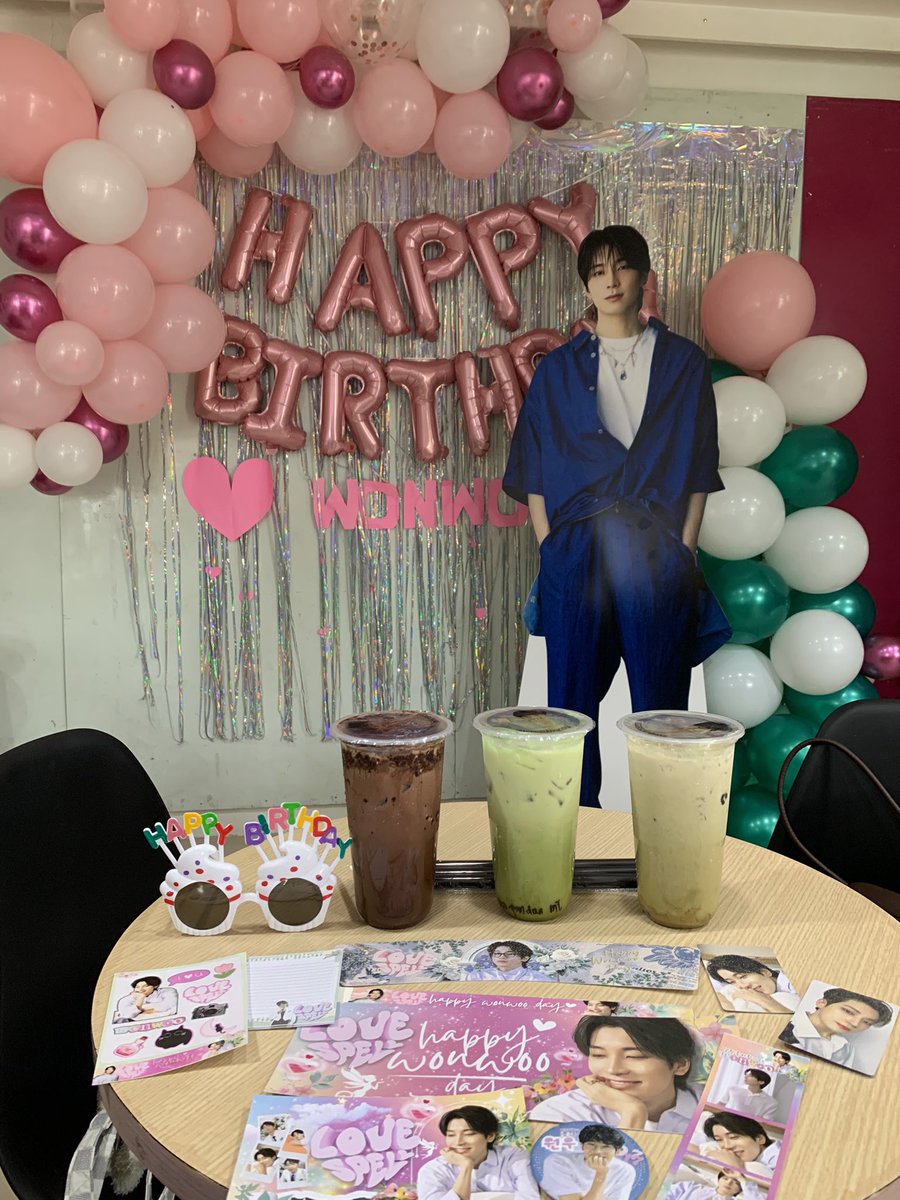
The long wait is over💛
Left and Right Challenge by your 2Babies is out now!
2B or not 2B.
P. S. Ang mag like and view, ma CPA chours😉
#2BContinued#Left_n_Right
@AdDUSASEC
잊다 = to forget to do something, to forget someone, to get over a breakup
깜빡하다 = to forget to do or bring something (지갑을 깜빡했어요)
까먹다 = to forget some information (이름을 까먹었어요), to forget to do something [very very casual]
업다 = to carry someone on the back
아기를 업고 있어요. = I’m carrying a baby on my back.
업어 주다 = to give someone a piggyback ride
업어 주세요. = Give me a piggyback ride.
업히다 = to get on someone’s back [어피다]
업히세요. = I’ll give you a piggyback.
뽀짝 is a new slang word that means that someone looks very cute with their little movements or gestures :) You can also see hashtags like 뽀짝뽀짝 and 귀염뽀짝. #LearnKorean#TTMIK
지금 = now, right now
이제 = now (that this happened), from now on (showing a change of situation)
지금 뭐 해요? = What are you doing now?
이제 뭐 해요? = What are you going to do now?
We have an e-book introducing sets like this: https://t.co/LEtY8O737G
It’s [verb stem] + -아/어/여 줘 in casual language and -아/어/여 주세요 in formal language.
해 주세요. = Do it (for me). (formal)
해 줘. = Do it (for me). (casual)
10시까지 와 주세요. = Come by 10 o’clock. (formal)
10시까지 와 줘. = Come by 10 o’clock. (casual)
형제 = brothers (형 兄= older brother / 제 弟 = younger brother in Chinese characters)
자매 = sisters (자 姊 = older sister / 매 妹 = younger sister in Chinese characters)
“Siblings” is technically “형제자매” :) but some people might feel that it’s too long.
화를 내다 (or 화내다) = to get angry at someone (you "decide" to show anger at another person and acts in that way)
화가 나다 (or 화나다) = to feel angry (you didn't want to, but you are feeling that emotion)
Sample sentences: https://t.co/B9jGqaIXch
Fun expression :D
나는 명함도 못 내밀겠네. (or 저는 명함도 못 내밀겠네요 in formal language)
Literal translation = “I can’t even present my business card.”
Actual meaning = “Someone is so good at something that I can’t even compete.” / “I’m not at that level.”
-자 is “Let’s” in casual language ( https://t.co/LW65uBCMWF ) but it can also mean “Come on, let me + verb”
나도 좀 보자. = Let me see that too.
(나) 잠 좀 자자. = Let me sleep.
나 좀 지나가자. = Let me pass through.
Kind of like “Let’s work toward this result I want.”
A more literal translation is ~ 어땠어요? like “주말 어땠어요?” or “주말 어떻게 보냈어요?”
but a more natural way to ask is using 잘 (well) like 주말 잘 보냈어요? (Did you spent your weekend well?) or 재미 (fun) like 파티 재미있었어요? (Was the party fun?)