근데진짜이걸어케하는거임...
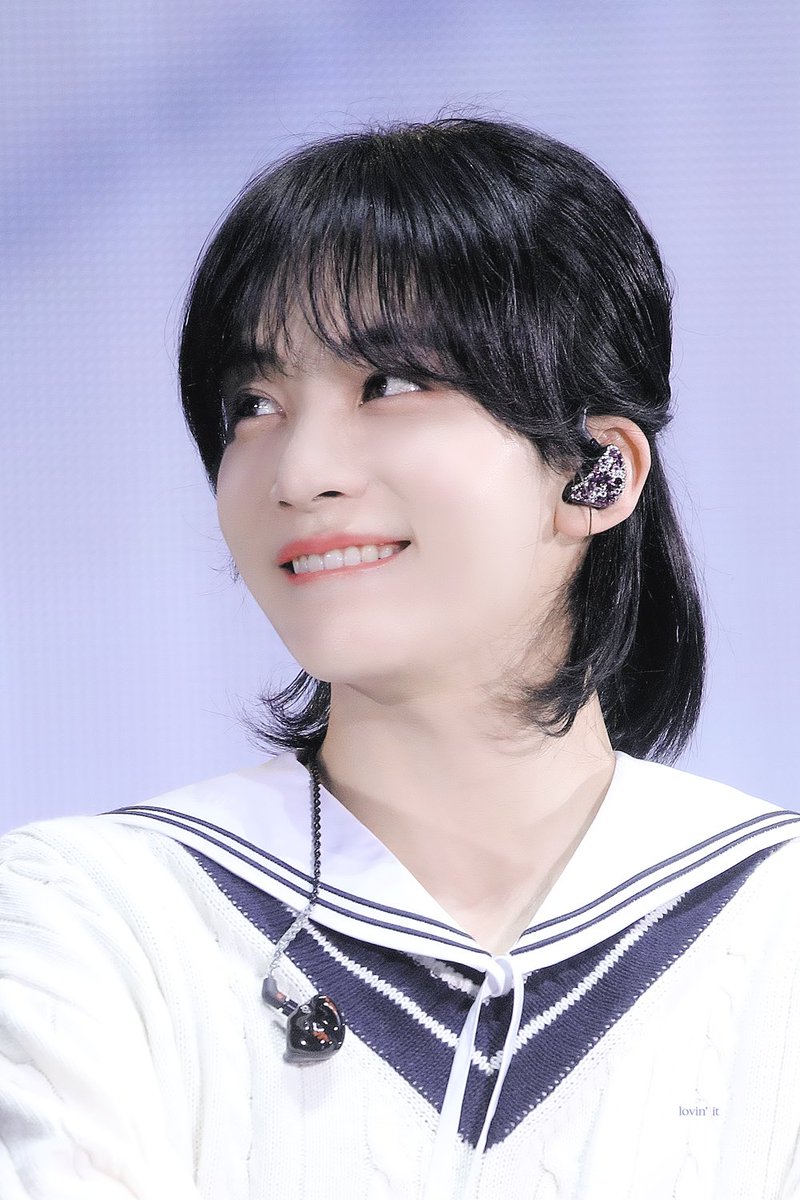
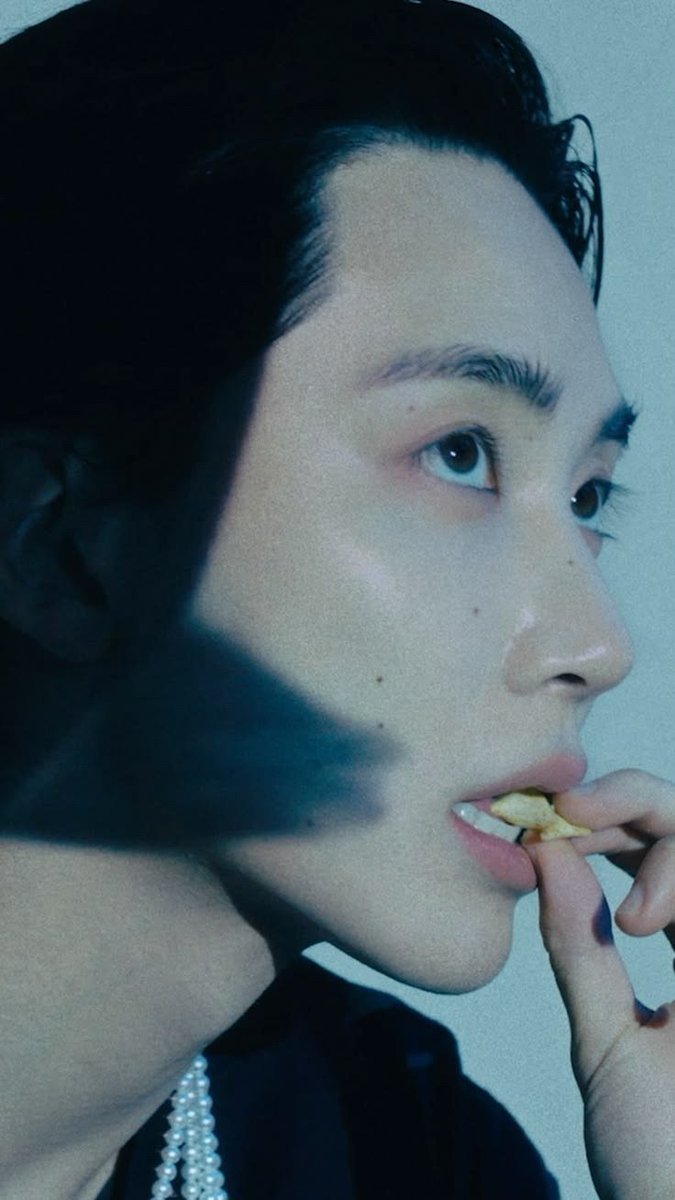
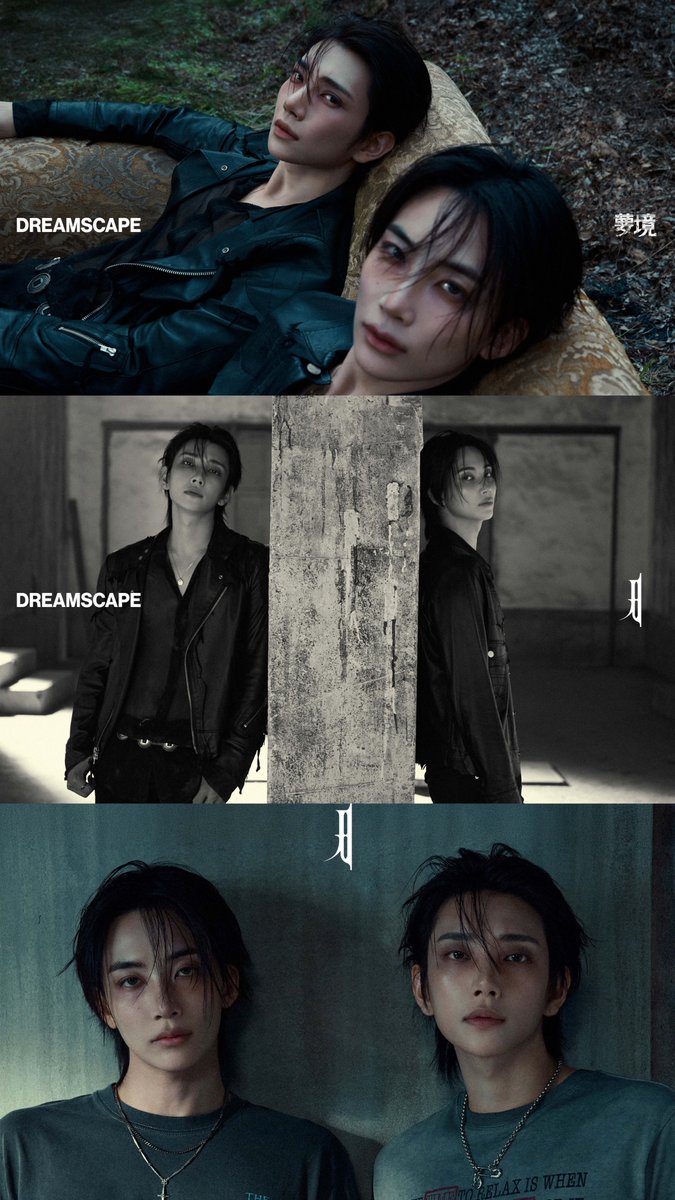
한 사람이 어떻게 이렇게 다른 분위기를 내냐고
경탄 나오는 지점이 뭐냐면 막 특별히,
소위 말하는 눈깔을 갈아끼운 <<
느낌으로 다른 분위기를 내는 게 아니고
똑같이 깨끗한 눈과 페이스인데
스무스하게 장르를 바꿈...
스타일 아예 다른 감독이 메가폰 잡은 것처럼
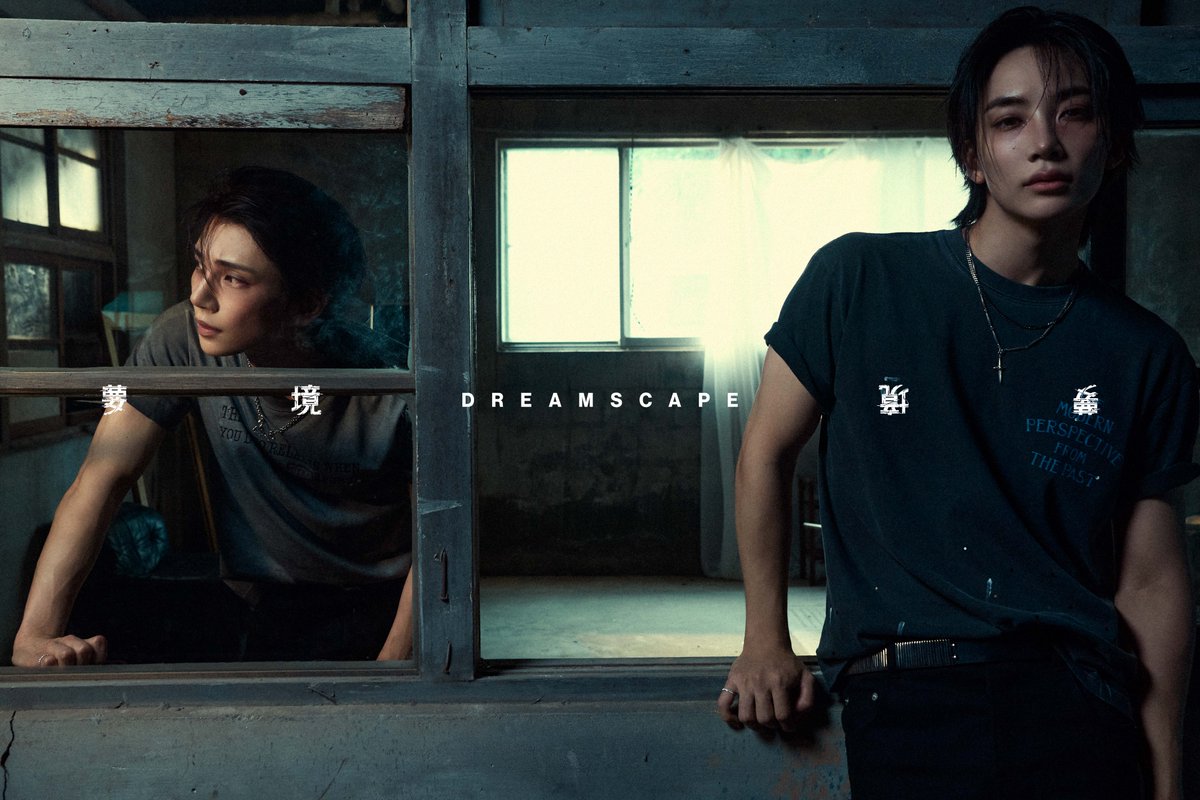
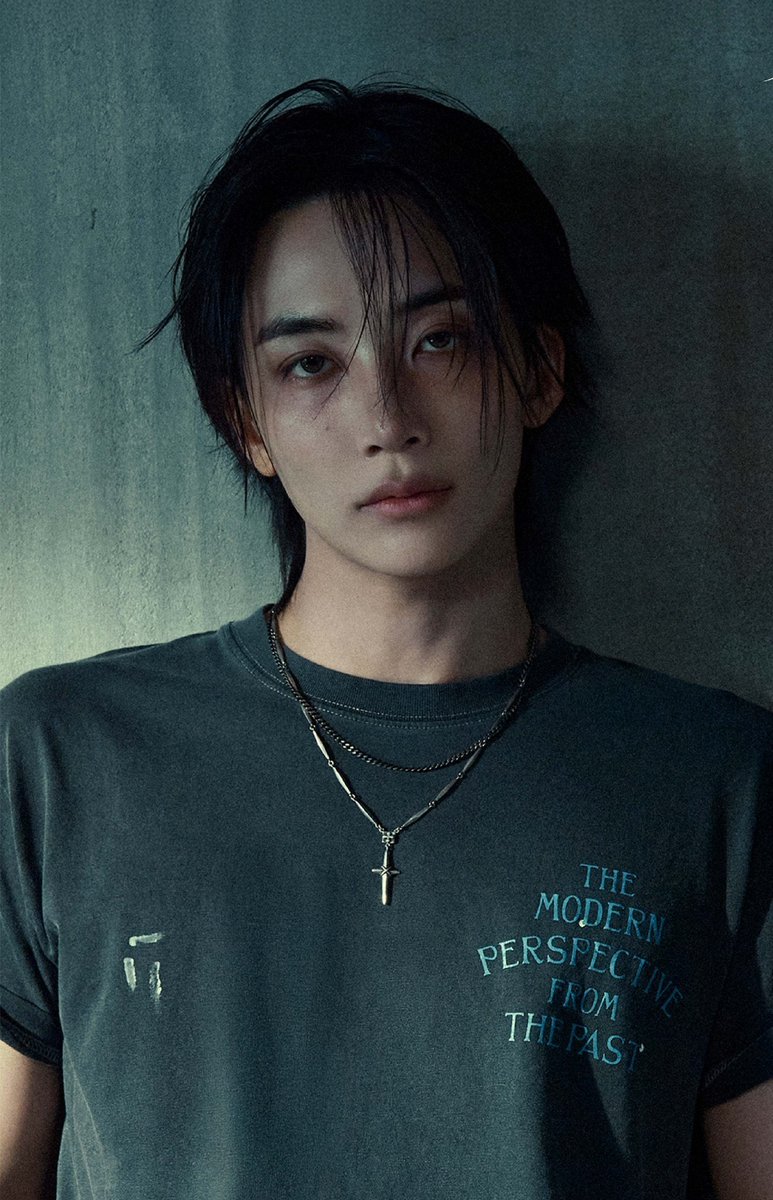
Okay, hold on, because I genuinely thought DREAMSCAPE was just giving me THIS MAN flashbacks, and then I actually went back and looked at the visuals side by side 😭
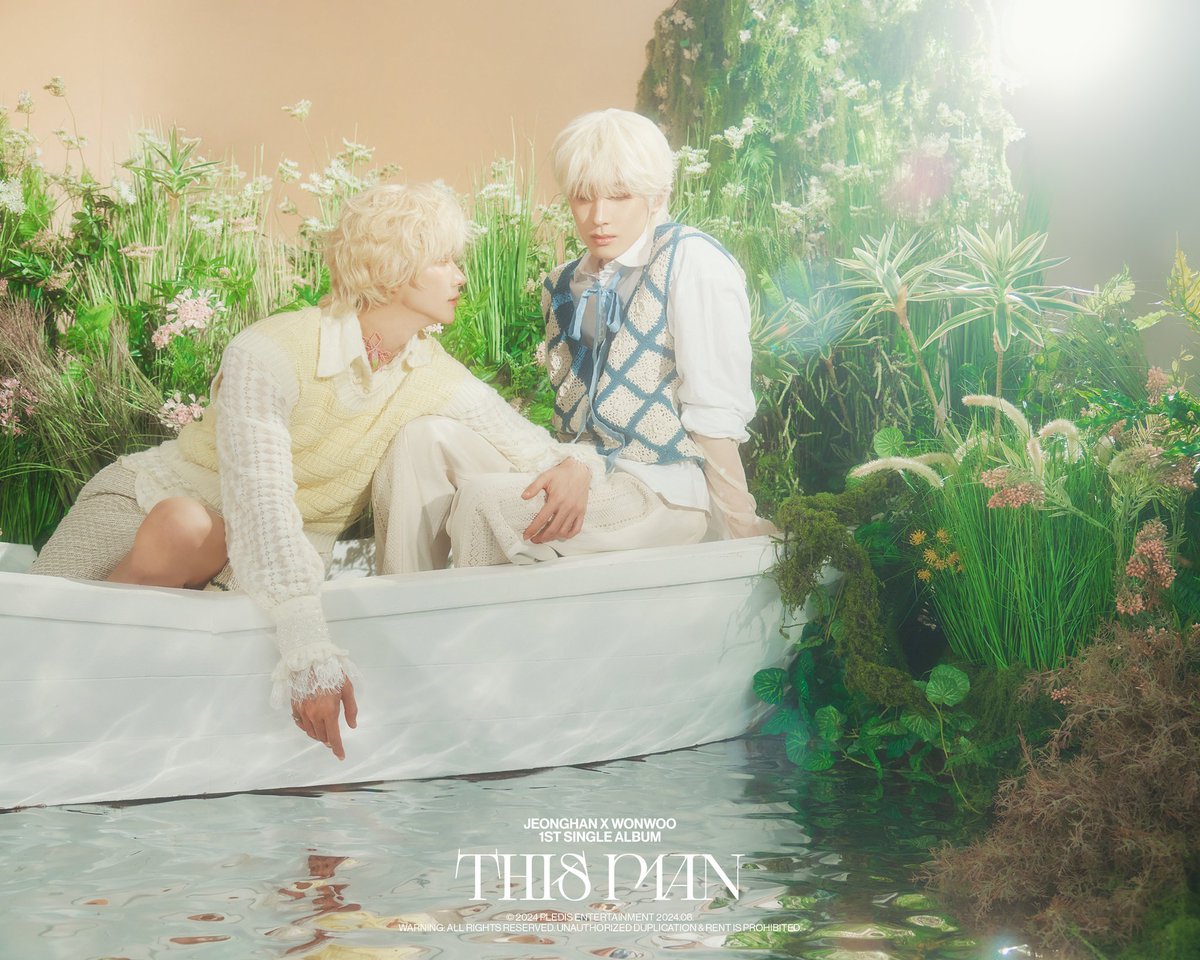
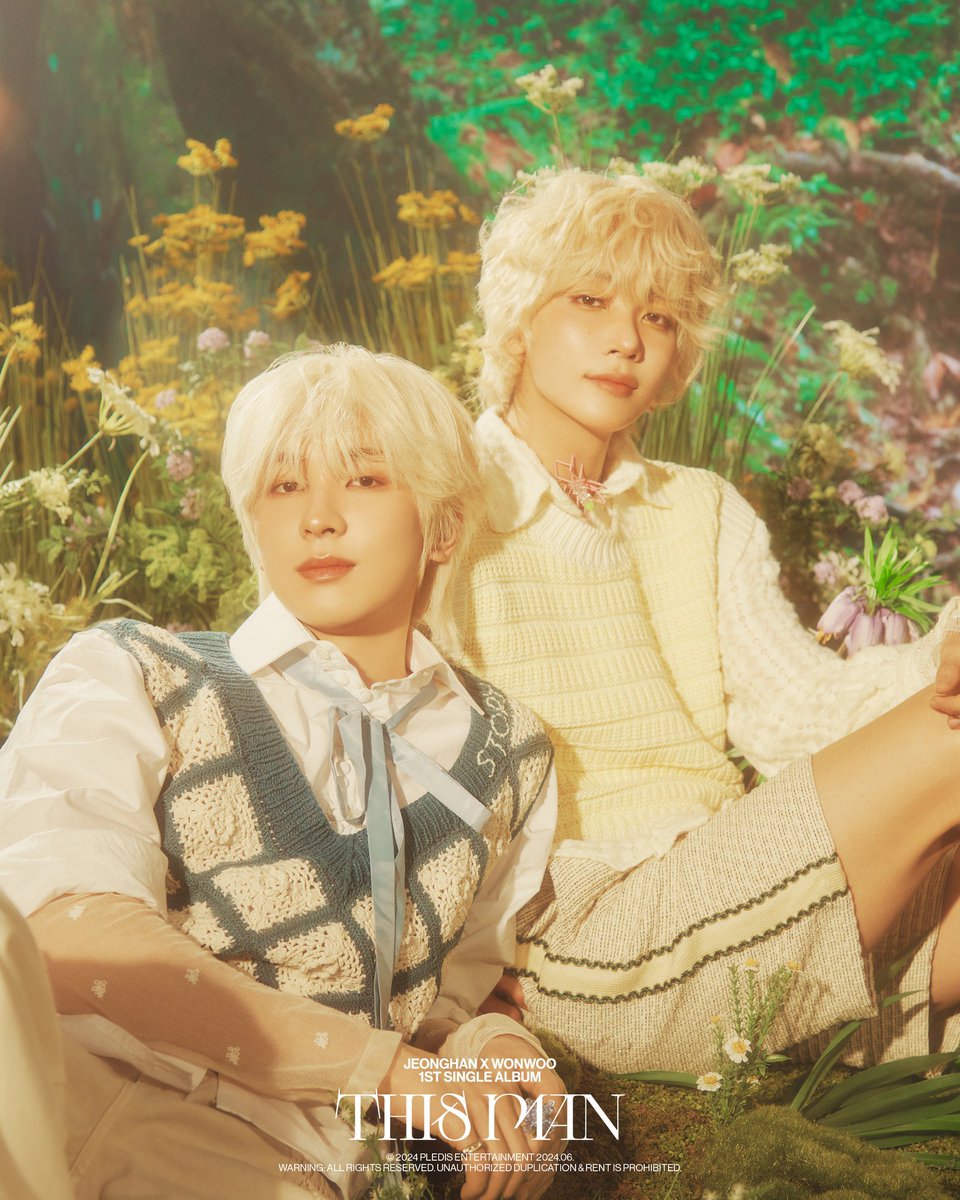
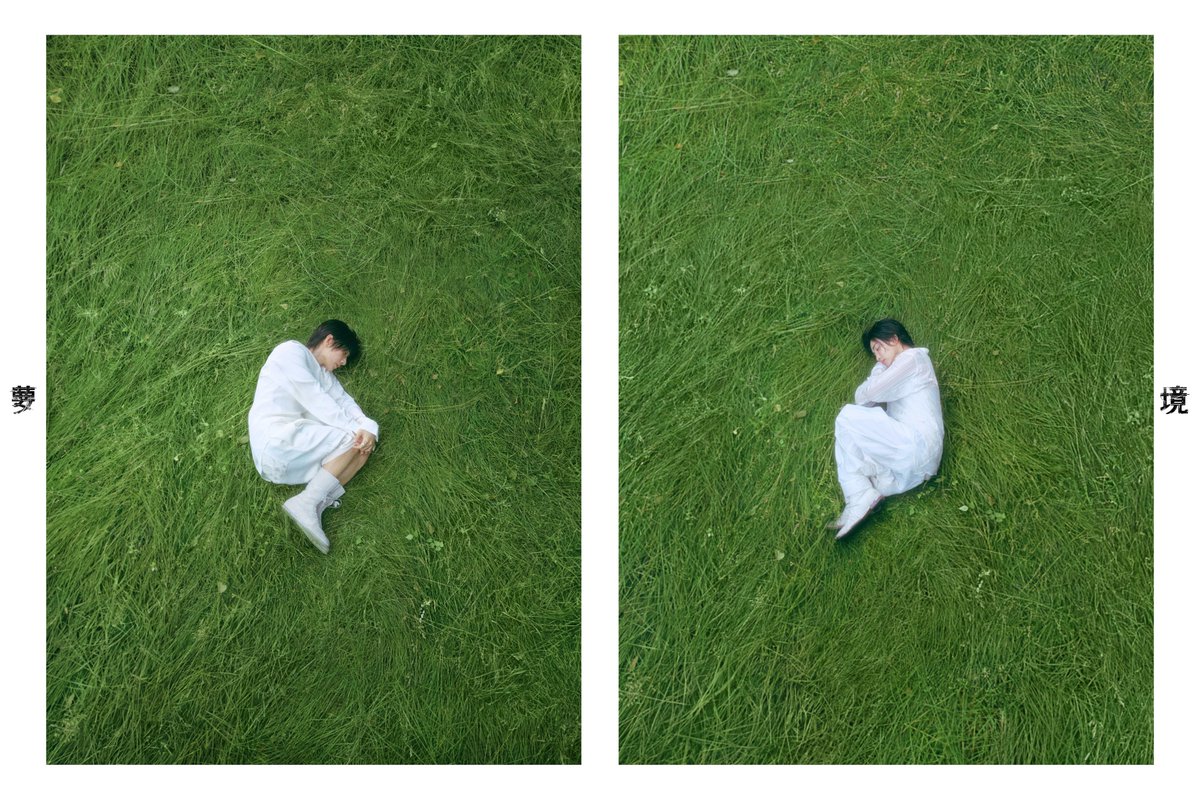
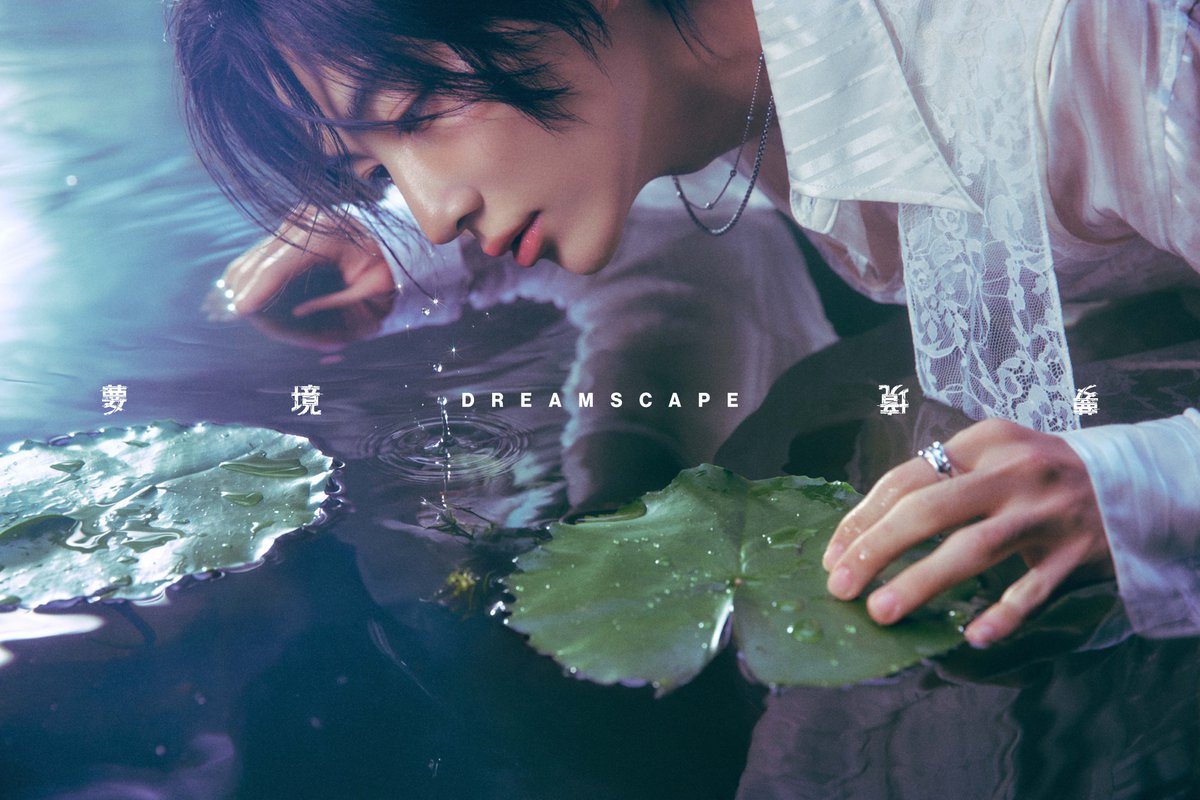
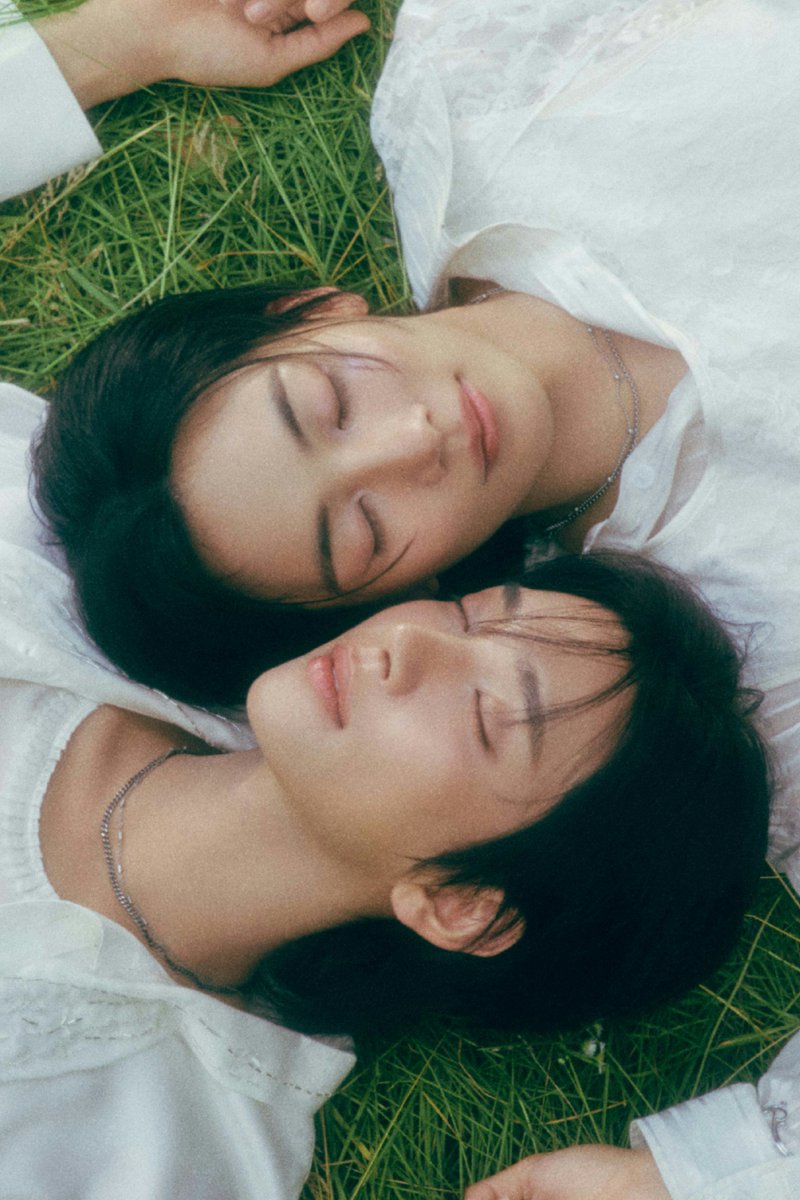
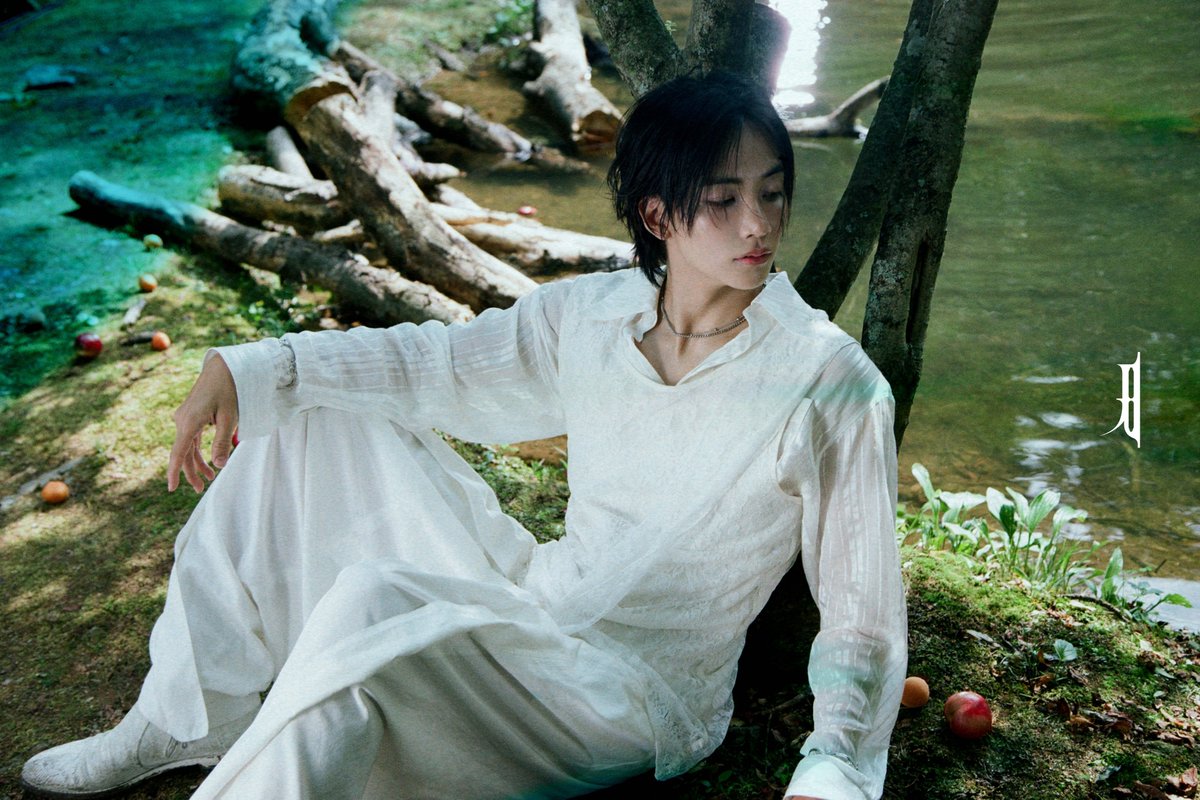
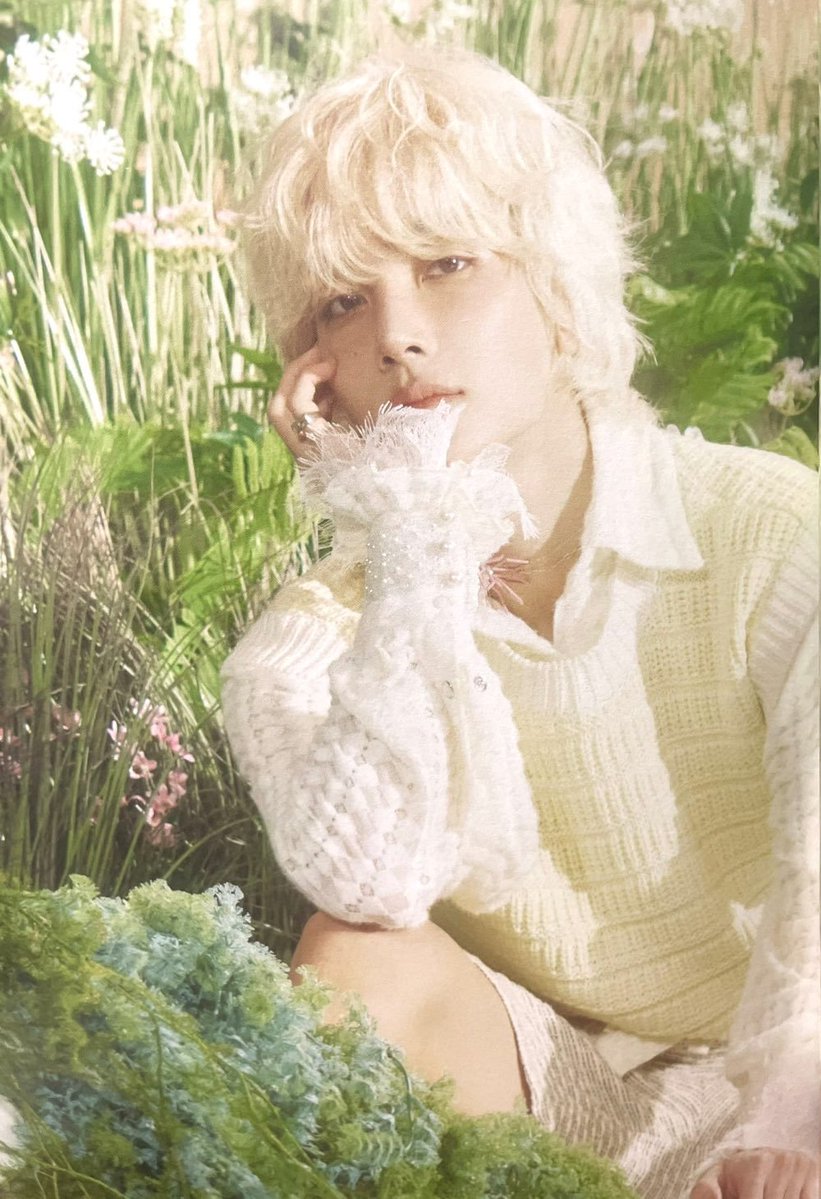
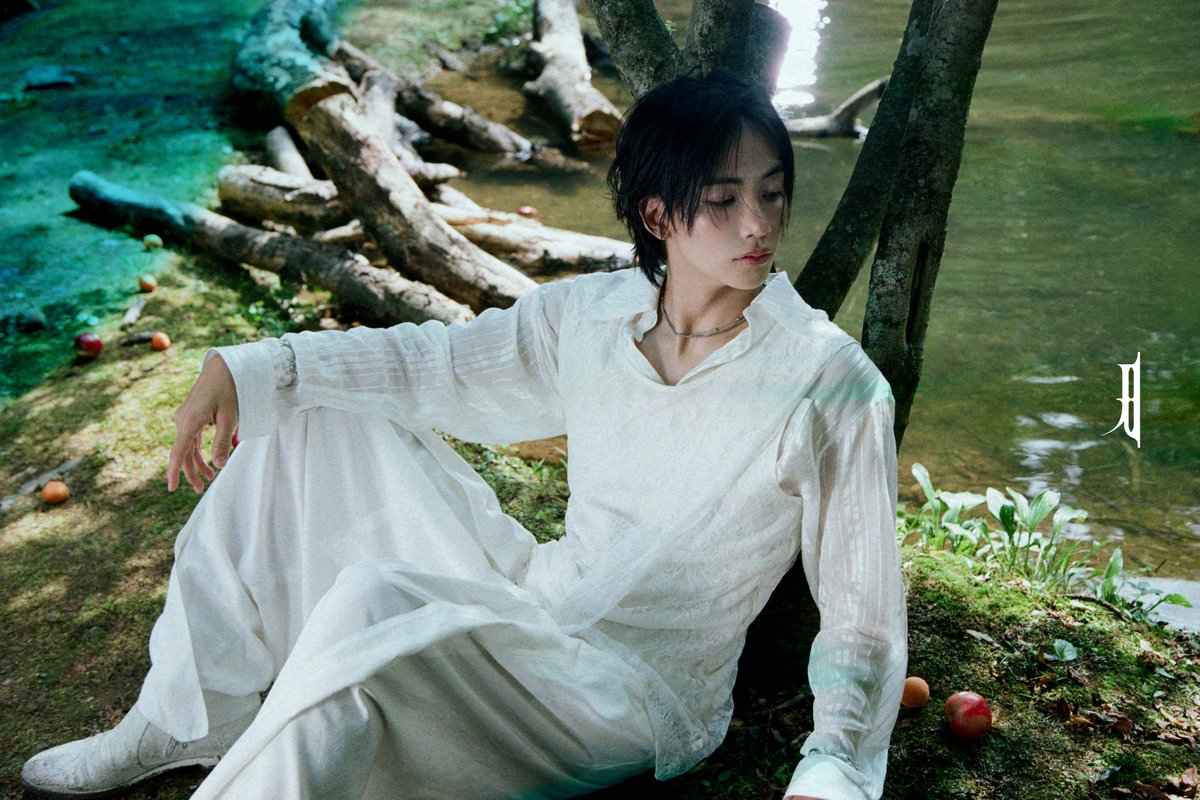
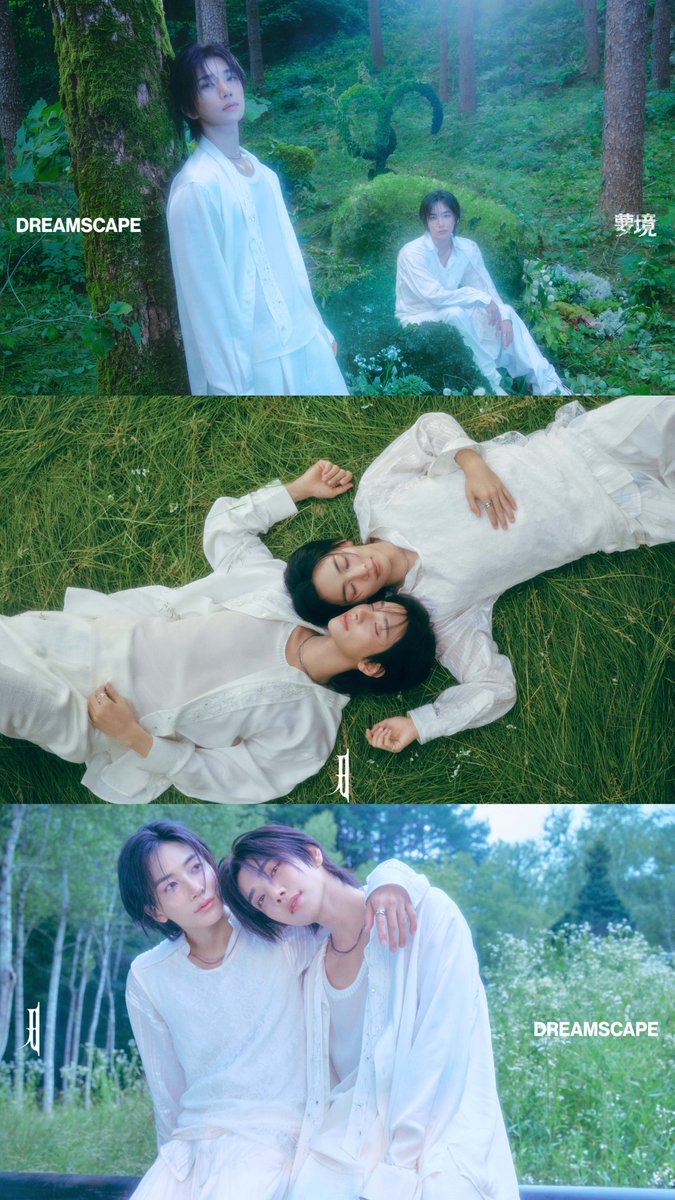
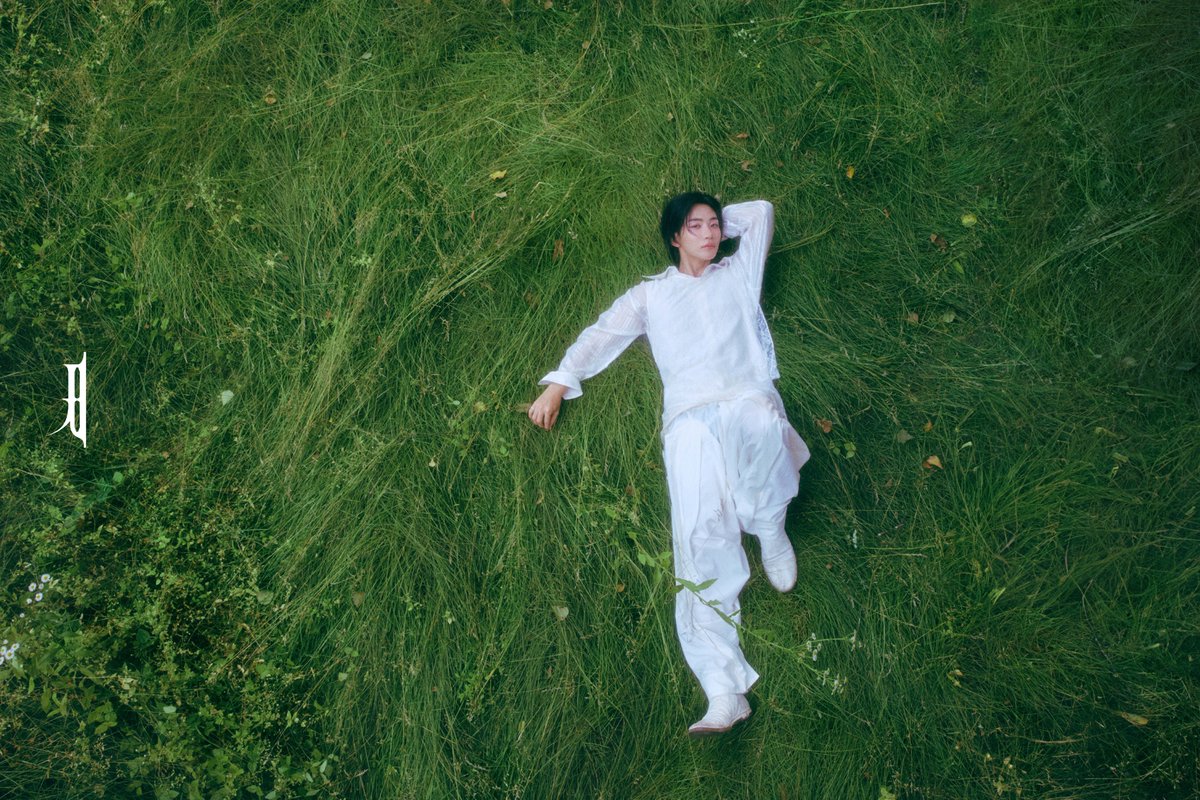
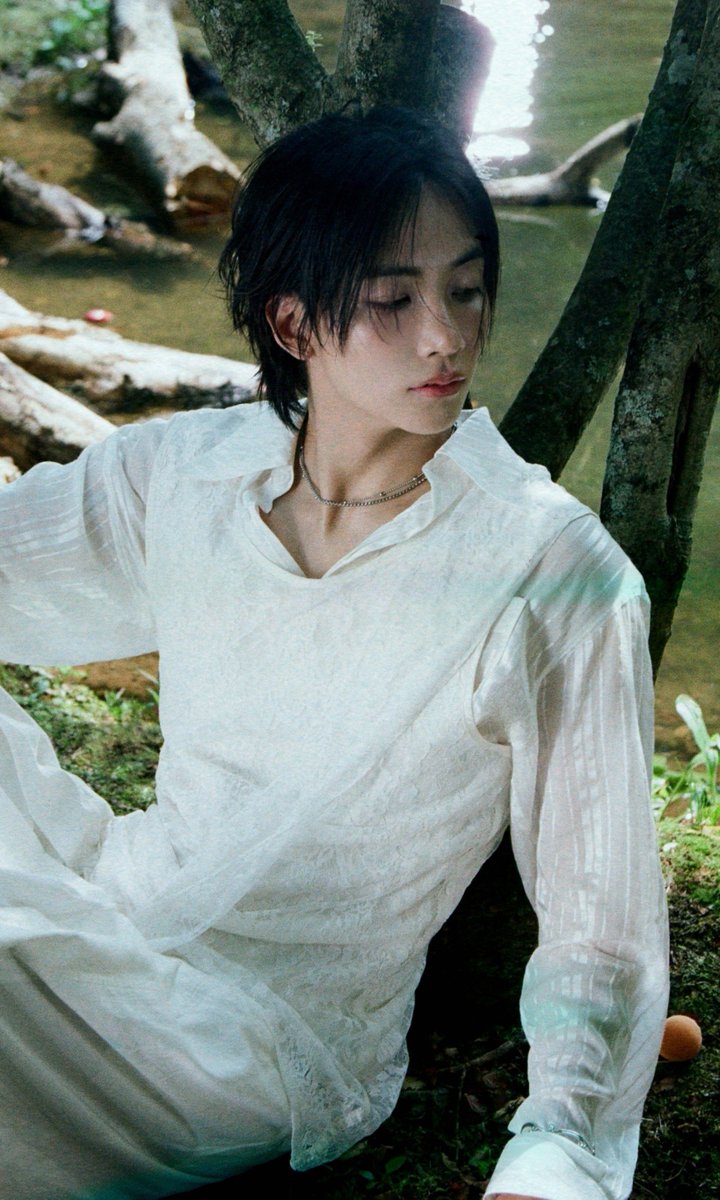
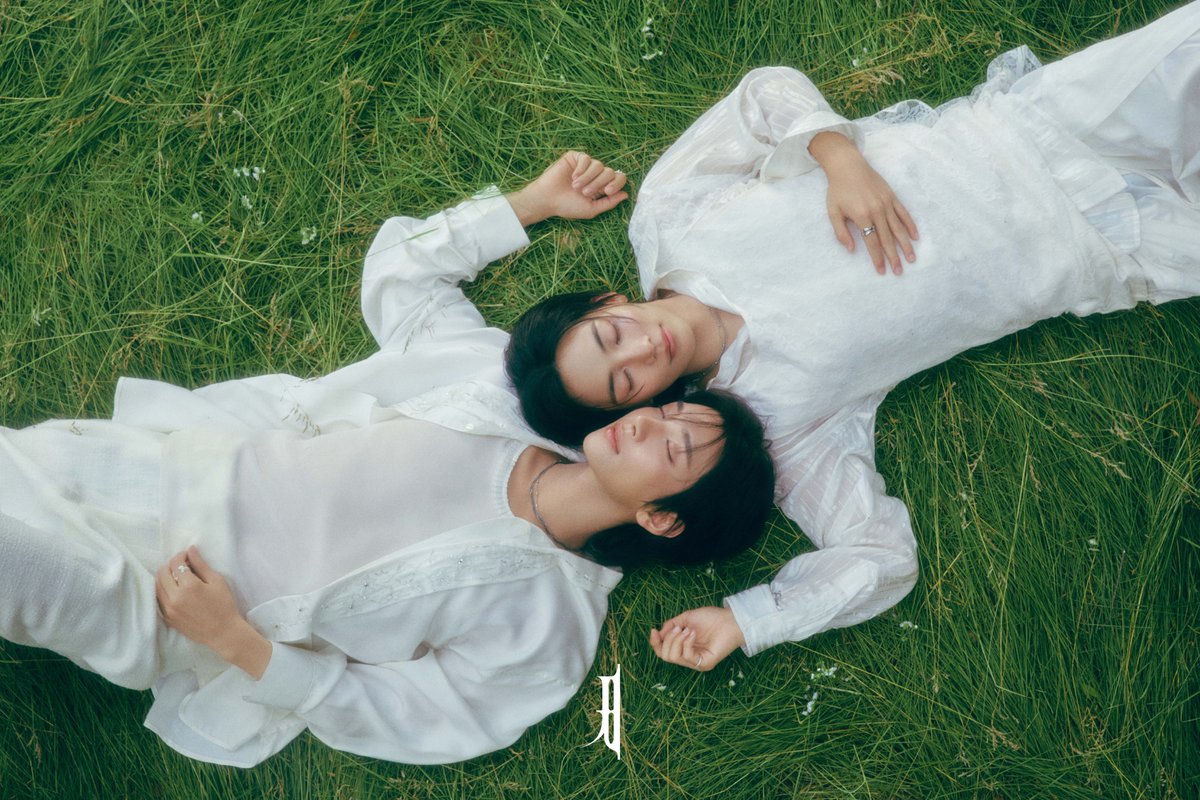
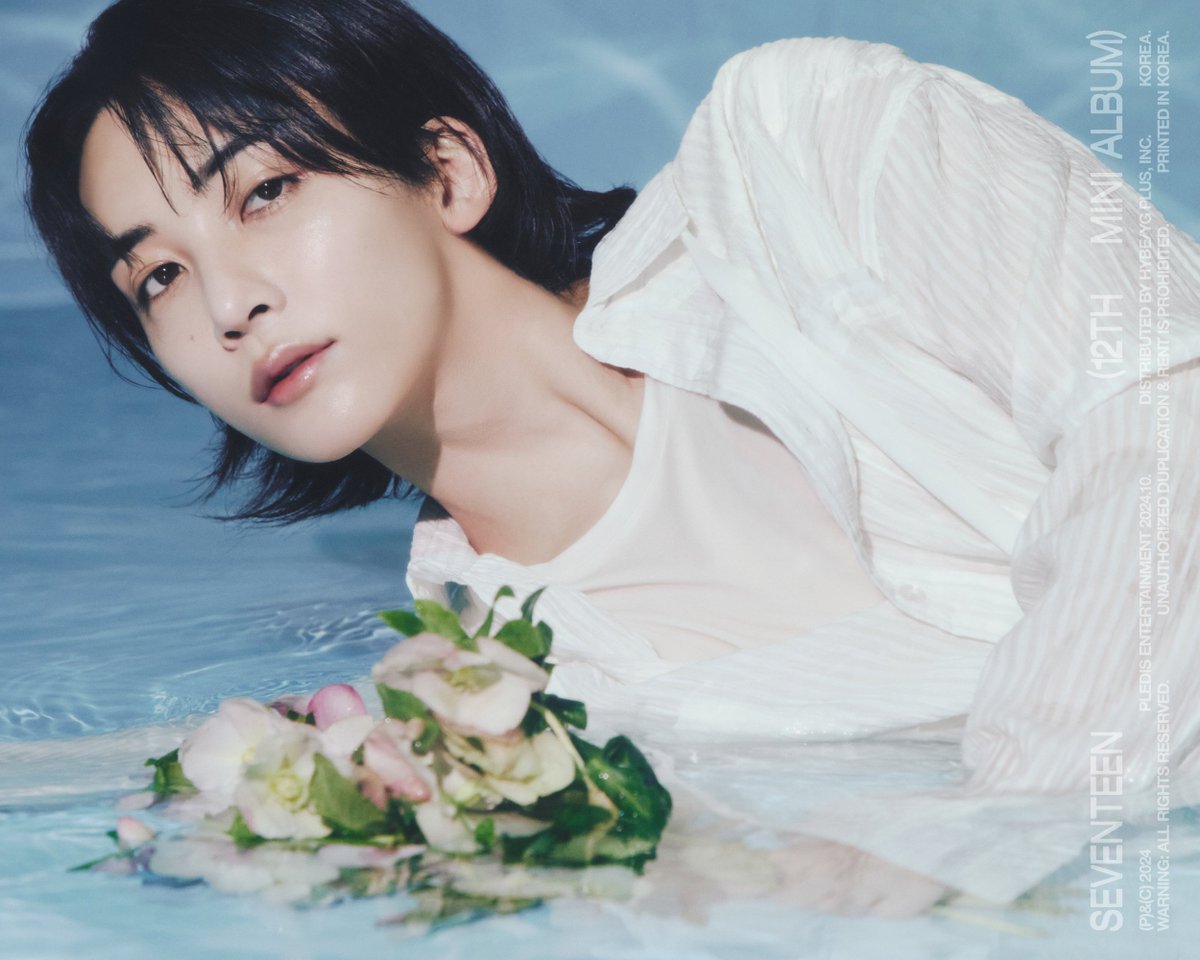
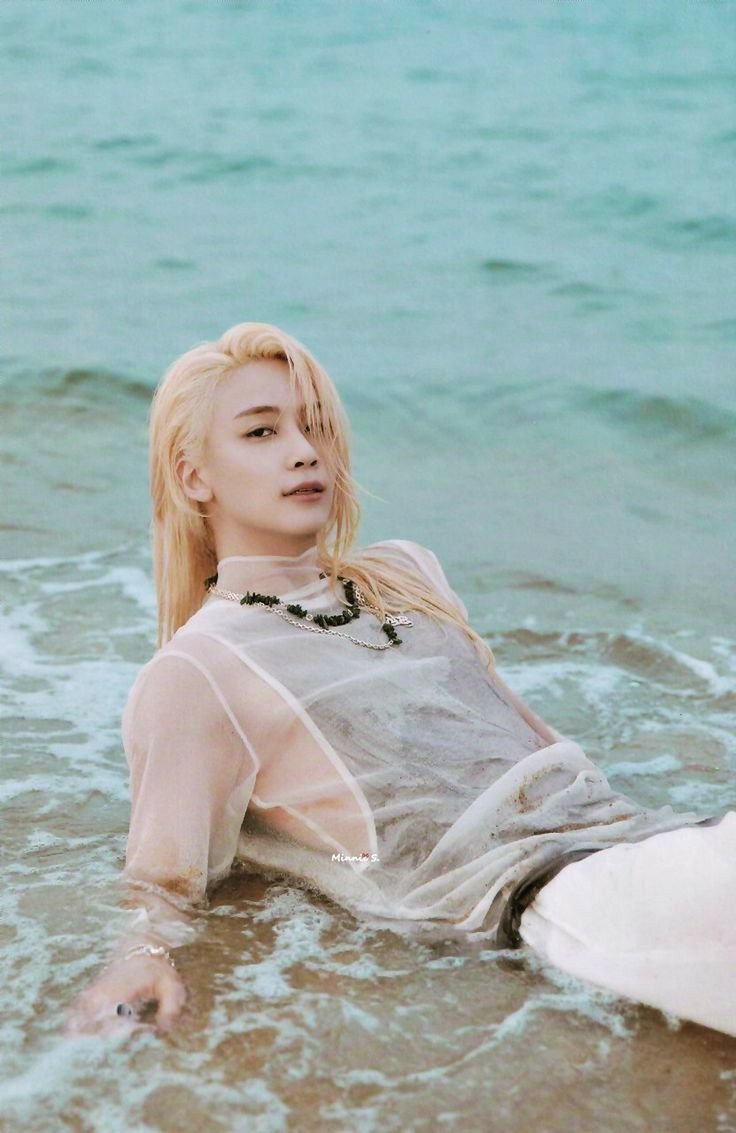
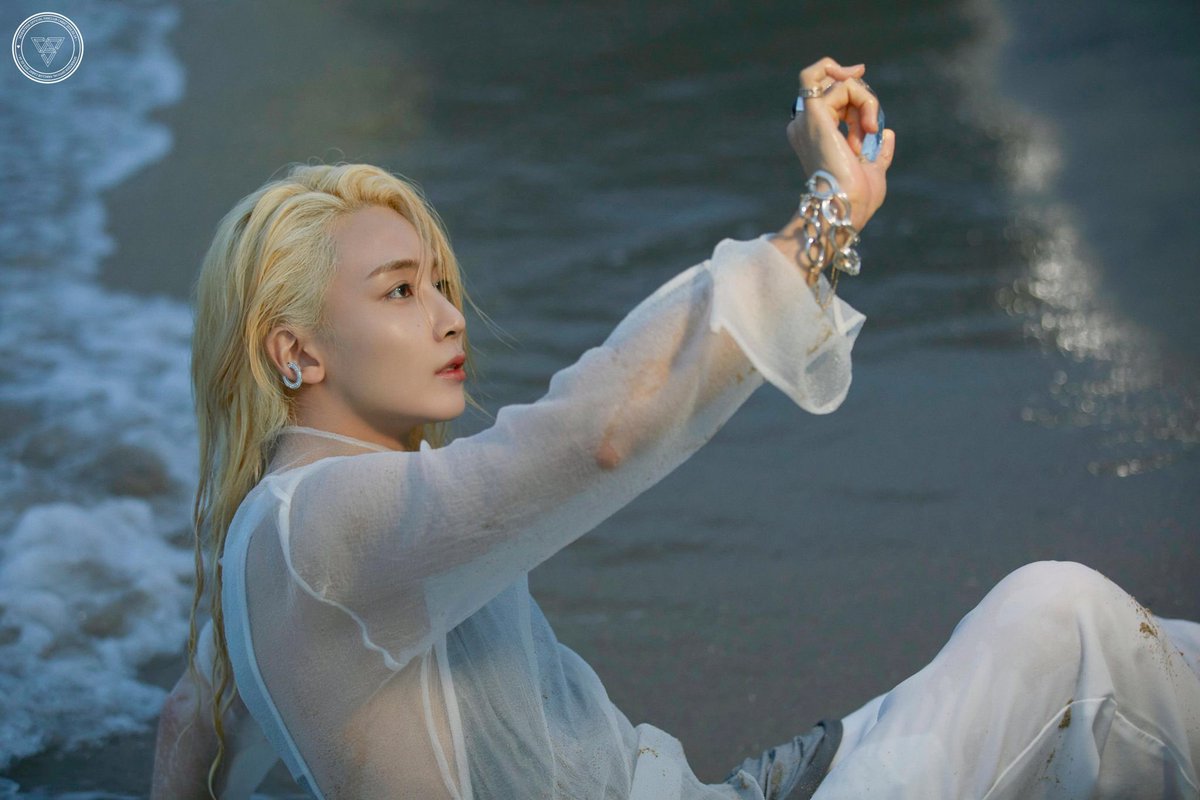
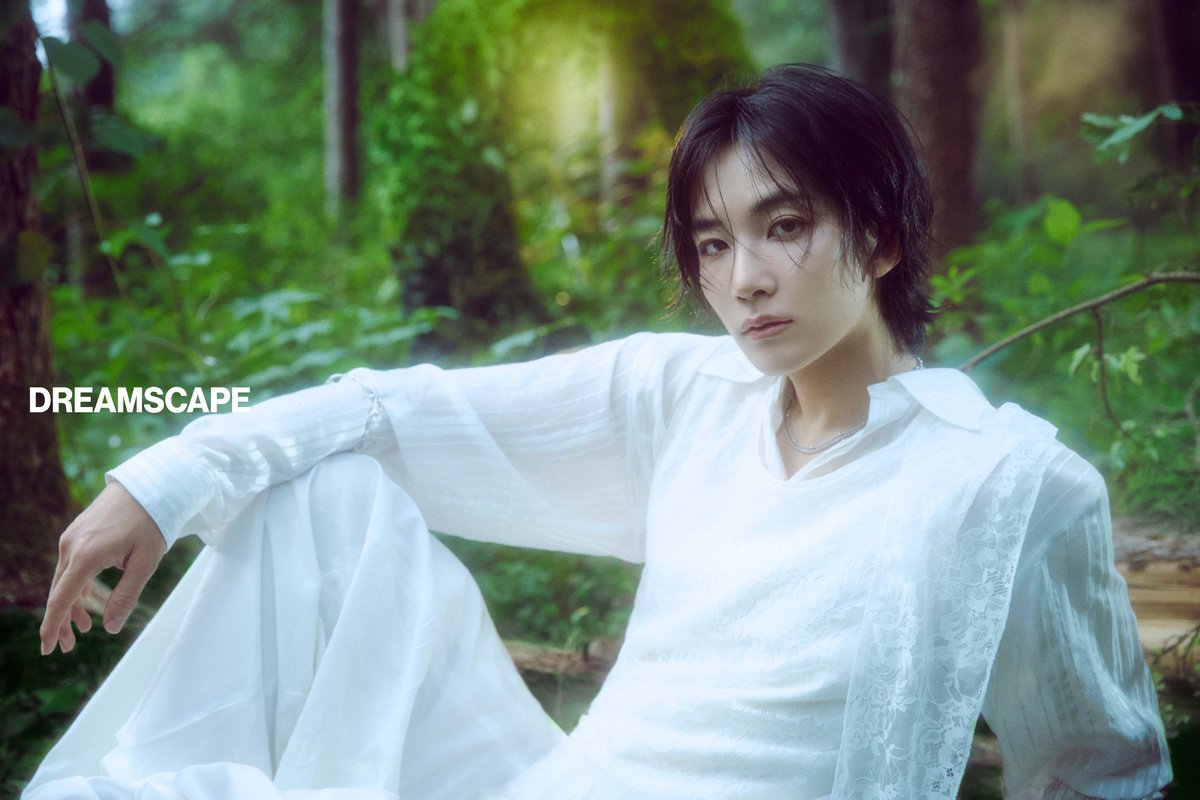
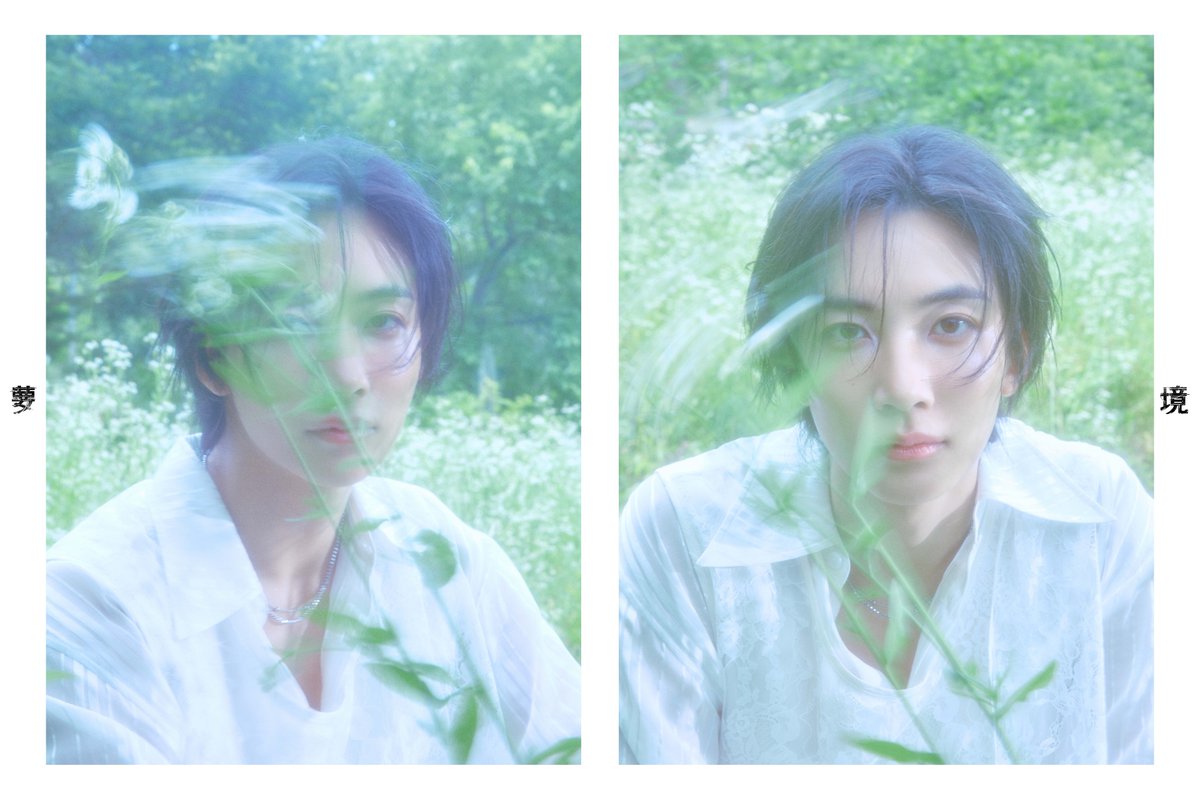
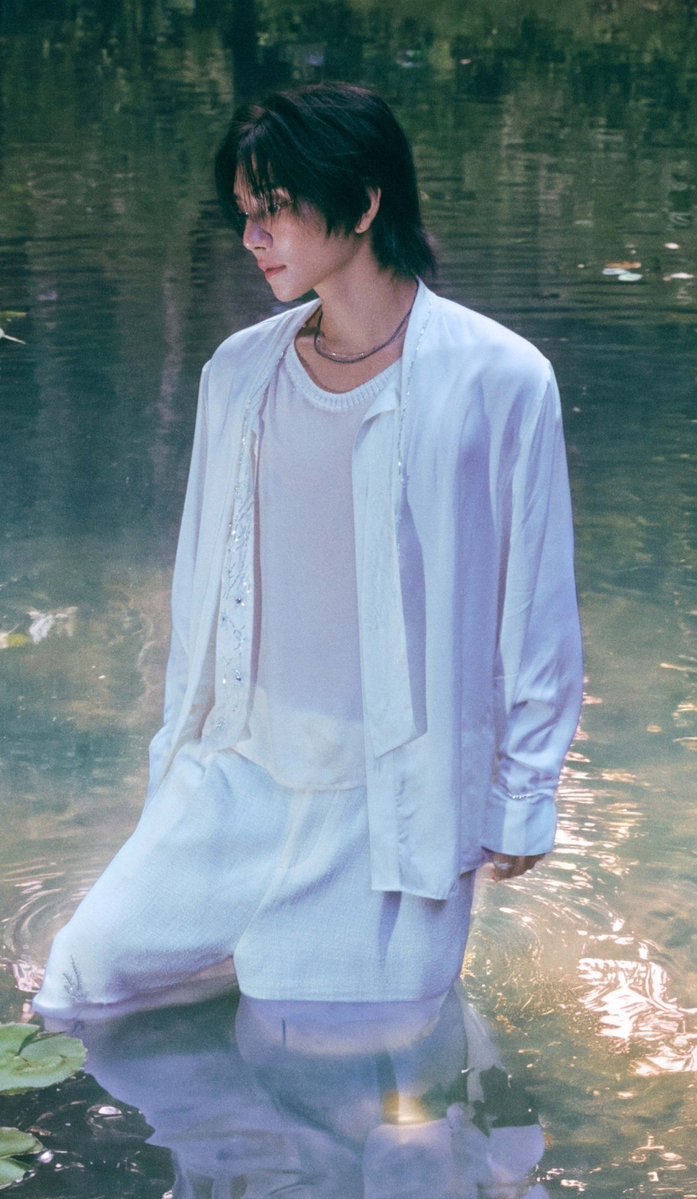
Because tell me why we have two men in white, surrounded by overgrown greenery, flowers, and water, with everything slightly hazy and unreal, their bodies almost disappearing into the landscape.
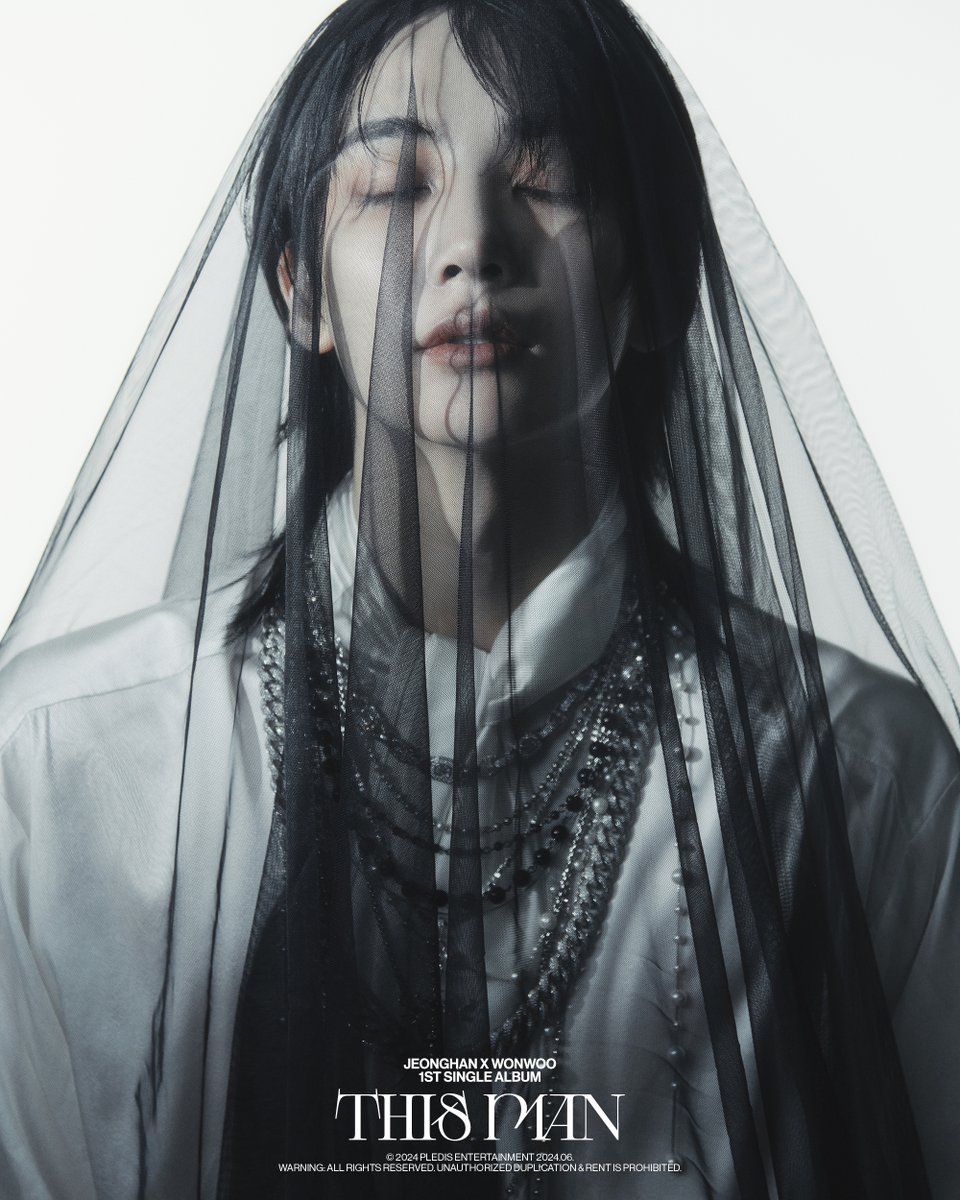
And THIS MAN literally had an entire A MIDSUMMER’S NIGHT visual set built around that kind of imagery.
So obviously my first thought was: Did PLEDIS just reuse the same enchanted-forest moodboard?
But then I went back to the original rollout, and one detail really caught my attention.
PLEDIS called the concept A MIDSUMMER’S NIGHT — not A Midsummer Night’s Dream. The word “dream” isn't there, even though THIS MAN is literally built around dreams and a world that exists beyond waking reality.
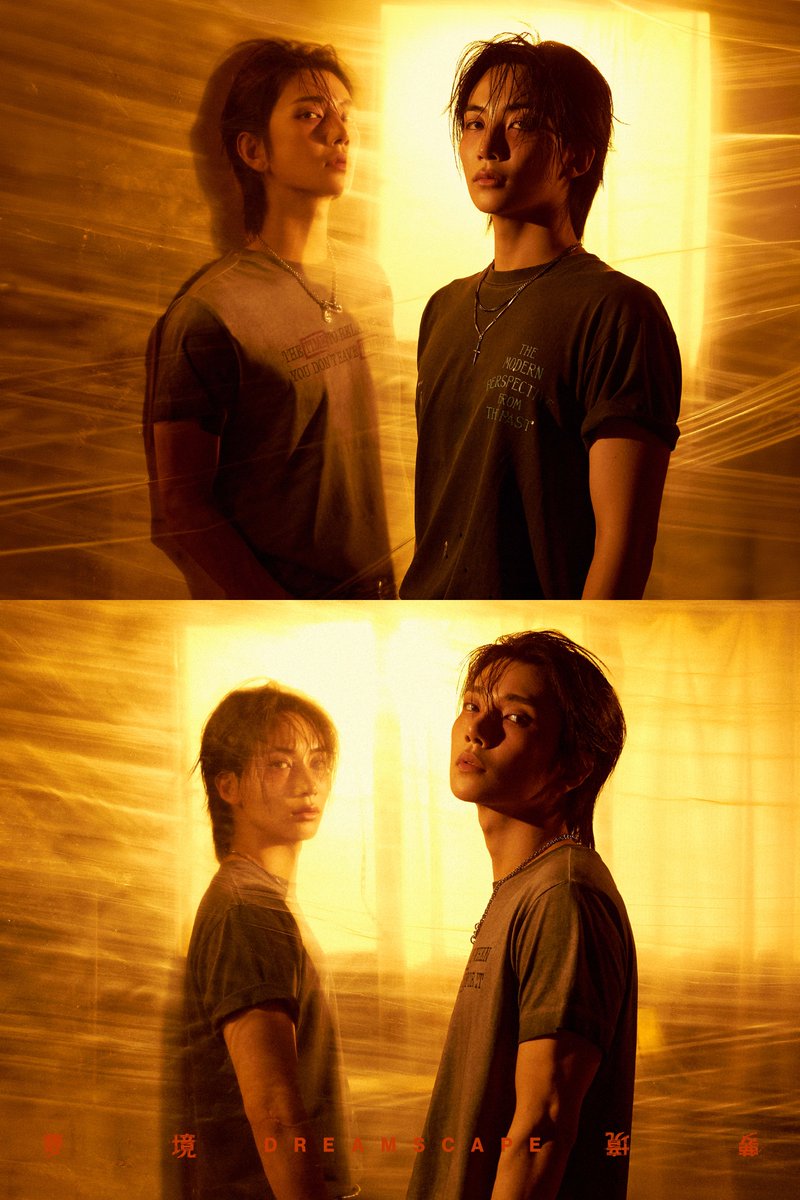
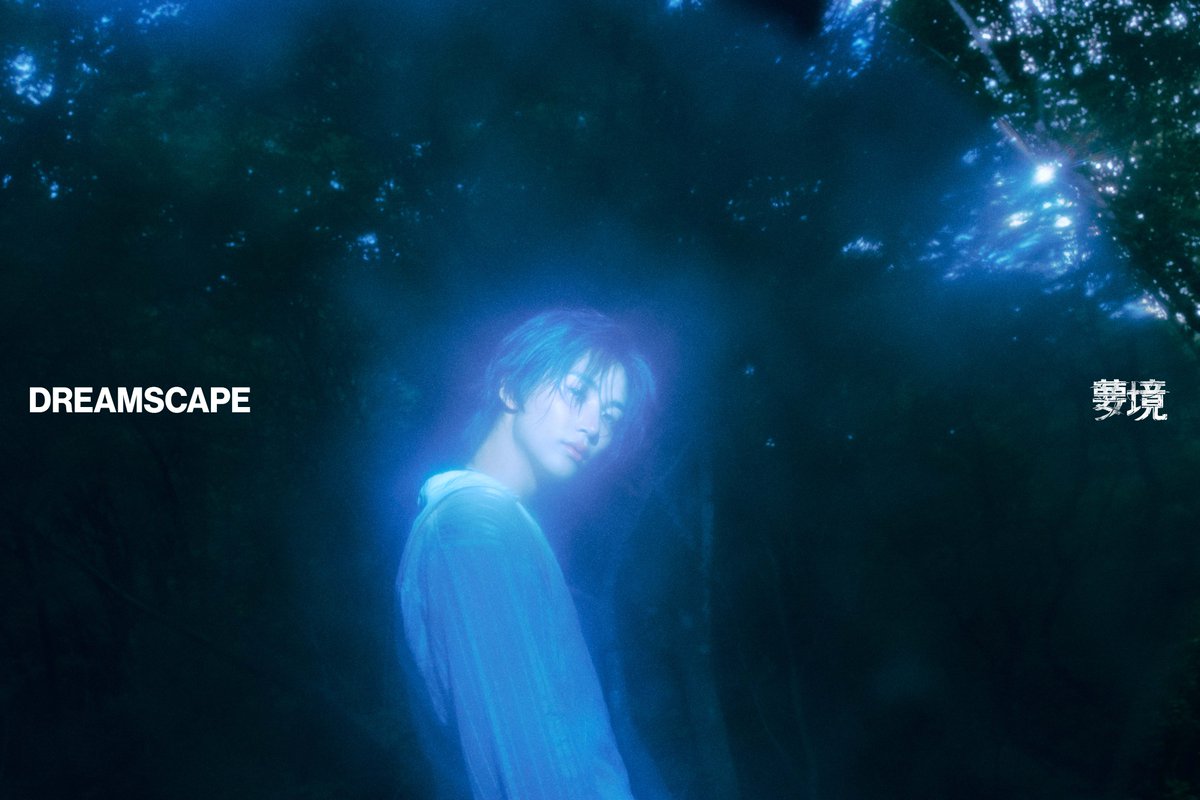
And then, two years later, we get DREAMSCAPE, with its own dream-world imagery and the 夢境 framing, while visually returning to that same kind of enchanted landscape.
I'm not saying the missing word is some secret code, or that this automatically confirms a Shakespeare reference. I just think it's a really interesting detail when you put the two projects next to each other.
Because the connection isn't really just flowers, water, or pretty scenery. It's the idea of a dream world as somewhere you can actually enter.
THIS MAN is literally built around that idea. Jeonghan's character escapes into the dream world after losing someone precious and moves through other people's dreams while searching for them. Wonwoo's character exists on the other side of that world, moving through people's dreams and guiding them back toward reality.
And then DREAMSCAPE gives us Daydreamers: this almost fairy-tale landscape where JxJ aren't simply standing in front of nature, they're completely immersed in it. Grass, water, flowers, white clothing, soft focus, their bodies partially hidden by the environment.
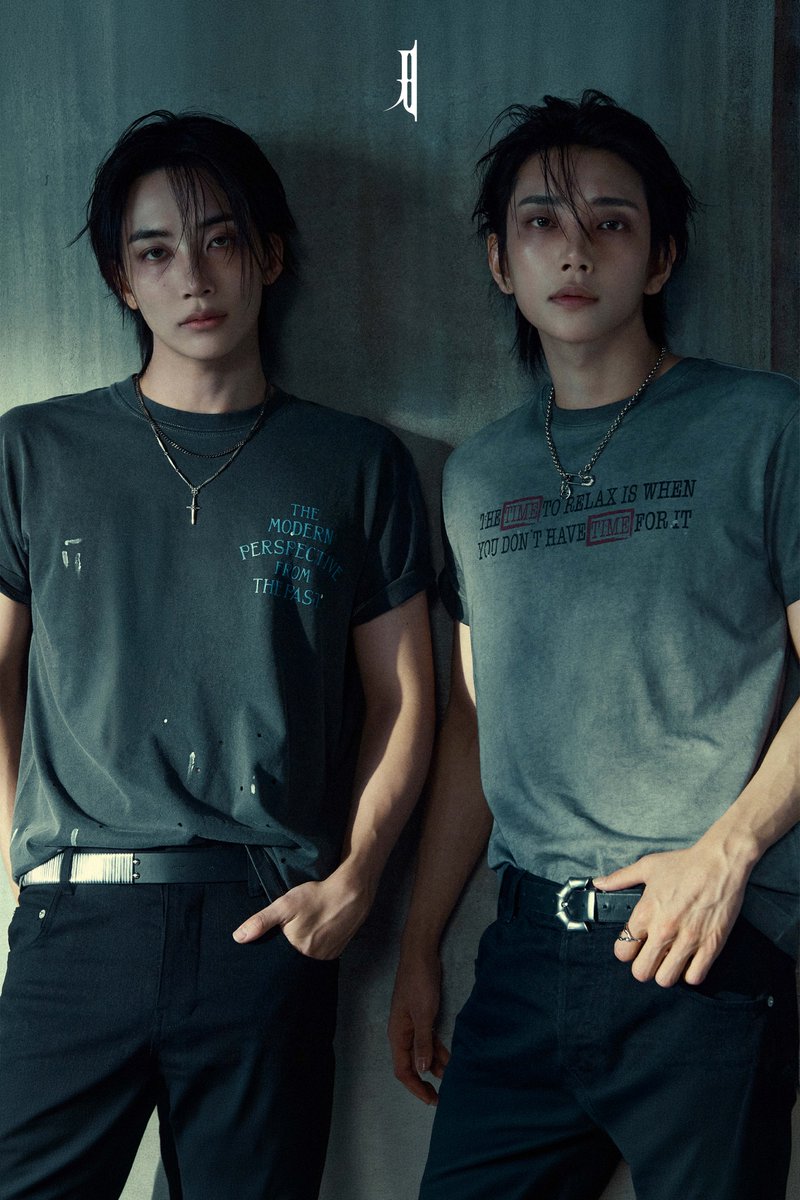
Then you have Dreamchasers, which pulls the imagery back into something darker and more urban.
And that's where the A Midsummer Night's Dream connection started making sense to me.
Because the forest in Shakespeare's play isn't just a pretty magical setting. It's a place where the normal rules stop applying. Lovers get lost, fairies interfere, identities and desires become tangled, and people move between sleep, dreams, and reality without always knowing where one ends and the other begins.
Korean adaptations have also approached that fairy world through Korean folklore, including figures like dokkaebi and other supernatural beings
Which suddenly makes all the white clothing, forests, water, sleep, and dream imagery feel like a much bigger rabbit hole than “they reused a photoshoot.”
And honestly, that's where I'm stopping for now. I'm not saying these are one continuous story, because we don't actually have that confirmation.
I just think it's REALLY interesting that the visual language for entering a dream realm keeps returning to the exact same mythic blueprint: wild flora, water, and figures untethered from the modern world.
Which leaves me with a much bigger question than just aesthetic repetition.
Maybe the point was never to connect the lore, but to see how far they could push the illusion before waking life drags them back.
Either way, what started as a lazy eye-roll at a repeated moodboard accidentally turned into an archaeological dig through Shakespeare and Joseon dream logic.














![updatingsvt's tweet photo. [WEVERSE] 260928 JEONGHAN and JOSHUA weverse profile picture update
#JEONGHAN #정한
#JOSHUA #조슈아 https://t.co/f4JQXknA1l](https://pbs.twimg.com/media/HTO5TMGaMAAgSlW.jpg)
![updatingsvt's tweet photo. [WEVERSE] 260928 JEONGHAN and JOSHUA weverse profile picture update
#JEONGHAN #정한
#JOSHUA #조슈아 https://t.co/f4JQXknA1l](https://pbs.twimg.com/media/HTO5S1PawAAIE5Z.jpg)
![updatingsvt's tweet photo. [WEVERSE] 260928 JEONGHAN and JOSHUA weverse profile picture update
#JEONGHAN #정한
#JOSHUA #조슈아 https://t.co/f4JQXknA1l](https://pbs.twimg.com/media/HTO5FRkbYAAAyXV.jpg)
![updatingsvt's tweet photo. [WEVERSE] 260928 JEONGHAN and JOSHUA weverse profile picture update
#JEONGHAN #정한
#JOSHUA #조슈아 https://t.co/f4JQXknA1l](https://pbs.twimg.com/media/HTO5E35boAArgTT.jpg)