Just a few days ago, I defended and obtained my PhD in ecology: 🌳 "Modelling forest microclimate and its consequences on understory flora under climate change" 🌱This thread outlines the main results of my 4 chapters!
Photo by @f_spicher - PhD funded by project @ForMicroclimate
We are very happy to announce that the next Microclimate Ecology & Biogeography (MEB) conference will happen in Montpellier (FRANCE), 1 - 5 June 2026 ☀️
https://t.co/DJWmEPJfCm
Microclimate scientists: save the date in your agenda!!
The word is out officially, now: SoilTemp has finished its transformation into 'The MEB-network' - a fully-fledged research network that goes far beyond just being a database.
Let me show you all the ways you can get involved here:
https://t.co/livcdCzLHm
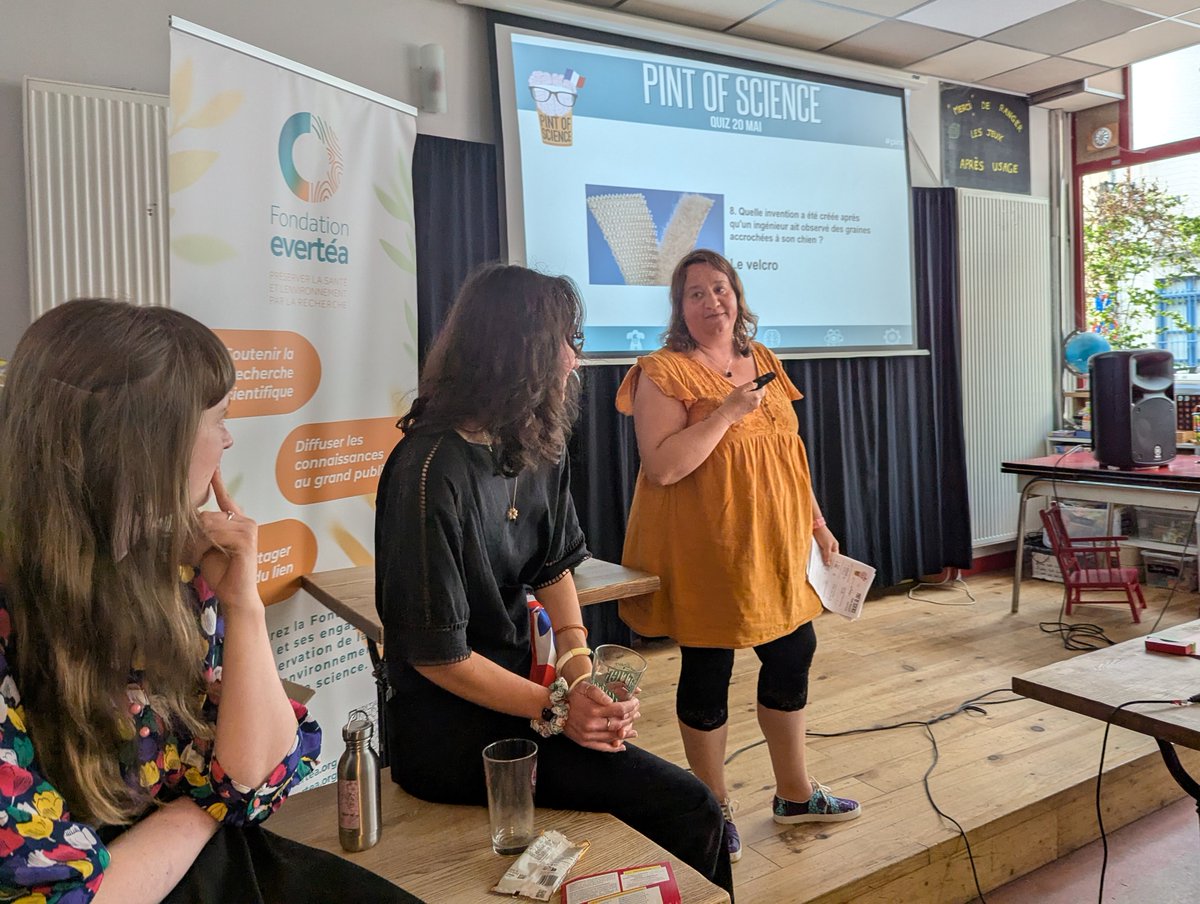
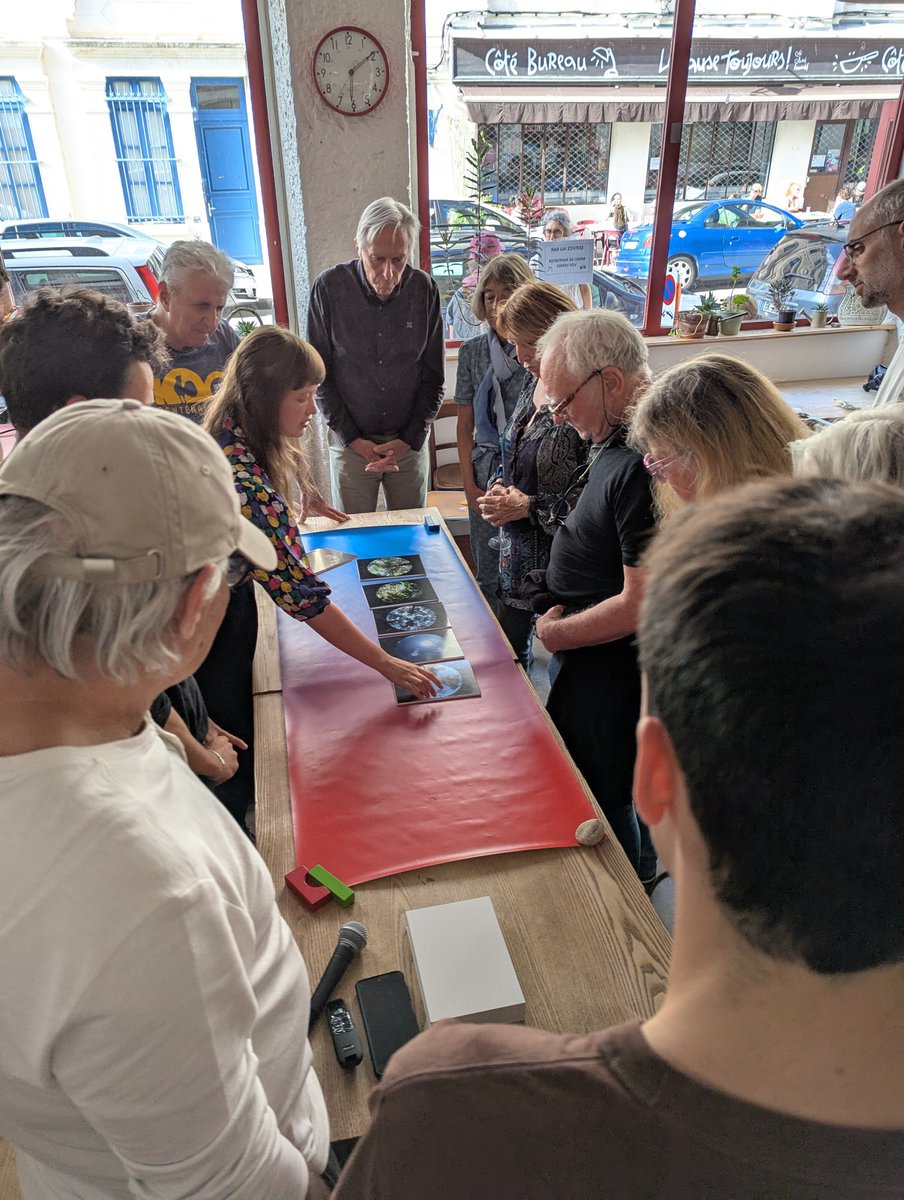
Invitée par la fondation Evertéa, j'ai adoré participer à Pint of Science 🍺 au bar Cause Toujours (Valence) : "Les super-pouvoirs de la forêt, passés aux rayons laser !" #pint25@pintofscienceFR
Binôme avec Aurore Toulou, sur les microclimats & espaces verts urbains 🌳
We are very happy to announce that the next Microclimate Ecology & Biogeography (MEB) conference will happen in Montpellier (FRANCE), 1 - 5 June 2026 ☀️
https://t.co/DJWmEPJfCm
Microclimate scientists: save the date in your agenda!!
On the cover: Campylopus introflexus #moss found in Blois forest, France. Below #forest canopies, vascular #plants & #bryophytes often experience a less extreme, buffered microclimate temperature
📸@eva_gril
🔗https://t.co/CK1gqkFYNN
We have an open Postdoc position (vegetation modeller) @Q_ForestLab in the framework AFRO-CARDS project: “African Forest RecOvery and CArbon Dynamics monitoring through Remote Sensing”.
Deadline: 1st of December 2024.
https://t.co/kGvGo3G6qs
@belspo@BelgianEO@FbwUGent
In this article, we discuss how buffering would relate to light and humidity in addition to temperature regimes, the implications for forest management... https://t.co/utCFwFysbX
It's open access (code too), please read and share with your plant or forest enthusiast friends! 🌱🌳
The method! a) We measured hourly micro & macroclimate temperatures (b) We derived the slope of the linear relationship between these two T (c) We used species presence/absence to fit species response curves to microclimate buffering (log_slope>0) vs amplification (log_slope > 0)
And finally, the percentage of forest core specialists does increase with forest microclimate buffering. To conserve most of those understory species under CC, keeping a high and dense canopy seems like our best option.. But many other forest (edge) specialists would be excluded!
My 4th PhD paper is out in @JEcology!! Thanks to coauthors, editors and reviewers! 💃✨ I wrote a small thread below with all of the main figures of the article (and a supplementary one) ⤵️