ADHD isn’t an “attention deficit.” It’s a profound developmental disorder of self-regulation.
Dr. Russell Barkley (one of the world’s leading ADHD researchers) explains why the name “ADHD” has done massive damage:
- It trivializes a condition as serious as autism, schizophrenia, or bipolar disorder.
- It makes people think “just drink coffee and focus” — when the real issue is far deeper.
The core problem isn’t just distractibility. It’s three interlocking executive deficits:
1. Persistence toward the future — inability to stay motivated by delayed rewards
2. Resistance to distractions — constant derailment by immediate temptations
3. Working memory — struggling to hold goals, plans, and consequences in mind
Together, these create a devastating impairment in self-regulation — the ability to consciously inhibit impulses, direct actions toward yourself (self-talk, self-monitoring), and align behavior with long-term welfare.
Barkley:
“This is not an attention problem. This is a disorder of self-regulation… as serious as manic depression, and in its own way, as autism.”
Parents often hear “he’s just lazy” or “she needs to try harder.”
The truth is far more compassionate and urgent:
The child’s brain is developmentally behind in the very mechanisms that allow other kids to stop, think, plan, and protect their future selves.
If we renamed it Self-Regulatory Developmental Disorder (SRDD), the conversation would change overnight.
How many adults do you know who still struggle with exactly these same three deficits — and were never properly understood as kids?
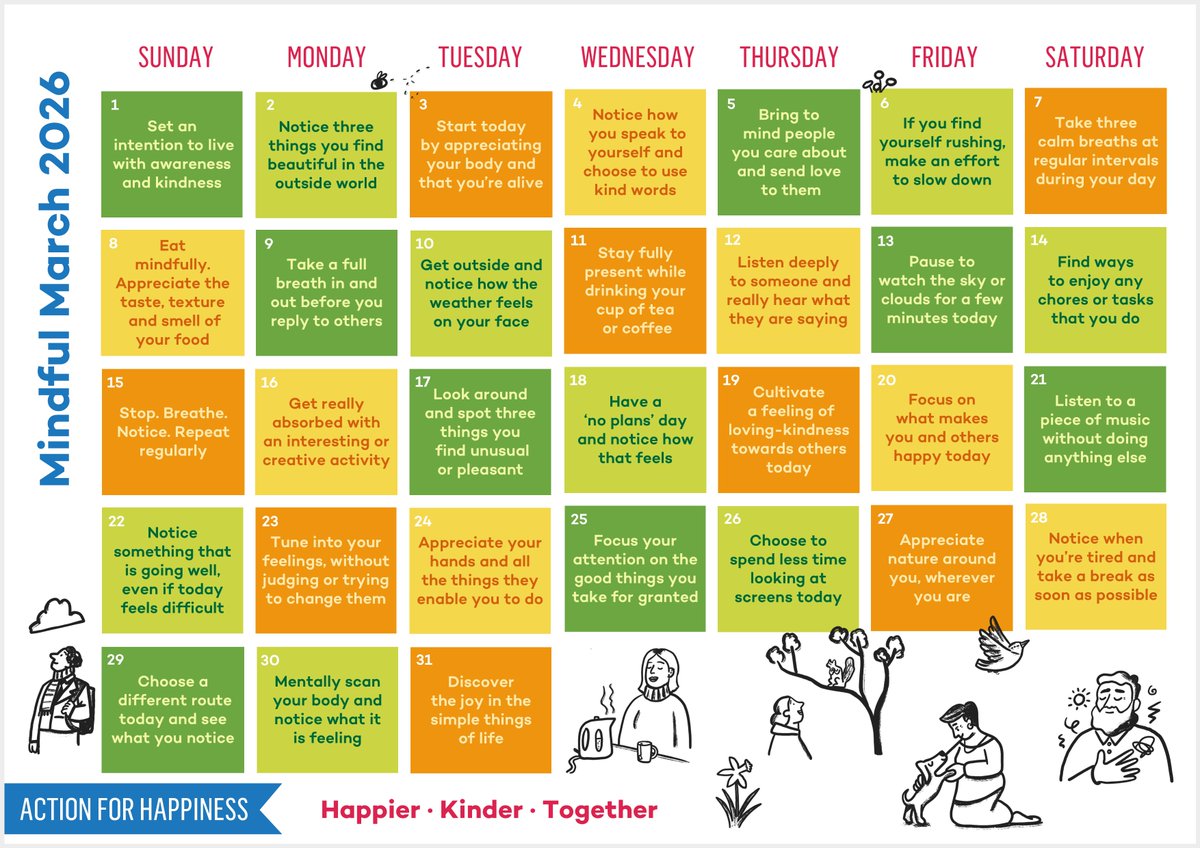
Deep breath in, deep breath out. No matter how busy or overwhelming life feels, we can choose to slow down, notice and make the most of life's precious everyday moments. Join us #MindfulMarch https://t.co/eB3hZFxUxK
The most beautiful things in life are not things.
They’re people and places and memories and pictures.
They’re feelings and moments and smiles and laughter.
NEW: Students at Annunciation Catholic School were packed into pews in the church during a school Mass when the shooter began spraying through the stained-glass windows.
A parent described the horrific details to The Minnesota Star Tribune.
"He just pepper-sprayed through the stained-glass windows into the building, 50 to 100 shots," the parent said.
"He killed two kids."
"This is terrible. This is evil. I don’t know how you defend against this."
Pray for these families.
Individuals with Deliberative are meticulous thinkers who identify and evaluate risks before taking action. Using a careful approach, they can see risks others might miss. This cautiousness results in better decision-making because they assess and manage the risks they see. In fast-paced environments, people with Deliberative provide restraint and stability to ensure that actions are well-considered and aligned with long-term goals.
Do you have a partner with Deliberative in their top five? How have you seen them apply it?
https://t.co/3l7H1DhLSV
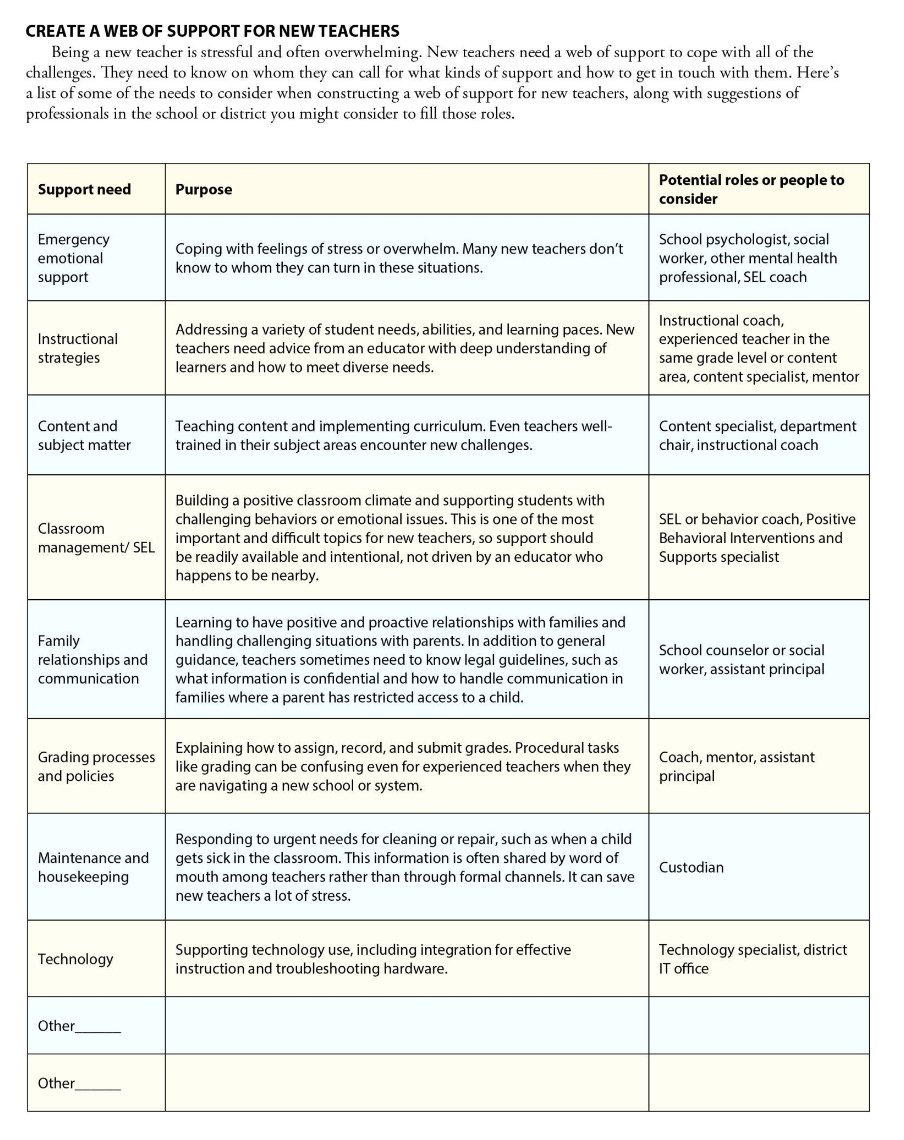
Mentoring is often the first form of professional learning a teacher receives – and it can be instrumental in shaping who teachers become.
(Via leader Sharron Helmke & @LearningForward)
https://t.co/mAYIRaDWS4
Leadership:
Most companies don’t teach you “how” to be a good leader. This is a practicable and learnable skill.
You’re not in charge, you’re responsible for those in your charge.
https://t.co/PUCsFa89IA
As a teacher, you should never want a student leaving class feeling defeated or deflated. As an admin, you should never want a teacher leaving school feeling defeated or deflated. Be compassionate, available, supportive, and encouraging.
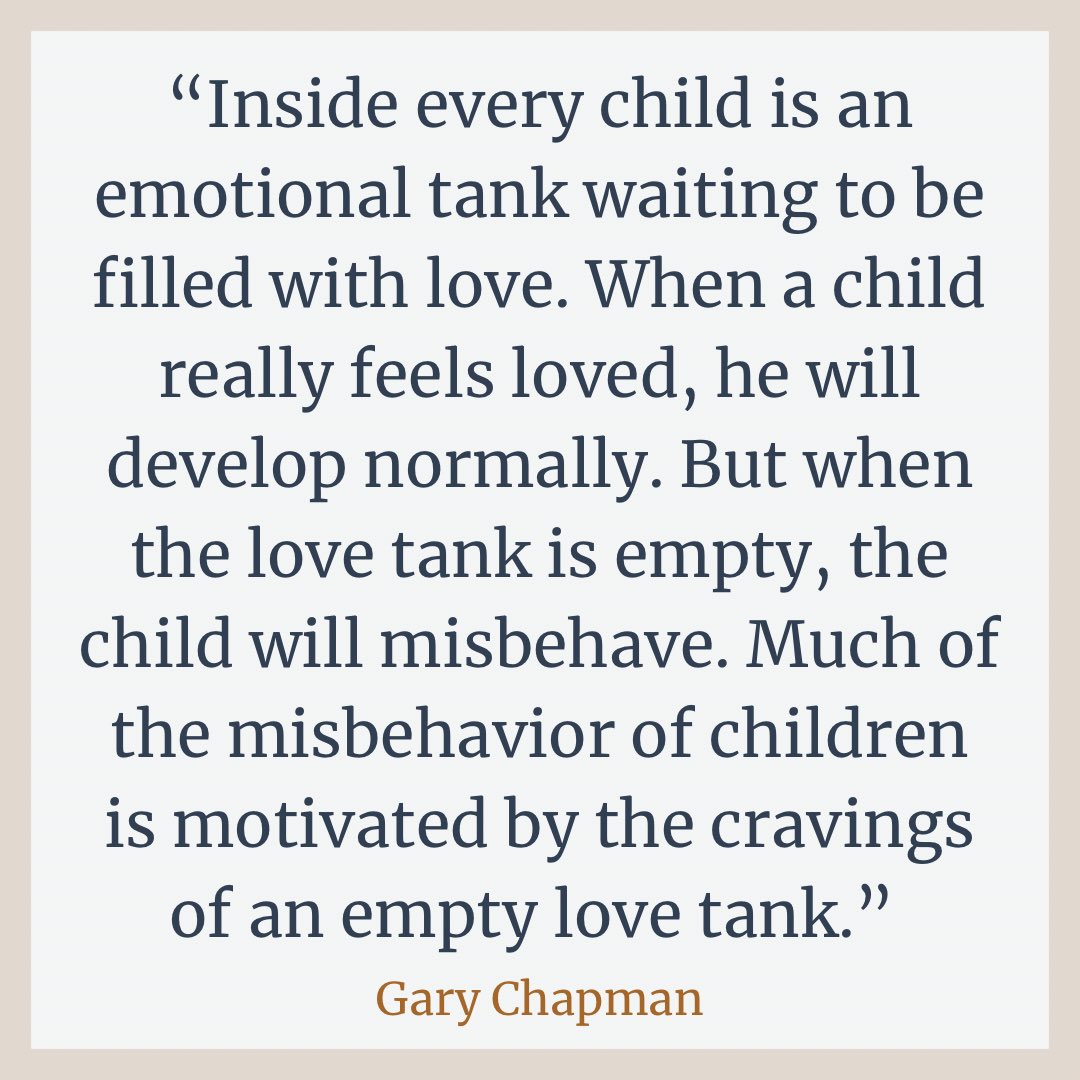
“When a child really feels loved, he will develop normally. But when the love tank is empty, the child will misbehave.”
It’s as simple as that.
Now... think about *that kid* in your classroom or school. Are you filling his/her love tank? Or draining it? Some kids need more than academics at school to succeed.
💛 Love them first. 💛
Believe. Encourage. Speak life. Tell yourself (and someone else) these 5 things today:
1. You matter.
2. You are loved.
3. You were made on purpose, with a purpose.
4. You’ve got this.
5. Your best days are ahead of you, not behind you.