You're likely familiar with the 7 deadly sins: pride, greed, wrath, envy, lust, gluttony, and sloth. But did you know there are deadly sins of social media as well? In today's world, there are many Do's and Don't' when it comes to social, but these stand above the rest. #wucom326
This can also be referred to as trendjacking. Steph Parker of @socialmedia2day said it well in her article stating "Just because something is happening doesn’t mean you have to take advantage of it for your brand. There’s a difference between being clever and being annoying..."
@hey_lee021 Love the way this breaks down the differences between social listening and monitoring! It can definitely be hard to differentiate the two at times, but knowing the distinction is critical to success.
Looking for your next social monitoring tool? @buffer has you covered! Check out their article which includes the best ways to connect with your audience, measure your reach, and build a people oriented brand. #wucom326 https://t.co/AlH9fWIS1o
This article on social listening from the @hubspot blog is an excellent resource for those beginning a journey of social management. It is a healthy reminder that the greatest tool we have for growth is our audience. #wucom326 https://t.co/wrJpZ5sLD5
A team at Carnegie Mellon University developed a deep neural network to digitally map human bodies when in the presence of WiFi signals.
Visit https://t.co/fFrwrfS0zM to read interesting AI news daily
#ArtificialInteligence#TechNews
Social media bridges the gap between art and science. Both are necessary. Researching statistics, analytics, and a myriad of other categories is key to success. But using this information, and blending it with your creativity is also vital. This is an art. #wucom326
A consistent presence across personal and professional brands is key. 25% should focus on your personal story. 25% should be community or industry focused. 25% should focus on boosting audience engagement. 25% should focus on producing value and paying it forward. #wucom326
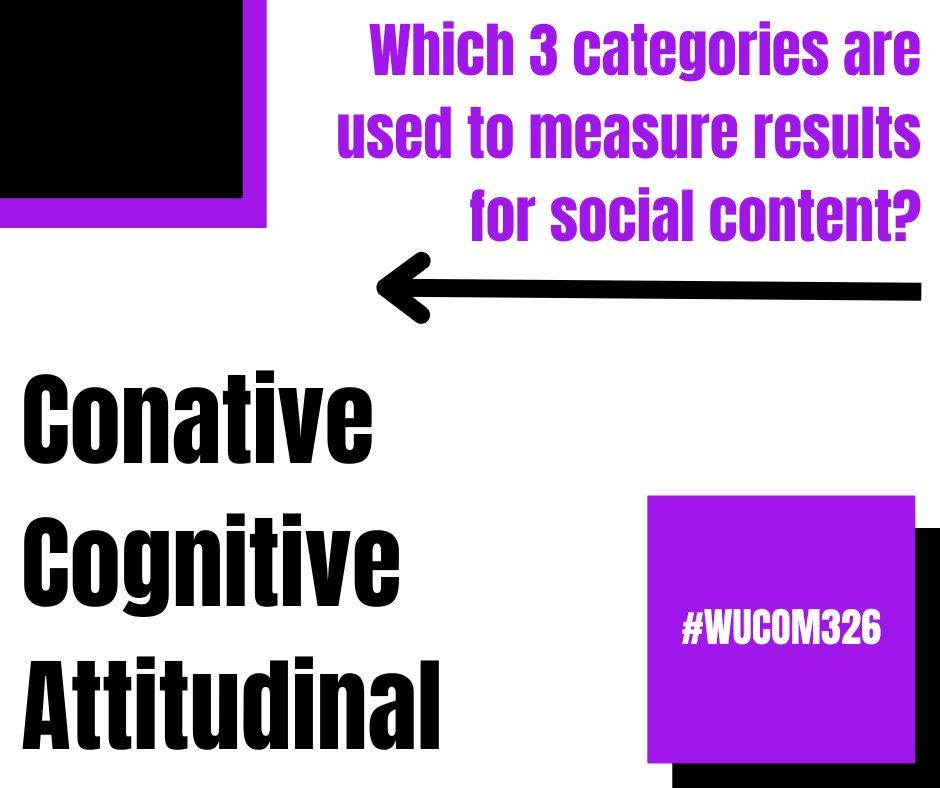
The 3 categories are cognative, attitudinal, and conative. Cognative measures people's understanding of the message. Attitudinal measures their response and the attitude of its viewers. Conative measures actions and behavior of people who interacted with the content. #wucom326
The PESO Model is used by content creators to help manage what type of content should be used in their campaigns. This allows for a diverse and catalog of content to hit different areas across all platoforms. #wucom326