looking forward to playing the gritty post-apoc FPS game that takes place on the ruins of this luxury ship, revealing all the excess and hubris of the 21st century through audio logs and crazed derelict inhabitant exchanges
It's been 3 months since the 100x vibers started 100x vibin'! So, post your 25-years-of-work-equivalent project here, so we can signal boost and everyone can celebrate the Life's Work that you did in 3 months. Looking forward to it, Let's Go!!!
I have thought about this metaphor a lot, and I tend to agree.
Right after the Rebel XTi came out, there was a winnowing of pros to weed out the "people with a nice camera" and rewarded people with both strong photography skills and people/planning/business adjacent skills.
I can't go back to the regular YouTube UI after this 😅
Obsidian Reader now makes the transcript interactive so you can scrub, highlight, auto-scroll. It feels so nice.
bro created an AI job search system for Claude Code that scored 700+ job applications and actually got him a job.
AND IT'S NOW OPEN-SOURCE.
It scans multiple company career pages, rewrites your CV per job, and even fills application forms. The repo has:
> 14 skill modes (evaluate, scan, PDF, ...)
> Go terminal dashboard
> ATS-optimized PDF generation via Playwright
> 45+ companies pre-configured (Anthropic, OpenAI, ElevenLabs, Stripe...)
GitHub: https://t.co/PwrYBOAphi
If you were to accuse me of subscribing to music streaming just to listen to the same emo music playlist over and over again I'd say you were very mean.
And you'd be correct.
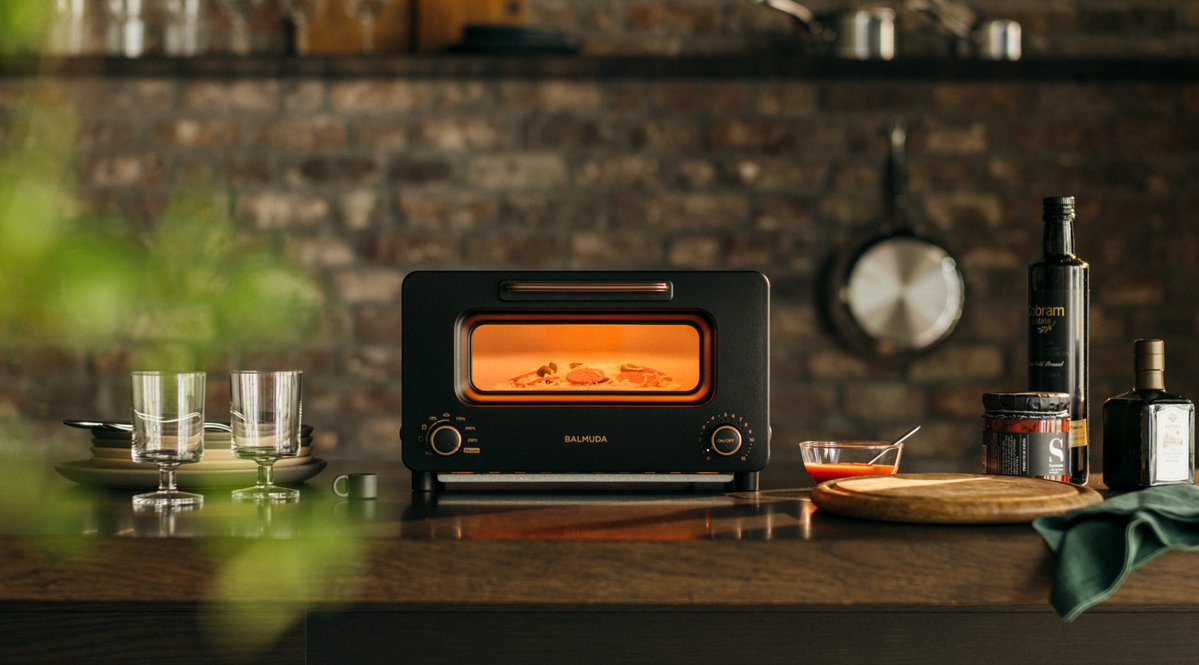
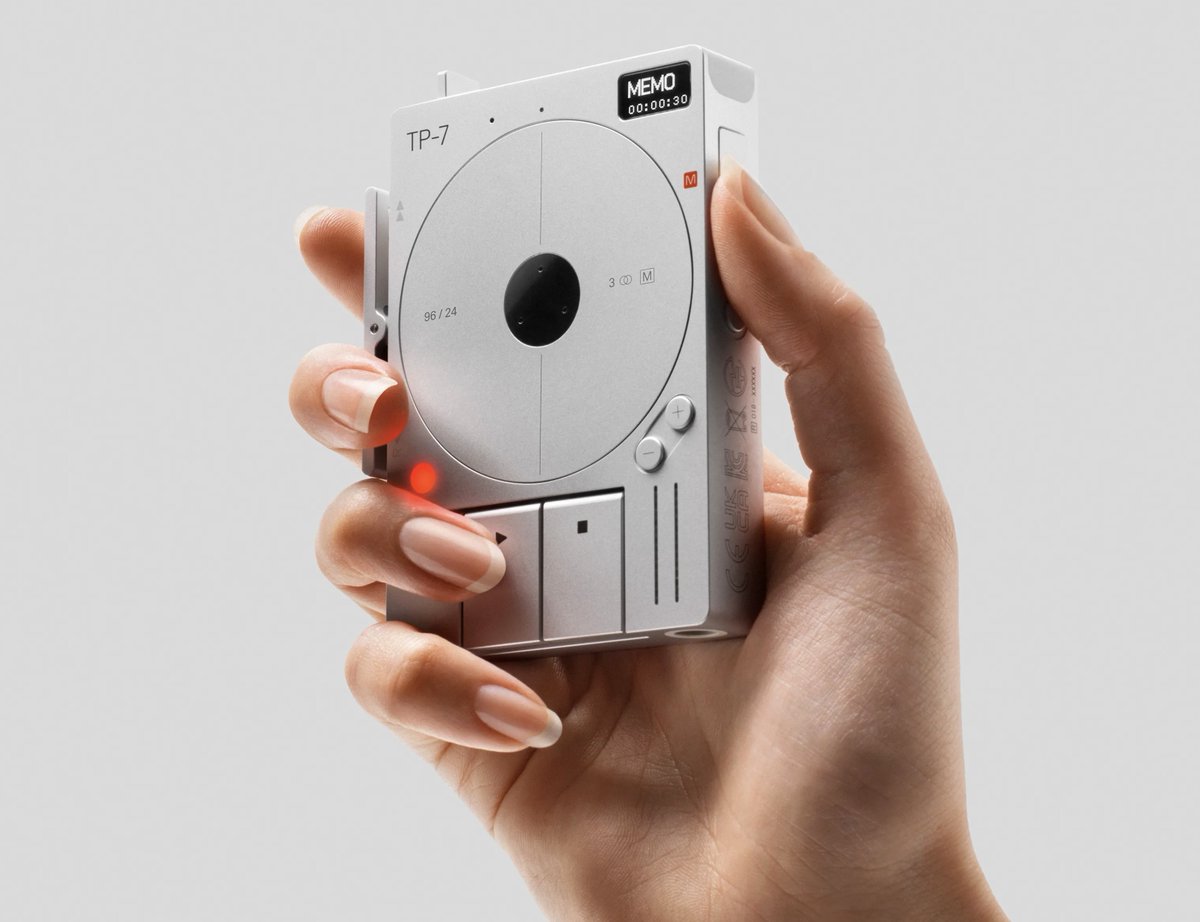
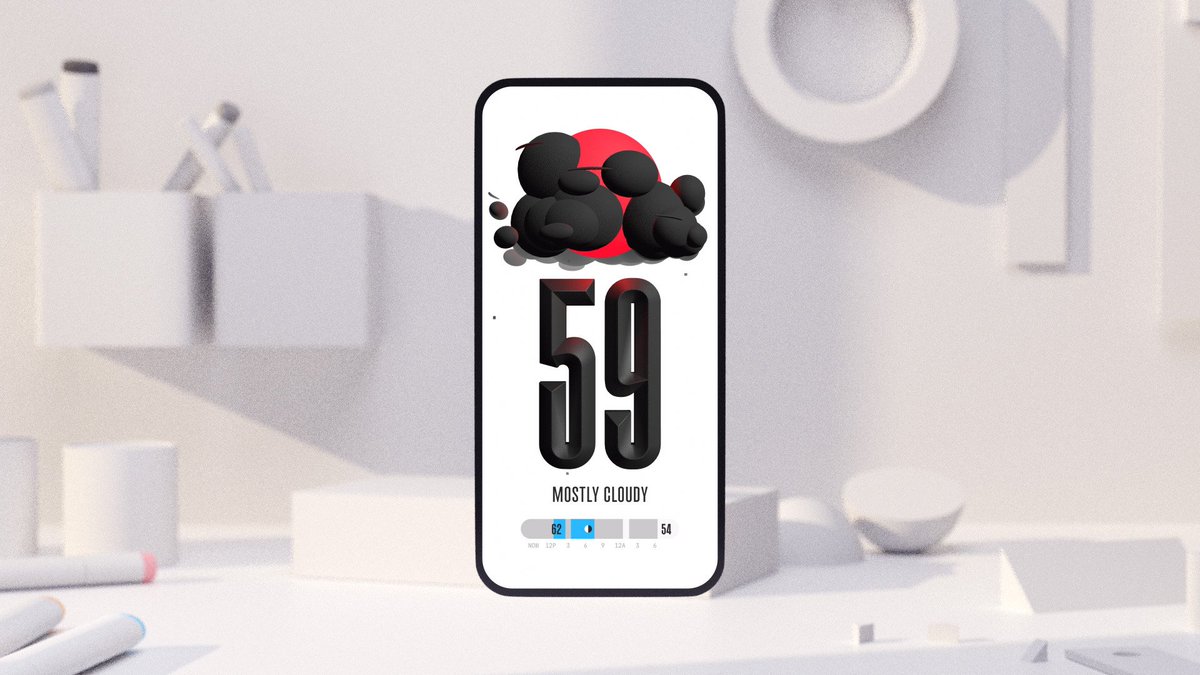
What are your favorite examples of what I call ritual instruments — single purpose objects where the design and execution is simply uncompromising?
Like the TP-7 recorder from Teenage Engineering, The Toaster from Balmuda, or !Boring apps from @asallen.
Just learned about Ken Isaacs' "Superchair" (1967).
Built-in book rest, shelves, lamp, drink tray, and a seat back that folds into a bed.
A place for "inventive work and the individual search for peace of mind", as he put it.
It was meant for people to build it themselves, hence the almost unfinished look. Blueprints were published in Popular Science in 1968.