but in 2000 meters to Andriivka. The time to make a small gesture is past; today, you need to act, to open your eyes to reality. They are around your corner, which is today
protected only by Ukrainians and those who are fighting for Ukraine
Once again, the so-called West is trying to make a small gesture to show support for those who fight the russian regime (or how they like to put it - against putin), but the thing is that you will not find those who oppose them in Mr. Nobody against putin, but …
"Wie lange haben wir noch ein Morgen? Die Wahrheit ist: Im Krieg gibt es kein Morgen."
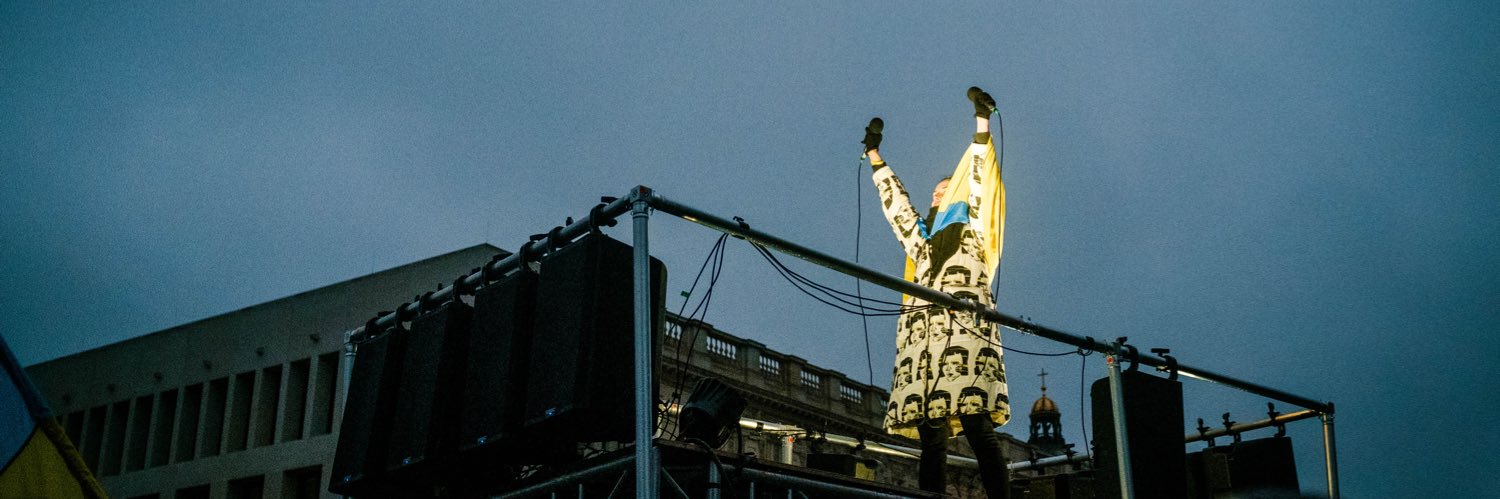
Gestern eröffnete Eva Yakubovska, Gründungsmitglied von Vitsche und Kuratorin am Pilecki-Institut Berlin, das Café Kyiv:
„Wenn Städte, in denen Hunderttausende Menschen lebten, sich in Picassos Guernica verwandeln – und das Gemälde sich nicht auf acht Meter beschränkt, sondern sich über 116.000 Quadratkilometer erstreckt –, dann stiehlt der Krieg dein Morgen.“
„Für mich misst sich die Weite unseres Guernica nicht nur in zerstörten Häusern, sondern an den Träumen derer, die sie wieder aufbauen wollen.“
Eva Yakubovska erinnerte auch an eine sehr bewegende persönliche Geschichte:
„Eine Stadt, in der der Aktivist, Künstler und Soldat Oleksij Sawkewytsch mit seiner Frau Switlana gemeinsame Visionen verwirklichte – von Kulturfestivals bis zu einem Musikstudio für Jugendliche. Sie hatten eine Küche, in der sie selbst im kältesten Winter Gespräche voller Hoffnung führten.
Als die Vollinvasion begann, evakuierte er täglich Menschen unter Beschuss. Nachts übersetzte er die Stimmen und Erinnerungen von Überlebenden russischer Verbrechen.
Als auch seine Stadt schließlich Guernica glich, meldete er sich freiwillig zur Armee.
Vor genau einem Jahr erfuhr ich beim Café Kyiv am Abend, dass Oleksij gefallen ist.
Heute halten seine Träume nicht nur diese mittlerweile besetzte Stadt lebendig, sondern auch ihn selbst – und sind für uns ein Auftrag.“
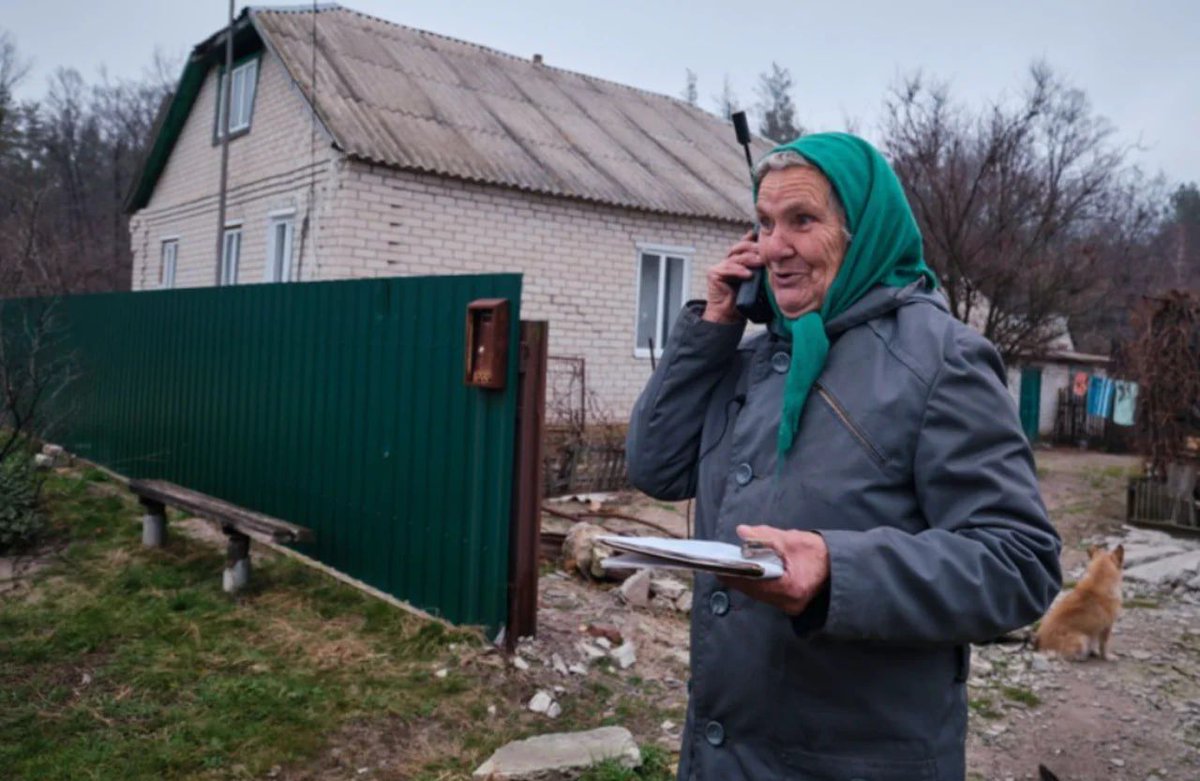
🕯 Zinaida Orlova, who survived the brutal occupation of her village in 2022, was killed on Sept 9 in a Russian airstrike while standing in line for her pension in Yarova, Donetsk region.
She was remembered as an optimist who helped others endure, said Memorial co-founder and journalist Haiane Avakian.
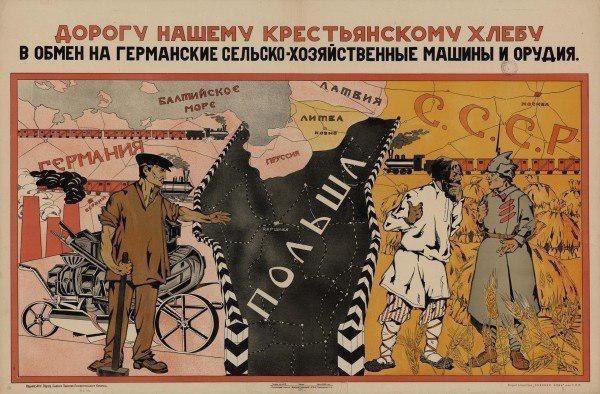
On this day in 1939, Moscow and Nazi Germany sealed the Molotov–Ribbentrop Pact, dividing Eastern Europe in a secret protocol that paved the way for invasion. The alliance collapsed only when Hitler turned on his weakened partner in 1941.
For rescue, Stalin turned to Washington. The U.S. responded through the Lend-Lease program, delivering massive support: 400,000 trucks, 14,000 aircraft, 8,000 tractors, 12,000 tanks, 1.75M tons of food, among other support.
The Soviet Union never fully paid for this lifeline. A token settlement was arranged in 1972 and formally closed in 2006.
Russia’s official story claims the Second World War began for them only in 1941—a narrative shaped by these events and used to obscure their early collaboration with Nazi Germany.
1/12 Ein notwendiger, unbequemer Text von Historikerin Franziska Davies (@EFDavies). Am Beispiel des russischen Historikers Alexei Miller zeigt sie, wie die Osteuropaforschung über Jahrzehnte koloniale Narrative legitimierte – und wie die westliche Wissenschaft dabei wegsah 👇
LAST PUBLIC GUIDED TOUR OF THE STUS EXHIBITION IN BERLIN!
📷 Tuesday, 26 August, 18:45
We warmly invite you to the closing evening of the exhibition dedicated to Vasyl Stus — one of Ukraine’s most prominent poets and dissident voices. This evening also marks Ukraine’s Independence Day, celebrated on 24 August.
Finissage Program
📷 18:45 – Curatorial tour in English: a guided journey through the exhibition with insights not only into Stus’s life, but also into Ukraine, its history, and its struggle for independence.
📷 Following the tour – Open microphone: we invite everyone to read aloud Vasyl Stus’s poems, in Ukrainian or in translation (German, Polish, English).
Registration: https://t.co/sjFR07rj0a
This final evening is also dedicated to Ukraine’s Independence Day, celebrated on 24 August. Today, Stus is remembered in Ukraine as a human whose words continue to inspire resistance, dignity, and freedom.
Join us to commemorate Vasyl Stus and to celebrate the enduring power of poetry and independence.
Stus might have first fallen in love with the rhythms and flows of the Ukrainian language when his mother sang him Ukrainian folk songs. In conjunction with his dissident freedom-loving instinct, this love would define his life. Already in the 1960s, he decided to teach the Ukrainian language, defying widespread Soviet top-down russification policies. No wonder then that this love also had him pay a huge price: throughout the history of the USSR, he was repeatedly arrested, his works and Ukrainian translations of German poetry forbidden, his activism in defense of the Ukrainian intelligentsia suppressed.
Born amidst the horrors of World War II, Stus survived the Nazi occupation and the hunger of the postwar years, yet hunger would haunt him until his very last day: he died during a dry hunger strike. His story is that of an undeservedly unknown European freedom fighter and of a nation struggling for its right to breathe and exist.
Indeed, Stus’s struggle was a reaction to the centuries-long Russian insistence that Ukrainianness was not to be accepted as an independent identity. The exhibition therefore tells not only Stus’s story, but also that of the underappreciated Ukrainian anti-Soviet dissident movement, which still remains on the peripheries of Europe’s collective memory.
These days, Ukrainian poets once again have to fight for their nation’s survival—although this time, they dropped their pens, picked up weapons, and joined the Ukrainian army. Some of them are shown in the exhibition, reading Stus’s poetry.
The exhibition also reflects on the philosophical nature of Stus’s activism: Was he a fairytale-like hero, or a real human being with a moral compass strong enough to defend freedom in the face of evil?
In his afterlife, Stus’s admiration for German and Polish culture, writers, and anticommunist resistance movements has inspired new cooperation between Polish, German, and Ukrainian organizations—an alliance so urgently needed in today’s Europe.
Eva Yakubovska @evayavkubi, board member of Vitsche, stressed:
democracy and peace must be protected — not by negotiating with terrorists, not by giving up territory, lives, or people illegally deported or imprisoned for their Ukrainian identity.
Protecting democracy and the international order today means preventing future aggression against other countries and freedoms.
The demonstration was organized by Gesellschaft für bedrohte Völker (Berlin, August 14)
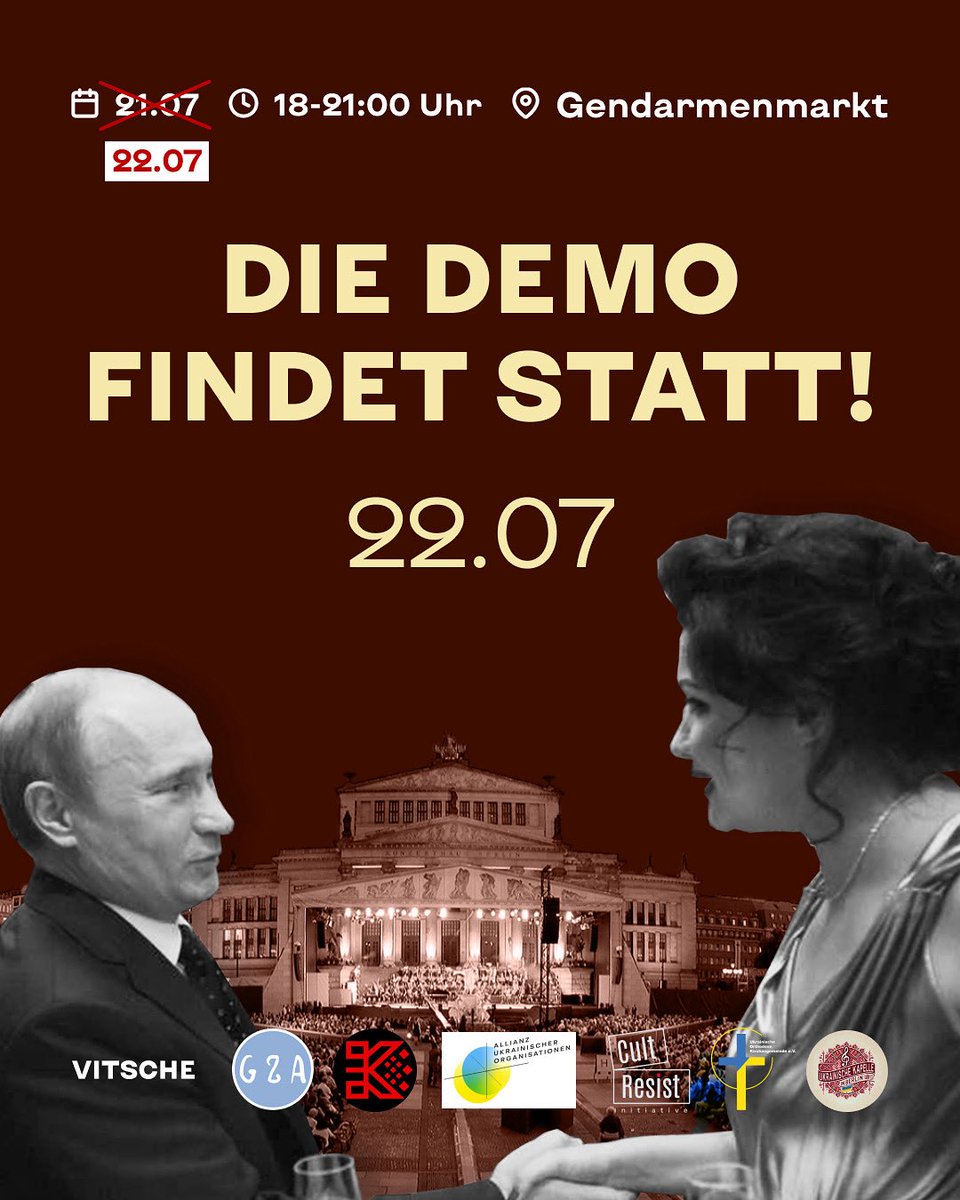
Performative Aktion: Keine Bühne für Putin-Unterstützerin
22.07.2025
*Im Hintergrund ist der Titel „Meine Lippen, sie küssen so heiß“ von Franz Lehár zu hören – in der Interpretation von Cheryl Studer (nicht Anna Netrebko).
Diese Arie wurde bewusst gewählt, da sie häufig von Anna Netrebko gesungen wird und somit als Symbol für ihr Repertoire und ihre öffentliche Präsenz steht.
📹: Iryna Zghodko
🎙 LIVE | Steht die Anti-Korruptions-Infrastruktur der Ukraine unter Druck?
📅 24.07.2025, 18:30–19:15 Uhr
🔗 Online: https://t.co/aglSVAGwMV
Sprache: EN
Begleiten Sie uns heute zu einer Diskussion über das umstrittene neue Gesetz, das NABU und SAPO betrifft – und darüber, warum Massenproteste in der Ukraine ein starkes Signal an die Welt senden.
🇺🇦 Wenn demokratische Institutionen von oben unter Druck geraten, wird der Widerstand der Zivilgesellschaft unverzichtbar. Protest schwächt die Ukraine nicht – er zeigt, dass die Gesellschaft ihre demokratischen Grundlagen verteidigt.
⚡️ BREAKING: Ukraine's parliament passes bill destroying independence of key anti-corruption bodies.
The bill was passed with the support of 263 lawmakers, while 13 voted against it and 13 abstained.
https://t.co/VkJJnYShhO
🎯 Gleicher Ort, gleiche Zeit – neues Datum!
Anna Netrebkos Konzert wurde auf Dienstag, den 22. Juli, verschoben.
Das heißt: Unsere Demonstration findet morgen statt!
📅 22. Juli
🕕 18:00–21:00
📍 Gendarmenmarkt, Berlin
Bitte kommt vorbei!
Wir stehen an drei Eingängen – wir brauchen viele Menschen, damit wir gesehen und gehört werden.
👉 Bringt unbedingt Plakate, Regenkleidung und Freund:innen mit.
Zeigen wir gemeinsam: Eine Bühne für eine Putin-Unterstützerin ist und bleibt eine Schande.
📲 Folgt unseren Social-Media-Kanälen für Updates. Bis morgen!
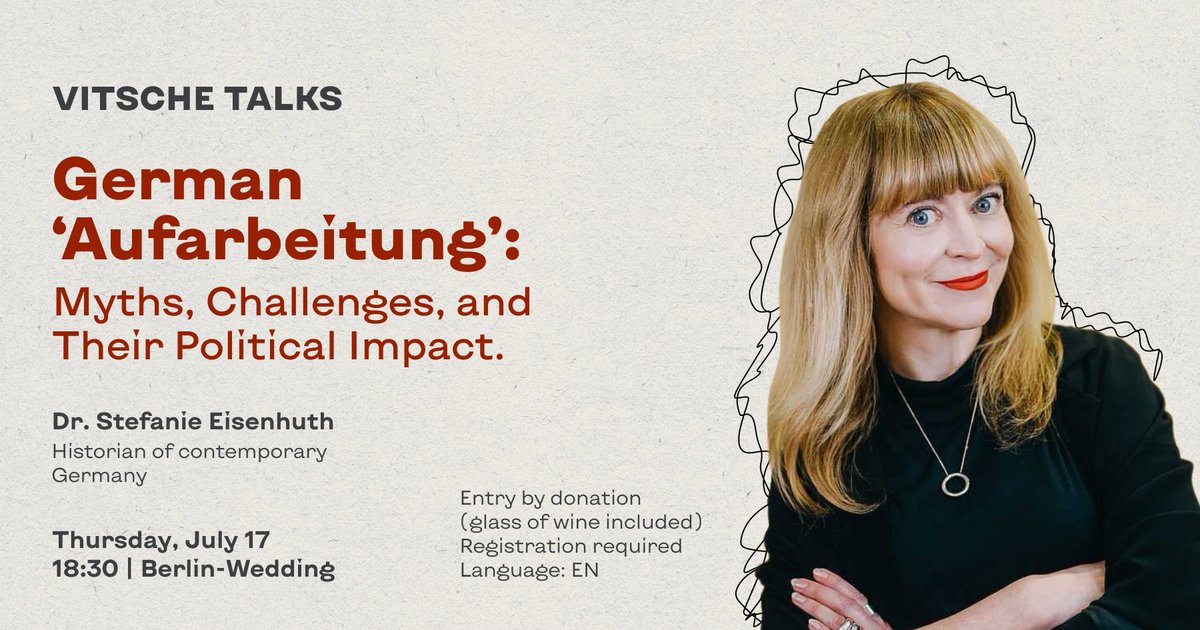
Vitsche Talks: German ‘Aufarbeitung’: Myths, Challenges, and Their Political Impact
📚 Dr. Stefanie Eisenhuth
📅 17.07 | 18:30 | Berlin-Wedding
🔒 Fully booked
You can still join the waiting list via the form — we’ll let you know if a seat becomes available 💛
https://t.co/fYk9kf0nDu
This Thursday at Vitsche Talks, we’ll explore one of Germany’s most sensitive and complex topics: “Aufarbeitung” – the process of reckoning with the Nazi past.
How did East and West Germany deal with this legacy after 1945 — and where did they fail? What blind spots in memory culture continue to shape public perceptions today — especially toward Eastern and Central Europe?
And in the context of russia’s full-scale invasion of Ukraine — what happens when those blind spots are left unexamined?
With us is Dr. Stefanie Eisenhuth, historian and researcher at the University of Greifswald and the Gerda Henkel Foundation, whose work focuses on contemporary history, political memory, and transatlantic relations.
🗣 Language: EN
🍷 Entry by donation (from 7 €), includes a glass of wine