THIS MORNING:
In the overnight/early hours this morning, storms producing extremely heavy rain hammered the Kansas City metro - turning neighborhood streets into rivers while most were sleeping.
#KSwx
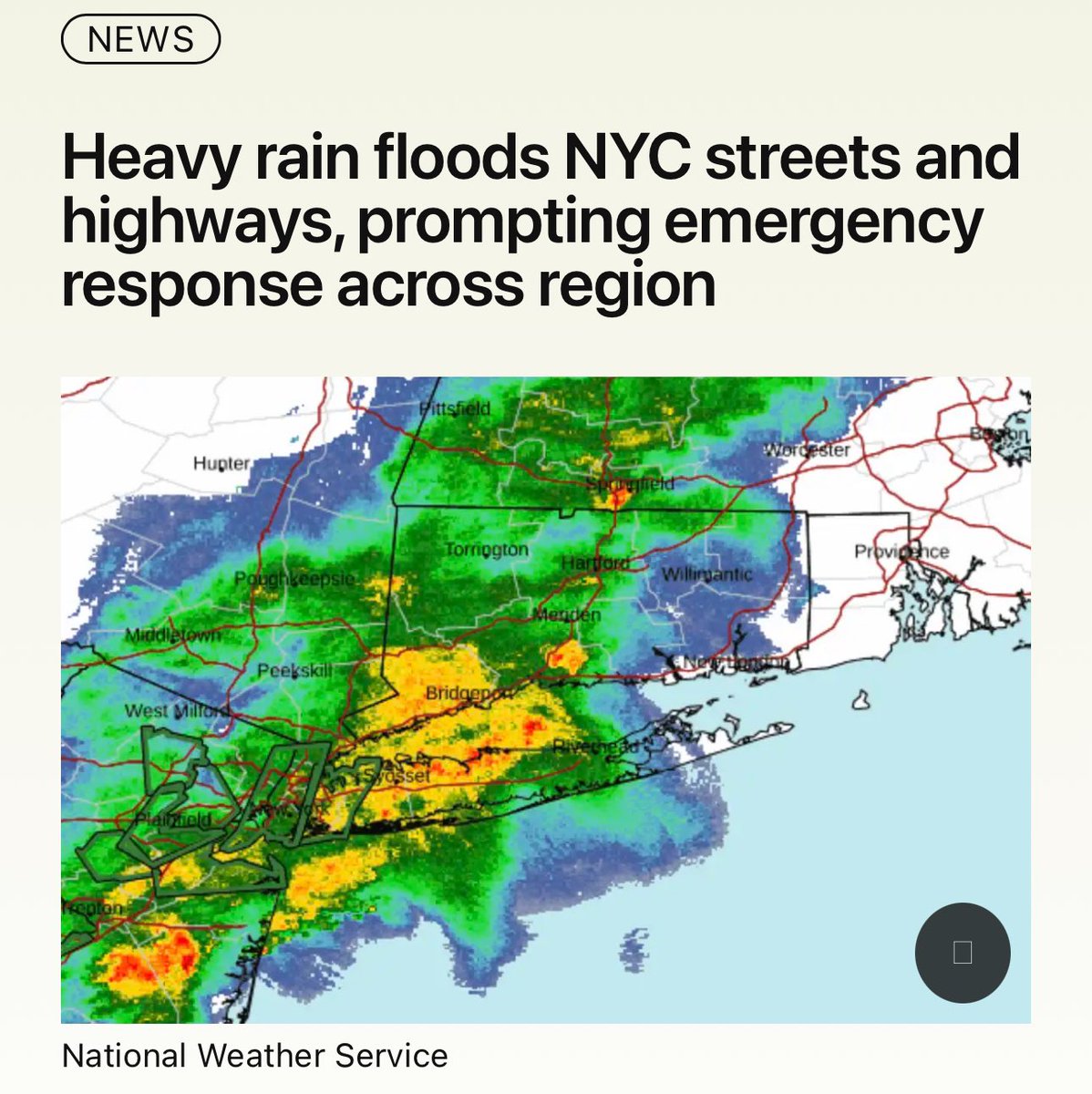
NYC's infrastructure fails to withstand heavy rain yet again https://t.co/7PCAMNcBW6 2.7" rain/hr flooded subway, roads due to combined sewer overflow system {sewage + rain}. Nds $36 B to fix. MTA to spend $6 B over 10 yrs. NYC sea level rises 2x US avg. NYC rain increases 1"/yr.
Earlier tonight, NYC was drenched by more than 2” of rain in a single hour, flooding streets, basements and subways. I’m grateful to the city workers and emergency responders we rely on in these events. But we must upgrade our infrastructure for this new climate reality.
The number of extreme weather disasters has jumped fivefold worldwide over the past 50 years, and the number of deaths has nearly tripled, according to the World Meteorological Organization. https://t.co/CEKfKmNh7A
As the Trump administration’s “big, beautiful bill” eliminates many clean-energy incentives in the United States, China continues huge investments in wind and solar power. See images of the scale of China’s solar-power projects: https://t.co/Jiv3T8l27m
Hey trump voters,who's ready to take these jobs? You say they take jobs from Americans...got some here.
Waiting....
ICE Raids Scare Off L.A. Workers Rebuilding Fire-Torn Areas https://t.co/kPQxZZJzFC
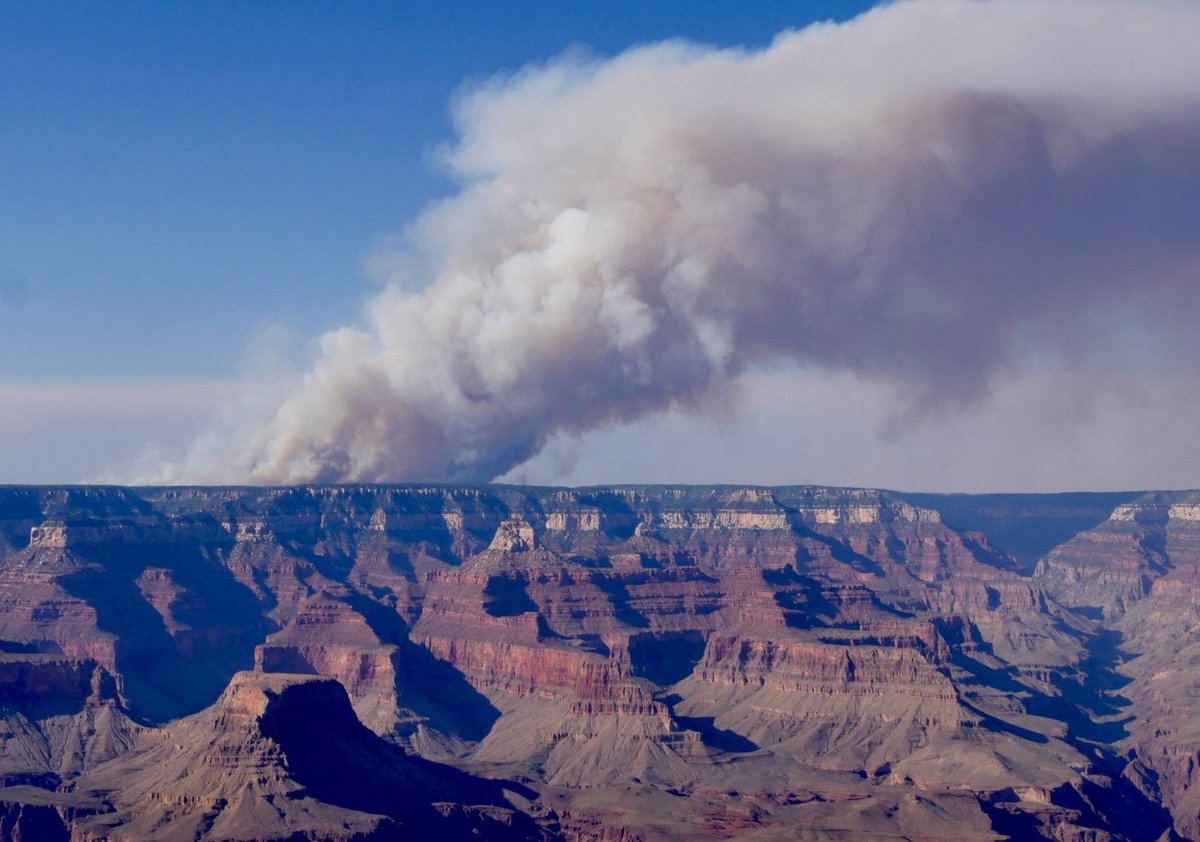
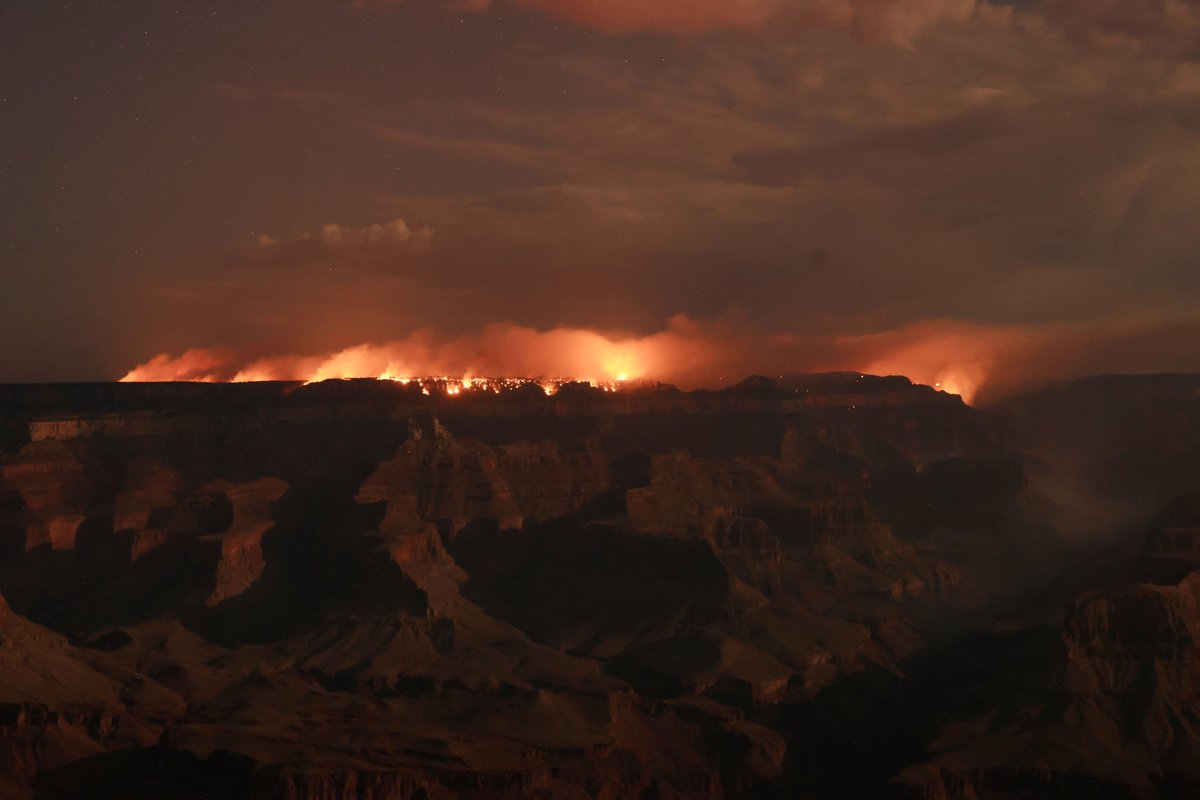
Photos: The Grand Canyon Burns - The Dragon Bravo wildfire in Arizona grew rapidly over the past weekend, destroying the historic Grand Canyon Lodge and dozens of other structures along the canyon’s North Rim. https://t.co/MuojtEscMf
Why the New York Subway System Keeps Flooding
Listen to this article
15JUL2025
Winnie Hu, Hilary Howard & Stefanos Chen
https://t.co/yEKHFpYubj
The century-old system faces infrastructure and climate challenges that are making its water problem worse.
For many New Yorkers, the waterlogged subway stations around the city on Monday night were a familiar disruption to their commutes.
Though service returned to normal by Tuesday morning, the storms that struck the region served to highlight
— once again —
just how overmatched New York City’s subway system is by the increasingly extreme weather caused by climate change.
The subway system, which is more than a century old, is relied on by millions of passengers every day and weaves the city into a cohesive network.
But it has a longstanding infrastructure problem that is only getting worse as rainfall gets heavier and more frequent.
Even as some improvements have been made, the M.T.A. is in a race against time; in 25 years, the likelihood of torrential rainfall events in the region is projected to almost double.
Twenty of the 472 stations in the sprawling subway network had to be temporarily closed on Monday night, including bustling stops along the 1, 2, 3 and 6 lines in Manhattan, which run the length of the island and link to the Bronx.
There were widespread service delays as water sloshed onto busy tracks and platforms.
Amateur video footage showed streams of water flowing through the 23rd and 28th Street stations, on the 1 line.
Bored through layers of dense bedrock, the subway system is surrounded by the groundwater that runs beneath the city.
Even on a dry day, transit workers are routinely dispatched to plug leaks and pump out typically between 10 million and 13 millions of gallons of water from the system, according to the Metropolitan Transportation Authority, the state agency that operates the city’s mass transit system.
On Monday night, transit workers pumped out more than 15 million gallons of water from the system, in part because the city’s sewage system backed up, the M.T.A. said.
The city’s sewer system, like the subway, is more than 100 years old.
Both crucial systems were designed for a smaller city that had yet to deal with the level of storm surge and extreme rainfall that it sees currently.
Most of the city’s drainage infrastructure consists of a combined sewer system, which means that a single pipe carries both storm-water runoff and sewage from buildings.
These pipes were built for about 1.75 inch capacity.
So during an extreme rainfall event like Monday’s, when parts of the city saw more than 2.5 inches of rain, those pipes will overflow.
The impact of rainfall and flooding is also magnified in the subway system because of its porous nature.
With rain, any opening that ends in a subway tunnel is a cause for concern, everything from a station entrance to an elevator shaft, said Klaus Jacob, a geophysicist and professor emeritus with Columbia University.
The subway system is ventilated, with open grates spread throughout the city.
Janno Lieber, the head of the M.T.A., said that “the system is not a hermetically sealed submarine,” though the transit agency says it has taken a number of steps to prevent flooding at stations.
The M.T.A. is developing automatic closures for the subway system’s 39,000 air vents, according to a recent report by the authority.
But those kinds of upgrades are expensive; the authority has requested an additional $6 billion for storm-water and coastal flood resilience improvements.
Dr. Jacob said the blame for recurring subway flooding did not rest solely with the transit agency. “It’s not just an M.T.A. issue
— the flash flooding has to do with insufficient drainage, and that’s a city issue,” he said, referring to the Department of Environmental Protection, which oversees the city’s water supply and sewer system.
“What happened last night is really quite simple,” said Rohit Aggarwala, who heads the department.
“The pipes were designed for a certain amount of water.
A lot more water fell from the sky.”
The department has dedicated itself to major sewer upgrades, green infrastructure projects and to cleaning the city’s 150,000 catch basins, Mr. Aggarwala said.
But with a sewer budget of only $1 billion a year, and an estimated $30 billion worth of needed work, it will take decades to complete, he explained.
Winnie Hu is a Times reporter covering the people and neighborhoods of New York City.
Hilary Howard is a Times reporter covering how the New York City region is adapting to climate change and other environmental challenges.
Stefanos Chen is a Times reporter covering New York City’s transit system.
See more on:
N.Y. Metropolitan Transportation Authority,
https://t.co/gCmRdJAOsT
Department of Environmental Protection (NYC)
https://t.co/BHkHxLKkX1
The cool spray from hydrants along the street can be refreshing in the summer, but can also cause problems with water pressure in the area. https://t.co/tFp5YTK31n