Madrileña que ha vivido en Holanda, parlanchina, ruidosa, de risa facil, loca por el cine y libros de ciencia ficción, fantásticos y comics. El resto pregunta:D
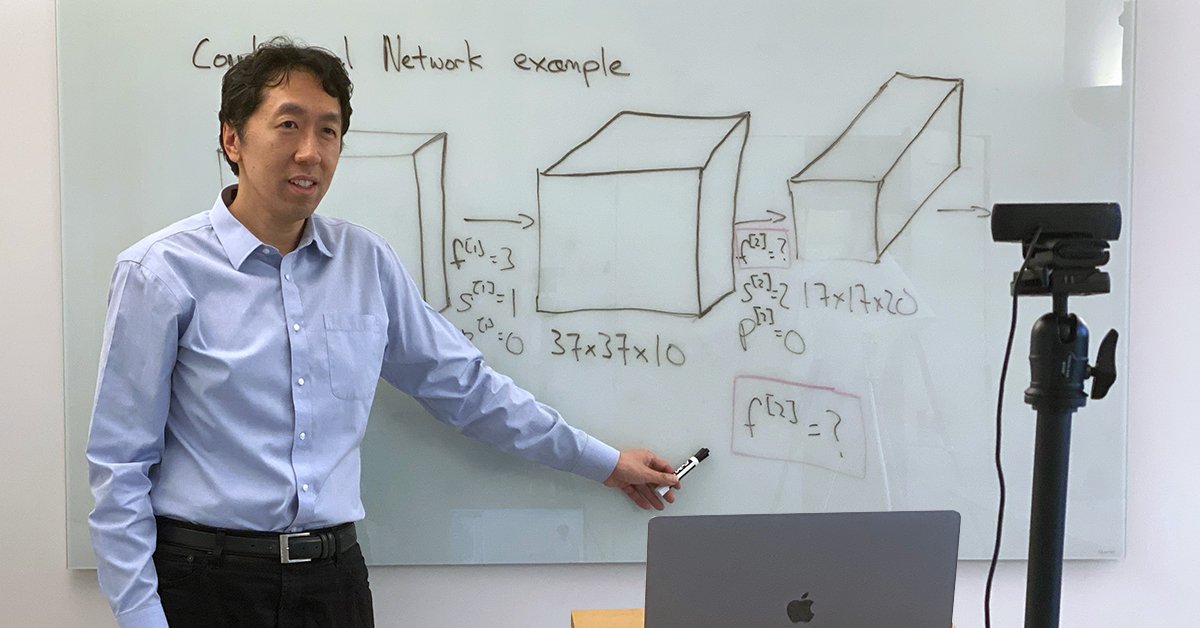
A Stanford CS professor told his class something at the start of the semester that made half the students close their laptops.
He said the skill that will separate the people who thrive in the next decade from the people who stall has almost nothing to do with coding.
His name is Andrew Ng, and he has trained more machine learning engineers than almost anyone alive.
Here is what he said, and why it changes how you should be learning right now.
He said the bottleneck is no longer writing code. It is knowing which problems are worth solving in the first place. For thirty years, being a good engineer meant being able to build what someone else defined. In the world that is arriving, every engineer has infinite leverage to build almost anything, which means the person who picks the right thing to build now wins by orders of magnitude over the person who builds the wrong thing flawlessly.
His framework for problem selection is deceptively simple. He calls it the three-question filter.
The first question is whether the problem you are working on actually matters to someone who would pay for it or use it daily. Most students fail here. They work on projects that are interesting to them and nobody else, and then wonder why the portfolio produces no offers.
The second question is whether the problem is still hard now that AI exists. If a single prompt to a hosted model solves it, the problem is no longer valuable to solve yourself. The interesting problems live in the gap between what AI can do alone and what it can do when combined with domain knowledge, careful system design, and data nobody else has access to.
The third question is the one most people skip. Can you actually ship a working version in a week. Not a polished version. A crappy, embarrassing, actually-functional version. Ng said the number one predictor of which of his students ended up building something important was not talent. It was the willingness to ship something bad fast and then improve it in public.
He said the students who kept tweaking in private for six months before showing anyone almost always produced worse final work than the students who shipped a broken version on week one and iterated based on real feedback.
The people who are actually winning right now are not the ones with the best ideas.
They are the ones who learned to pick problems that matter and ship solutions that barely work, before anyone else has even finished thinking about it.
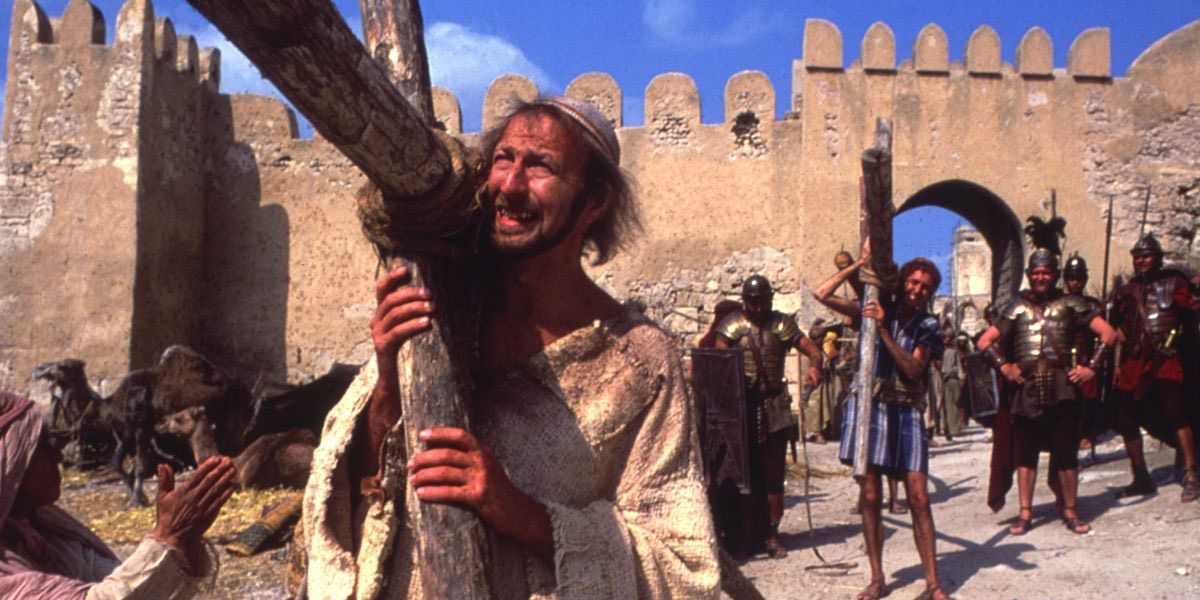
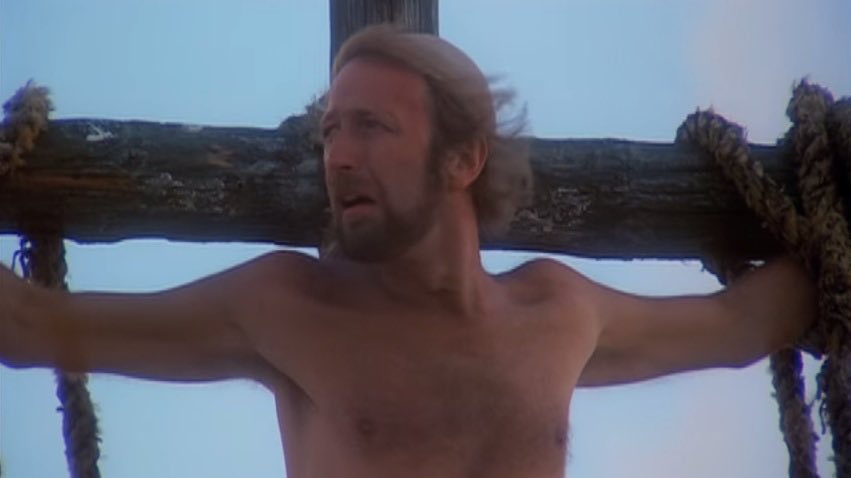
Hoy se conmemora la muerte de Brian de Nazareth, también conocido como Brian al que llaman Brian. Vendedor de snacks romanos hasta que entró en el Frente Popular de Judea. No murió por nuestros pecados ni era el Mesías pero era majete.
What will the Artemis-2 astronauts do during the entire 10-day mission?
Day by day overview:
Day 1. Launch.
Launch on the SLS rocket, stage separation, orbital insertion. Maneuvers around the spent stage, initial system checks, change from spacesuits to everyday clothing.
Day 2. Beginning the journey to the Moon:
Simulator exercises, then the main maneuver—translunar injection (TLI), which places Orion on a trajectory to fly around the Moon and return to Earth.
Day 3. Preparation
Rehearsals for lunar observations in zero gravity, corrective maneuver, emergency procedures training (e.g., CPR).
Day 4. Course correction
Second minor maneuver, communication with Mission Control, media sessions, photography of Earth and the Moon at the midpoint.
Day 5. Lunar Entry
For the first time since 1972, humans will be in cislunar space. Spacesuit tests: rapid pressurization, life support systems checks. Another course correction.
Day 6. Lunar Flyby
The main day: The Orion spacecraft will fly at an altitude of 6,400–9,650 km above the lunar surface.
This distance is approximately 15–24 times greater than the orbital altitude of the ISS. Plus, the Moon itself is smaller. Visually, the Moon will look like a basketball at arm's length to the astronauts. There will be only three hours for observations during closest approach. The astronauts will take photographs and record geological data. Depending on the launch time, the Artemis 2 crew could break the record for the longest distance from Earth.
Day 7. Lunar Exit
Data transfer to scientists, psychological and physical debriefings. Symbolic call with the ISS crew. First maneuver of the return trajectory.
Day 8. Demonstrations
Radiation protection training (using water and thermal protection as barriers). Testing the Orion attitude control systems in various modes.
Day 9. Preparing for reentry
The last full day of the flight. Technological demonstrations, course corrections, fitting of compression suits to help the body adapt to weightlessness.
Day 10. Return
Final maneuver, atmospheric reentry, during which the temperature will reach 1650°C. Parachute deployment, splashdown in the Pacific Ocean off San Francisco. Crew pickup by US Navy ships.
Ni Dios, ni patria ni familia son conceptos fascistas. Los conceptos no tienen ideología. Lo que es fascista es apropiarse de esos conceptos y pretender que tu manera de entenderlos sea la única. Parece mentira que tenga que venir un puto cómico a explicar a Platón.
El 12 de agosto de 2026 se producirá el primer eclipse total de Sol visible en la Península en más de un siglo. Aquí, franja de visibilidad de la fase total. Evento excepcional, pero hay que observarlo con seguridad, y veo en amigos y familia dudas y errores. Info y consejos 👇
The Fallas festival in Valencia has already begun, and we have had our first casualty. Morrissey has cancelled his show because he couldn't sleep.
Fallas is noise 🙉 , fireworks🎆... and there is a light that never goes out! 😎
Enjoy today’s mascletá!
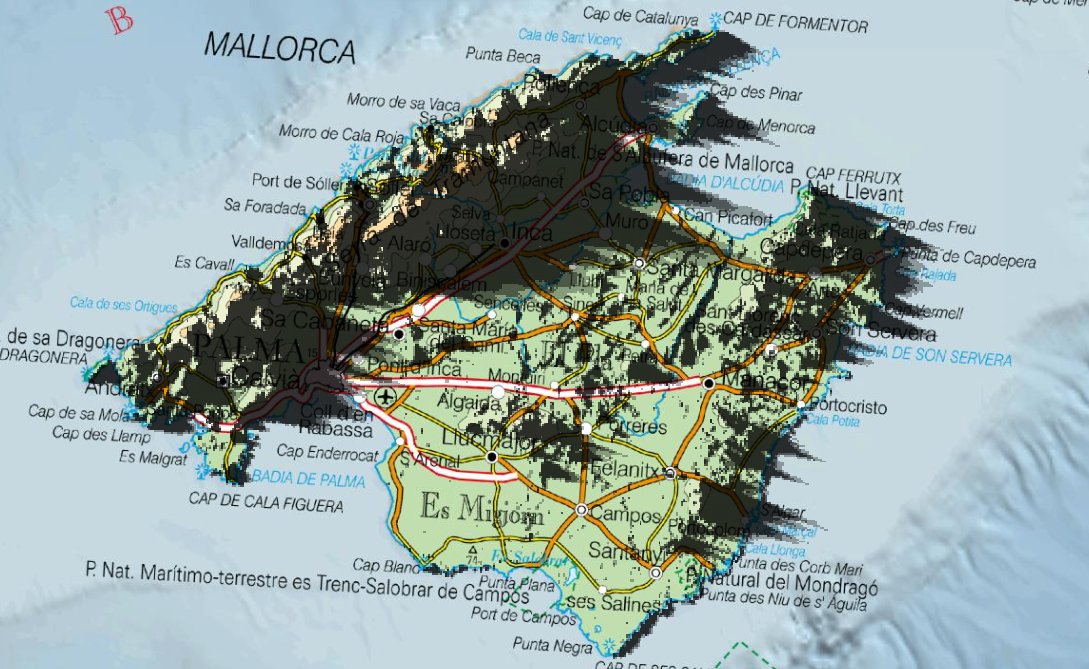
Si estás planeando la observación del eclipse de Sol del 12 de agosto y quieres saber si el relieve te va a permitir verlo, usa nuestro visualizador. Tiene una nueva capa ("Visibilidad") que muestra las sombras predichas con un modelo digital del terreno: https://t.co/LoThgddjy6