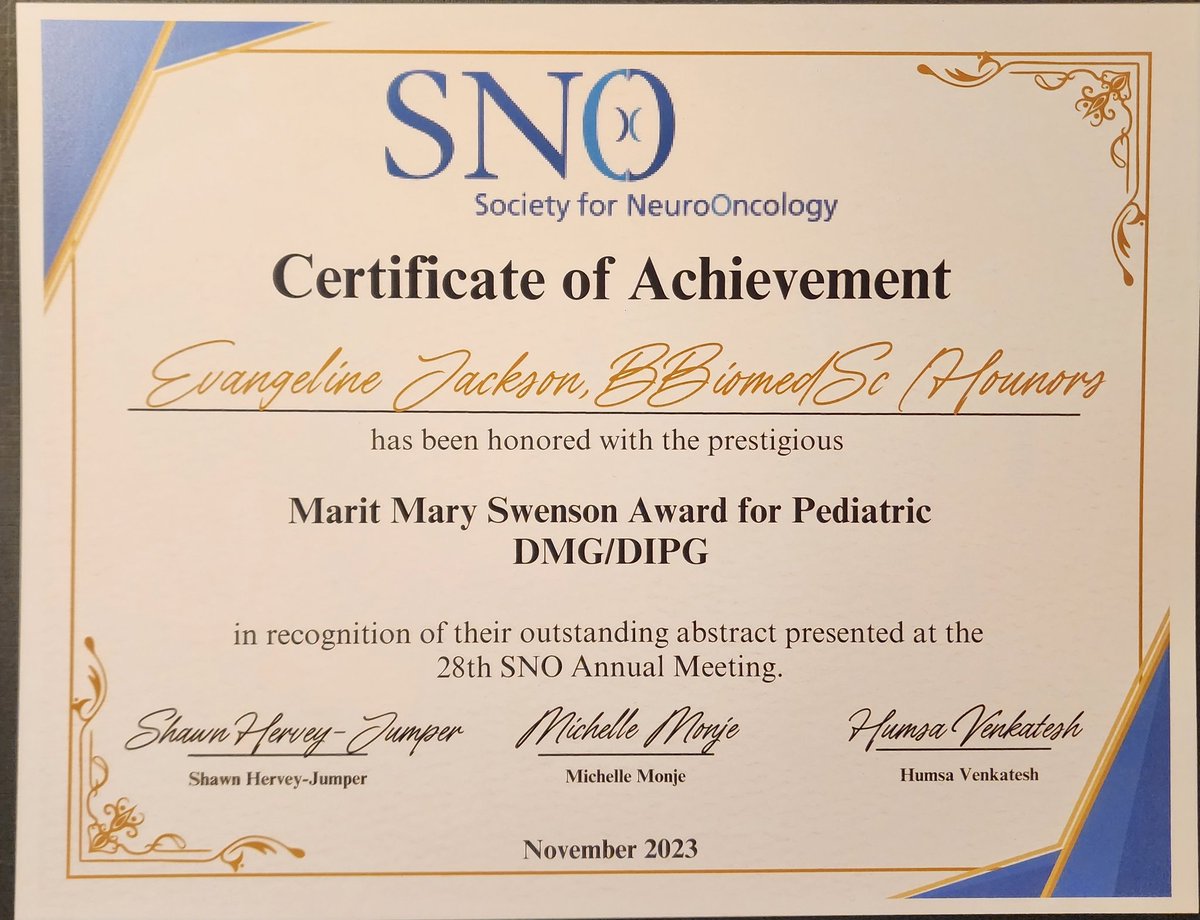
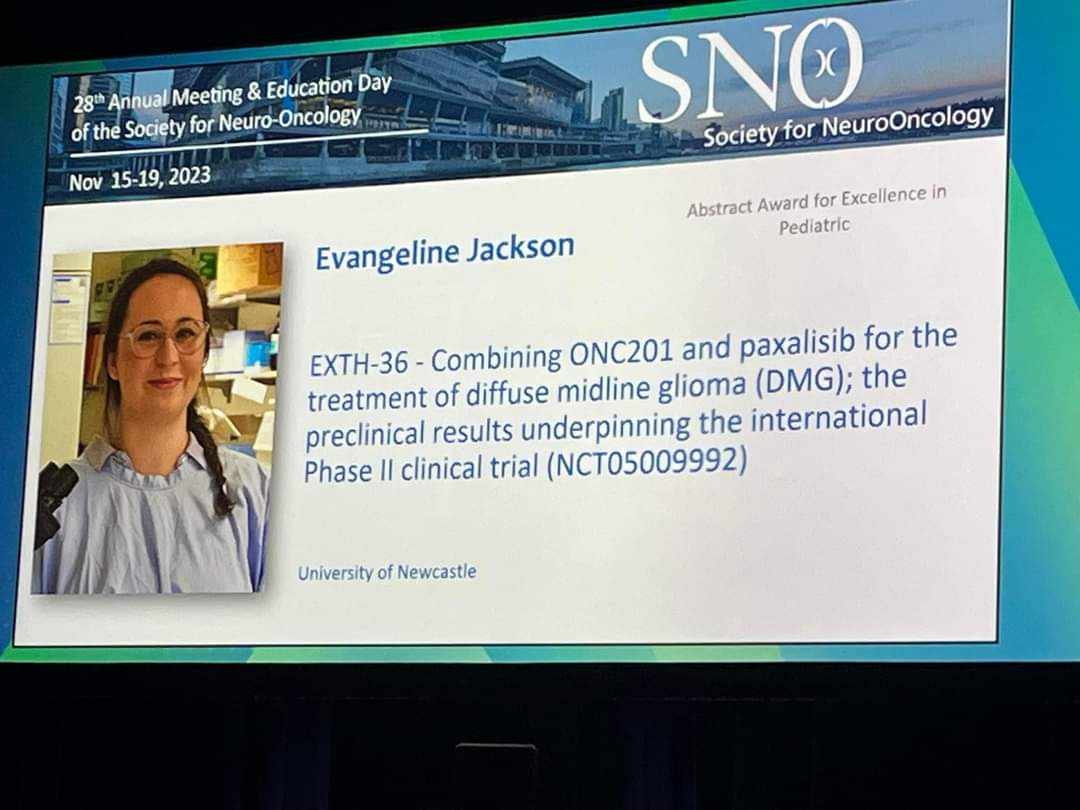
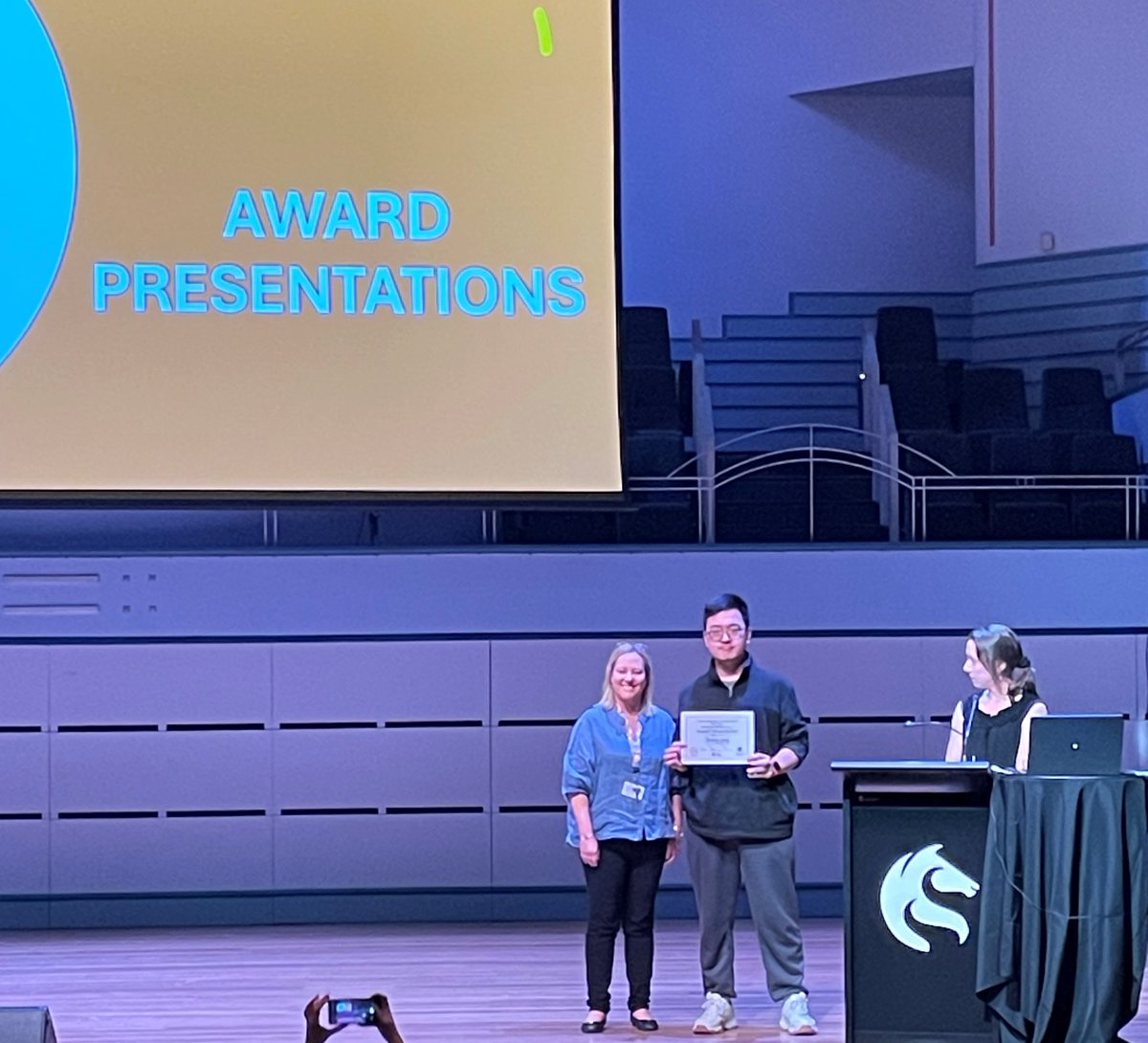
Congratulations to #DunLab's newest PhD student Yuanhao for receiving his first research award. I'm sure this is the first of many.
Thanks to #WarriorJack and @RUNDIPG for supporting Yuanhao's scholarship. @PrecisionMedUON@HMRIAustralia @UON_research
I'm so honoured to be named a Col Reynolds ECR Fellow for 2024. Congrats to fellow recipients and huge thank you to @KidsCancerProj for their support. Also thank you to the support from the #DunLab as well as @MattDun17 and @duchatel_ryan. @PrecisionMedUON
@UON_research
The Kids’ Cancer Project has committed over $7.6 million to support 24 of Australia’s top young scientists.
Watch the full video and learn more about the 2023 and 2024 cohort of Col Reynolds Fellows.
https://t.co/2mMldXcTfL
Ph #DunLab! So proud of @evierjackson graduating today! Our 1st incredible #DIPG#DMG student but nowhere near our last.
Enjoy EJ and thanks for your dedication, leadership and excellence.
Thanks @_IsabellaMarcus for EJ scholarship and to all our supporters and parents @RUNDIPG
Ph #DunLab! So proud of @evierjackson graduating today! Our 1st incredible #DIPG#DMG student but nowhere near our last.
Enjoy EJ and thanks for your dedication, leadership and excellence.
Thanks @_IsabellaMarcus for EJ scholarship and to all our supporters and parents @RUNDIPG
Here, we describe a clinically relevant combination therapy and highlight the inclusion of RT. Our results also provide the impetus for future studies targeting alterations to myelination and the immune environment due to combined paxalisib and enzastaurin. (11/13)
Therefore, it is imperative to promote the benefit of radiation, our only current weapon against DIPG. Here, we treble the survival benefit of the combination by include RT, showing impressive tumor regression. (10/13)
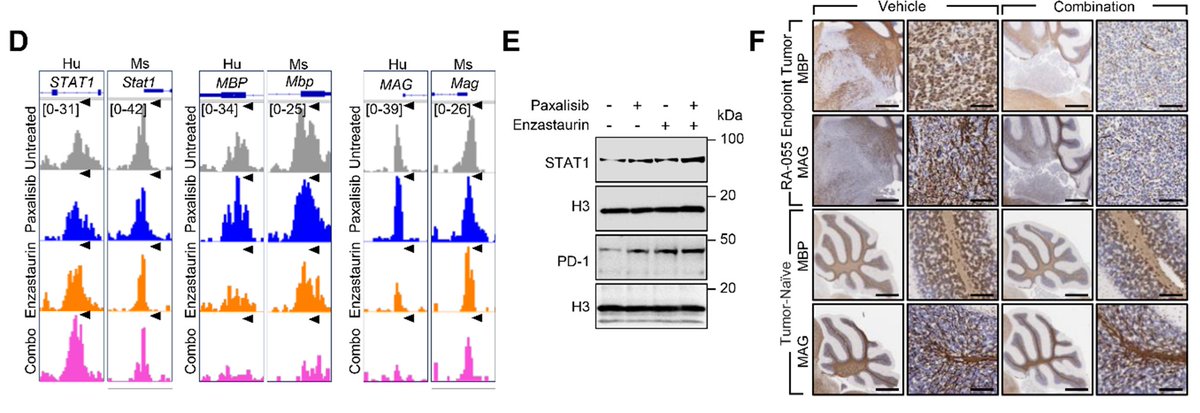
Through investigating the chromatin architecture (ATAC-seq), we further validated these findings, showing that the treatment driving this proinflammatory landscape, much like patients diagnosed with multiple sclerosis, which is unsurprising given the OPC cell of origin. (9/13)
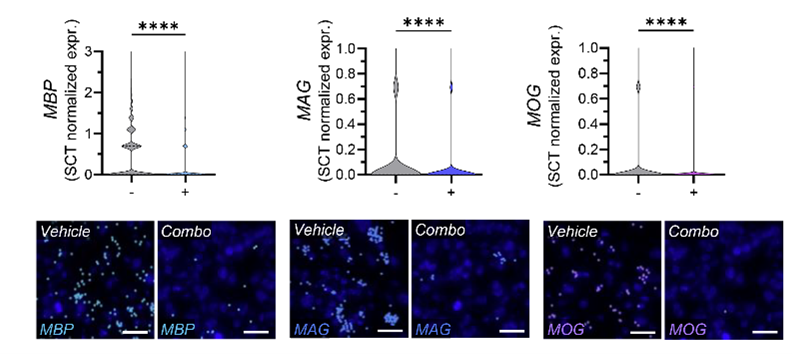
Additionally, we show genes critical to oligodendroglial myelination show significantly decreased expression in tumor tissue treatment with the combination, driving this proinflammatory landscape. (8/13)
So excited to share our latest findings, just published in @jclinicalinvest! So proud of this work detailing the targeting of PI3K/mTOR with paxalisib, led by @duchatel_ryan, @evierjackson and @MattDun17. Follow this tweetorial for a summary: (1/13)
https://t.co/FVfTuzRSiw.
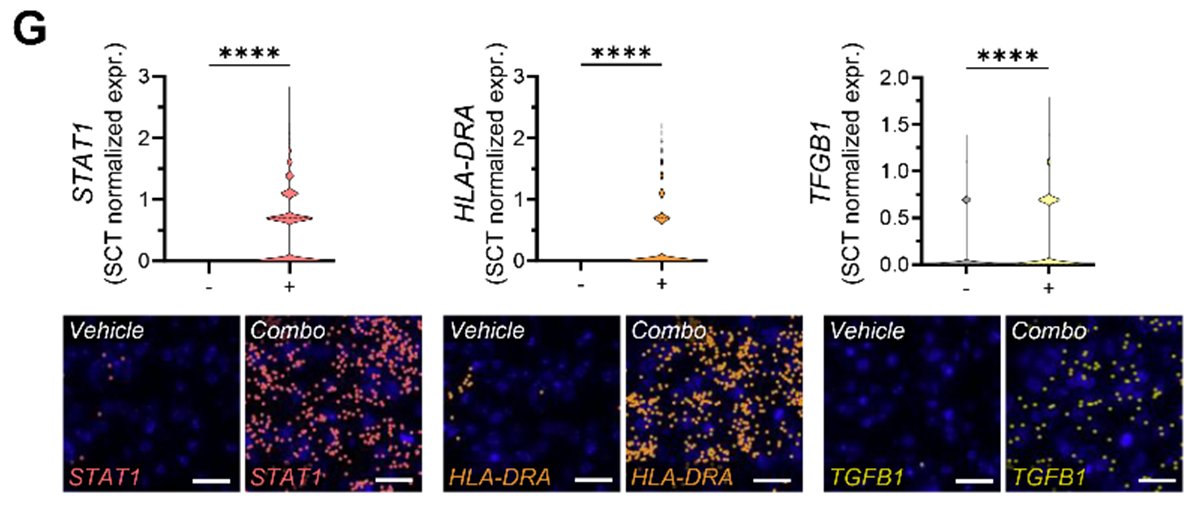
Here, we show increased TGFB1 and MHC II gene expression profiles, alongside increased STAT1 signaling, suggesting DIPG’s genetic dependence of PI3K signaling may promote immune escape through impacting antigen presentation. (7/13)
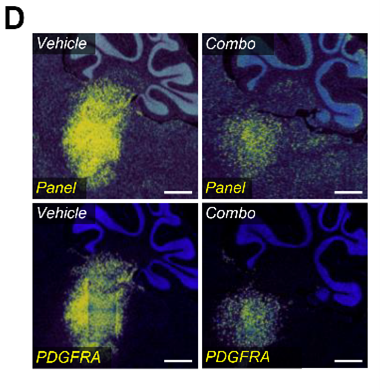
Yet, although we show a synergistic survival benefit, mice still succumb of DIPG. Therefore, we assess therapeutic escape/plasticity via single cell spatial transcriptomics analysis using the @10xGenomics Xenium platform, showing high PDGFRA expression in tumor regions. (6/13)
We performed global unbiased quantitative phosphoproteomic profiling of DIPG cells treated with paxalisib, confirming potent PI3K/Akt/mTOR pathway inhibition, whilst simultaneously activating PKC signaling, ameliorated using the PKC inhibitor, enzastaurin. (5/13)
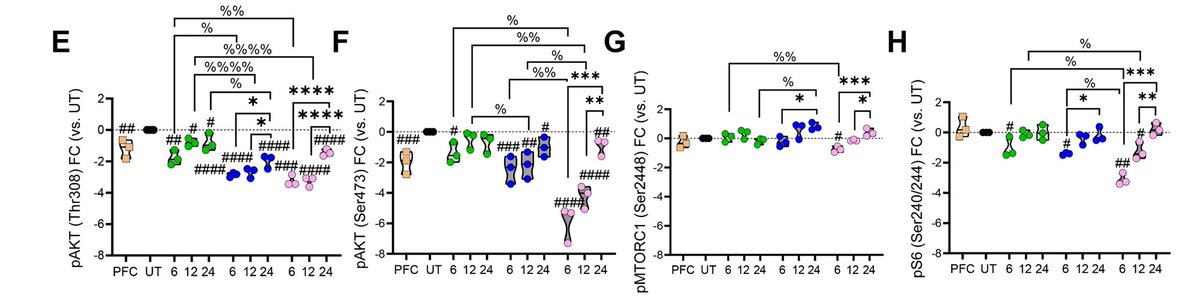
In line with in vitro analysis, the phosphorylation of pAKT (Thr308/Ser473) decreased in a dose-dependent manner. Treatment with optimized dosing of 5 mg/kg/b.i.d. maintained suppression of PI3K signaling to a similar level to that of 10 mg/kg/day. (4/13)
Treatment of DIPG cell line models with paxalisib potently inhibited PI3K/Akt/mTOR phosphorylation, sustained for up to 24h post-treatment in vitro. (3/13)
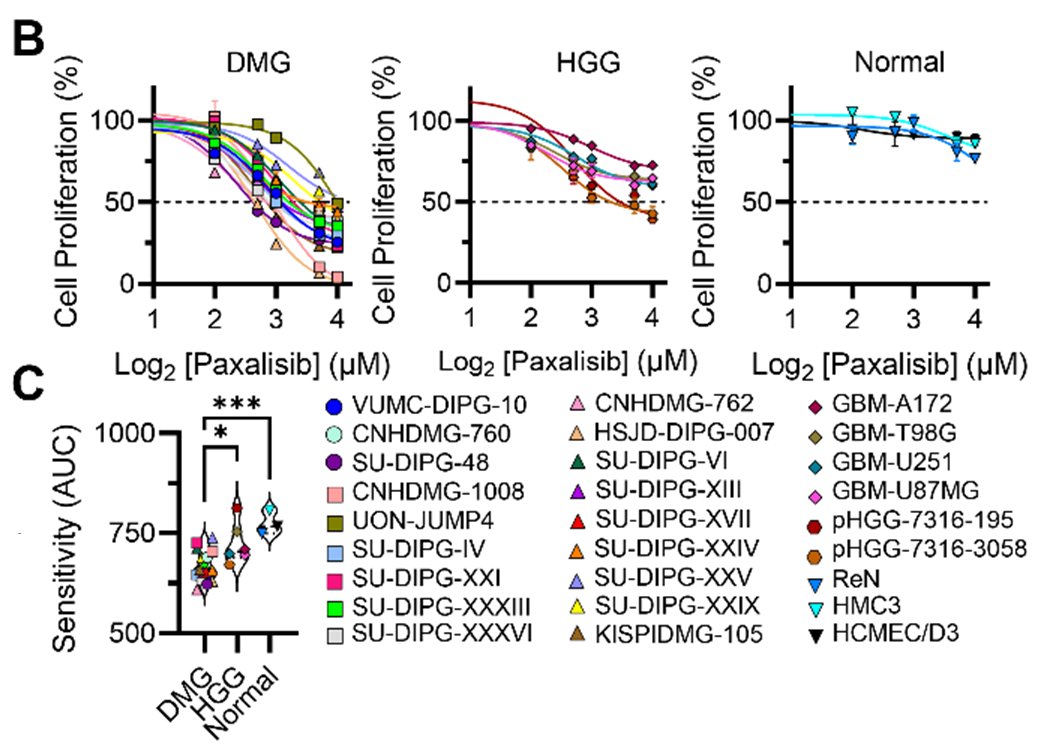
DIPG cells lines were significantly more sensitive to paxalisib than non-midline high grade gliomas, with normal controls [HCMEC/D3 BBB endothelial cells, HMC3 microglial cells and ReN neural progenitor cells] resistant to treatment at high dose. (2/13)
We are extremely grateful to have received @MarkHughesFdn Brain Cancer Innovation Grant for our project "Utilising a translational nanopharmaceutics approach to improving drug delivery in DIPG" @MattDun17@duchatel_ryan@evierjackson#LaurenArms https://t.co/pwofX5UnqH
The PNOC001 trial results on everolimus for children with progressive/recurrent pLGG and genomic biomarkers for progressive disease are now published in @JCO_ASCO https://t.co/FSMkBOGXJL. Congratulations to the @PNOC_kids team! @UCSF_PBC @NeurosurgUCSF@epflSV @NCMMnews @NeuroOnc