Rodrigo Pantoja, Mexican architect & landscape architect, advances regenerative, participatory, and biophilic design for healthier cities. Open to lectures.
This week I worked with the MERMA collective and dove into an intensive biomaterials workshop with Mauricio Vásquez & @BiofiliaMaterial — turning nopal, corn, tuna, garambullo & coffee waste into bio-based materials. Prepping exhibitions + research on this MX–CO collab
Excited to announce that my paper, "Circular Foodscapes: Urban Health Infrastructure for Food Access and NCD Prevention in Mexico," has been accepted for an oral presentation at #ICUH2026 in Mexico City this October. Landscape design as public health infrastructure — can't wait
Honored to join the 2026 cohort of ACSA Academy for Public Scholarship: Spatial Determinants of Health, with @theopedproject.
The built environment is public-health infrastructure. Landscape isn't decoration—it shapes who gets to be well.
#HealthyCities
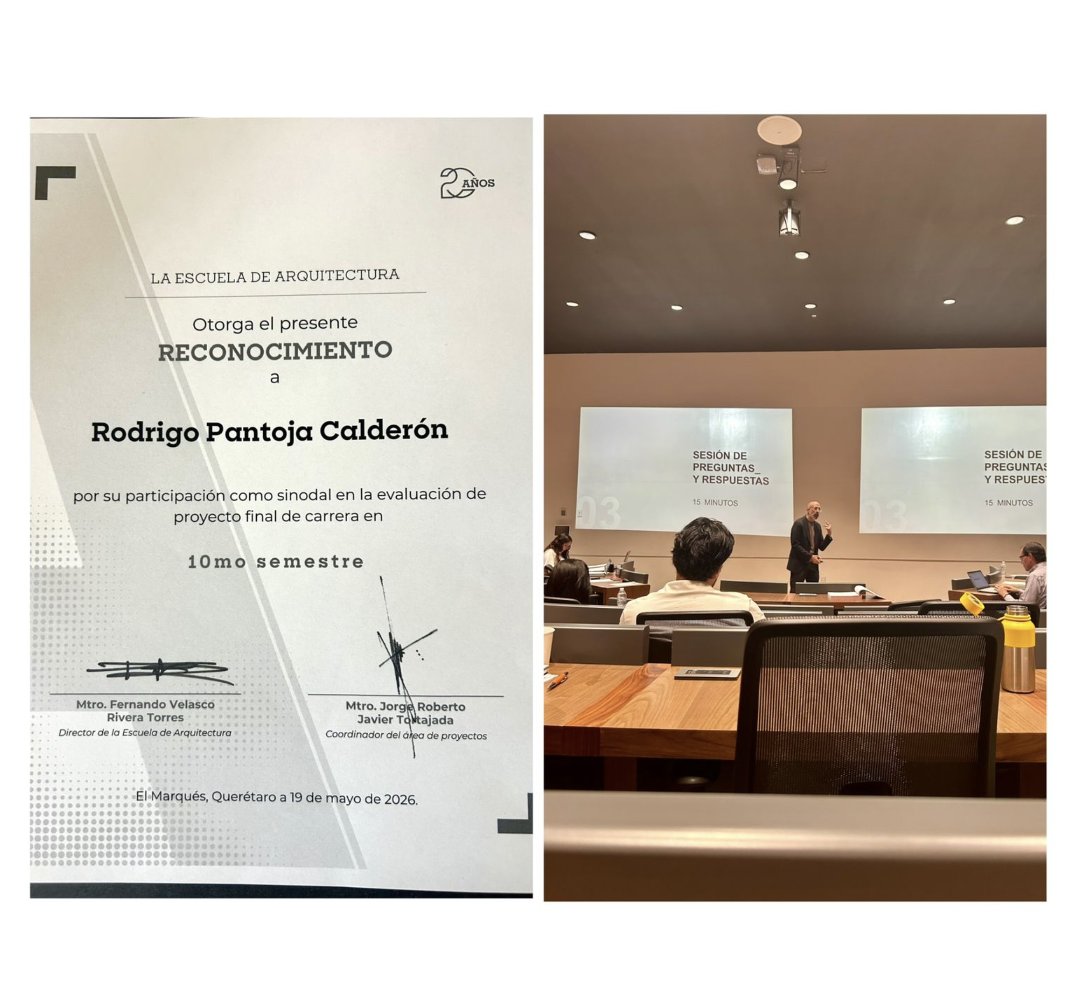
Honored to serve as thesis jury at @AnahuacQueretaro's School of Architecture. Watching graduating students defend their spatial arguments is a reminder of why design education matters, not just what you build, but why, where, and for whom.
Congratulations to today's graduates.
Honored to participate in the Regenerative Design Diploma at Tecnológico de Monterrey, coordinated by Carlos Cobreros and Mariana Covarrubias.
In Module 5, we explored Regenerative Landscape Architecture and Urban Agriculture as tools for resilient, community-centered cities.
An interdisciplinary team 🇨🇴🇲🇽 is turning food waste — nopal, maize, coffee — into a living art installation.
Biopolymer sheets. Structures that decompose and return to soil.
The project feeds into the research paper "Biogenic Residues as Active Matter."
#Biomaterials#FoodWaste
Teaching interior architecture at @TecdeMonterrey with Ana Jiménez. Spatial design shapes stress, perception, and behavior — making it a form of preventive public health. Encouraging students to design with rigor, creativity, and the human being at the center.
#PsychologyOfSpace
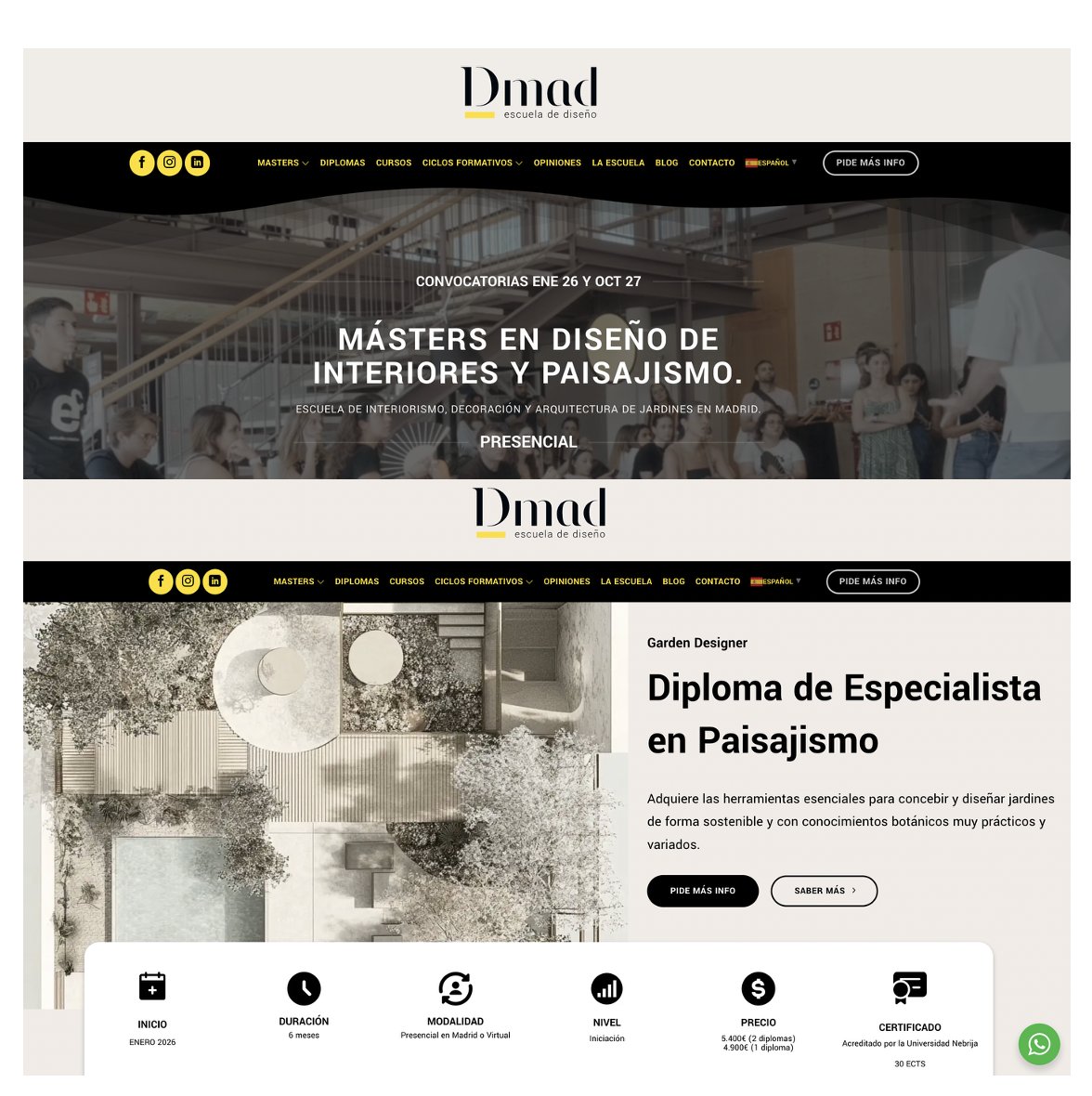
Grateful to teach Applied Botany in Landscape Architecture: Public Garden Development at DMAD Escuela de Diseño, accredited by Universidad Nebrija. Inspiring exchange with an international cohort on resilient, nature-based urban design.
#NatureBasedSolutions#LandscapeArch
Cities shouldn’t just expand—they should grow like forests
A call for regenerative, resilient urban systems where landscape becomes infrastructure.
https://t.co/0BHHu7qAiU
#SustainableCities#LandscapeArchitecture#ClimateAction
Honored to share that I’ve been selected as a juror for the Great Places Awards organized by the Environmental Design Research Association (EDRA)
Grateful for the opportunity to contribute to recognizing research that strengthens the relationship between people and place.
#EDRA
Honored to join the Landscape Design Seminar "Participatory Design & Social Cohesion" at Universidad Michoacana de San Nicolás de Hidalgo. Great conversations on landscape, community, and the city. Thanks for the invitation! 🌿
#LandscapeDesign#ParticipatoryDesign#Architecture
Happy to share that our work was selected for “Depletion: A Design Inquiry?” at TU Delft, organized by the Delta Urbanism Research Group (31 March–11 April).
The exhibition reframes soil depletion as a lens for adaptive & regenerative design. Honored to contribute from Mexico
Honored to be invited by DMAD Madrid to teach 2 modules in their 2026 Landscape & Garden Design Specialization Diploma:
New Approaches for Sustainable Cities
Developing Projects in a Public Garden
Grateful and excited for this opportunity. #LandscapeArchitecture#GardenDesign
Designing for well-being is essential. Architecture shapes how we feel, behave, and live. Creating empathetic, human-centered spaces leads to healthier, happier communities.
#WellbeingArchitecture#Neuroarchitecture#ConsciousDesign