Ketika Romo Mangunwijaya berkata: "Keindahan adalah Pancaran dari Kebenaran", Bjarke Ingels berkata: "So you can see what makes the building look elegant, is also what makes it perform elegantly"
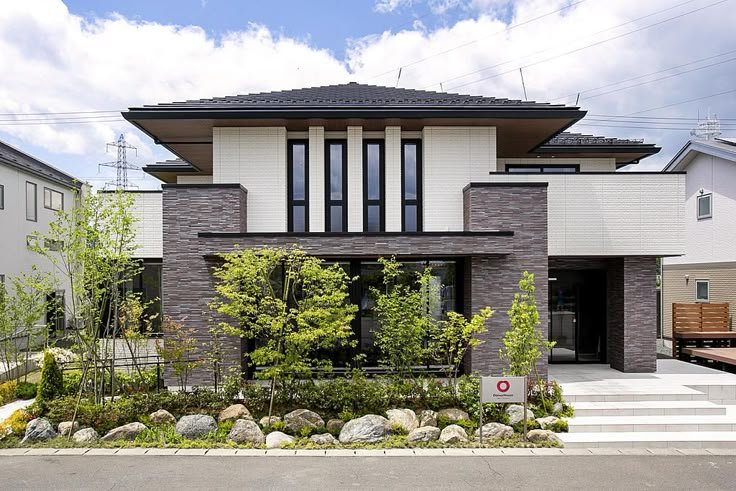
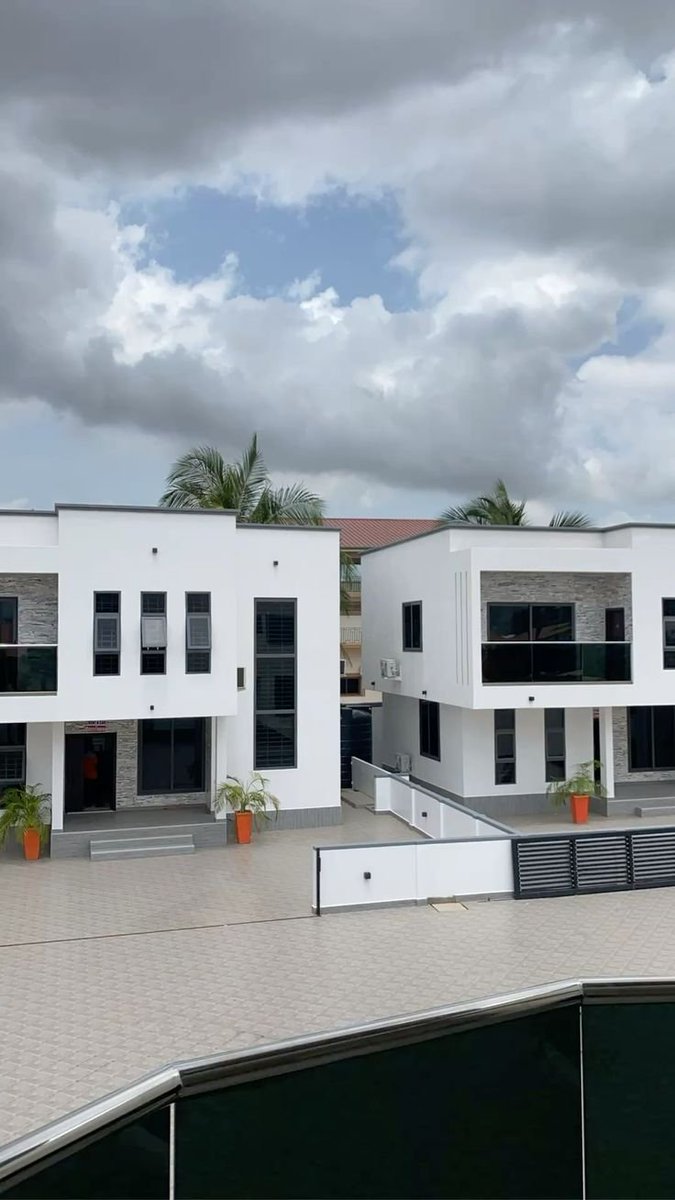
Long roof overhangs aren't just aesthetic
In Nigerian climate, properly designed eaves can help protect walls and openings from rain and reduce direct solar exposure
Traditional climate-responsive ideas still have plenty to teach contemporary architecture
Design sustainably🌿
[PENGANTAR FENOMENOLOGI]
Kali ini kami mau bahas salah satu gerakan filsafat yang berkembang dan berpengaruh di Abad 20, yaitu fenomenologi.
Sebuah utas!
@ggbdlprmn awalnya aku sangsi, tapi setelah nonton video rizki aku jadi lebih paham 3D dan hubungan antar ruangnya gimana.
it works.
https://t.co/lLx9Oxpgxx
Koolhaas Collage as process
Collage is central to Koolhaas’s design method because he rarely treats architecture as the invention of a completely autonomous form. Instead, he collects, cuts, recombines, and reprograms things that already exist—images, buildings, plans, cultural references, fragments of cities, pieces of other projects.
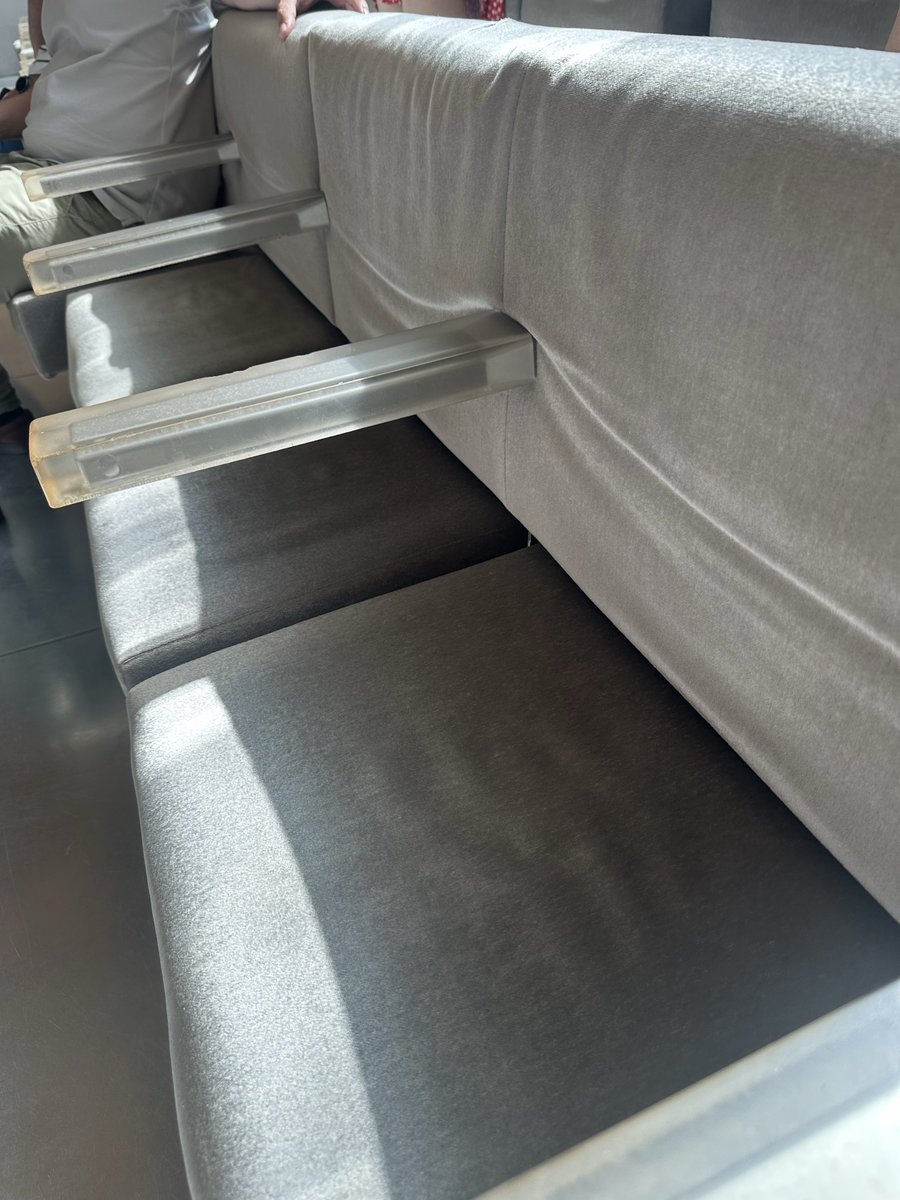
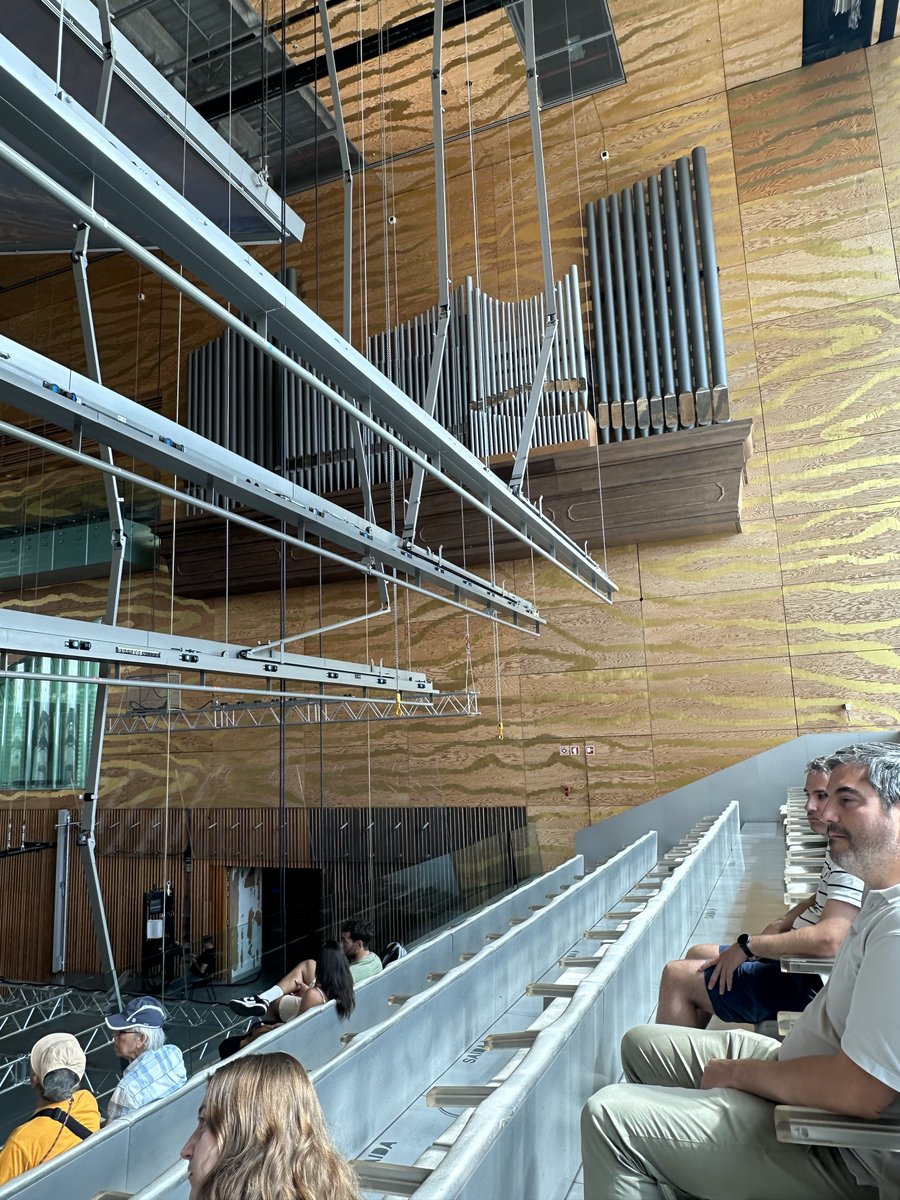
At casa da musica you see juxtapositions like gold leaf on plywood, old organ pipes as interior elevation acoustic absorber, curved vision glass, cast resin on seat handles.
Architecture is not necessarily a search for the new. It is a search for what happens when existing things are violently placed into a new relationship.
@ikhwanuddin Karya pameran dan buku dari tahun 2015, yg membeberkan sejarah "tropikalitas dalam arsitektur" - mengenai ragam sikap & respon terhadap iklim. https://t.co/KjwOSEPpg4
Jadi, kl gw sih, ngeliat desain skematis ini dr 1 gambar aja, gw tertarik ttg potensi kendala performa: soal potensi genang di atap jika detailingnya gagal dan soal sistem paneling untuk mendapatkan kurvatur tsb. If they solve that, future projects can learn from it.
hall beratap setinggi ini reverberation time (T60) nya jadi tantangan utama fungsi speech/ceramah
bikin kajian juga bakal susah didengerin, suaranya mantul-mantul ke sana ke mari
@mhuseinali Anda mencampurkan brutalisme, monumentalisme pemerintahan otoriter, & estetika yg sering dipakai di film2 scifi distopian. Itu 3 hal berbeda.
What if an ancestral home could evolve without losing its soul?
“KAAVU” is a home built around an existing mango tree, with a central courtyard becoming the climatic and spiritual heart of the house.
Instead of erasing the old, it lets tradition become part of the future
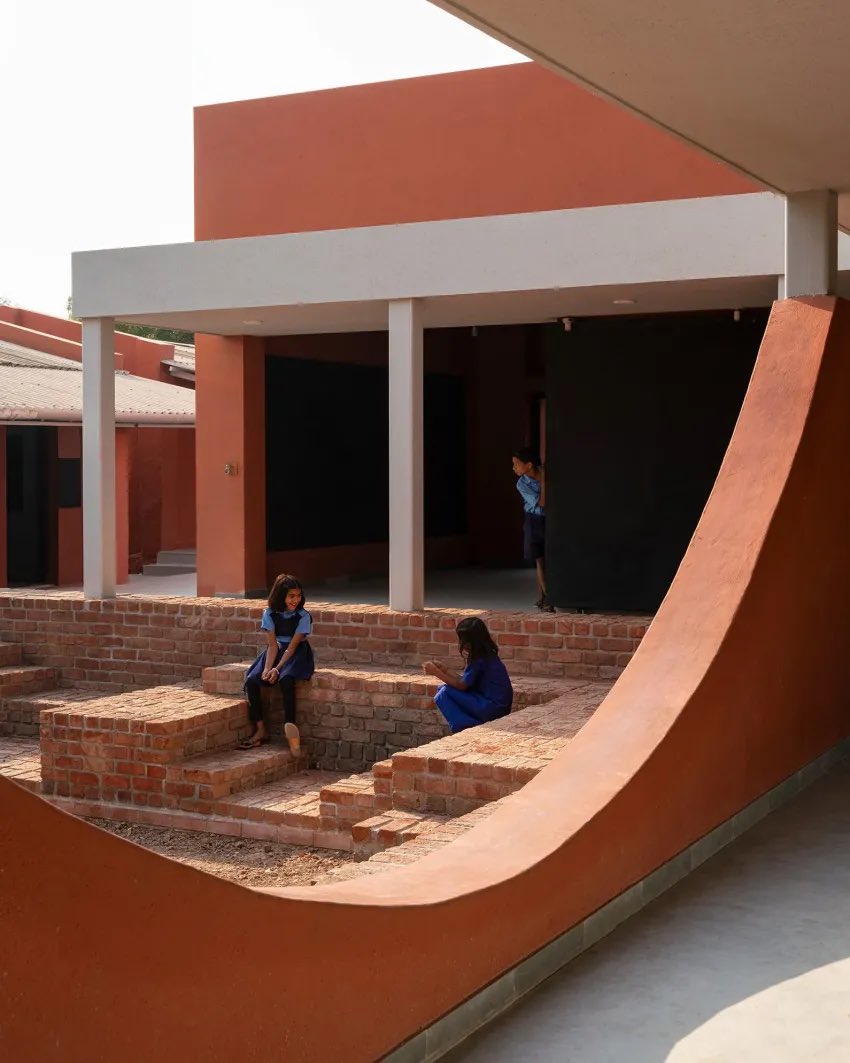
What if the classroom extended beyond four walls?
This school in India, expands an existing linear block into a field of smaller volumes, courtyards and shaded passages turning circulation and outdoor spaces into part of the learning experience.
📍 Nashik India
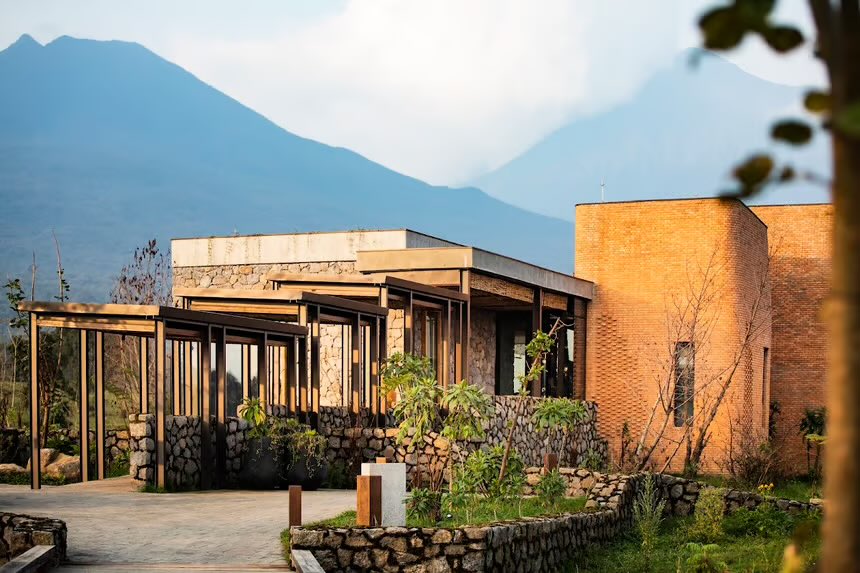
This is a villa built because 320 endangered mountain gorillas live ten minutes away.
Kataza House sits in the shadow of the Virunga volcanoes, named after a silverback gorilla, and everything about it is in dialogue with Volcanoes National Park. Mountain bamboo and forest trees surround the structure. Clay brick and volcanic stone sit as two distinct volumes, hand-fired by nearby communities, warm against the cold precision of stacked river rock. It doesn’t sit on the landscape, it’s mid-conversation with it, tall dry grass in the foreground, mountain on the horizon, everything lit gold in late afternoon light.
Look closer and nothing here was sourced from a catalog. Volcanic rock pulled straight from the site. Woven bamboo ceilings built in place, not shipped in. Sculptural wooden furniture and a fireplace carved into raw stone, the kind of interior that looks collected over decades, not designed in a season. The palette doesn’t decorate around the landscape, it repeats it, clay reds, charred blacks, the exact colors of the volcanic earth outside the window.
That undulating woven light installation, the one that looks like it’s rippling mid-motion, is Kenyan artist Were Osewe’s work, and it does what the whole house does in miniature: takes a material everyone assumes they already understand and asks it to move differently.
This is proof that luxury and place don’t have to be opposites. Rwanda didn’t import an aesthetic to build something world-class. It built with what surrounded it, and let that carry the weight.
Volcanoes National Park region, Rwanda · Photography: Kataza House
Venice sits on 10 million tree trunks that were hammered into mud over 1,000 years ago. They never rotted, because the Venetians stumbled onto the one loophole in how wood dies.
Rot is a biological process. Fungi and bacteria eat wood, and nearly all of them need oxygen to survive. The Venetians drove their piles through the soft lagoon floor into dense clay, fully below the waterline, where the mud is packed so tight oxygen can't reach. The organisms that destroy wood simply starve down there.
Then the water does something stranger. Minerals in the seawater seep into the submerged trunks year after year, filling the wood's cells and slowly hardening them. Give it enough centuries and the wood drifts toward stone.
The wet-dry zone at the surface, where rot actually thrives, never touches the wood at all. Venetians capped every pile below the low-tide line with slabs of Istrian limestone, a stone so dense it barely absorbs water, then built the brick and marble on top of that. The wood stays drowned forever. Drowned is the safe state.
When the bell tower in St. Mark's Square collapsed in 1902, engineers dug in expecting a rotten foundation. They found piles roughly 1,000 years old still intact, and reinforced them rather than replace them.
Records from the Salute church claim 1,106,657 piles were driven for that single building, over about two years of continuous hammering. The Rialto Bridge sits on 12,000 more.
Venice is a petrified forest planted upside down, and the water everyone assumes is killing the city has spent ten centuries preserving its foundations.
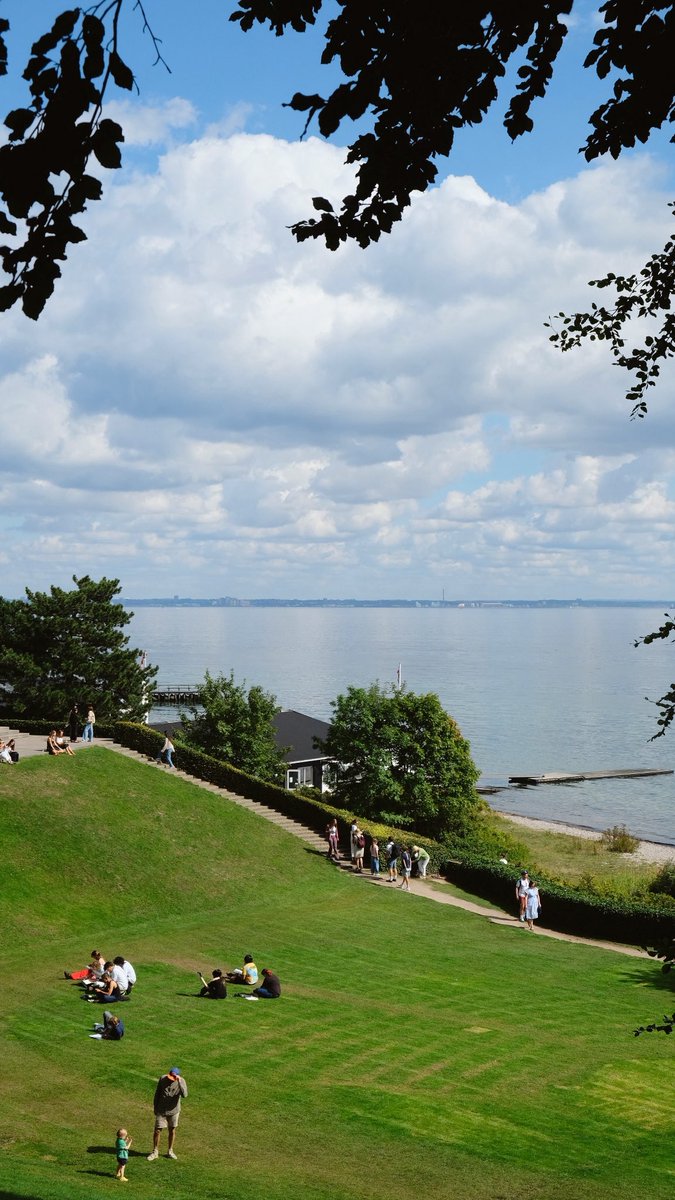
this is the Louisiana Museum in Denmark
the museum was designed to feel like a “covered stroll” through nature. 4,000+ works + a sculpture garden overlooking the sea
prob the prettiest museum I’ve ever been to
Morocco built one of Africa’s most modern universities 🇲🇦
Mohammed VI Polytechnic University (UM6P) combines bold architecture with courtyards, shaded walkways, earthy materials and expansive learning spaces.
I've been fascinated by this building since reading about it ten years ago and finally got to see it in person today.
It's called Tietgenkollegiet, one of Copenhagen's most interesting buildings. And it's a student dorm.
It's basically an experiment in whether architecture can make strangers become friends.
~390 students live here. Private bedrooms face outward, while the shared spaces, kitchens, lounges, etc. face inward toward a huge central courtyard.
So you can literally see other people cooking, hanging out, and gathering across the courtyard.
Instead of telling people to “build community,” the architecture makes it happen naturally.
I would've LOVED to live here as a student.














![schole_id's tweet photo. [PENGANTAR FENOMENOLOGI]
Kali ini kami mau bahas salah satu gerakan filsafat yang berkembang dan berpengaruh di Abad 20, yaitu fenomenologi.
Sebuah utas! https://t.co/YIN9iGeerN](https://pbs.twimg.com/media/EgbRnn1UwAEna9g.jpg)