Xi's meeting with private tech titans goes beyond an alignment b/w the state & the private sector. It's part of a detailed tech security strategy by China's Central National Security Commission in "The Total National Security Paradigm (2022)," translated here for the first time:
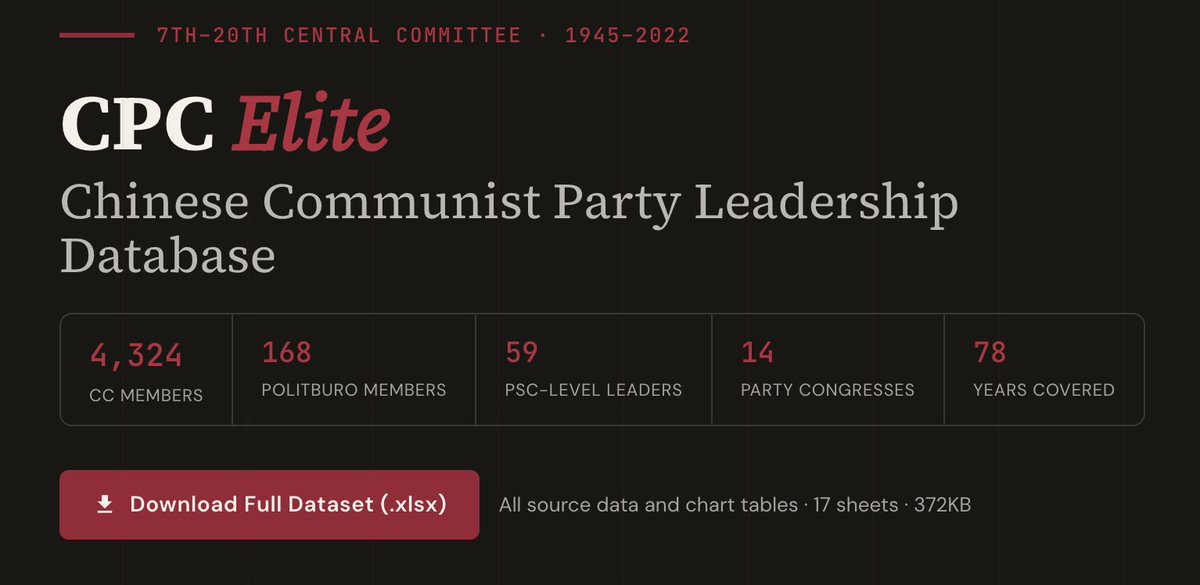
An open source website on the Chinese Communist Party elite, with data visualizations. Every Central Committee (4,324), Politburo (168), and PBSC member from 1945–Present.
All data available for download, as promised. Link and some standout charts below🧵
An interactive website of warfare across Chinese imperial history. 3,735 battles geolocated and split by dynastic period.
Drawn from the PLA Press' comprehensive chronology of Chinese warfare (中国历代战争年表)
All data on site: https://t.co/KLFnX7Bgz1
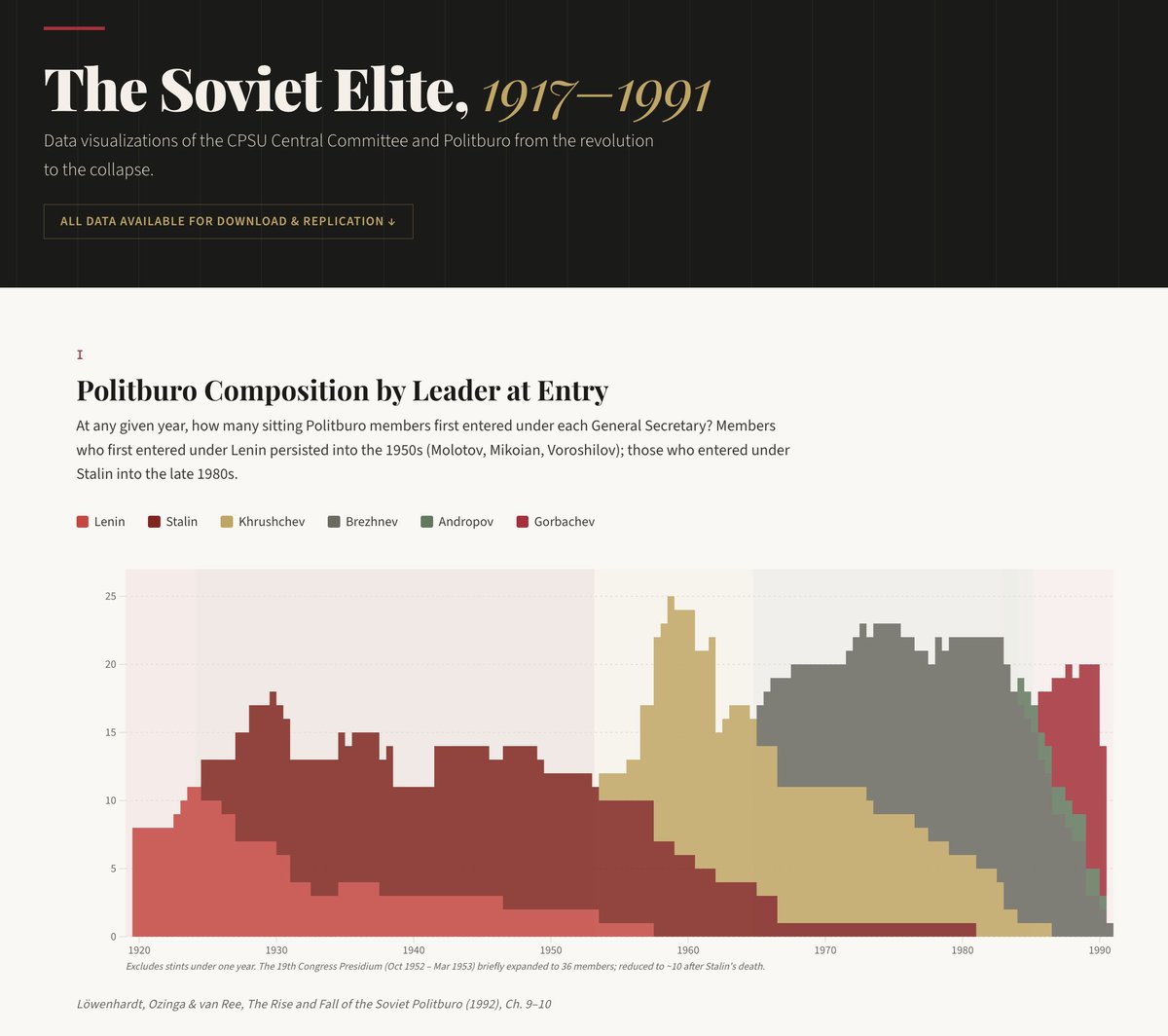
An open source website on the Soviet elite with data visualizations. Every Central Committee (4,480) and Politburo member (130) from 1917–1991.
All data made easily available for replication (compiled from books below and other sources)
https://t.co/yy7Imvc1ps
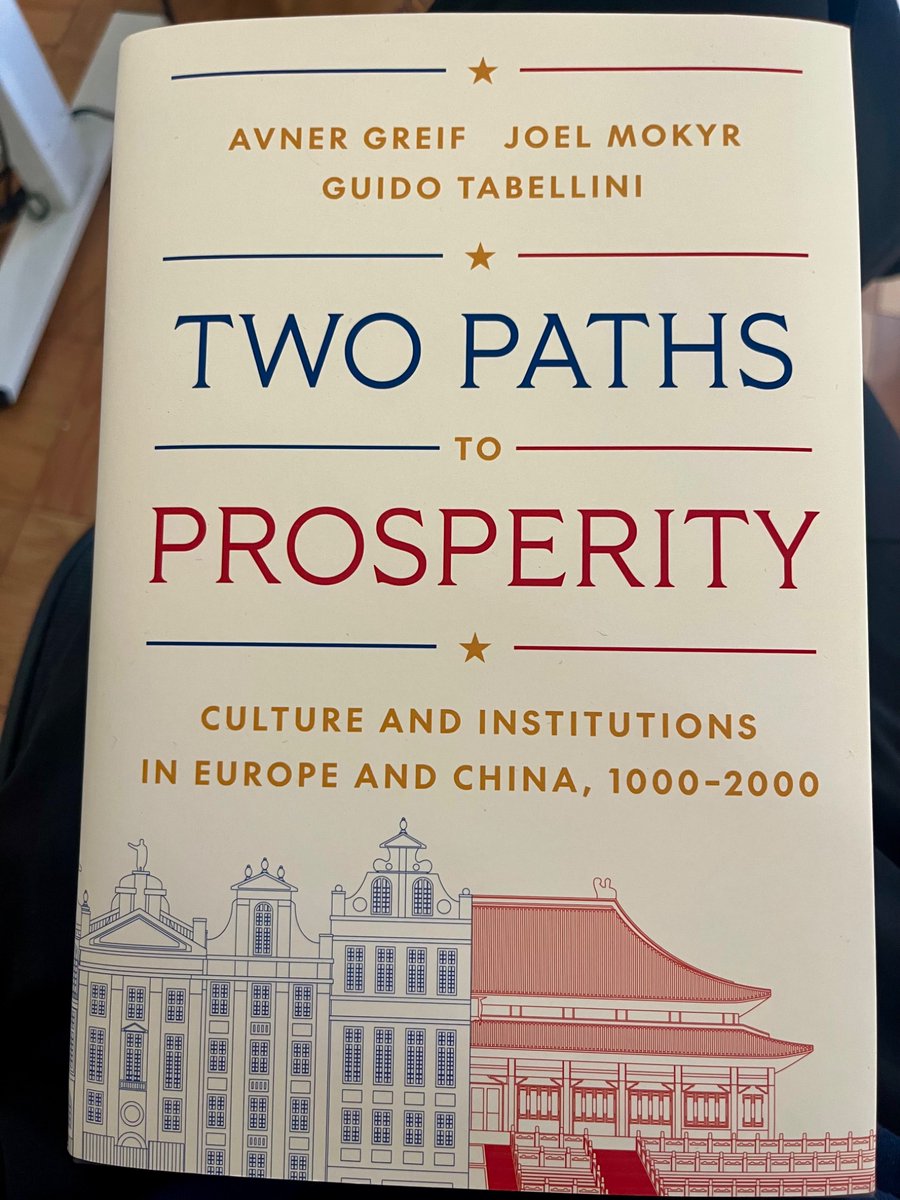
The differentiating role of clans vs corporations in the development of China and Europe.
I expect to find this more convincing than Henrich’s WEIRDest but less convincing than Scheidel’s Escape from Rome. TBD
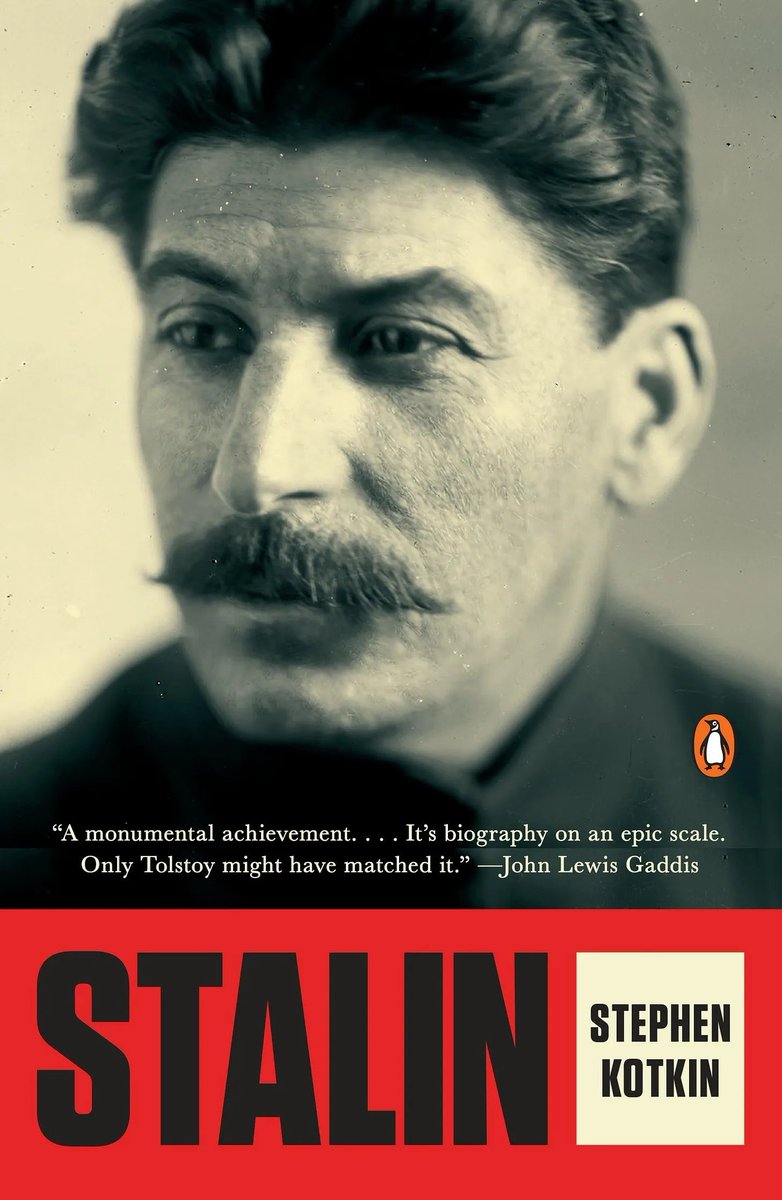
Gorbachev was weak. Powerful entrenched interests made redressing the USSR's economic maladies impossible, and radical political change the only viable reform path.
So argues the 2016 book "The Struggle to Save the Soviet Economy."
All wrong, I argue: https://t.co/jHGlMuV2sM
Another PRC move to match US tools. Maybe we should talk about an "economic coercion balance of power"? For these port fees, the 25% US ownership rule does the work because the US builds or flags few ships. US advantage is finance, and China is using it against the US here.
Red Ink remains the Gold Standard of China industrial policy reports.
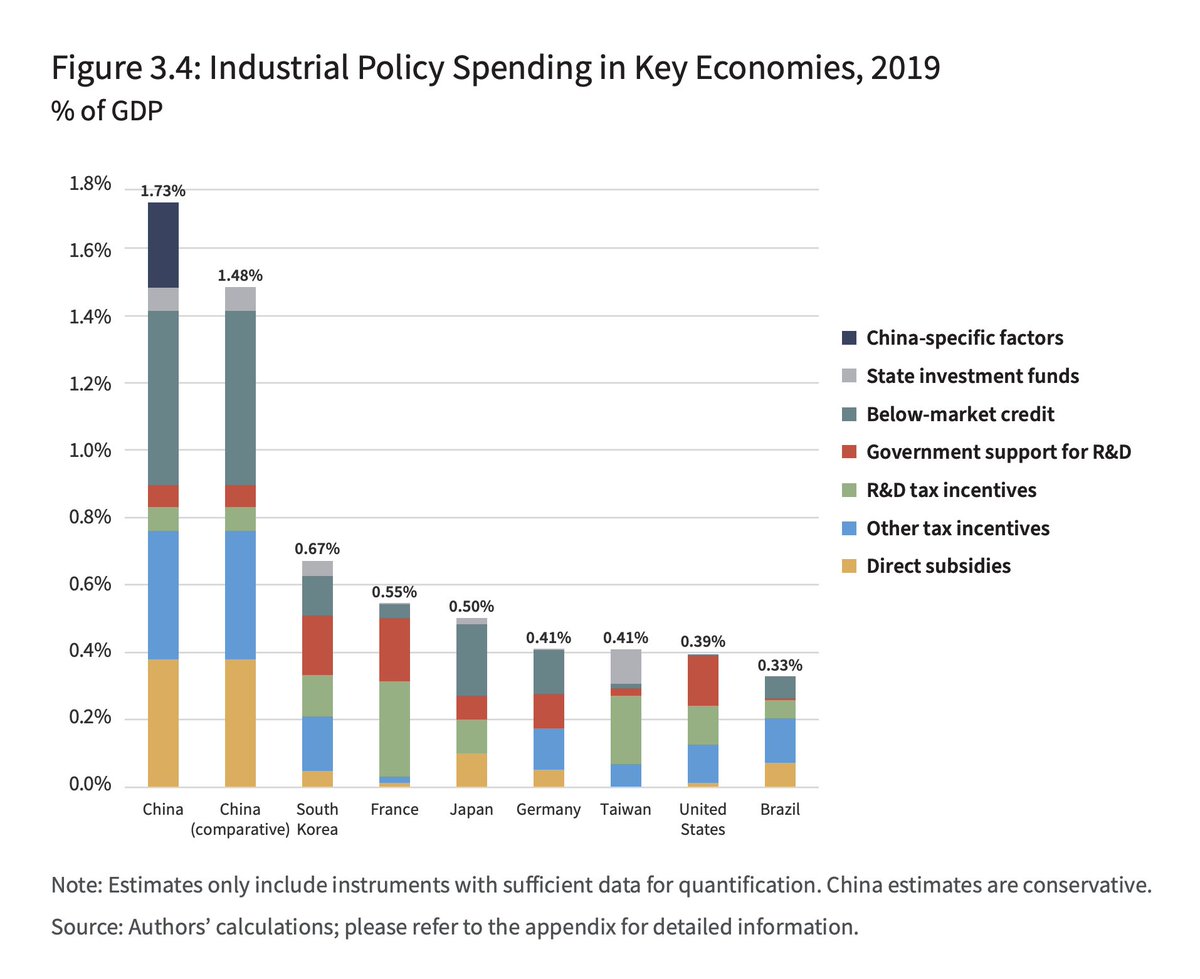
Their marquee finding (see chart) is conservative: China spends 1.73% of GDP on industrial policy.
The new IMF study estimates it at 4% of GDP, because they make substantially less conservative assumptions.
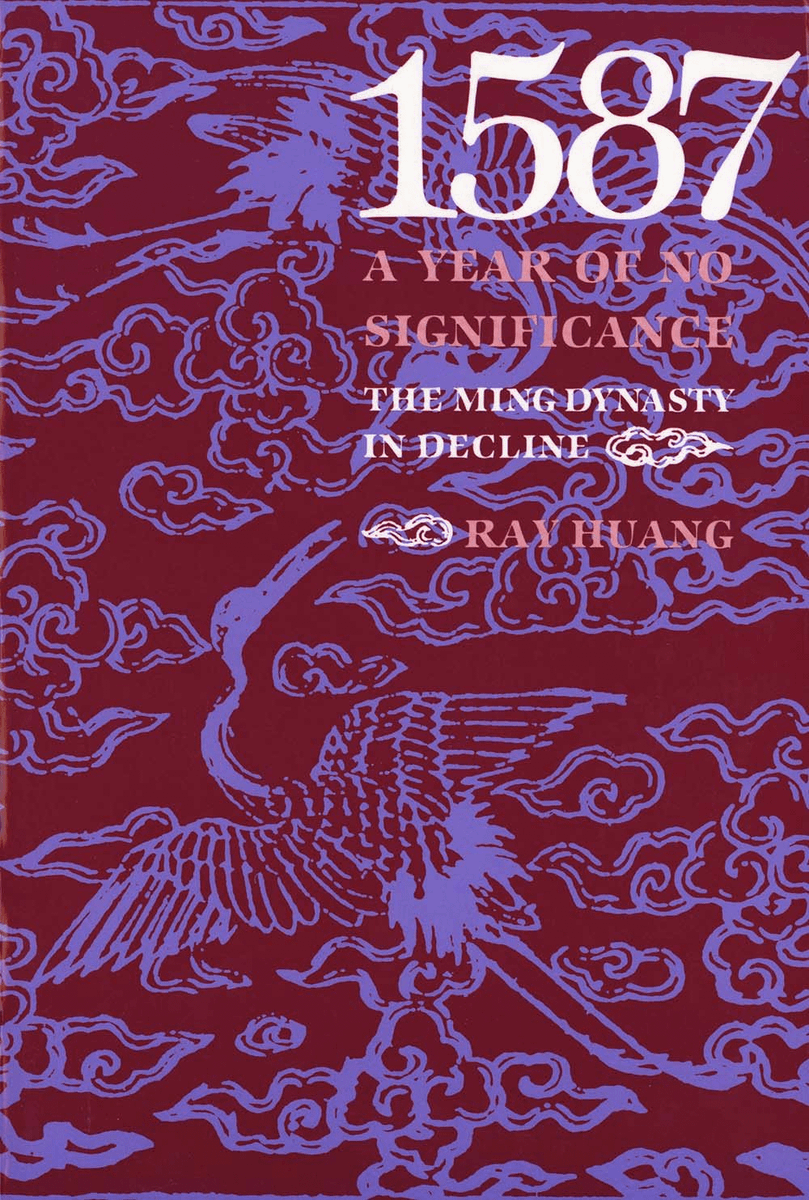
1587 is absolutely one of the great books on Chinese history.
It is a series of vignettes, each a chapter centered on the life of a single notable individual in a single year during the Ming dynasty’s decline.
Actually kind of gives ATLA's "Tales of Ba Sing Se" vibe
what does it mean that the most insightful book review dan is going to get is from a substack with 3k followers?
For one, it means you should all subscribe to Jon's substack
On Dan Wang's new book: Breakneck
This essay assesses the book's big idea: China is an engineering state facing off against America, a lawyerly society. The book is well-informed and packed with wit.
But I wanted more data. So I assembled some.🧵
https://t.co/gNFVzmkHod
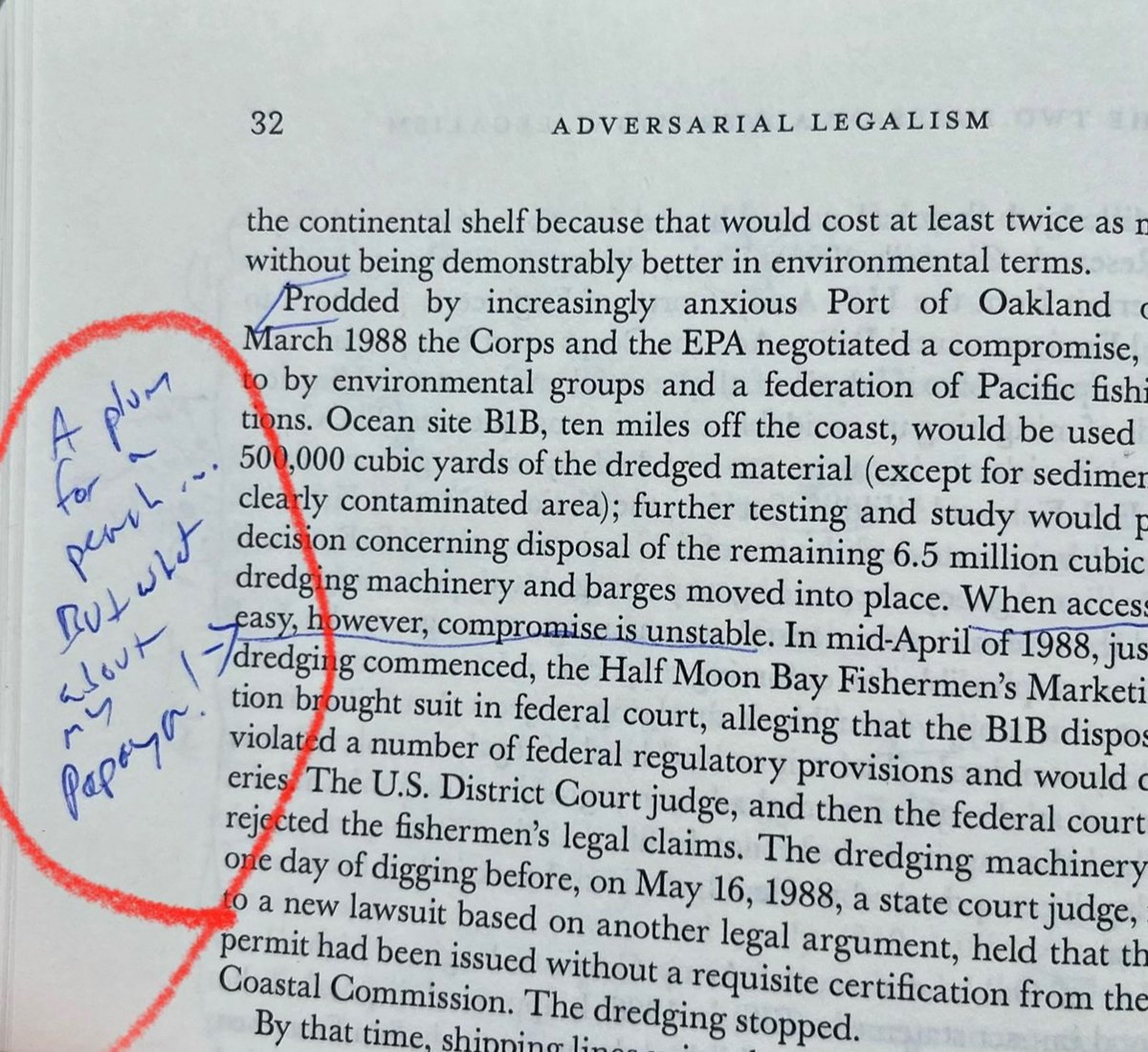
“A Plum for a Peach” is a term describing the bargaining process that characterized China’s fragmented bureaucracy (via David Lampton).
America’s far more fragmented version:
A Plum for a Peach…and Don’t Forget My Papaya Or I Will Sue You
(adversarial legalism)
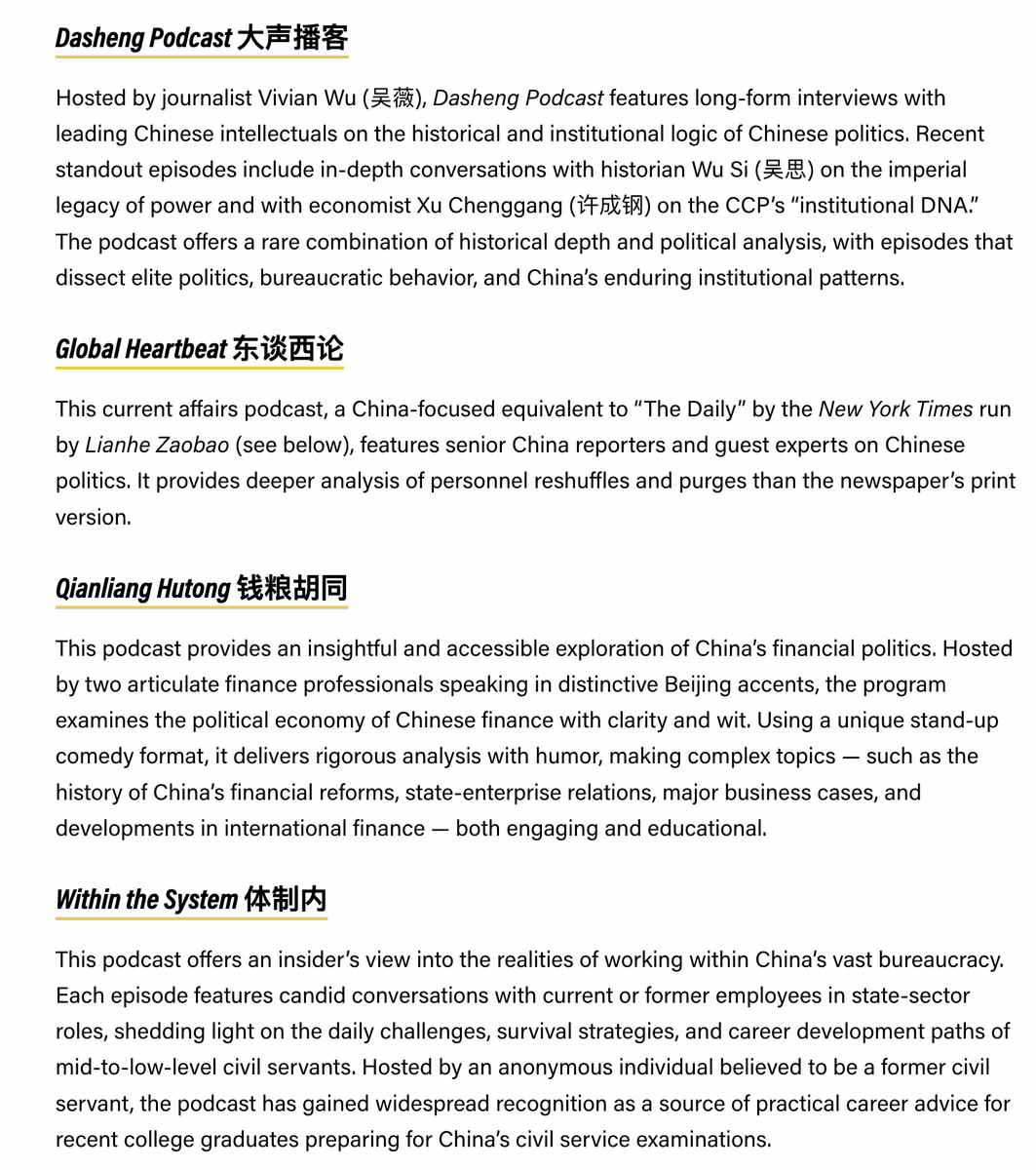
Excellent compilation Chinese-Language analysis of Chinese politics and some econ
very good podcast recommendations in particular: 钱粮胡同 and 体制内
https://t.co/COWMNzWrQX
Reading two new books seemingly designed to give whiplash. Both want to argue institutions are fundamental to China's trajectory, but very different kinds. The first clan/kinship organizations (micro and mezzo), the second so-called dynastic + Soviet totalitarian genes (macro).
🚨✍️ NEW POST — Industrial Colossus: China vs 1950s America
In a number of ways, China mirrors America at the height of its industrial powers.
Despite UN projections and the dreams of some industrial maximalists, as share of global manufacturing, China is peaking. 🧵
NEW: Some bonkers numbers in China's May customs data.
Detailed figures came out Fri when I was off, so took a deep dive today
First big picture EU stuff:
China's EU exports up 12%
China's EU imports down 2.37%
There is a 22% increase in the EU's China deficit in May alone
🚨 New essay: on Torigian’s biography of Xi Zhongxun.
This isn’t a book about Xi Jinping. It’s a study of the Chinese Communist Party, centered around the life of a man who rose, fell, and rose again inside its Leninist machinery.
And it's a book about suffering and meaning 🧵