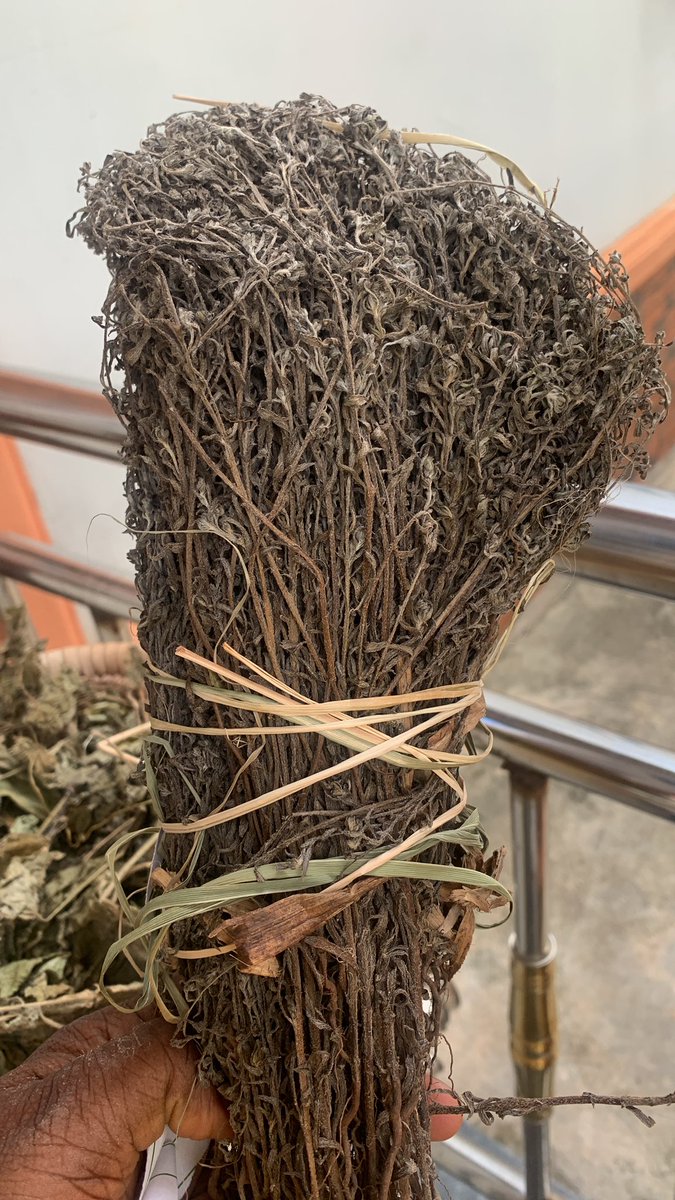
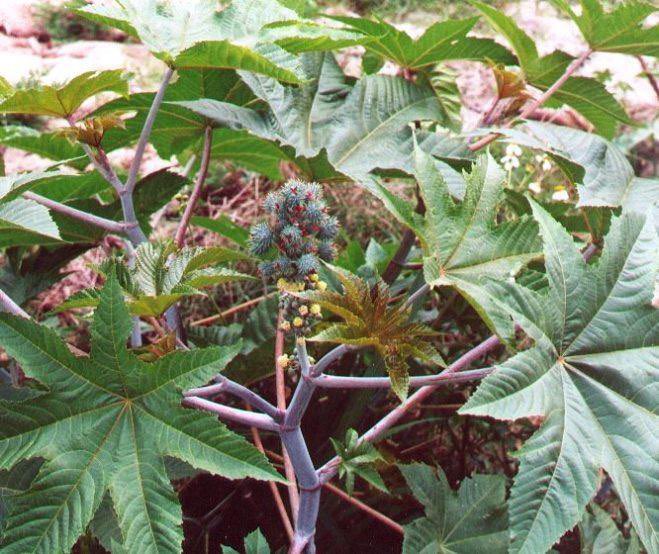
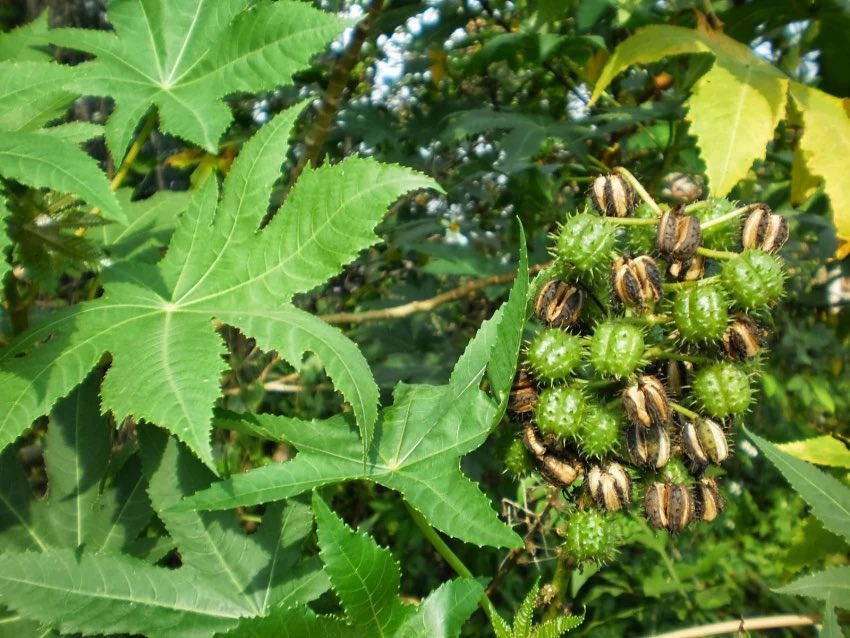
four plants called awon ako ewé merin , Plants with masculine attributes due to their power
Ewé ìná
Ewé èsìsì funfun
Ewé olóyin
??
Guess the last ako ewe ?
You can also purchase this herbs on ewe app
For Joint Pains, Arthritis, Swelling and Rheumatism
Grind the leaves of castor plant into paste and rub on joints and any painful area. Boil the leaves also and drink a teacupful twice daily. It works like magic.
Nature heals.
🌿 Officially 1,000+ Downloads on Google Play!
Thank you to everyone supporting the growth of Ewé App. 💚
From preserving Yoruba knowledge to building Africa’s digital herbal marketplace, this is only the beginning.
Our next goals: 🎯 5,000 downloads 🏪 50 active stores by August
Keep downloading, sharing, and growing with us. 🚀
🍎 iOS & 🤖 Android available now.
🌿 Looking for an authentic Ìtẹ̀ Ifá (Ifá Mat)?
Now available at Ekunmidayo Beads on Ewé Marketplace.
Perfect for traditional practice, divination setup, and Yoruba spiritual spaces.
Shop now on Ewé app.
Type Ewé not ewe
#Ifa#YorubaCulture#Isese#EweApp #TraditionalKnowledge
Different Types of Beads in Yoruba Culture ✨️
There are different types of beads in Yoruba culture, including neck beads, hand beads, waist beads, and more.
ILEKE SESE EFUN
ILEKE SESE EFUN refers to the specific beads associated with the Orisha Obatala (the oldest of the Orishas) in Yoruba spirituality. These are white, small, white-stringed beads that symbolize Obatala’s authority, purity, and connection to creation.
Also known as sese efun, they are a type of ileke (general term for beads) or ide (Orisha-specific beads). They are considered spiritual tools that connect the wearer to Obatala, provide spiritual protection, and signify commitment to the Orisha.
ILEKE ITUN
ILEKE ITUN refers to beads used in the Yoruba tradition. The beads symbolize renewal or rebirth and are used by devotees of various Orishas for spiritual purposes such as good luck, protection, and casting out negativity.
Ileke Itun beads are often paired with Ifá beads (Ileke Ifá) and are important within Yoruba religious beliefs. They are worn by followers of deities like Ifá, Sango, Oya, and Osun.
ILEKE SEGI
ILEKE SEGI refers to ancient Yoruba blue-green glass beads. “Ileke” means bead, and “segi” specifies the type of bead.
These beads hold cultural and spiritual significance, symbolizing wealth, power, wisdom, and connection to royalty and spiritual leaders. Historically originating from Ile-Ife, they were among the first and most treasured types of beads in Yoruba culture. Ileke Segi is described as one of the oldest and most treasured types, excavated from ancient burial sites near Ile-Ife.
ILEKE LAGIDIGBA
ILEKE LAGIDIGBA refers to a specific type of traditional Yoruba waist bead made from palm nut shells. It is used to signify fertility and represent multiple births, as the clustered nuts symbolize prolificacy.
In the past, these beads were a cherished gift and a significant part of a woman’s adornment in Yorubaland. The prevalence of multiple births (especially twin births) in Yorubaland led to the widespread use of Ileke Lagidigba as an indicator of prolificacy.
ILEKE OTUTU OPON OR IDE IFA
ILEKE OTUTU OPON (also known as Ide Ifá or Otutu Opon) refers to Ifá beads, a type of beaded bracelet or necklace used by devotees of Ifá in the Yoruba religion.
These beads are not just for fashion. They serve as a means of identification, protection from negative spirits, and a symbol of spiritual authority after consecration. They must be spiritually consecrated before they can serve their protective and guiding functions.
They are used by Babalawos (Ifá priests) and other Ifá devotees. If the bead breaks, it is advised to consult Ifá to determine if the breakage is a coincidence or a spiritual sign. Beyond protection, the beads also signify prestige and are worn after specific spiritual ceremonies like ITEFA.
ILEKE IYUN
ILEKE IYUN specifically means red coral beads, which are highly valued and considered the “Kings of beads” due to their scarcity and association with royalty, wealth, and status.
“Ileke Iyun” translates to coral bead necklace or red coral beads, signifying prestige and importance. Iyun beads are the most expensive and prized beads in Yoruba land. Ileke Iyun is considered the father of all beads, highlighting their supreme importance and inherent value in the culture.
...
Credit: Mystery_wrld1 on tiktok
...
And lots more...
Do you know about the different beads in Yoruba culture?
#yorubaculture #yorubabeads #beads #africa #Nigeria #worldhistory #africanhistory #coralbeads
🌿 Officially 1,000+ Downloads on Google Play!
Thank you to everyone supporting the growth of Ewé App. 💚
From preserving Yoruba knowledge to building Africa’s digital herbal marketplace, this is only the beginning.
Our next goals: 🎯 5,000 downloads 🏪 50 active stores by August
Keep downloading, sharing, and growing with us. 🚀
🍎 iOS & 🤖 Android available now.
🌿 Egbo Tùdé — “The Root That Loosens Bondage”
Egbo Tùdé, known scientifically as Calliandra portoricensis, is one of the respected roots used in Yoruba herbal and spiritual practice.
In Yoruba, “Tùdé” refers to loosening, breaking free, or untying bondage. Because of this, the root is traditionally used for spiritual cleansing, removal of negativity, and protection.
Traditionally, Egbo Tùdé is used in: ✨ Spiritual baths ✨ Cleansing preparations ✨ Protective herbal mixtures ✨ Traditional healing practices
Beyond spiritual use, the plant is also known in herbal medicine for:
🌱 Pain relief and body support 🌱 Anti-inflammatory properties 🌱 Traditional stomach and convulsion remedies 🌱 Expelling intestinal parasites 🌱 General herbal wellness applications
The plant is identified by its feathery leaves and fluffy white flowers and is commonly known as:
•Corpse Awakener
•Snowflake Acacia
🌿 Available now at Ifaniwura Store on Ewé Marketplace App.
Download Ewé today to discover authentic herbal products, indigenous knowledge, and African botanical commerce.
🍎 iOS & 🤖 Android available.
🌿 Egbo Tùdé — “The Root That Loosens Bondage”
Egbo Tùdé, known scientifically as Calliandra portoricensis, is one of the respected roots used in Yoruba herbal and spiritual practice.
In Yoruba, “Tùdé” refers to loosening, breaking free, or untying bondage. Because of this, the root is traditionally used for spiritual cleansing, removal of negativity, and protection.
Traditionally, Egbo Tùdé is used in: ✨ Spiritual baths ✨ Cleansing preparations ✨ Protective herbal mixtures ✨ Traditional healing practices
Beyond spiritual use, the plant is also known in herbal medicine for:
🌱 Pain relief and body support 🌱 Anti-inflammatory properties 🌱 Traditional stomach and convulsion remedies 🌱 Expelling intestinal parasites 🌱 General herbal wellness applications
The plant is identified by its feathery leaves and fluffy white flowers and is commonly known as:
•Corpse Awakener
•Snowflake Acacia
🌿 Available now at Ifaniwura Store on Ewé Marketplace App.
Download Ewé today to discover authentic herbal products, indigenous knowledge, and African botanical commerce.
🍎 iOS & 🤖 Android available.
"Science and herbal medicine in Yoruba culture" on Ewé
There is a common misconception that herbal medicine does not rely on scientific knowledge, but rather on tradition, intuition, or guesswork. In many African societies, we have unconsciously absorbed the idea that herbal medicine is inferior to orthodox medicine—that it lacks rigor, structure, or validity. But this assumption is not only misleading; it is rooted in a deeper historical and philosophical shift shaped by colonization.
Continue reading by downloading Ewé app
🌿 What plant did your grandmother never allow you touch? 👵🏾
Growing up in Yoruba homes, there were always certain plants children were warned about…
🌱 Ewé Làpálápá 🌿 Jàtù 🍃 Èsìsì ☘️ Aakàn
Some were believed to heal. Some were feared. Some were used spiritually. And some simply carried stories passed down through generations.
Our ancestors understood plants in ways many people are beginning to forget.
What plant were YOU warned about as a child? 👇
Share your story in the comments.
Preserving indigenous knowledge through technology 🌍
Download Ewe App: 🍎 iOS https://t.co/wKAAgj8Uct
🤖 Android https://t.co/CB2Uoa3KuH
#YorubaCulture #AfricanHerbalKnowledge #IndigenousWisdom #Ewe
🌿 What plant did your grandmother never allow you touch? 👵🏾
Growing up in Yoruba homes, there were always certain plants children were warned about…
🌱 Ewé Làpálápá 🌿 Jàtù 🍃 Èsìsì ☘️ Aakàn
Some were believed to heal. Some were feared. Some were used spiritually. And some simply carried stories passed down through generations.
Our ancestors understood plants in ways many people are beginning to forget.
What plant were YOU warned about as a child? 👇
Share your story in the comments.
Preserving indigenous knowledge through technology 🌍
Download Ewe App: 🍎 iOS https://t.co/wKAAgj8Uct
🤖 Android https://t.co/CB2Uoa3KuH
#YorubaCulture #AfricanHerbalKnowledge #IndigenousWisdom #Ewe