Mil años de historia. Siete países. Un viaje. 🧭
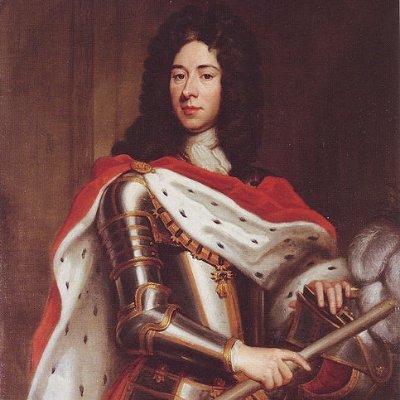
¡Ya en librerías! Inauguramos la colección «Países Extintos» con “República de Venecia”, de Giovanni Vale (@excountries). Una guía que recorre mapas, arte, recetas... 👇Os esperamos en la 379 de la @FLMadrid
Think the only piece of Ottoman history left in Belgrade is Kalemegdan Fortress? Think again - there's a hammam right in the center, and you can even eat lunch inside!
We've got something exciting to share - Extinguished Countries is coming out in Spanish!
Look for the translated edition, published by @armaenia_ed, from May 20th!
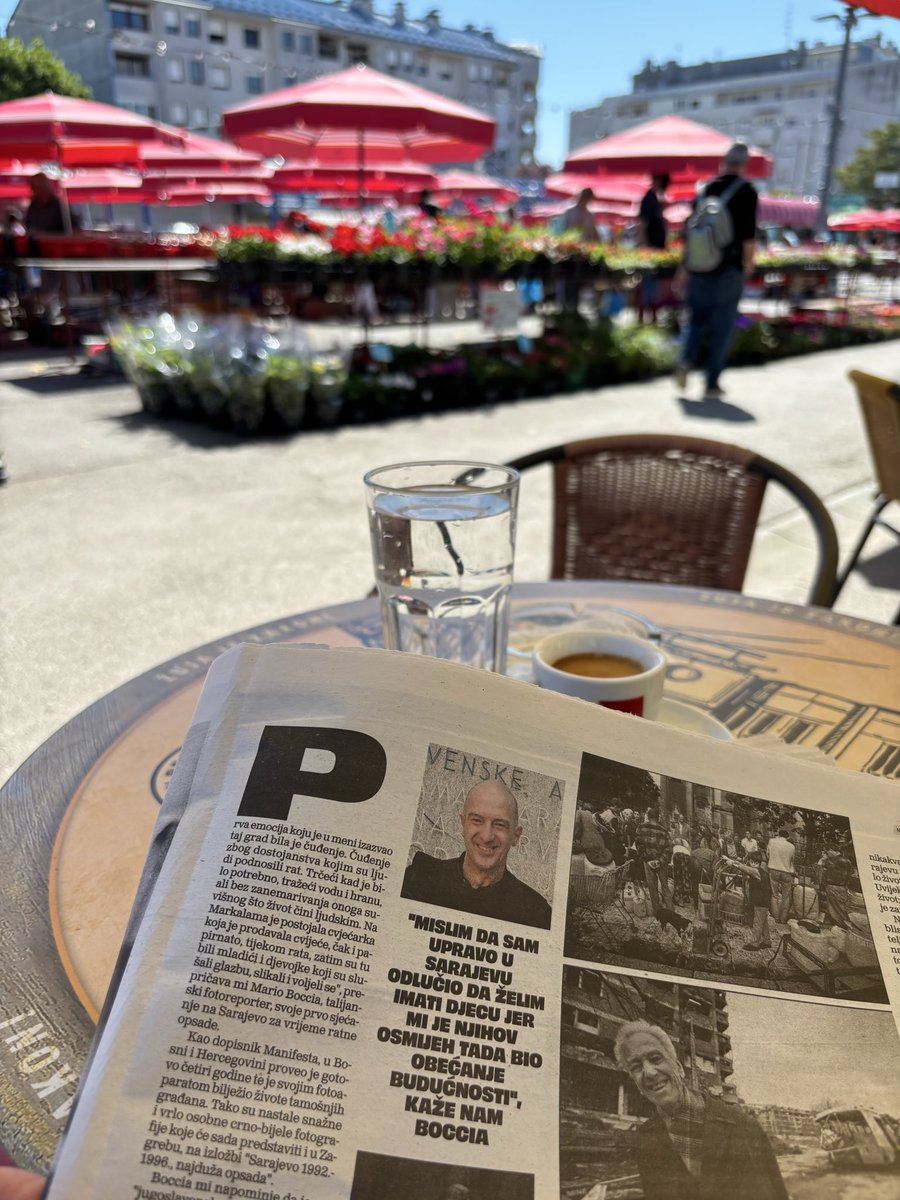
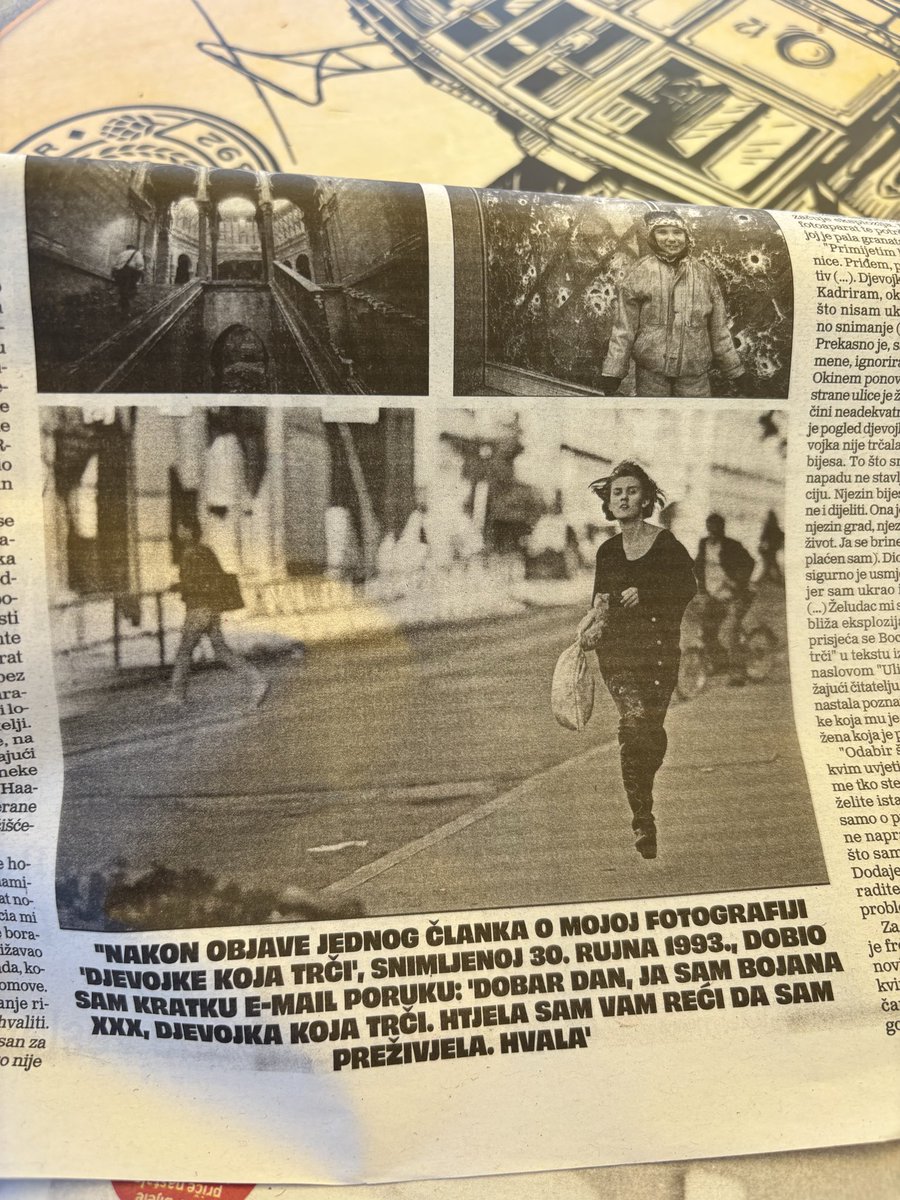
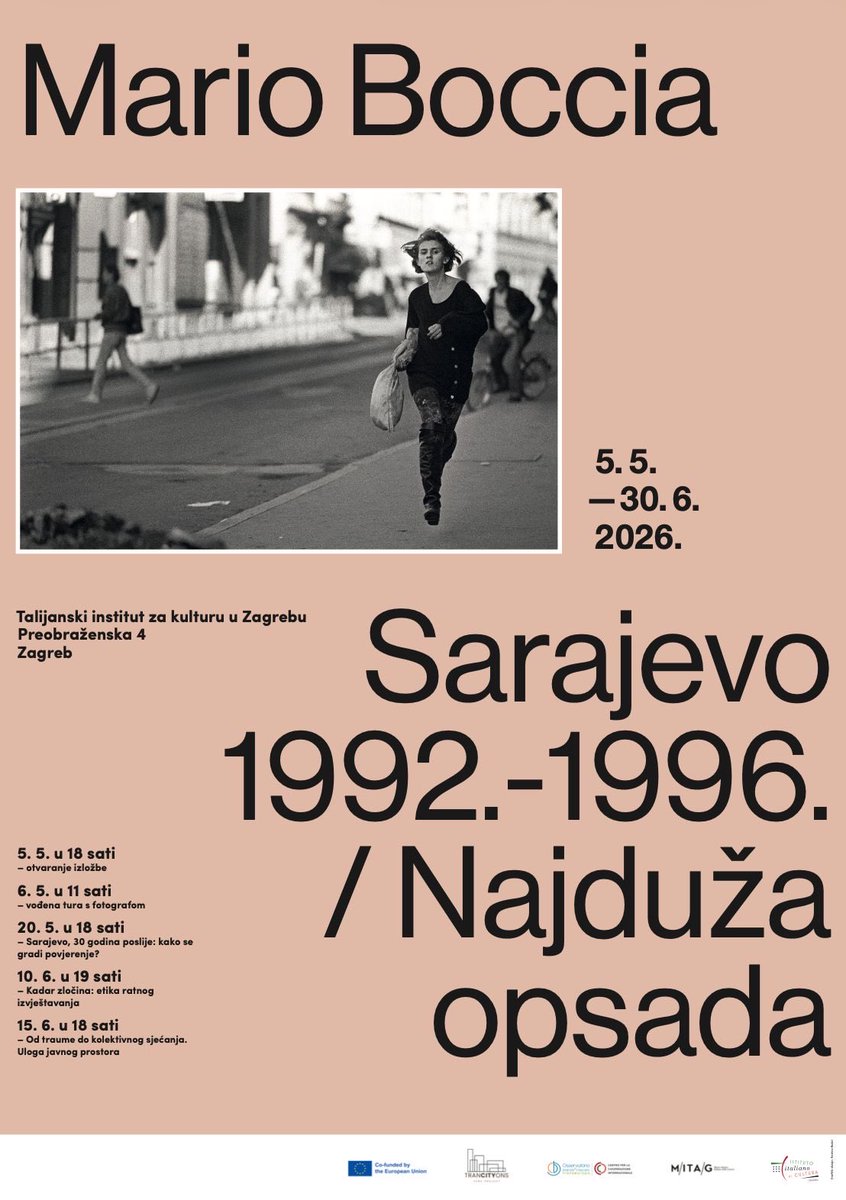
Danas u @jutarnjihr možete pročitati veliki intervju s Mario Boccia, fotografom koji je bio u #Sarajevo tijekom opsade. Ako ga želite upoznati, dođite 5.5. u 18h na otvorenje njegove izložbe u @IICZagabria ili 6.5. u 11h na vođenu turu. @BalcaniCaucaso
If you are happen to be in #Gorizia end of May ... join us for our panel at Festival #èStoria ... there will be simultaneous translation available (English, Slovene, Italian)
thank you Alessandro Marangon for the invitation and to put together the panel
https://t.co/ZTnL8GUcia
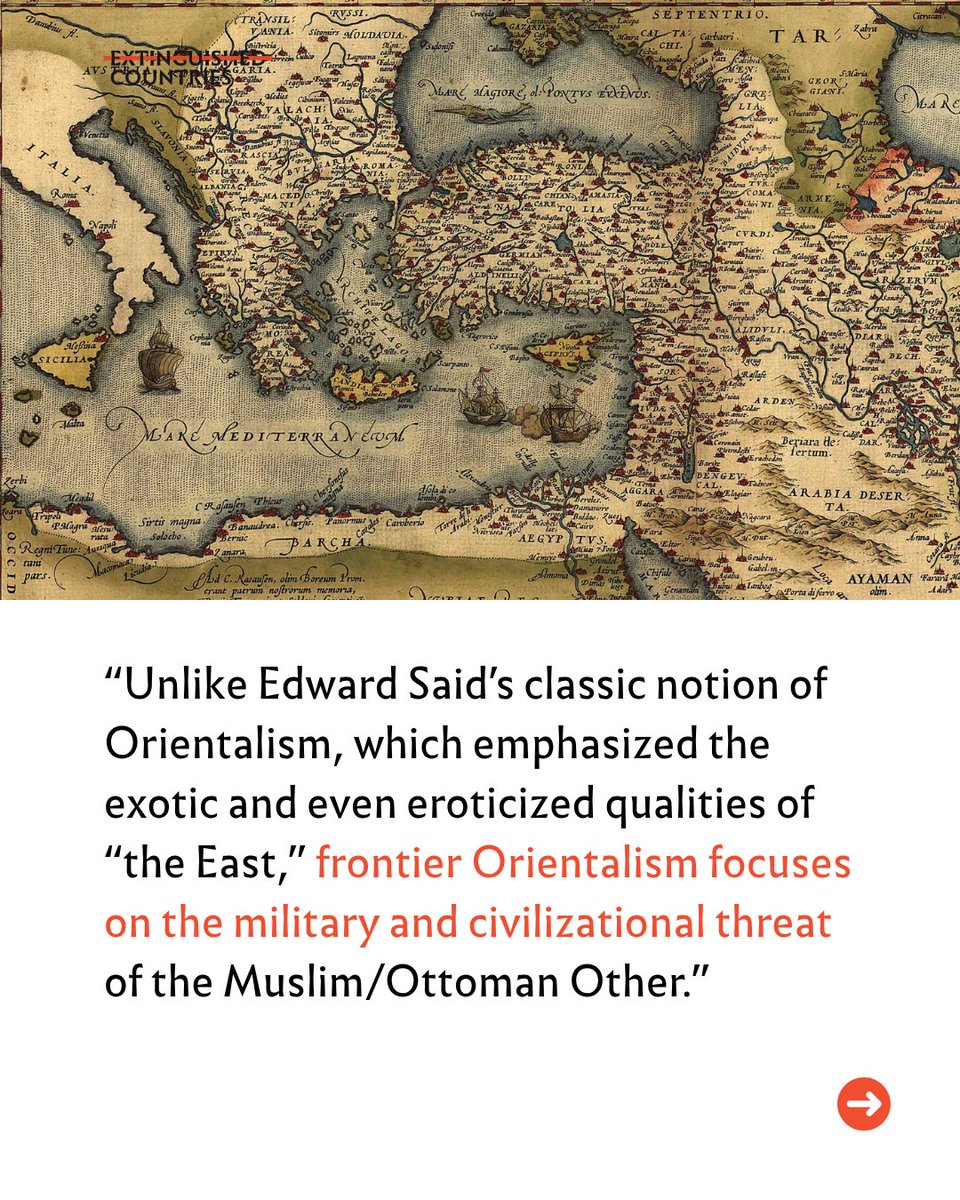
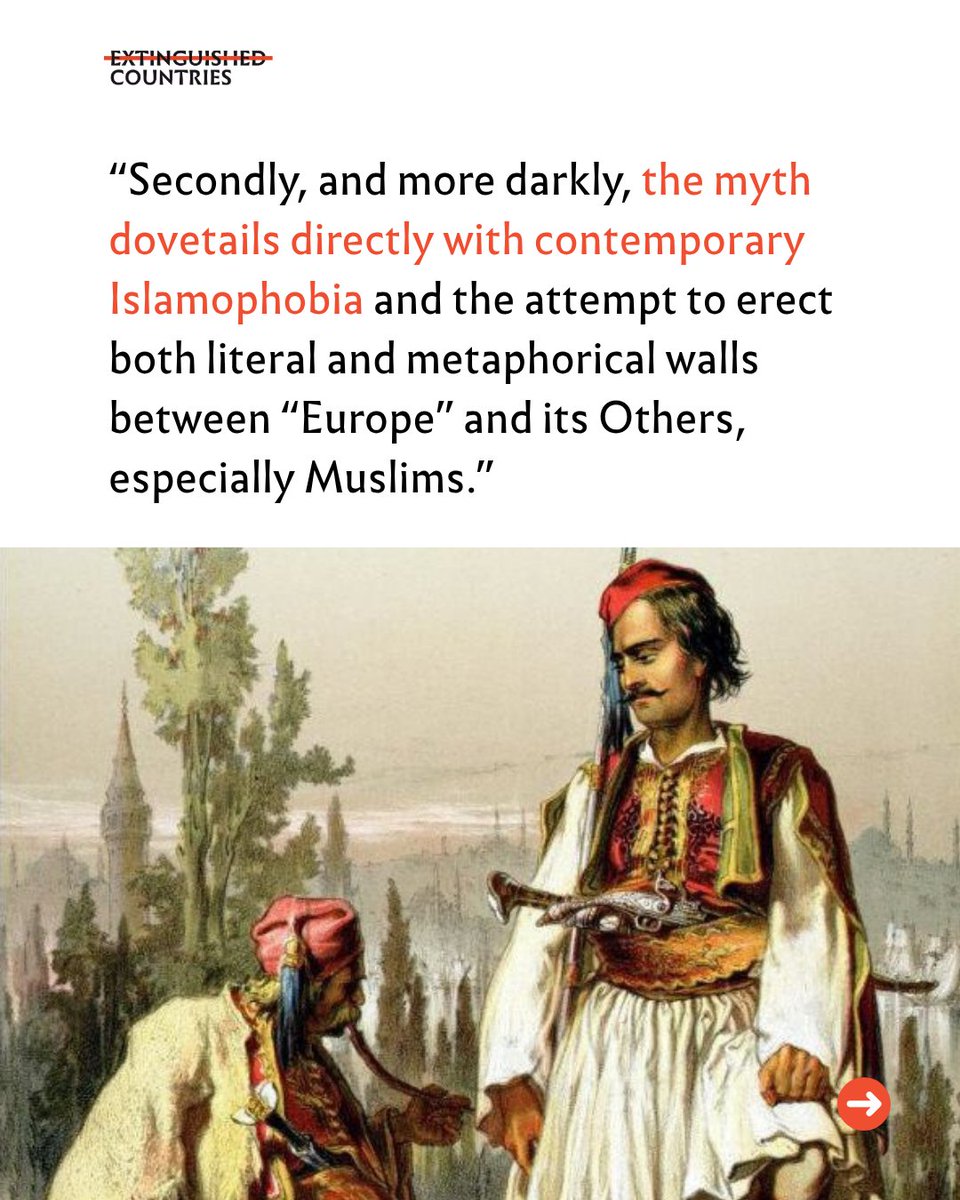
The Ottoman Empire was a militaristic, purely conquest-driven state ruled by its bloodthirsty armies - or was it? Jeremy F. Walton debunks this myth as well for our blog.
The Ottoman Empire, several centuries of brutality and non-stop barbarism...or was it? We had Jeremy F. Walton from the ERC REVENANT project help us debunk a few common myths. Here's the first one, that the Ottoman Empire was inherently backwards.
The Ottoman Empire certainly had its problems, but much of the narrative of its inherent backwardness came from 19th century European powers who were influenced by the "Great Game" of scrambling for territory.
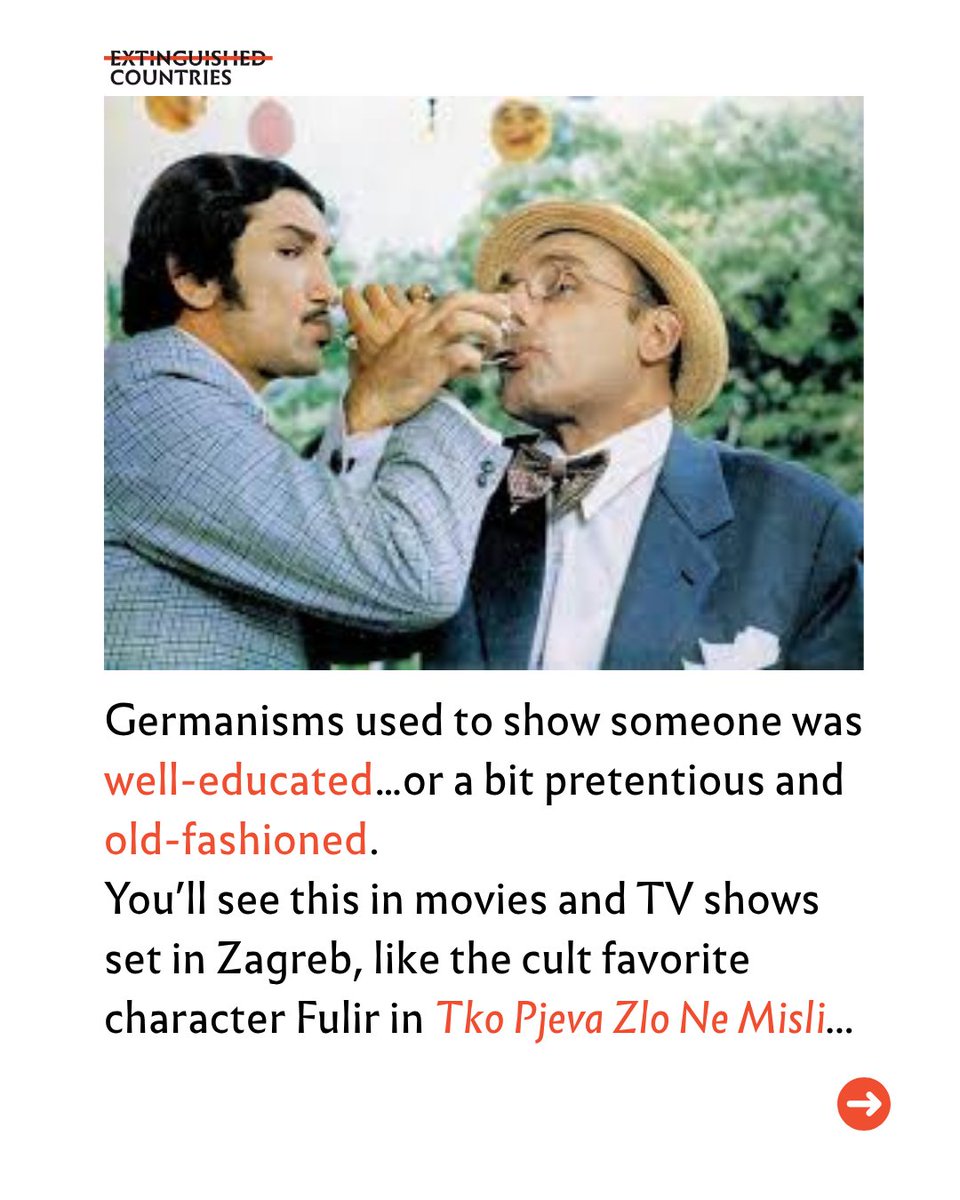
For more on Germanisms, minority languages, and cheeky references to these linguistic quirks in pop culture, check out our recent blog posts (especially our interview with the creators of Bečka Škola!)