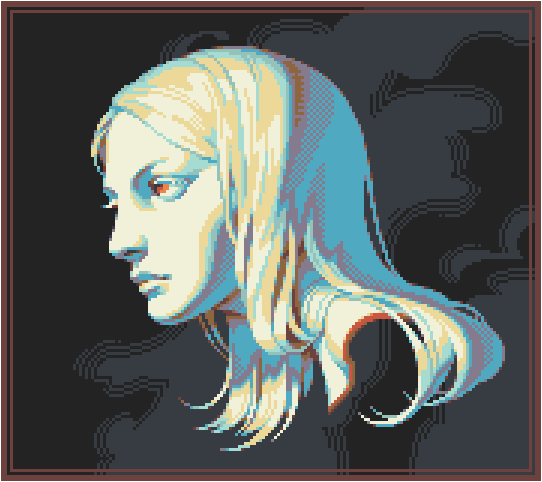
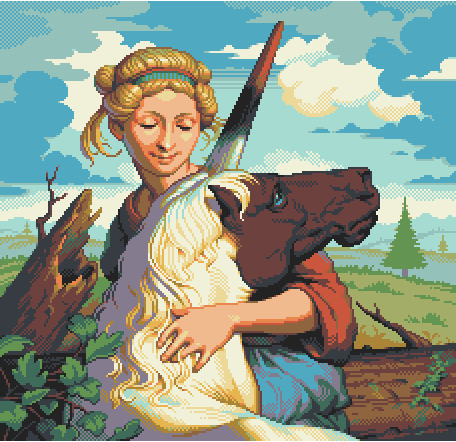
Human hand and soul; no AI or anything else like that.
Work in lots of mediums, from oil painting to pixel art, primarily and almost entirely from imagination.
@Alphons63 If we're just talking about design I'm not so sure. If you're making something relatively simple it can work, but for more complex/detailed things I think it'll mostly be a waste of time.
3D is excellent as reference for painting or 2D art in general.
When you're designing something for a painting (or especially a sculpture) you should ideally consider & draw the design from multiple angles.
It's easy to just plan the profile or front alone (the main view) and go off of that, but you'll almost certainly discover that parts of
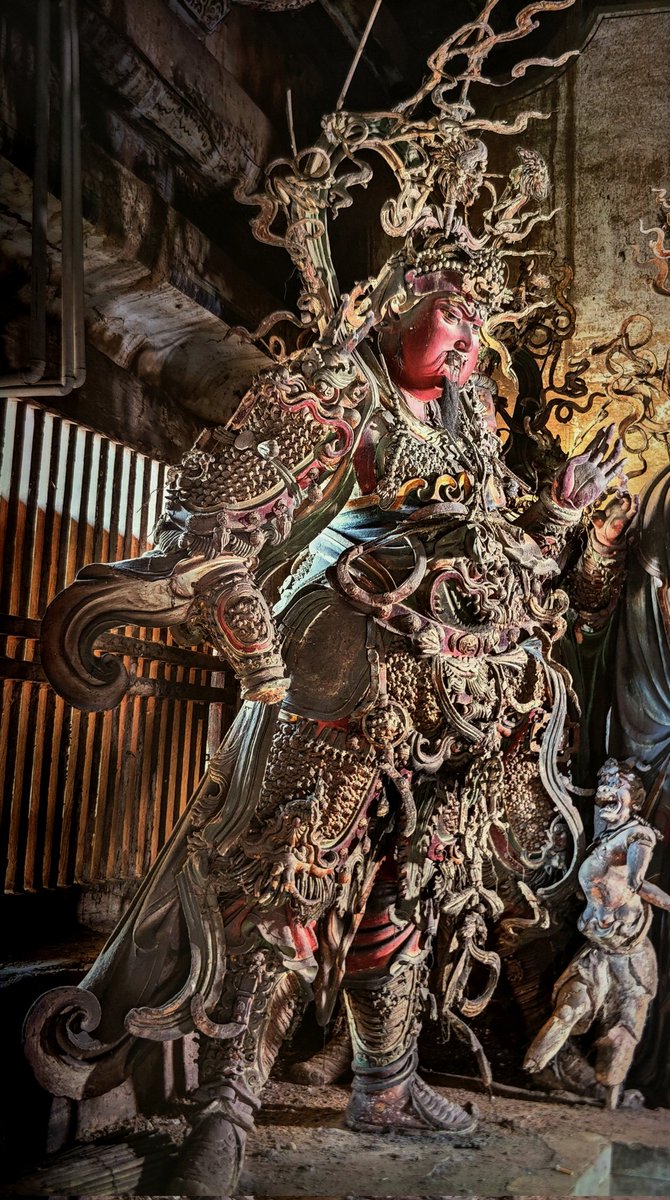
The triton's tail feels as though it was designed with only the profile view in mind, and then sculpted around that design.
From the angle of the photo you can see it looks rather awkward, resembling something more of a sprouting flower than fins.
..the design don't translate as well once you start rotating or changing the angle of the object.
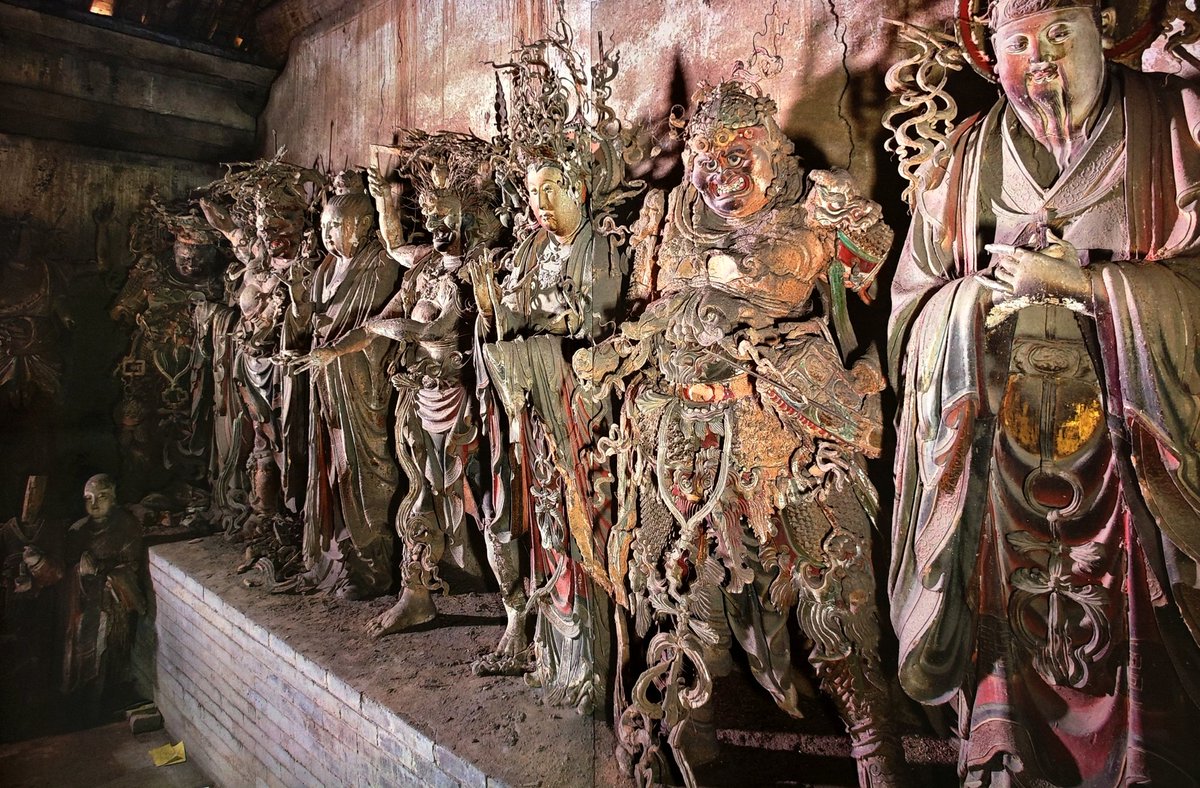
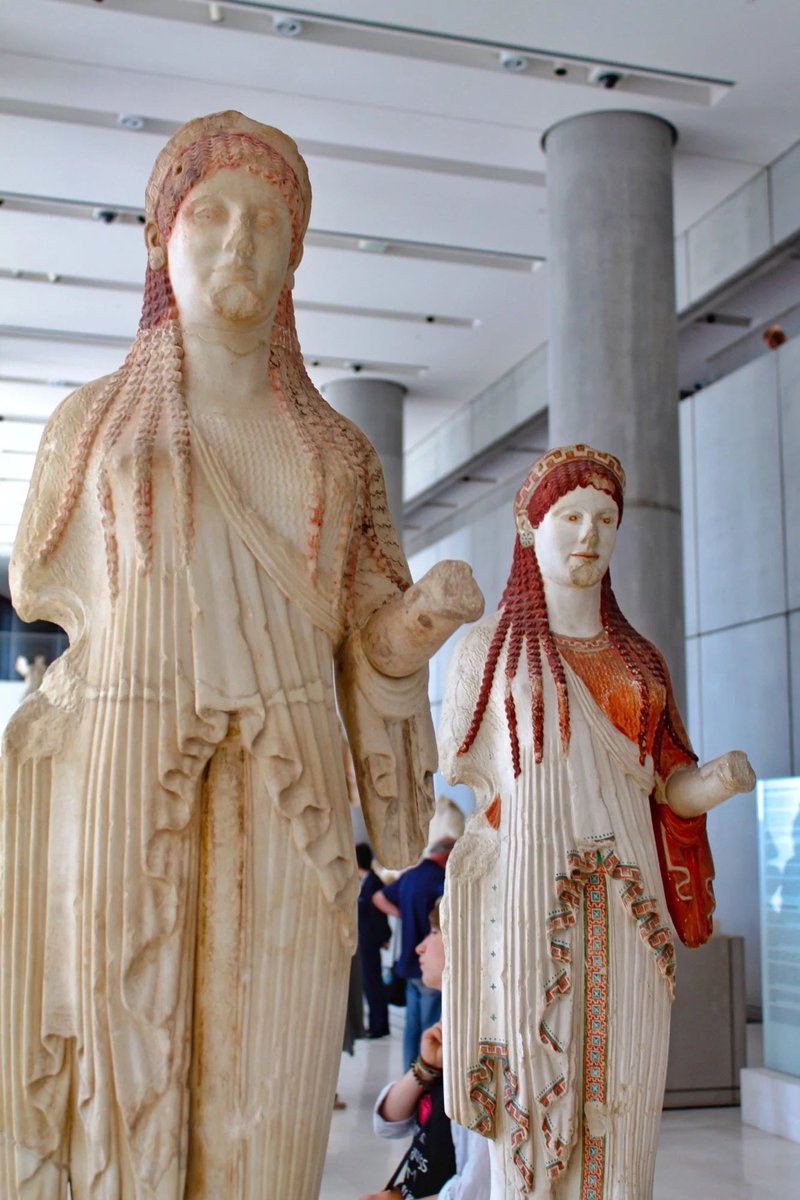
Just something that occurred to me from a painting I started working on yesterday, and today from this photo of a dioscuro on top of a horse and triton:
@Quigopixl No particular method or book. It's largely the result of lots of studying and having a strong vision for the kind of art I want to create. What I choose to study and develop is informed by said vision.
A simple example that comes to mind is turning the lackluster result into an object, like a painting or a sculpture, inside the image itself.
The basic premise is to work around what you've already created, rather than to necessarily change it.
The last option that I presented here somewhat sardonically actually gets to the heart of one of the key aspects of art—evoking particular feelings or emotions.
To embrace something that evokes "visionlessness" means either of two things the way that I see it:
If you do find yourself in such a situation you have three options:
1. Erase it and start over with the new vision (or old, if you judge it better)
2. If it is a really major part of the artwork (the main part)—completely start over
3. Embrace the lackluster feeling it evokes
You either intentionally create bad art—art that feels overtly lacking or excessive in some way—or you reframe the bad result in a way that makes it "sit right" or make sense to feel "visionless" in composition, primarily through juxtaposition of some kind.
If you do find yourself in such a situation you have three options:
1. Erase it and start over with the new vision (or old, if you judge it better)
2. If it is a really major part of the artwork (the main part)—completely start over
3. Embrace the lackluster feeling it evokes
you will continue with what you worked on thus far, readjusting it to fit the new vision.
More often than not this will produce a result that is subpar, being neither here nor there, it will result in something that attempts to be something else. A visionless artwork.