S&P 500 companies spent $942.5 billion buying back their own stock in 2024. That's a new record. Apple alone spent $104 billion. Microsoft, Nvidia, Meta all did the same thing: took company cash and bought their own shares instead of reinvesting in the business, paying workers more, or building anything.
Buybacks artificially inflate earnings per share by reducing the number of shares outstanding. Stock price goes up. Executives' options packages, which are paid in stock, become worth more. Shareholders who already own stock benefit. Everyone else watches the company shrink.
Compare that to capital investment. The Low-Wage 100 companies spent more on buybacks than on long-term capital improvements. They chose stock price over business infrastructure. They chose shareholder appreciation over company durability.
$350 BTC GIVEAWAY!
To Enter:
-RT this tweet
-Like this video(show proof)
https://t.co/VdKqI4GMGd
-comment your BTC address
(if you dont have a stake account, sign up here: https://t.co/iE30F8yNrB)
ENDS IN 1 WEEK!
Just place my largest bet ever, $250,000 for Argentina to win the World Cup
And when it happens I’m gonna give 10 of you $1000 each
✅LIKE/COMMENT
✅Follow
✅Tag 2 friends
A cookie package shrank from 15 ounces to 13.7 ounces. The price didn't change. You're getting 8% less for the same amount of money and probably didn't notice because the package looks similar, the brand is the same, and you're moving through a grocery store at normal speed.
Seventy-seven percent of shoppers say they've noticed shrinkflation. Forty-eight percent have abandoned brands because of it. But "noticing" and "noticing enough to change behavior every single shopping trip" are different things. Companies count on the second group being smaller.
One brand of powdered drink mix cut size in half. Six packets became four packets. Same price. A typical family buying twenty downsized products per month receives 8 to 12% less product volume for the same expenditure compared to last year. It compounds invisibly across your entire shopping cart.
The ten biggest institutional investors own over 430,000 single-family homes. These aren't small-time landlords managing a rental property on the side. These are Wall Street portfolios. They buy entire neighborhoods. They raise rents together. They decide who gets to own a house and who has to rent.
Rent for a three-bedroom is $2,200 a month. A mortgage on that same house costs $2,168. The difference is almost nothing. But the landlord gets 100% of the upside when the house appreciates. The renter gets zero. The renter also gets evicted if they miss one payment. The homeowner gets a payment plan.
Wages haven't kept pace with rents in five years. Rent is rising 1.5 times faster than what people earn. The shortage of homes isn't accidental. Institutional ownership reduces the inventory of houses to buy while expanding the inventory of houses to rent. The system works exactly as designed.
A Starbucks worker makes $35,570 a year. The Starbucks CEO makes $17.2 million. That's 483 times more money for leading the same company where someone else is choosing between paying rent and buying coffee for work. The median CEO-to-worker pay ratio across the hundred lowest-paying S&P 500 companies hit 632 to 1 in 2024. Six hundred and thirty-two.
For context: in 1965, that ratio was 20 to 1. Companies decided that CEOs should earn three decades' worth of CEO appreciation all at once, and they should get it from the same revenue pool that pays everyone else.
Between 2019 and 2024, CEO pay at these companies climbed 34.7%. Worker pay rose 16.3%. One group kept pace with their own value creation. The other didn't.
Thirty-six percent of American households have medical debt right now. That's 48 million families. And it's not from people choosing expensive procedures they couldn't afford. It's from ER visits they needed. Cancer treatment they didn't want to pay for out of pocket. A surgery their doctor recommended. The system calls it a "patient responsibility." The patient calls it a trap.
Here's what happens: Hospital sends a bill. Patient can't pay immediately. Hospital sells the debt to a collector. Collector files a lawsuit. Patient's wages get garnished. Patient skips the dentist, delays a checkup, avoids going back to the same hospital even when they're sick again because they know another bill is coming.
Medical debt is creating a feedback loop. People avoid care to avoid bills. Conditions worsen. Bills get bigger. It takes someone making 48k a year about five years to pay off 5k in medical bills if they can pay anything at all.
$350 BTC GIVEAWAY!
To Enter:
-RT this tweet
-Like this video(show proof)
https://t.co/wbrMlSbRDj
-comment your BTC address
(if you dont have a stake account, sign up here: https://t.co/iE30F8yNrB)
ENDS IN 1 WEEK!
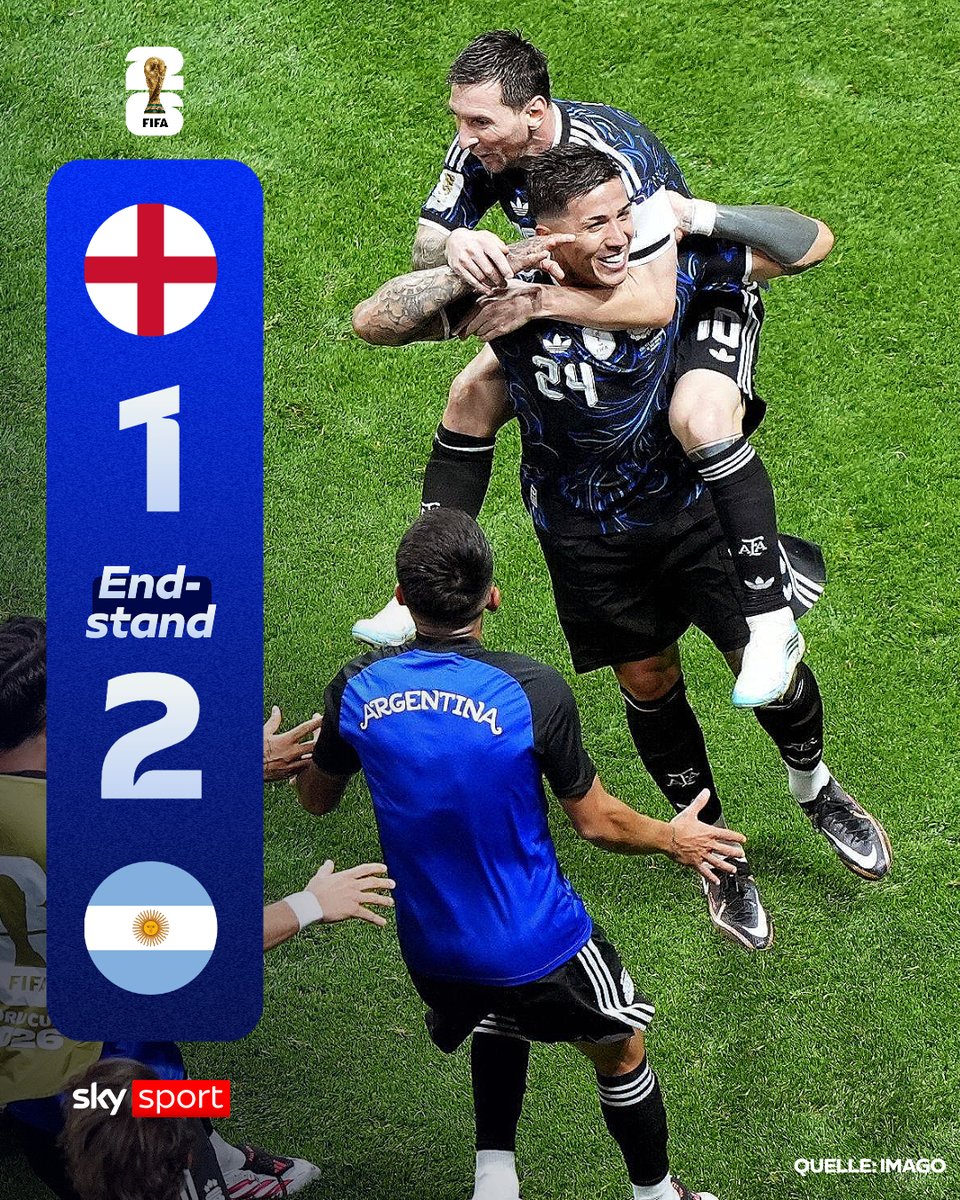
#Argentinien steht im WM-Finale! 🇦🇷🔥
Nach 0:1-Rückstand gegen #England, dreht Argentinien die Partie binnen sieben Minuten durch die Treffer von Enzo Fernandez und Lautaro Martinez.
Spanien - Argentinien it's on! 🏟️
#ENGARG#WM2026
$350 BTC GIVEAWAY!
To Enter:
-RT this tweet
-Like this video(show proof)
https://t.co/e75Nk9nSfz
-comment your BTC address
(if you dont have a stake account, sign up here: https://t.co/iE30F8yNrB)
ENDS IN 1 WEEK!
$350 BTC GIVEAWAY!
To Enter:
-RT this tweet
-Like this video(show proof)
https://t.co/fSAG6l0wmJ
-comment your BTC address
(if you dont have a stake account, sign up here: https://t.co/iE30F8yNrB)
ENDS IN 1 WEEK!