@amotretxs @CaioStormshadow@SensoCrtico1 Com esse seu comentário me lembrei do vídeo que um cantor árabes pede ao Putin para bombardear fortemente a Ucrânia e exilar ase mulheres ucranianas à “Palestina”
@OlenaWave@Theauntiechris3@United24media@JamesBlunt The central question is, why is only Russia accused of ‘stealing’ this design? Why do they forget that the Finns did the same? If the basis is the same, the criticism should be applied to both.
@OlenaWave@Theauntiechris3@United24media@JamesBlunt Fur hats were not invented by the Finns, but by the Mongols. Both the Finnish and Russian versions are similar, as they follow the base of the Mongolian Malakhai hat; however, this does not mean that they do not have distinctions from each other.
@Cpct_TOX_EM_MD@sashameetsrus Stolen from whom? This dish was born in Moscow, how was it stolen? Not to mention that it was the Russian immigrants who took this dish to Western Europe
@embroidered_UA@MutsuGin@BiancoDavinci In addition, the geometric patterns that today we call Ukrainians were adapted from ceramics of the Trypillia culture, which was already influenced by Anatolia.
@embroidered_UA@MutsuGin@BiancoDavinci More than that, the very wax resistance technique (Batik) used in Pysanka is a technology that travelled from Indonesia and Egypt before reaching the Carpathians
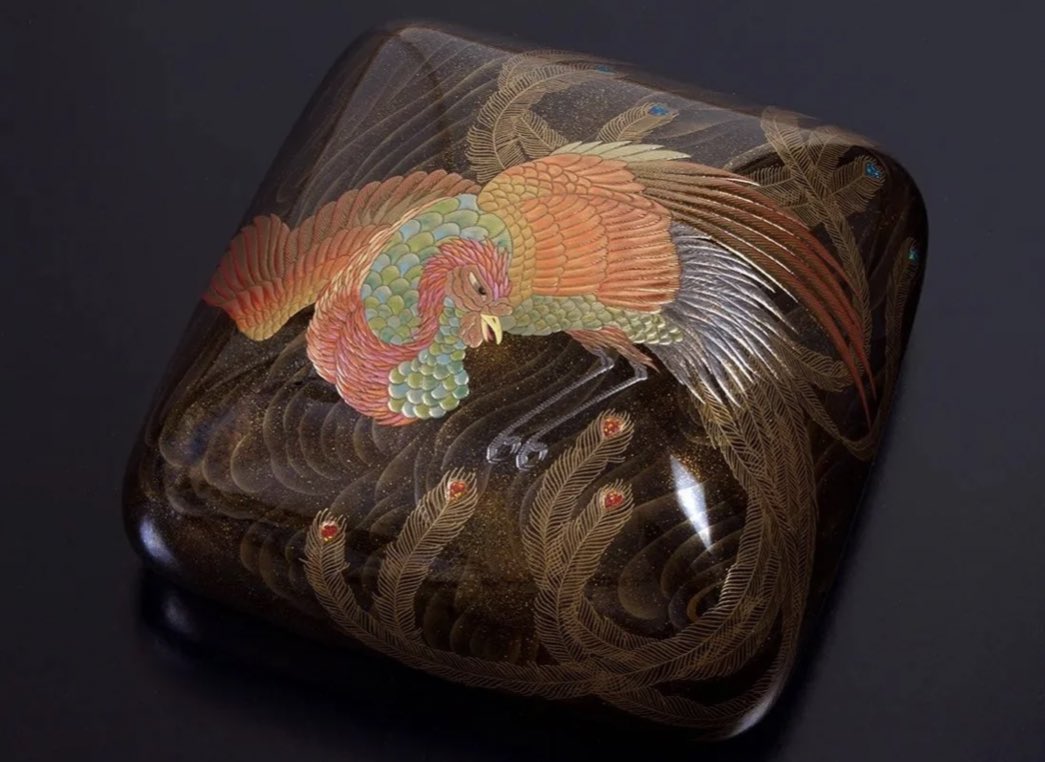
@embroidered_UA@MutsuGin@BiancoDavinci His attempt to diminish Russian miniatures for having Asian influence is a shot in the foot of his own culture. Through the trade routes and migrations of nomadic peoples, the idea of the ‘egg as an amulet’ rose from the Middle East to Eastern Europe during the Bronze Age.
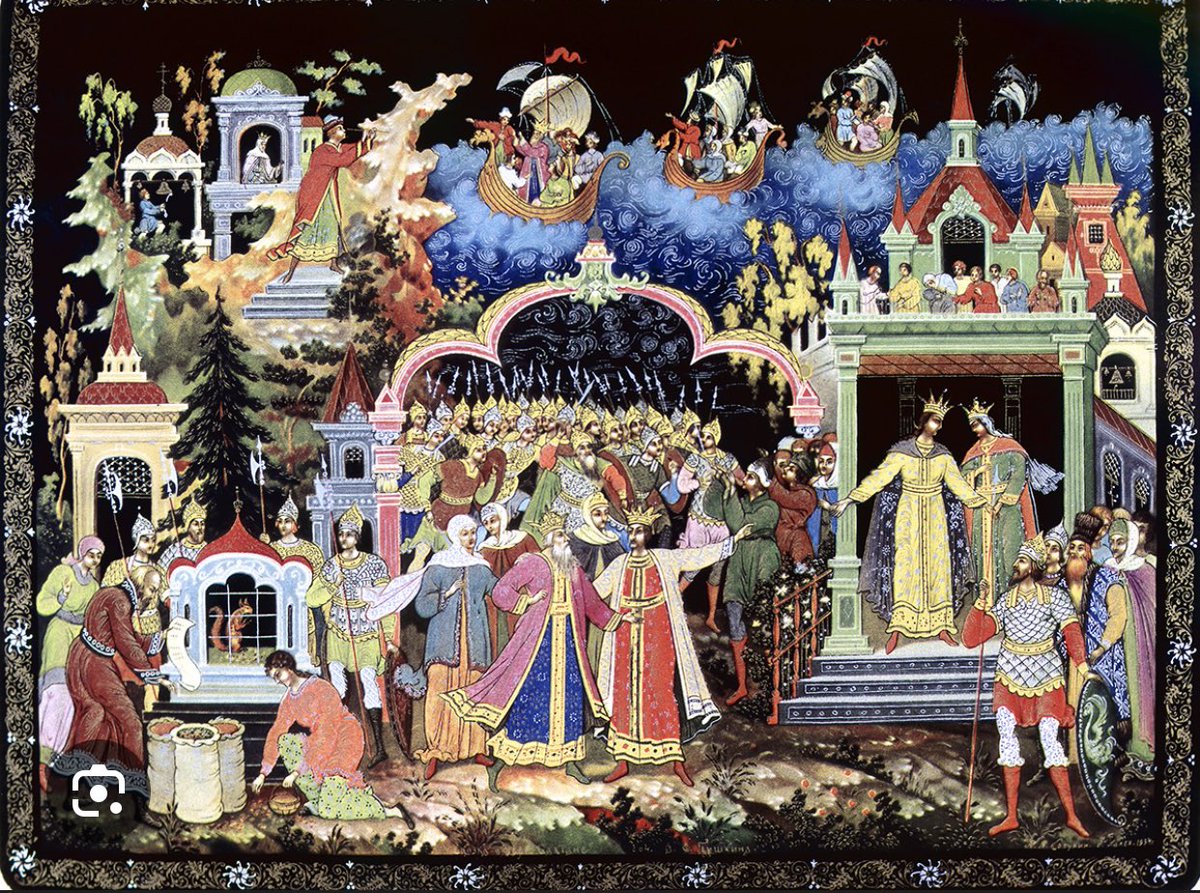
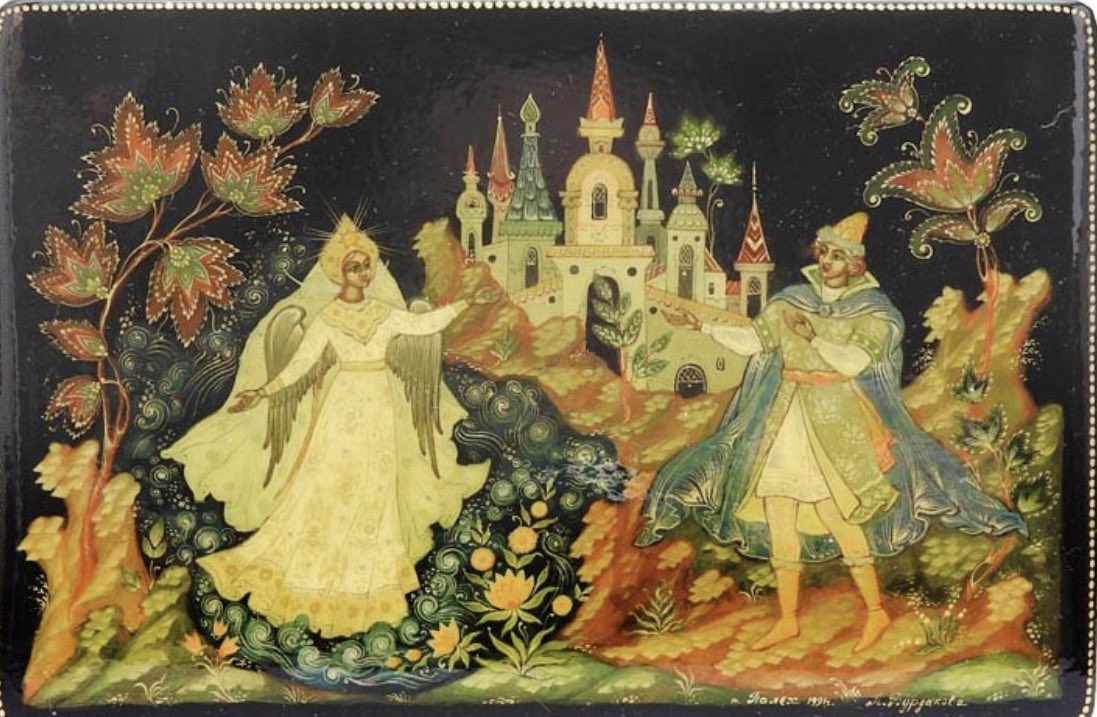
@embroidered_UA@MutsuGin@BiancoDavinci The result was not a ‘Chinese box’, but the Palekh Miniature. The style of the figures, the movement of the horses and the narrative of the Russian fairy tales he painted do not exist in China or Japan. He used a ‘screen’ that enchanted him to paint the soul of his own people.
@embroidered_UA@MutsuGin@BiancoDavinci He was a master painter of religious icons. When he saw the Asian miniatures, he was inspired by the idea of using a small, lacquered support to apply his own millennial egg and gold quenching technique, which had existed in Russia for centuries in churches.Does it look the same?
@embroidered_UA@MutsuGin@BiancoDavinci Russian art and music also produced many influential figures, like painters Ivan Shishkin, Arkhip Kuindzhi and composers such as Modest Mussorgsky, Nikolai Rimsky-Korsakov, Alexander Borodin, and Sergei Rachmaninoff
@embroidered_UA@MutsuGin@BiancoDavinci traditional wooden houses called Izba, and clothing such as the Kosovorotka. In folk art there are unique styles like Khokhloma, Gzhel, and Mezen painting.
@embroidered_UA@MutsuGin@BiancoDavinci Russian culture has many of its own traditions, cuisine, architecture and art. Dishes like Shchi, Solyanka and sweets like Pastila are traditional in Russia. Architecturally, there are distinctive onion domes like those of Saint Basil’s Cathedral.
@embroidered_UA@MutsuGin@BiancoDavinci If we use your logic that the ‘remote origin’ defines the ownership of an art, we will have to accept that Ukraine’s environment was irrelevant to Pysanka.
Following his judgement, Pysanka would be just an ‘African egg’ or ‘Mesopotamian’, and Ukraine would have no merit over it.
@embroidered_UA@MutsuGin@BiancoDavinci If the method is just a ‘mixture’ without original value, why did the official schools of France and Italy (the cradles of ballet) adopt the Vaganova system as the gold standard of technique?
@embroidered_UA@MutsuGin@BiancoDavinci She was born in Russia 😅 just because her father was Armenian that doesn’t make her only Armenian. Why do you make such a point of hiding her Russian origin or from anyone else?
@embroidered_UA@MutsuGin@BiancoDavinci What makes the Palekh box Russian is not the wood, but the school of miniature painting and folk iconography. Similarly, what makes Pysanka Ukrainian is not the egg or wax, but the specific geometric symbolism. What an attempt at mysticism about the bad Pysanka
@embroidered_UA@MutsuGin@BiancoDavinci Wooden churches do not have a unique “patent”. They appeared almost simultaneously throughout the forest belt of the Northern Hemisphere (Scandinavia, Russia, Finland and even in the United Kingdom).
@embroidered_UA@MutsuGin@BiancoDavinci In Ballet, the Vaganova Method, developed on Russian soil, is today one of the most respected and rigourous bases in the world, being recognised and adopted by the official schools of France and Italy themselves as the gold standard of technical excellence.