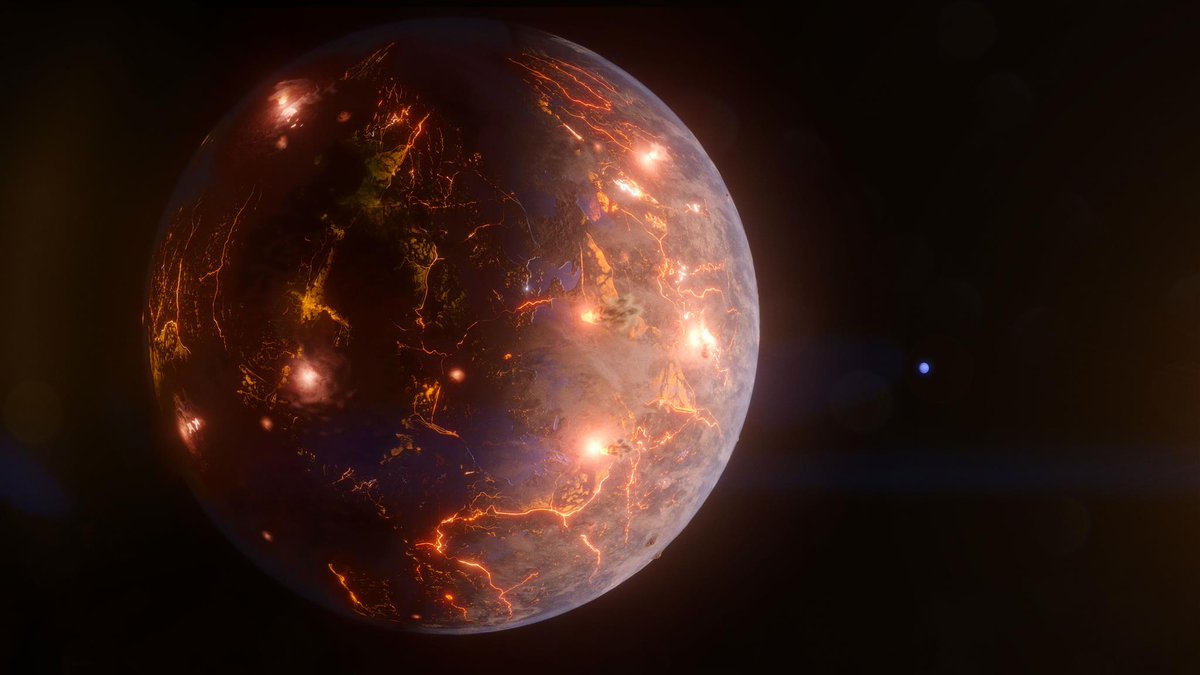
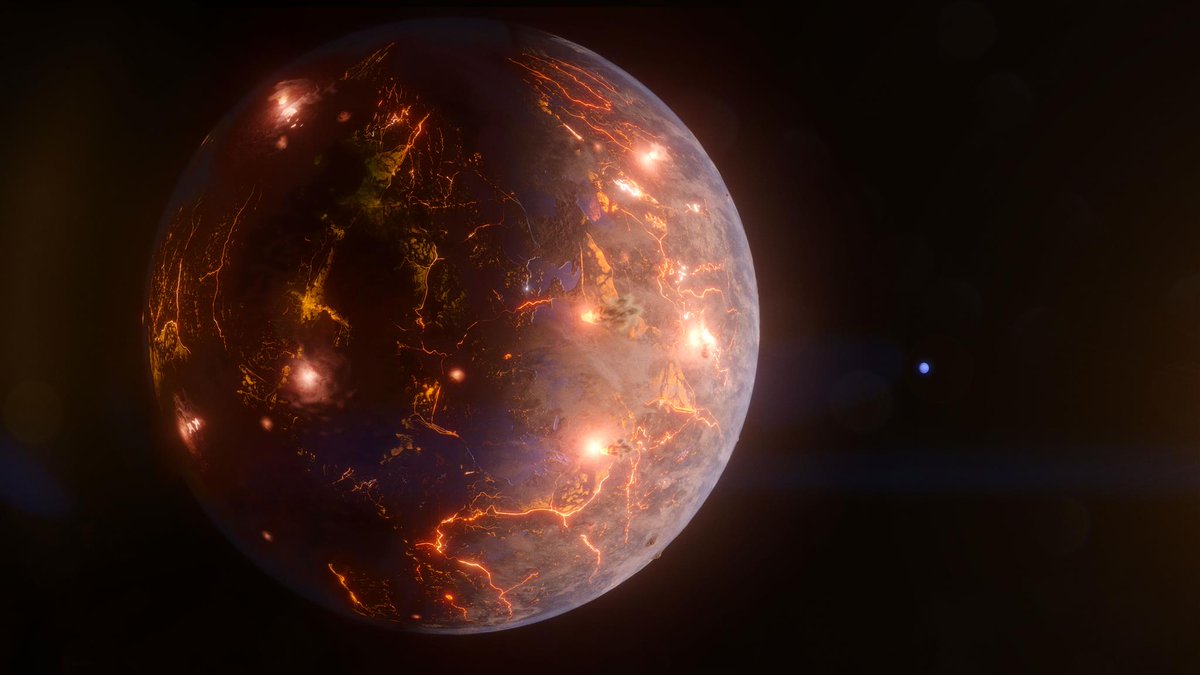
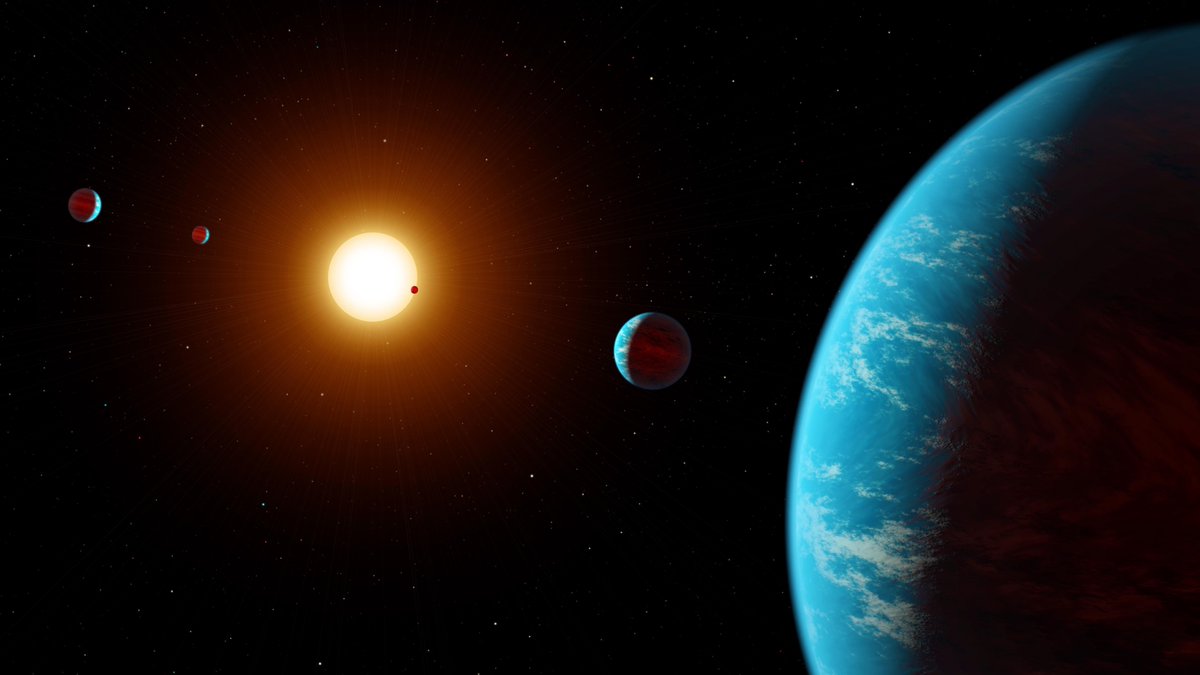
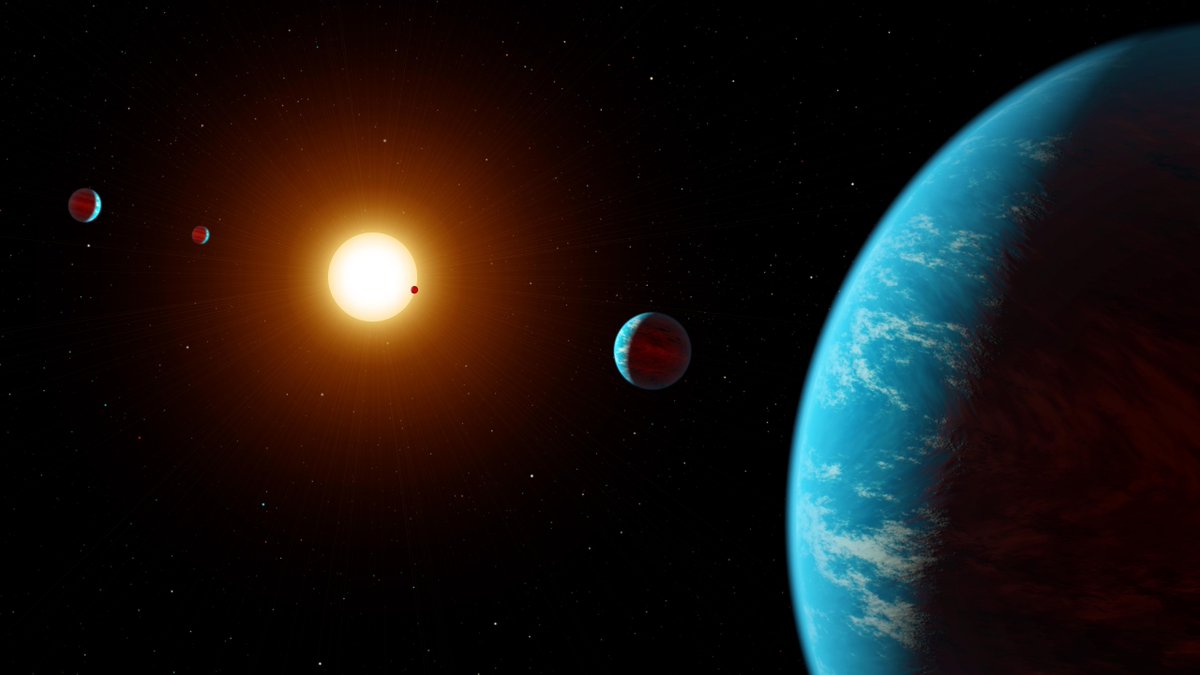
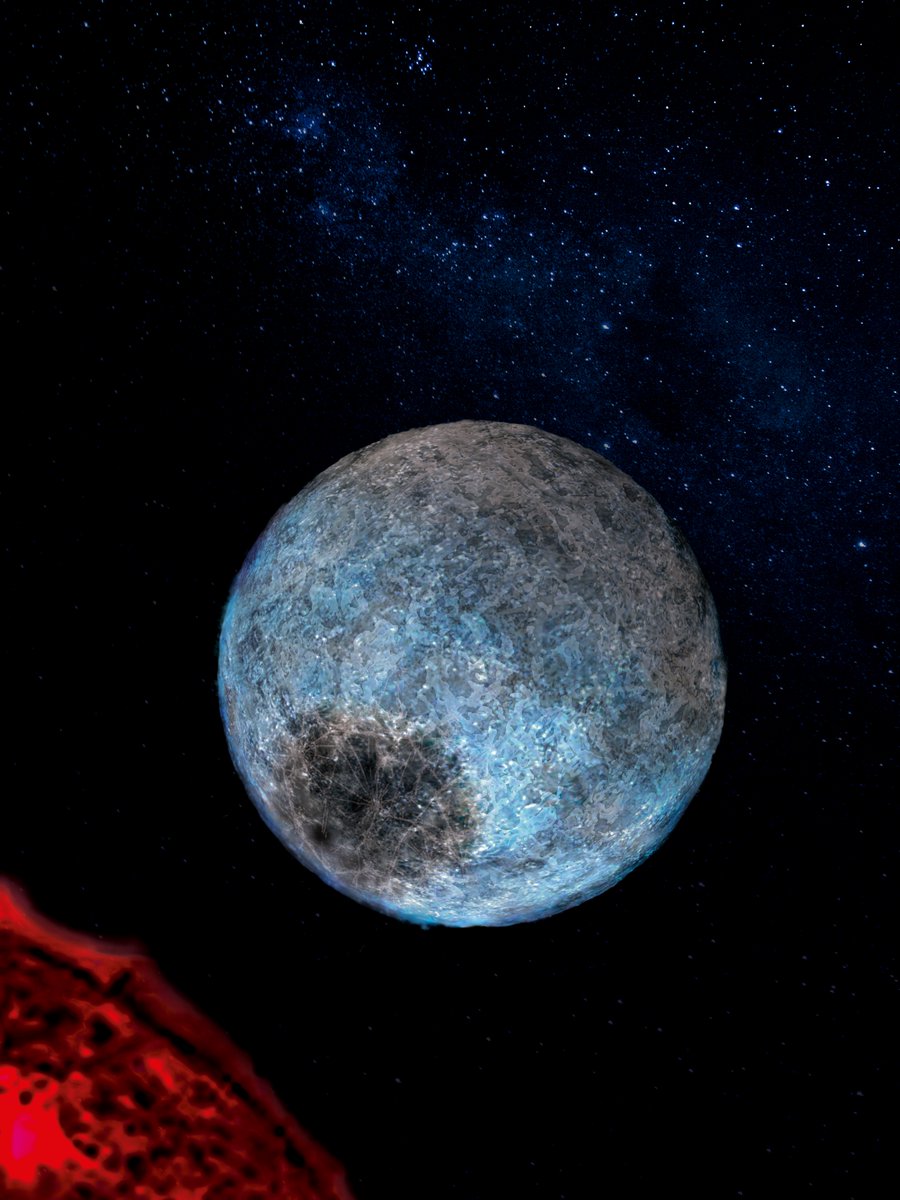
👁️ Una investigación internacional, con participación del #IACastrofísica, halla un exoplaneta del tamaño de la Tierra potencialmente cubierto de volcanes. La actividad geológica podría proporcionarle una atmósfera.
➡️ https://t.co/C83eE0bhml
📸 NASA/Chris Smith (KRBwyle)
👁️ International research, with the participation of #IACastrofísica, finds an Earth-sized exoplanet potentially covered with volcanoes. Called LP 791-18 d, the geological activity could provide it with an atmosphere.
➡️ https://t.co/GoOiyhI3fd
📸 NASA/Chris Smith (KRBwyle)
A fantastic group of researchers together working on the design the future #ANDES spectrograph for the future #eso#ELT telescope (just a sub-section of the team). With this ambitious instrument we will study the atmospheres of nearby Earth-like planets, such as Proxima b
Esta semana, en el espacio de cooperación tecnológica #IACTEC del #IACastrofísica, se ha celebrado la reunión del proyecto #ANDES, un espectrógrafo de alta resolución que se instalará en el telescopio #ELT de @ESO. Participan en el consorcio más de 30 instituciones de 14 países.
DR1 @CARMENES_exopl
- The CARMENES search for exoplanets around M dwarfs. Guaranteed time observations Data Release 1 (2016-2020), Ribas, et al. 2023, A&A 670, A139
https://t.co/isnZXwV6rr
See: https://t.co/xGwrHfAi0n
The pristine nature of SMSS 1605−1443 has been revealed by #ESPRESSO!! The article by David Aguado (from @IAC_Astrofisica), and published in @AandA_journal, is available here: https://t.co/ar3DasLqUV
#IACBecasyEmpleo
El #IACastrofísica convoca proceso selectivo para un contrato postdoctoral en ingeniería electrónica vinculado al proyecto “Tecnología Médica” de #IACTEC
Candidaturas hasta: 17/01/2023
Información completa de la convocatoria: https://t.co/5ES2wlX9qc
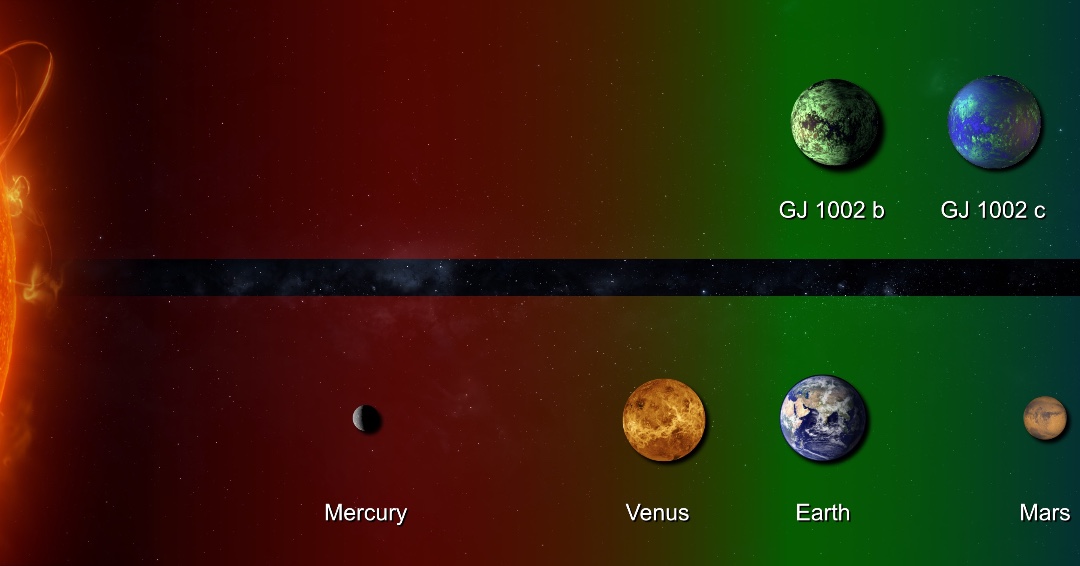
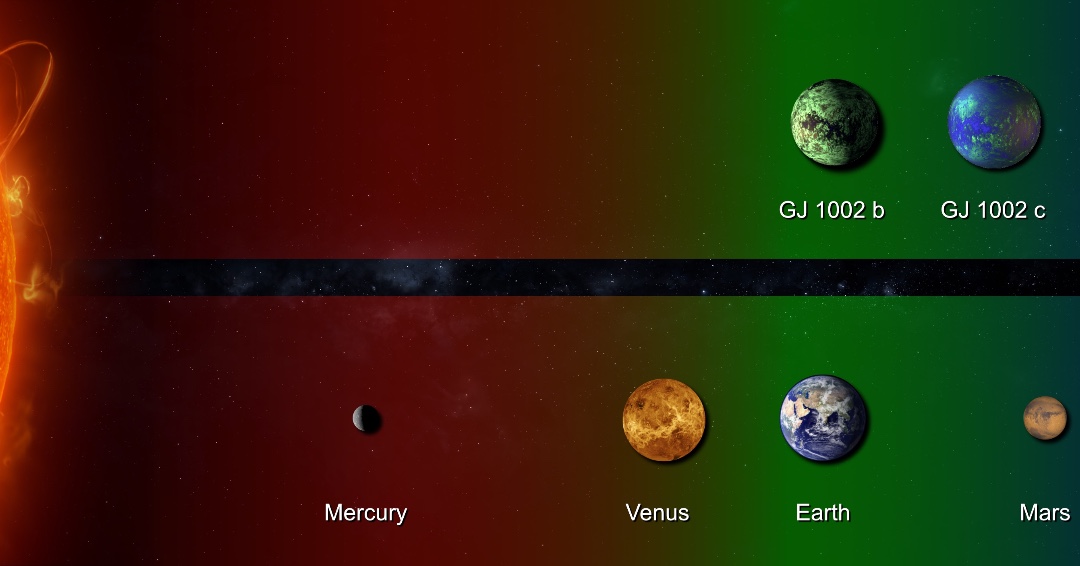
Say hello to two new nearby potentially habitable exoplanets! GJ 1002, a tiny red-dwarf, hosts two Earth-mass planets. The article, led by @AlexSM10000ft and written in collaboration with @CARMENES_exopl, is available now on @arxiv https://t.co/bqYJiIdzuO
A scientific team led by #IACastrofísica has discovered two potentially habitable exo-Earths around a star near the Sun. The discovery was made thanks to the collaboration between @espresso_astro and @CARMENES_exopl
ℹ️ https://t.co/ybBArn0LNp
🖼️ A.S. Mascareño & I. Bonet (IAC)
Un equipo internacional, liderado por el #IACastrofísica, ha descubierto dos exotierras potencialmente habitables en órbita a una estrella cercana al Sol. El hallazgo ha sido posible gracias a la colaboración @espresso_astro y @CARMENES_exopl.
ℹ️ https://t.co/uYQi9kUXka
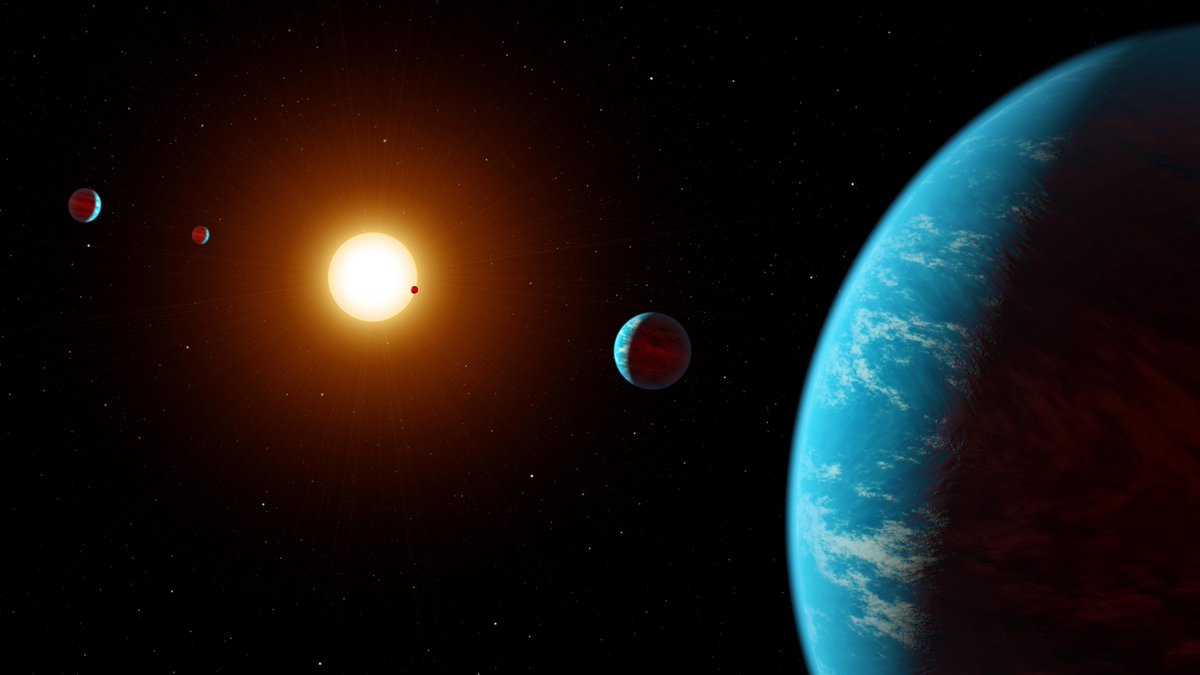
An international research, with the participation of #IACastrofísica, confirms the discovery of a planetary system with three super-Earths and two super-Mercuries.
ℹ️ https://t.co/f26wb841iE
🖼️ NASA/JPL-Caltech
Una investigación internacional, con participación del #IACastrofísica, confirma el descubrimiento de un sistema planetario con tres supertierras y dos supermercurios.
ℹ️ https://t.co/DMAZOqLP2n
🖼️ NASA/JPL-Caltech
We are very happy to release today a very insteresting paper lead by our colleague Susana Barros (from @IAstroPT) on a five (5!!) planets system with three of them having sub-Earth (sub-Earth!!) masses. A few ideas on this great #ESPRESSO discovery: 🧵👇
https://t.co/fx5VVcGoXx
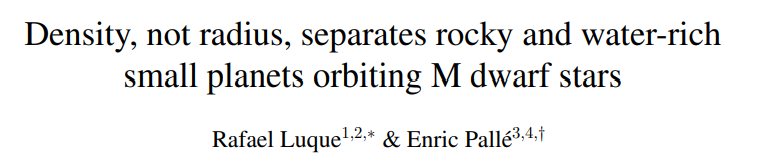
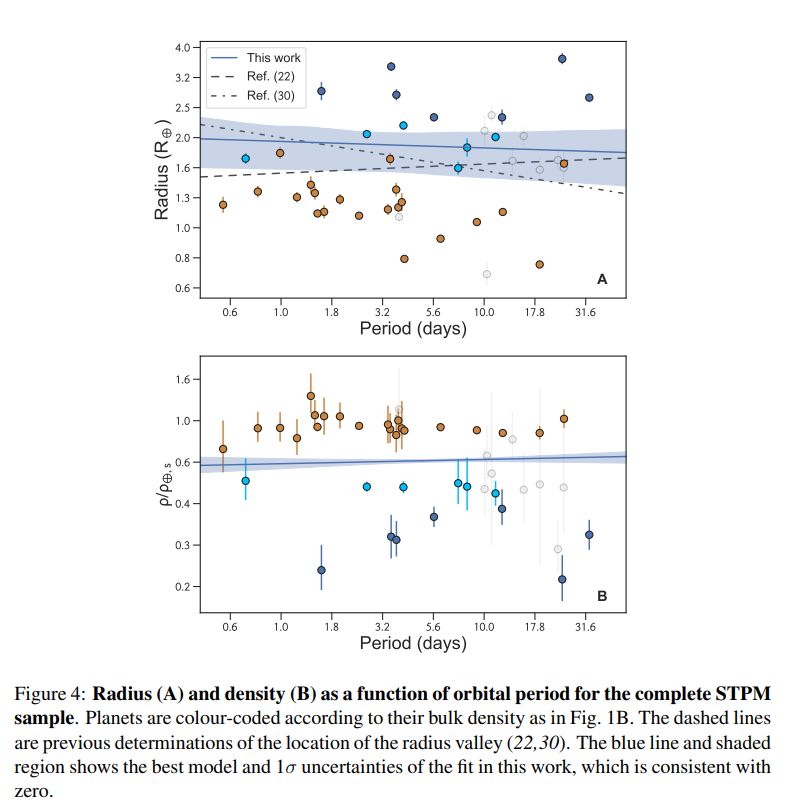
Is not everyday that we get an article with the potential of reframing our understanding of exoplanets. "Density, not radius, separates rocky and water-rich small planets orbiting M dwarf stars" by Rafael Luque and Enríc Pallé (https://t.co/z6AHgi7IdL)
In fact, the usually assumed radius valley is more likely a density gap that separates rocky planets from water-rich exoplanets. This conclusion agrees with formation models: Rocky planets form within the snow line, while water-rich worlds form outside it and later migrate inward
A study, led entirely by researchers Rafael Luque, from @UChicago and @iaa_csic, and Enric Pallé, from #IACastrofísica and @ULL, confirms that "water worlds" could be as common as Earths.
ℹ️ https://t.co/iBjiySQMAf
🖼️ Crédito: Pilar Montañés
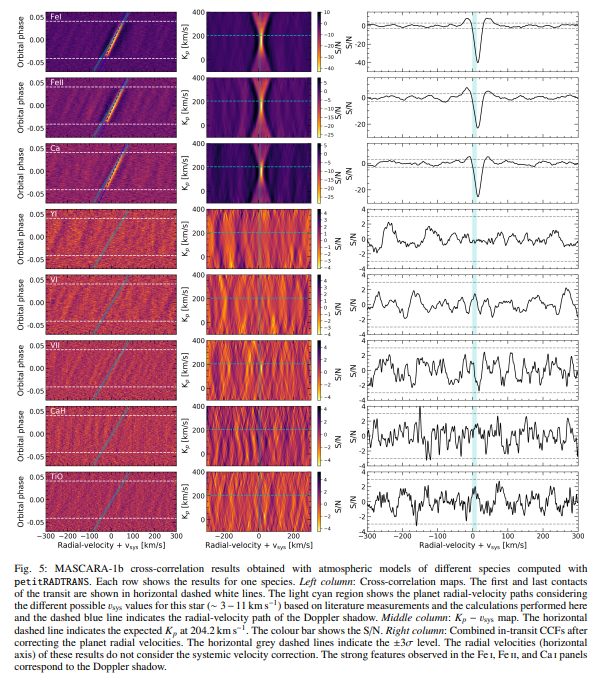
This account has been silent, but the ESPRESSO team hasn't! On the past months we've published some results that might be of your interest. Let's start with the transmission spectroscopy of MASCARA-1b, showcasing what happens when the planet path overlaps with the doppler shadow