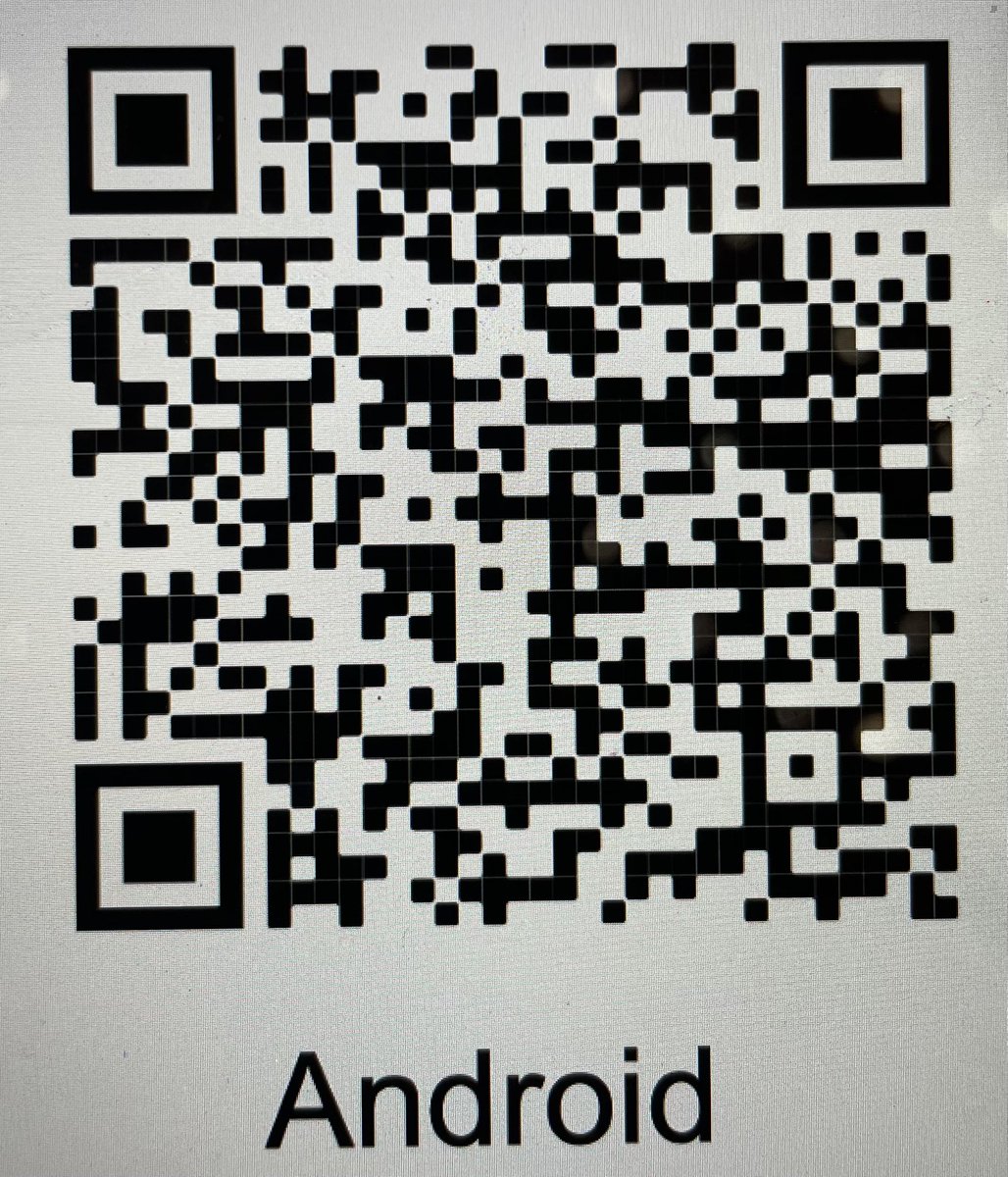
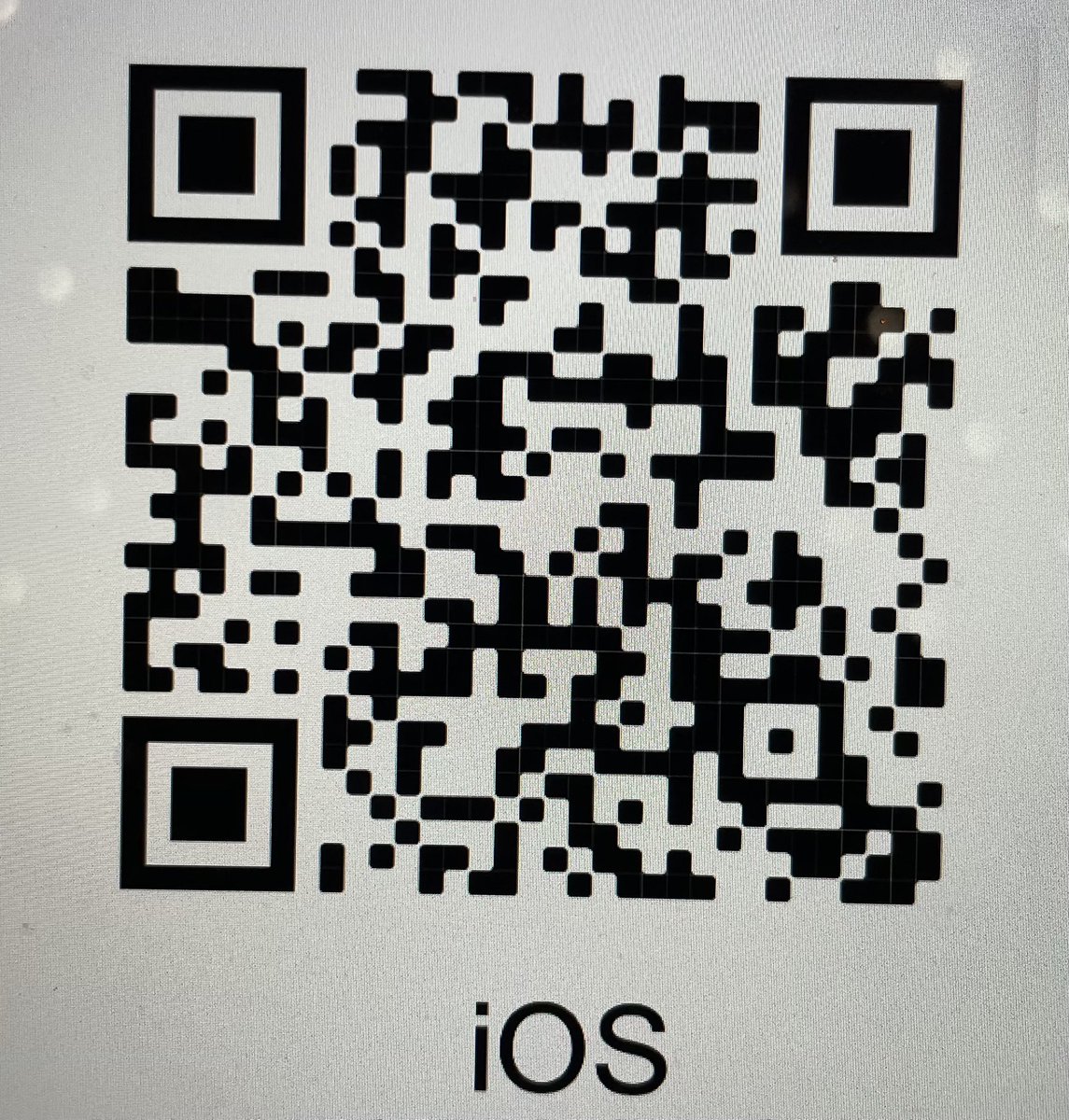
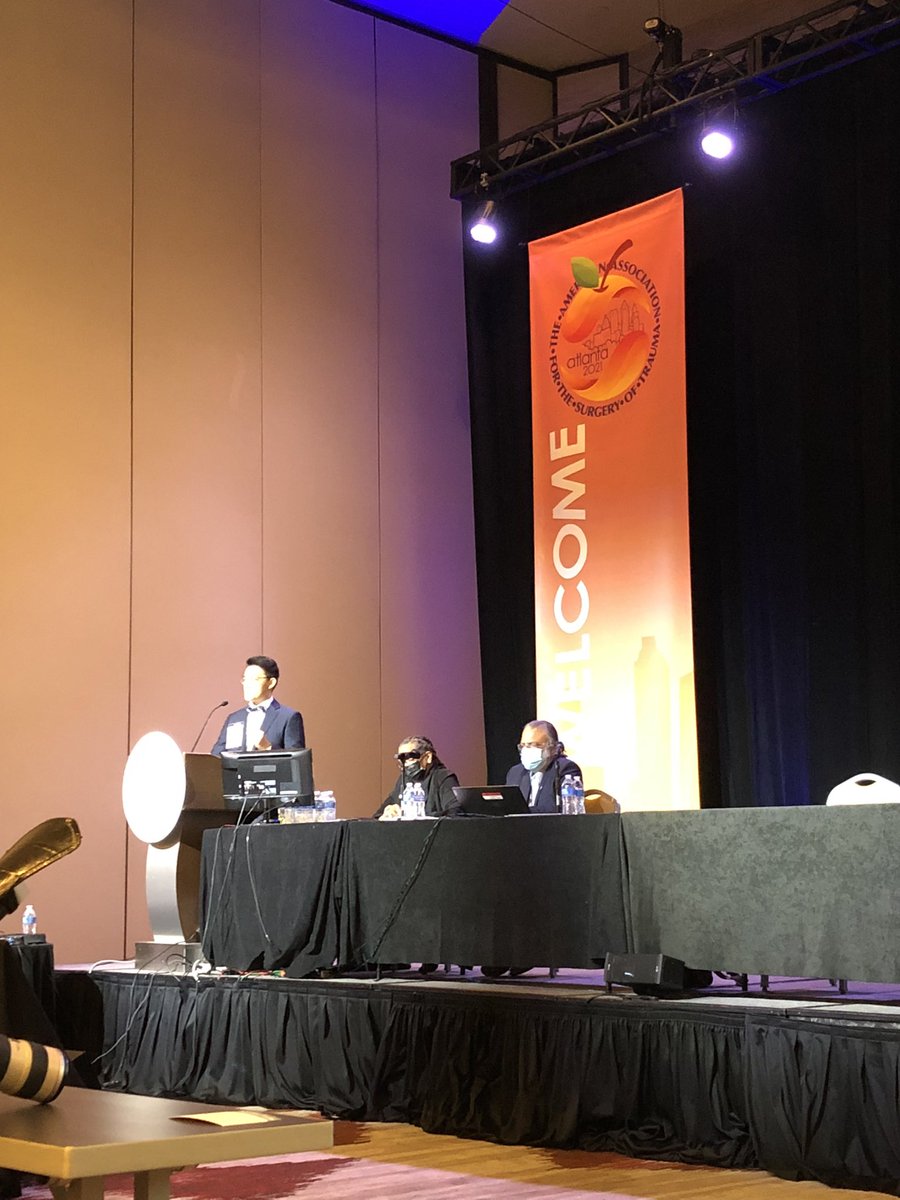
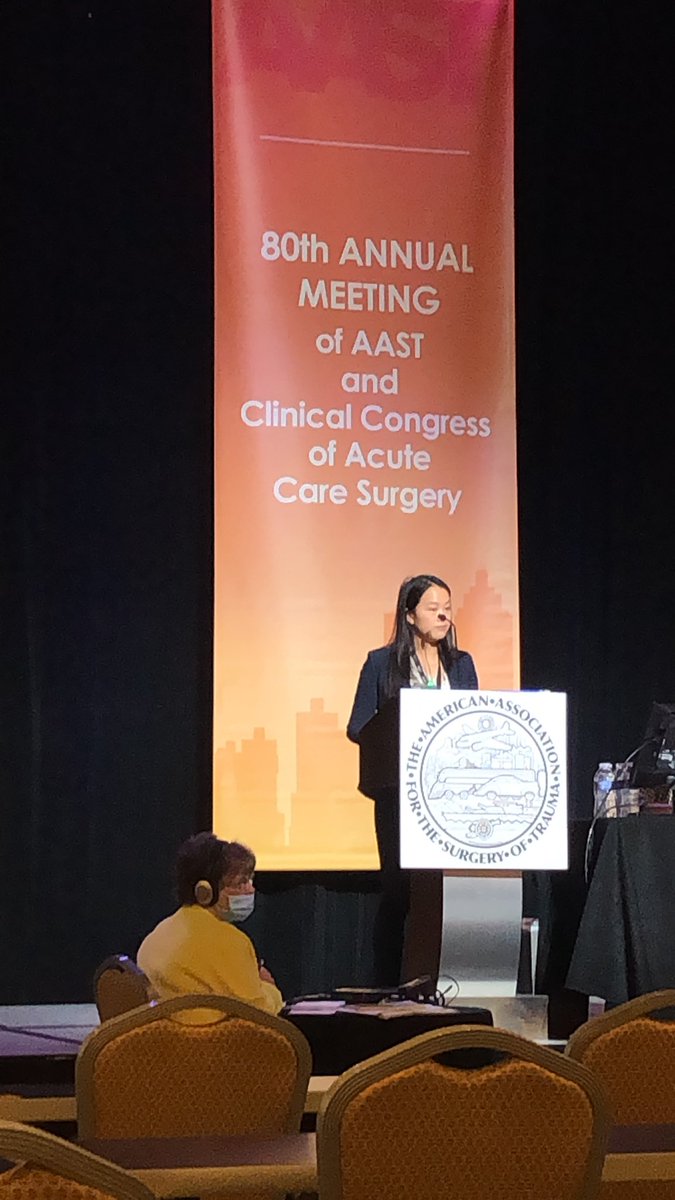
@JeffChoi01 presenting his Trauma fRailty OUTcomes (TROUT) prediction tool for bedside use in trauma patients older than 65 who are injured. Bringing bench to bedside in 2021!!!! #AAST2021@StanfordSurgery@stanfordtrauma Download the TROUT app here:
If #CWIS is this space for you, feel free to lean on your fellow members for help. And if you need a tribe of terrific humans focused on improving patient care for patients with chest wall injuries, you have found us! Join today. 🙂 #fightingburnout @
https://t.co/0tUmmZvbTu
@CWISociety@StanfordSurgery@stanfordtrauma@JeffChoi01@AydinKaghazchi Yes, likely a bias from historical studies and early experiences. We have a considerably lower institutional hardware failure rate. But agree wholeheartedly with @jnahmias1 . Plating well and getting good outcomes takes mentorship, experience, skill and patience.
@DavidASpain Many thanks to the @SurgInfxSoc for the honor of having my proposal selected, and thank you @DavidASpain for the continued support! Can’t wait to present my findings at #SIS2022
Our @JSurgRes meta-analysis found SSRF hardware failure is uncommon in contemporary literature. Table 2 proposes research agenda to mitigate hardware failures. @StanfordSWAT team effort from @explorersurgeon@AydinKaghazchi Beatrice Sun
https://t.co/LEW30UttB5
#ribfractures
Water waste, potential for bacterial outbreaks, cost savings…the list goes on. Next steps: let’s quantify the benefits of transitioning to mostly alcohol-based rub to be able to move forward in an evidence-based manner. Thanks to @explorersurgeon for the mentorship!
Time to transition: In support of alcohol-based surgical rub https://t.co/hYNy9eHHft. The West deals with another year of drought - a healthcare system’s drain on water should be evaluated…