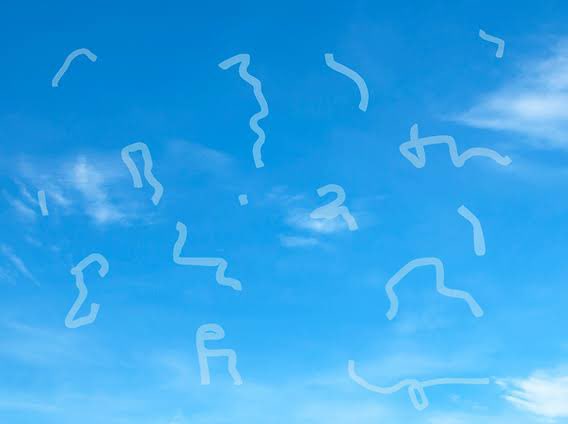
Eye floaters are spots in your vision. They may look to you like black or gray specks, strings, or cobwebs. They may drift about when you move your eyes. Floaters appear to dart away when you try to look at them directly.
Image Credit: Google
A general guideline is to sit between 1.5 to 2.5 times the diagonal screen measurement away, with about a 30-degree viewing angle. For example, if you have a 40" TV, you should be sitting somewhere between 5 and 8.3 feet from the screen.
Q. What does it mean if you are short-sighted?
A. Short-sightedness, or myopia, is a common eye condition that causes distant objects to appear blurred, while close objects can be seen clearly.
Image credit: Google
A general guideline is to sit between 1.5 to 2.5 times the diagonal screen measurement away, with about a 30-degree viewing angle. For example, if you have a 40" TV, you should be sitting somewhere between 5 and 8.3 feet from the screen.
Image credit: Google
Finding it harder to read that smartphone up close? Around age 40, most people will start to experience “presbyopia” which literally means “aging eye.”
Image credit: Google
Night blindness, or nyctalopia, is where the eye is unable to adapt to low-light conditions, such as at nighttime. Night blindness itself is not a condition but the result of an existing eye disorder.
Image credit: Google
There are few things we love more than seeing the comradery between eye surgeons, except perhaps seeing the ASO super eye socks on their shared adventures!
Special shout out to ophthalmologists Dr Madeleine Adams (QLD) and Dr Malvika Gupta (VIC) who sent in this photo from their trip to Bangalore, India.
The ASO super eye socks were created for our members to support the important work of the Crazy Socks 4 Docs charity in reducing stigma around the mental health and wellbeing of doctors.
@RANZCOeyedoctor@crazysocks4Docs
#eyesurgeon #ophthalmology #mentalhealth #stigma #crazysocks4docs
A general guideline is to sit between 1.5 to 2.5 times the diagonal screen measurement away, with about a 30-degree viewing angle. For example, if you have a 40" TV, you should be sitting somewhere between 5 and 8.3 feet from the screen.
Image credit: Google
A stye is an infection at the base of an eyelash (in the follicle), usually caused by staphylococcal bacteria.Treatment options include hot compresses, antibiotic ointments, oral antibiotics or operating on the lump (lancing) to drain out the pus.
Night blindness, or nyctalopia, is where the eye is unable to adapt to low-light conditions, such as at nighttime. Night blindness itself is not a condition but the result of an existing eye disorder.
Vision loss among the elderly is a major healthcare problem. Approximately one person in 3 has some form of vision-reducing eye disease by the age of 65.The most common causes of vision loss among the elderly are agerelated macular degeneration, glaucoma & diabetic retinopathy.
Drinking plenty of water on a daily basis can prevent your body and your eyes from becoming dehydrated.
Dehydration is severely harmful to your eyes and your organs, if untreated, dehydration can lead to brain damage, seizures, and death.
Image credit: Google