🇨🇳The founder of Moonshot the Chinese company that created Kimi K3 to overthrow Anthropic and OpenAI lead just gave a 40 minute masterclass on their progress.
The best explanation I’ve seen on Chinese cheap models. Free game!! Must watch…
1. CLAIM: "China claims the whole of the South China Seas."
DATA: Not true at all. Look at the official statements. "China has never claimed that the whole of the South China Sea belongs to it.” (China’s Foreign Ministry spokesperson Wang Wenbin, March 2024). (More on this below.)
.
2. CLAIM: "The PRC drew up a line of dashes which covers the entire area so they can claim it."
DATA: Not true at all. The RoC government (now associated with the KMT on the island of Taiwan) drew up the line of dashes, first publishing it in December of 1946.
China's position is that it doesn't claim "the whole of the South China Sea" but wants to RETAIN sovereignty of land over which it already has recognized legal sovereignty—which is the default position of all nations.
That’s a vital difference.
.
3. CLAIM: "The Philippines fought a 2016 case at the United Nations court and won sovereignty."
DATA: Not true at all. A case was heard at the Permanent Court of Arbitration, a legal group which is NOT a United Nations body, nor is it part of the UN system.
.
4. CLAIM: Under UNCLOS, the convention on the sea, the Philippines won sovereignty over the southern waters and islands.
DATA: Again, not true. UNCLOS contains NO provision for altering any state’s land territorial sovereignty, nor does it confer any country a right to claim another’s territory on the basis of its EEZ (exclusive economic zone).
Read it. The documents are admirably clear about this.
.
5. CLAIM: Anyway, China lost that case against the Philippines, whoever heard it.
DATA: Not true. China did not fight the case, so you can count that as a "technical" loss, if you like. But before the hearing, the PCA tribunal said it would NOT discuss matters of sovereignty, after which China said that in that case it would not attend.
The tribunal repeatedly said it was NOT ruling on sovereignty of the region. For example, ruling paragraph 267 says: "…the Tribunal is not addressing questions of sovereignty…"
You can’t get clearer than that.
.
6. CLAIM: The judges at the hearing ruled in favor of the Philippines on the technical points, anyway.
DATA: Yes. But this is interesting. Consider this. China was not present. Arguments were presented on one side only! Literally. One of the five judges on the bench was nominated by the Philippines.
In that situation, a total and comprehensive judgement in favor of the Philippines was expected by all parties. However, even with the hearing totally sewn up, Manila failed to win five of the 20 points listed. Their arguments were so weak, the judges could not accept them.
.
7. CLAIM: The Philippines does have sovereignty over the Spratly/ Nansha Islands, anyway.
DATA: Not true. Here's a list of governments which have officially agreed in the past that the Spratly/ Nansha Islands BELONGED TO CHINA.
(i) The US.
(ii) China.
(iii) The UK.
(iv) The governors of Taiwan.
(v) The Philippines.
All were absolutely clear, in writing, that the islands belonged to China. (You can check with historians.)
So why the dispute? When signs emerged of possible oil deposits near the islands in the late 1970s, the first President Marcos changed his position.
Also, Western politicians and media favor conflict, if it can be used to demonize China. (You know them by now.)
Especially as China is now viewed as the number one threat to western supremacy.
.
8. CLAIM: But Chinese boats have been extremely aggressive against ships from the Philippines for years, right?
DATA: No, not at all. Chinese ships are always portrayed as "the aggressor" but this is not supported by evidence. There are certainly two sides to this dispute, and incidents should be reviewed case by case.
We can go through the cases one by one, but an easier answer is to simply consider the following:
The present series of "incidents of friction" between vessels from the two countries is very recent.
They stem from the date Bongbong Marcos took the presidency in 2022 and met Biden in the spring of 2023. Even the western mainstream media acknowledges his fulsome allegiance to Washington DC. Under the previous leader, Rodrigo Duterte, the waters were relatively peaceful.
Washington is behind the sudden eruption of conflicts in the South China Seas.
.
9. CLAIM: Yes, but before that, the Chinese tried for decades to aggressively grab the whole area, right?
DATA: Also not true. The Chinese wanted to take time grow a positive friendship over the issue through friendly trade, which is its normal system.
It persuaded the Manila govt in 1995 to sign a joint deal which proposed that “a gradual and progressive process of cooperation shall be adopted with a view to eventually negotiating a settlement of the bilateral disputes”.
Those were the ACTUAL WORDS. Read them again: “a gradual and progressive process of cooperation”.
But it was this attitude which worried Washington. The west and its allies FEAR the idea of peace in Asia more than anything.
.
10. CLAIM: Still, it is clear that China is the problem in Asia, right?
DATA: Absolutely not. As mentioned above, the west and its allies dislike the gradual growth of friendships between Mainland China and other communities in Asia, and sponsor destabilization operations to create polarization.
For example, when a million Hong Kong people and two million people from Taiwan started working and living in mainland China in 2017/ 2018, the west desperately needed to stir up problems—and that's what they did.
And blamed Beijing.
Same with the Philippines. Duterte brought peace. So he's in jail, Marcos is in, and conflict is back.
Also, consider this: Which country is doing the most to reclaim land in the waters near the Philippines? Not China, but Vietnam.
But you won’t read about that. The west is very, very good at manipulating narratives.
The good news: Western politicians and mainstream media are losing credibility day by day.
Not before time.
Don't be fooled. Stay smart.
.
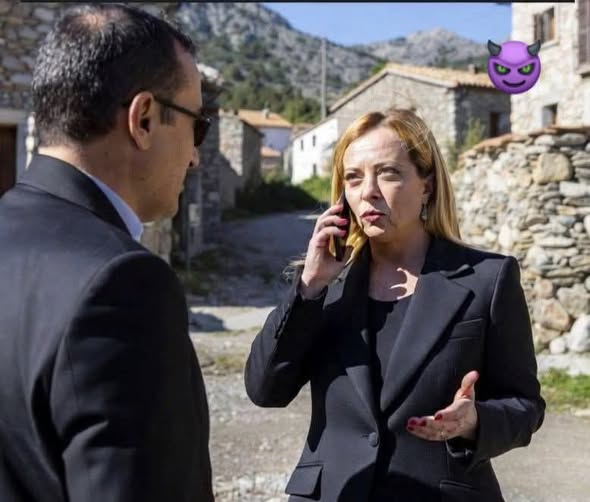
Gioggia Meloni visita un poverissimo paese della Basilicata e chiede al sindaco quali siano le tre priorità per rilanciare la zona.
«La prima è l’ospedale: c’è, ma mancano i medici».
Lei tira fuori il telefonino, parla per un paio di minuti e poi annuncia:
«Fatto. Entro una settimana arrivano i medici».
«La seconda è l’acqua: c’è, ma una miniera a monte ha inquinato le falde».
Lei riprende il telefonino, altre due parole, e dice:
«Fatto. Entro un mese le falde saranno bonificate e la proprietà risarcirà gli abitanti».
«E la terza?» chiede lei.
«La terza sono i telefonini» risponde il sindaco.
«Qui non prende niente».


![Zlibrary_China's tweet photo. 亲爱的读者们,
今天是个分享好消息的美好日子,你不觉得吗?自从我们上次发帖以来,发生了一些非常棒的更新,包括桌面应用程序、我的书库等等……但我们还是一步步来吧。
Windows 和 Linux 版桌面应用程序新版本
我们的桌面应用程序最近一次更新已经有一段时间了,所以今天我们很高兴分享桌面应用程序最新更新(版本 3.2.0)的消息,该版本现已适用于 Windows 和 Linux(Debian / Ubuntu、Fedora 以及任何 Linux)。请注意,目前 macOS 还没有新版本可用,但我们正在开发中,并希望在不久的将来公布。
以下是这个新版本引入的一些新功能:
• 内置 VPN;
• 添加了带有通知的小部件;
• 创建了自定义登录页面,这加快了登录时的加载速度;
• 添加了显示加载状态的本地化界面;
• 改进了应用程序加载体验;
• 除了新功能,我们还修复了一些重要的技术问题。其中包括修复了侧边栏中锁图标显示问题,以及加载横幅未出现的一个 bug。
我的书库:阅读队列和引文
阅读队列更新
在这篇帖子 [https://t.co/3ga8UFlzCu] 中,我们介绍了一个名为阅读队列的新部分。你可能还记得,它的作用是帮助你跟踪你正在阅读或已阅读的书籍,以及你在每本书中的进度。
我们的团队总是渴望改进我们的功能,因此决定更新阅读队列。我们希望融入隐私和社会互动元素,这些是我们一直试图整合到平台中的。现在,你可以选择你的阅读队列是私密的还是公开的。你可以通过点击阅读队列中的锁图标,或在 编辑个人资料 → 公开个人资料中将其设为私密。
想象一下,你发现了一个志同道合的用户,他们的书单让你真正喜欢。他们的选择可能会启发你,导致你发现一本你一直在寻找或从未遇见过的新书。现在,你甚至可以看到他们目前正在阅读的书籍,这可能会激发你创建自己的新书单,或揭示一本你一直渴望探索的书名。
引文更新
为了进一步增强我的书库,我们引入了一个新类别:引文。但这意味着什么呢?
最近,Litera Reader 引入了各种引文印象,例如关键点或发人深省的引文,更多信息可在此处找到 [https://t.co/NKd7LFVlJ7]。认识到此功能的重要性,我们现在使它成为可能在你的我的书库中查看所有标记的引文。这包括引文所在书籍的信息,以及其在文本中的确切位置,以确保不会丢失任何宝贵的见解。引文可以是公开的或私密的,要将其设为私密,你可以在 编辑个人资料 → 公开个人资料中设置。
在不久的将来,我们计划继续开发这个部分,所以请保持关注,以免错过任何内容!
小更新
点赞
点赞功能又进行了更新。此前,如果你对一篇帖子发表评论,而其他人觉得它有趣,他们会点赞。然而,你只能看到前几个点赞你评论的人以及点赞总数。
我们进行了更改,现在你可以看到所有同意你的人的完整列表。此信息不仅包括他们的姓名,还包括他们的其他评论或书单(如果有的话)。我们希望这个功能能帮助你找到志同道合的用户,并发现可能让你感兴趣的新书籍或书单。
拼音转写
除了技术更新,我们还定期审阅你的投诉和建议。其中一个建议是显示简体中文书籍标题。
此前,一些书籍的标题和作者姓名是用拼音书写的,这大大增加了中国用户搜索它们的难度。然而,我们已经进行了更改,确保所有书籍标题现在都以汉字显示,包括姓氏。
访问问题
一如既往,提醒大家要更小心骗子。我们建议你不要尝试在 Google 或任何其他搜索引擎上搜索 Z-Library,因为这会直接将你引向诈骗网站。相反,我们推荐将我们的网站保存到浏览器书签中。
或者,你可以通过我们的魔法电子邮件获取可用链接。只需从你的收件箱发送任何一封信件到我们的魔法电子邮件地址 blackbox@zlibrary-mailer.ph,你将在 3-5 分钟内通过自动生成的电子邮件收到你的 Z-Library 个人访问权限。
总之,我们想指出那些可用的并可用于访问图书馆的链接:
• 图书馆:https://t.co/wkasxKdfQw https://t.co/ILB9g9UL5O https://t.co/K90wpvauRW
• Z-Access:https://t.co/a0aEJyRZKk
• Wiki:https://t.co/Ipu4ymv5Uh
• Reddit:https://t.co/2wEQlAKVN8
下载最新桌面应用程序:
保存一个带有所有实际链接的离线文件,以免丢失访问权限 https://t.co/3MfjKbJHtn
感谢您的关注和对项目的支持!](https://pbs.twimg.com/media/HN022TNXcAAZU0L.jpg)
![Zlibrary_China's tweet photo. 亲爱的读者们,
今天是个分享好消息的美好日子,你不觉得吗?自从我们上次发帖以来,发生了一些非常棒的更新,包括桌面应用程序、我的书库等等……但我们还是一步步来吧。
Windows 和 Linux 版桌面应用程序新版本
我们的桌面应用程序最近一次更新已经有一段时间了,所以今天我们很高兴分享桌面应用程序最新更新(版本 3.2.0)的消息,该版本现已适用于 Windows 和 Linux(Debian / Ubuntu、Fedora 以及任何 Linux)。请注意,目前 macOS 还没有新版本可用,但我们正在开发中,并希望在不久的将来公布。
以下是这个新版本引入的一些新功能:
• 内置 VPN;
• 添加了带有通知的小部件;
• 创建了自定义登录页面,这加快了登录时的加载速度;
• 添加了显示加载状态的本地化界面;
• 改进了应用程序加载体验;
• 除了新功能,我们还修复了一些重要的技术问题。其中包括修复了侧边栏中锁图标显示问题,以及加载横幅未出现的一个 bug。
我的书库:阅读队列和引文
阅读队列更新
在这篇帖子 [https://t.co/3ga8UFlzCu] 中,我们介绍了一个名为阅读队列的新部分。你可能还记得,它的作用是帮助你跟踪你正在阅读或已阅读的书籍,以及你在每本书中的进度。
我们的团队总是渴望改进我们的功能,因此决定更新阅读队列。我们希望融入隐私和社会互动元素,这些是我们一直试图整合到平台中的。现在,你可以选择你的阅读队列是私密的还是公开的。你可以通过点击阅读队列中的锁图标,或在 编辑个人资料 → 公开个人资料中将其设为私密。
想象一下,你发现了一个志同道合的用户,他们的书单让你真正喜欢。他们的选择可能会启发你,导致你发现一本你一直在寻找或从未遇见过的新书。现在,你甚至可以看到他们目前正在阅读的书籍,这可能会激发你创建自己的新书单,或揭示一本你一直渴望探索的书名。
引文更新
为了进一步增强我的书库,我们引入了一个新类别:引文。但这意味着什么呢?
最近,Litera Reader 引入了各种引文印象,例如关键点或发人深省的引文,更多信息可在此处找到 [https://t.co/NKd7LFVlJ7]。认识到此功能的重要性,我们现在使它成为可能在你的我的书库中查看所有标记的引文。这包括引文所在书籍的信息,以及其在文本中的确切位置,以确保不会丢失任何宝贵的见解。引文可以是公开的或私密的,要将其设为私密,你可以在 编辑个人资料 → 公开个人资料中设置。
在不久的将来,我们计划继续开发这个部分,所以请保持关注,以免错过任何内容!
小更新
点赞
点赞功能又进行了更新。此前,如果你对一篇帖子发表评论,而其他人觉得它有趣,他们会点赞。然而,你只能看到前几个点赞你评论的人以及点赞总数。
我们进行了更改,现在你可以看到所有同意你的人的完整列表。此信息不仅包括他们的姓名,还包括他们的其他评论或书单(如果有的话)。我们希望这个功能能帮助你找到志同道合的用户,并发现可能让你感兴趣的新书籍或书单。
拼音转写
除了技术更新,我们还定期审阅你的投诉和建议。其中一个建议是显示简体中文书籍标题。
此前,一些书籍的标题和作者姓名是用拼音书写的,这大大增加了中国用户搜索它们的难度。然而,我们已经进行了更改,确保所有书籍标题现在都以汉字显示,包括姓氏。
访问问题
一如既往,提醒大家要更小心骗子。我们建议你不要尝试在 Google 或任何其他搜索引擎上搜索 Z-Library,因为这会直接将你引向诈骗网站。相反,我们推荐将我们的网站保存到浏览器书签中。
或者,你可以通过我们的魔法电子邮件获取可用链接。只需从你的收件箱发送任何一封信件到我们的魔法电子邮件地址 blackbox@zlibrary-mailer.ph,你将在 3-5 分钟内通过自动生成的电子邮件收到你的 Z-Library 个人访问权限。
总之,我们想指出那些可用的并可用于访问图书馆的链接:
• 图书馆:https://t.co/wkasxKdfQw https://t.co/ILB9g9UL5O https://t.co/K90wpvauRW
• Z-Access:https://t.co/a0aEJyRZKk
• Wiki:https://t.co/Ipu4ymv5Uh
• Reddit:https://t.co/2wEQlAKVN8
下载最新桌面应用程序:
保存一个带有所有实际链接的离线文件,以免丢失访问权限 https://t.co/3MfjKbJHtn
感谢您的关注和对项目的支持!](https://pbs.twimg.com/media/HN022TNXAAAUA54.jpg)


![Zlibrary_China's tweet photo. 亲爱的读者们,
今天是个分享好消息的美好日子,你不觉得吗?自从我们上次发帖以来,发生了一些非常棒的更新,包括桌面应用程序、我的书库等等……但我们还是一步步来吧。
Windows 和 Linux 版桌面应用程序新版本
我们的桌面应用程序最近一次更新已经有一段时间了,所以今天我们很高兴分享桌面应用程序最新更新(版本 3.2.0)的消息,该版本现已适用于 Windows 和 Linux(Debian / Ubuntu、Fedora 以及任何 Linux)。请注意,目前 macOS 还没有新版本可用,但我们正在开发中,并希望在不久的将来公布。
以下是这个新版本引入的一些新功能:
• 内置 VPN;
• 添加了带有通知的小部件;
• 创建了自定义登录页面,这加快了登录时的加载速度;
• 添加了显示加载状态的本地化界面;
• 改进了应用程序加载体验;
• 除了新功能,我们还修复了一些重要的技术问题。其中包括修复了侧边栏中锁图标显示问题,以及加载横幅未出现的一个 bug。
我的书库:阅读队列和引文
阅读队列更新
在这篇帖子 [https://t.co/3ga8UFlzCu] 中,我们介绍了一个名为阅读队列的新部分。你可能还记得,它的作用是帮助你跟踪你正在阅读或已阅读的书籍,以及你在每本书中的进度。
我们的团队总是渴望改进我们的功能,因此决定更新阅读队列。我们希望融入隐私和社会互动元素,这些是我们一直试图整合到平台中的。现在,你可以选择你的阅读队列是私密的还是公开的。你可以通过点击阅读队列中的锁图标,或在 编辑个人资料 → 公开个人资料中将其设为私密。
想象一下,你发现了一个志同道合的用户,他们的书单让你真正喜欢。他们的选择可能会启发你,导致你发现一本你一直在寻找或从未遇见过的新书。现在,你甚至可以看到他们目前正在阅读的书籍,这可能会激发你创建自己的新书单,或揭示一本你一直渴望探索的书名。
引文更新
为了进一步增强我的书库,我们引入了一个新类别:引文。但这意味着什么呢?
最近,Litera Reader 引入了各种引文印象,例如关键点或发人深省的引文,更多信息可在此处找到 [https://t.co/NKd7LFVlJ7]。认识到此功能的重要性,我们现在使它成为可能在你的我的书库中查看所有标记的引文。这包括引文所在书籍的信息,以及其在文本中的确切位置,以确保不会丢失任何宝贵的见解。引文可以是公开的或私密的,要将其设为私密,你可以在 编辑个人资料 → 公开个人资料中设置。
在不久的将来,我们计划继续开发这个部分,所以请保持关注,以免错过任何内容!
小更新
点赞
点赞功能又进行了更新。此前,如果你对一篇帖子发表评论,而其他人觉得它有趣,他们会点赞。然而,你只能看到前几个点赞你评论的人以及点赞总数。
我们进行了更改,现在你可以看到所有同意你的人的完整列表。此信息不仅包括他们的姓名,还包括他们的其他评论或书单(如果有的话)。我们希望这个功能能帮助你找到志同道合的用户,并发现可能让你感兴趣的新书籍或书单。
拼音转写
除了技术更新,我们还定期审阅你的投诉和建议。其中一个建议是显示简体中文书籍标题。
此前,一些书籍的标题和作者姓名是用拼音书写的,这大大增加了中国用户搜索它们的难度。然而,我们已经进行了更改,确保所有书籍标题现在都以汉字显示,包括姓氏。
访问问题
一如既往,提醒大家要更小心骗子。我们建议你不要尝试在 Google 或任何其他搜索引擎上搜索 Z-Library,因为这会直接将你引向诈骗网站。相反,我们推荐将我们的网站保存到浏览器书签中。
或者,你可以通过我们的魔法电子邮件获取可用链接。只需从你的收件箱发送任何一封信件到我们的魔法电子邮件地址 blackbox@zlibrary-mailer.ph,你将在 3-5 分钟内通过自动生成的电子邮件收到你的 Z-Library 个人访问权限。
总之,我们想指出那些可用的并可用于访问图书馆的链接:
• 图书馆:https://t.co/wkasxKdfQw https://t.co/ILB9g9UL5O https://t.co/K90wpvauRW
• Z-Access:https://t.co/a0aEJyRZKk
• Wiki:https://t.co/Ipu4ymv5Uh
• Reddit:https://t.co/2wEQlAKVN8
下载最新桌面应用程序:
保存一个带有所有实际链接的离线文件,以免丢失访问权限 https://t.co/3MfjKbJHtn
感谢您的关注和对项目的支持!](https://pbs.twimg.com/media/HN022TOWsAAV0r6.jpg)