Google just shipped a FREE 71-page guide on prompting 👀
Why most prompts fail?
They skip structure.
The fix?
A clean 4-step structure:
Who you are → what you want → why it matters → how it should look
Plus the guide is packed with real, role-based examples.
Link in 🧵↓
5 AI projects that will get you hired in 2026:
save & retweet it.❤️
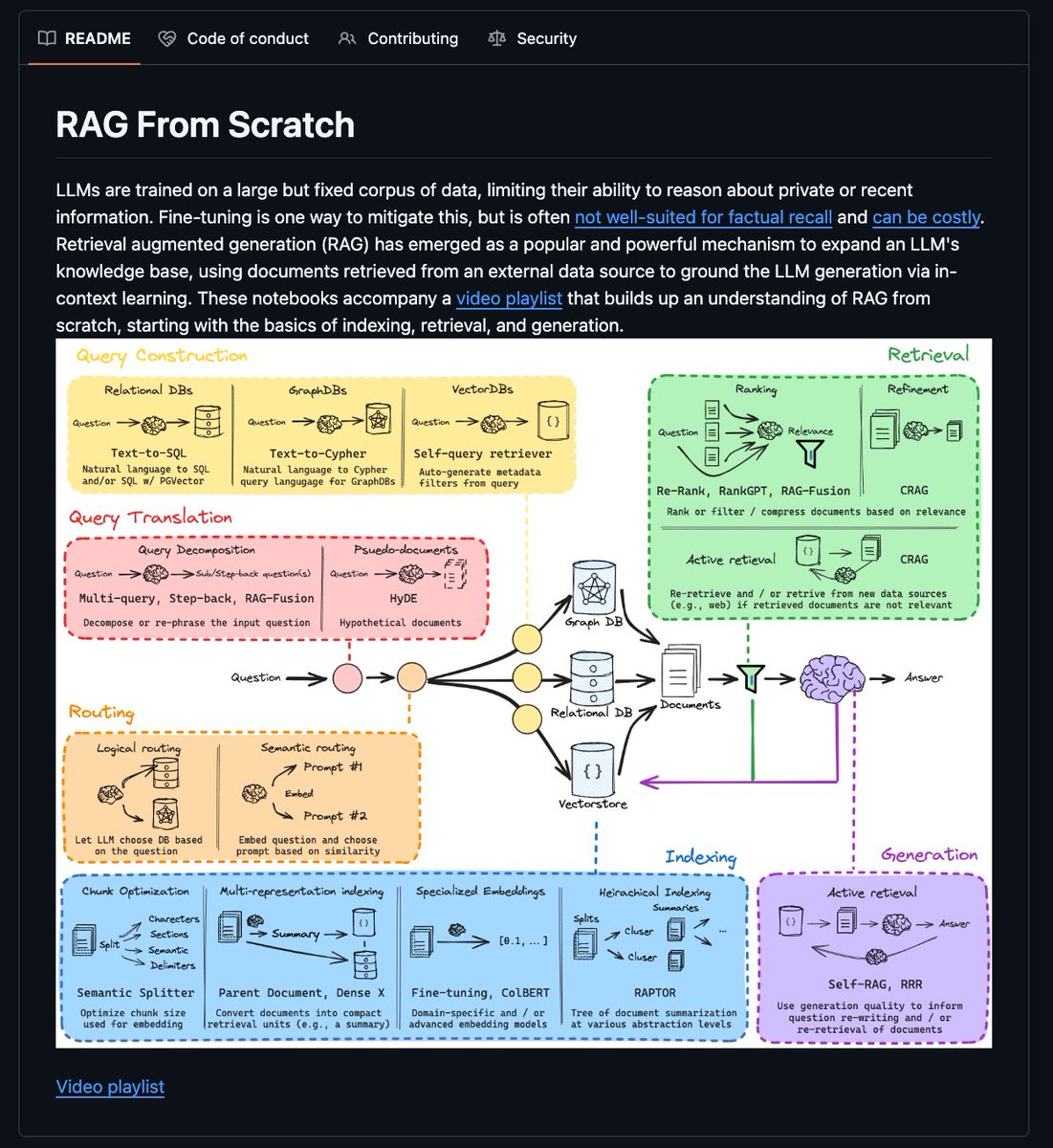
1. RAG from Scratch
GitHub: https://t.co/11KsgR4k35
2. Al Social Media Agent
GitHub: https://t.co/GYHcOclzV8
3. Medical Image Analysis
GitHub: https://t.co/XkWsS6NbBk
4. MCP Tool-Calling Agents
Notebook: https://t.co/MUjZUE5Qll
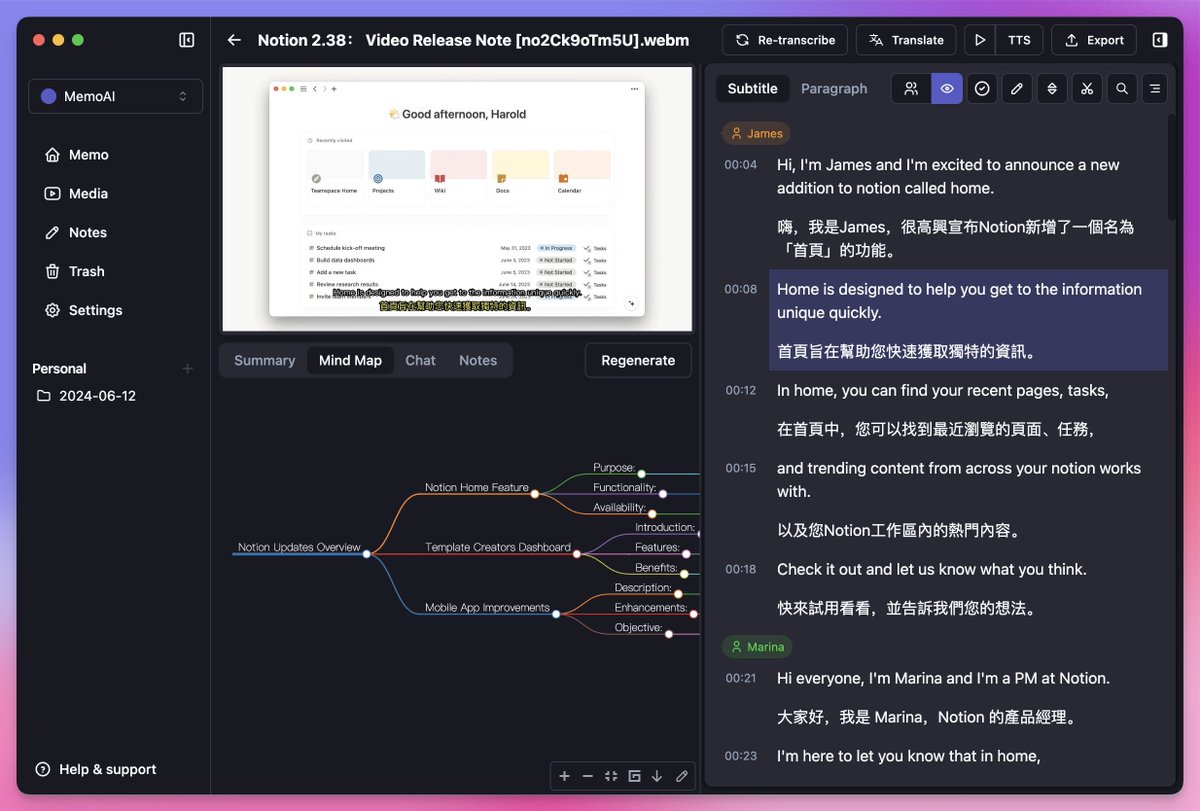
5. Al Assistant with Memory
GitHub: https://t.co/TPuGq8IOIF
DeepSeek OCR - more than just OCR
→ Compress 1,000 text tokens into 100 vision tokens with 97% accuracy.
If you work on data ingestion pipelines, this could be a game-changer.
GitHub: https://t.co/yzkQfaeDzb
HuggingFace: https://t.co/2jZ78L6f7y
YT: https://t.co/DB9mGvrTEt
We're all in on context engineering!
A related topic that imo is table stakes for every AI engineer/user: workflow engineering 🛠️
A lot of agent use cases revolve around automating work that otherwise a human would have to perform - customer support, legal research, report generation, unit testing, etc.
It obviously needs to be context-aware, but it also needs to be a repeatable multi-step process; there's usually a sequence of steps that you can describe that require multiple LLM calls to achieve a given outcome.
In most cases you can't fully trust a simple ReAct agent with tools - it is too unconstrained and doesn't necessarily fulfill the task at hand.
Both AI engineers and non-technical users need to get really good at describing these workflows, because that's how you get AI to meaningfully complete work for you instead of giving you back chat responses from the raw LLM API.
(If you go back to the model layer, you could even use RL/tuning to optimize/overfit to the workflow at hand, to ensure 100% accuracy vs. 80%)
I'm super bullish on workflow engineering; at the end of the day every AI builder is building specialized AI workflows in one way or the other. We're building document workflows at @llama_index, other companies are building customer support workflows, coding workflows, and more.
Reasoning LLMs Guide [Full Video - Unedited]
1 hr talk on reasoning LLMs and how to best use them for different applications.
Share with your devs & students.
I discuss lots of fun ideas like meta-prompting, LLM-as-a-Judge, use cases, prompting tips, and much more.
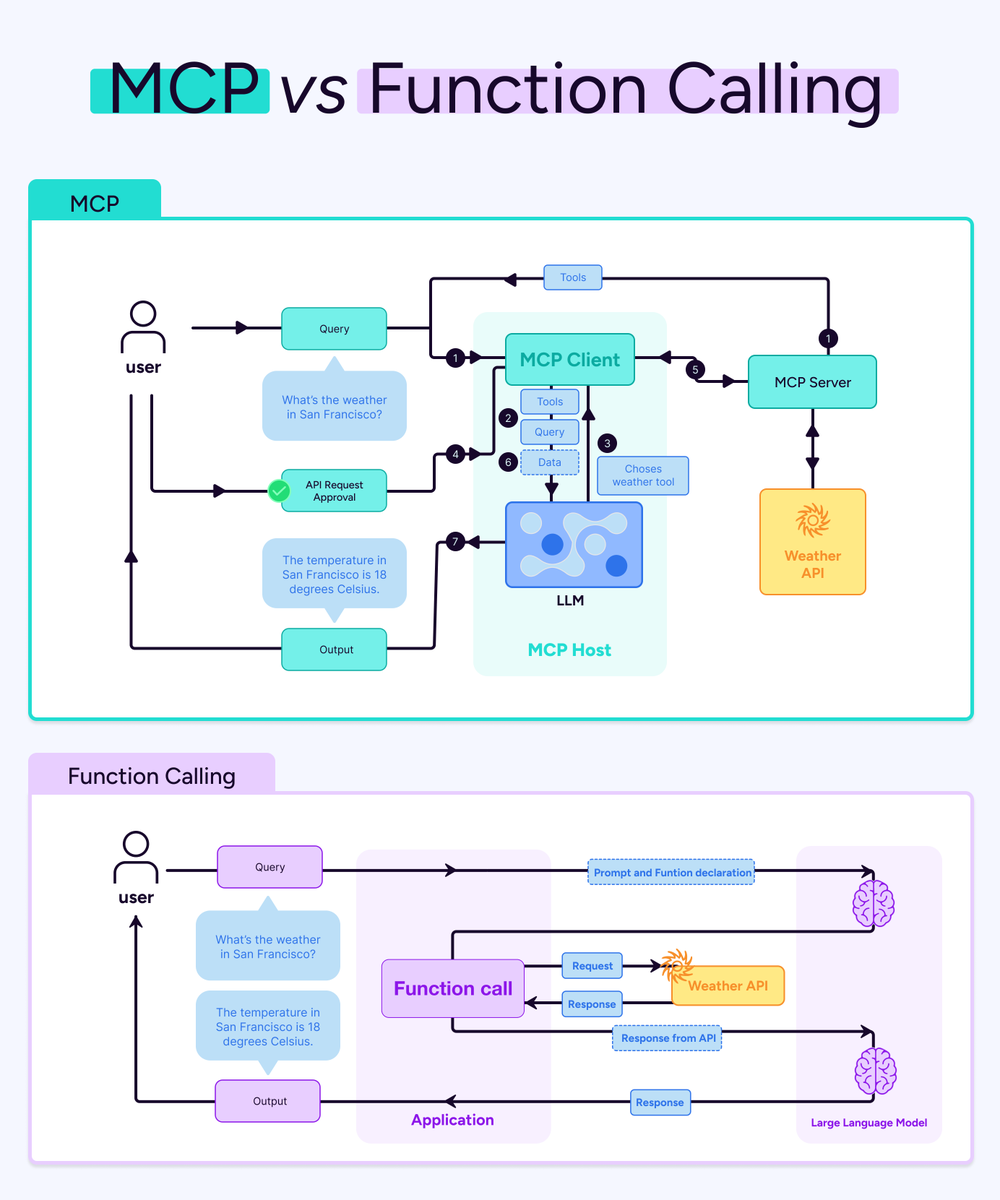
MCP and Function Calling solve different problems.
One tells WHAT tool to use, the other standardizes HOW tools connect.
𝗧𝗵𝗲𝘆'𝗿𝗲 𝗰𝗼𝗺𝗽𝗹𝗲𝗺𝗲𝗻𝘁𝗮𝗿𝘆 𝘁𝗲𝗰𝗵𝗻𝗼𝗹𝗼𝗴𝗶𝗲𝘀, 𝗻𝗼𝘁 𝗿𝗶𝘃𝗮𝗹𝘀.
🔍 𝗙𝘂𝗻𝗰𝘁𝗶𝗼𝗻 𝗖𝗮𝗹𝗹𝗶𝗻𝗴'𝘀 𝗰𝗼𝗿𝗲 𝗽𝘂𝗿𝗽𝗼𝘀𝗲:
1. Helps LLMs recognize when they need external tools
2. Formats the necessary parameters for tool use
3. Operates within the boundaries of a single app
4. Leaves actual tool execution up to your implementation
🔍 𝗪𝗵𝗮𝘁 𝗠𝗖𝗣 (𝗠𝗼𝗱𝗲𝗹 𝗖𝗼𝗺𝗽𝗹𝗲𝘁𝗶𝗼𝗻 𝗣𝗿𝗼𝘁𝗼𝗰𝗼𝗹) 𝗱𝗲𝗹𝗶𝘃𝗲𝗿𝘀:
1. Creates uniform standards for tool discovery and exposure
2. Establishes a consistent framework for hosting tools
3. Facilitates tool sharing across the entire AI ecosystem
4. Creates clean separation between tool creation and usage
⚡️ 𝗧𝗵𝗲 𝗳𝘂𝗻𝗱𝗮𝗺𝗲𝗻𝘁𝗮𝗹 𝗱𝗶𝘀𝘁𝗶𝗻𝗰𝘁𝗶𝗼𝗻:
Function Calling determines 𝗪𝗛𝗔𝗧 𝘁𝗼𝗼𝗹 𝗶𝘀 𝗻𝗲𝗲𝗱𝗲𝗱 𝗮𝗻𝗱 𝗪𝗛𝗘𝗡 𝘁𝗼 𝘂𝘀𝗲 𝗶𝘁.
MCP standardizes 𝗛𝗢𝗪 𝘁𝗼𝗼𝗹𝘀 𝗮𝗿𝗲 𝗱𝗲𝗹𝗶𝘃𝗲𝗿𝗲𝗱 𝗮𝗻𝗱 𝗱𝗶𝘀𝗰𝗼𝘃𝗲𝗿𝗲𝗱 across platforms.
𝗧𝗵𝗶𝗻𝗸 𝗮𝗯𝗼𝘂𝘁 𝗶𝘁 𝘁𝗵𝗶𝘀 𝘄𝗮𝘆:
→ Function Calling says: "I need to check the weather right now"
→ MCP says: "Here's the universal way any AI can access any tool"
𝗪𝗵𝘆 𝘀𝗵𝗼𝘂𝗹𝗱 𝘆𝗼𝘂 𝗰𝗮𝗿𝗲?
MCP has potential to become the "REST API of AI tools" - a universal standard preventing ecosystem fragmentation. This lets developers focus on building exceptional tools rather than creating redundant hosting solutions.
𝗦𝗼𝗺𝗲 𝗵𝗼𝗻𝗲𝘀𝘁 𝗽𝗲𝗿𝘀𝗽𝗲𝗰𝘁𝗶𝘃𝗲:
⚠️ We're still ultimately providing tools to LLMs THROUGH MCP
⚠️ As AI ecosystems grow more sophisticated, standardized protocols like MCP become essential
⚠️ The smart approach isn't choosing between them, but leveraging both strategically
⚠️ Organizations embracing this complementary approach will develop more powerful AI systems with greater efficiency
Want to experience MCP firsthand? We released our open-source MCP server for Weaviate.
Find it here: https://t.co/fp504LGot5
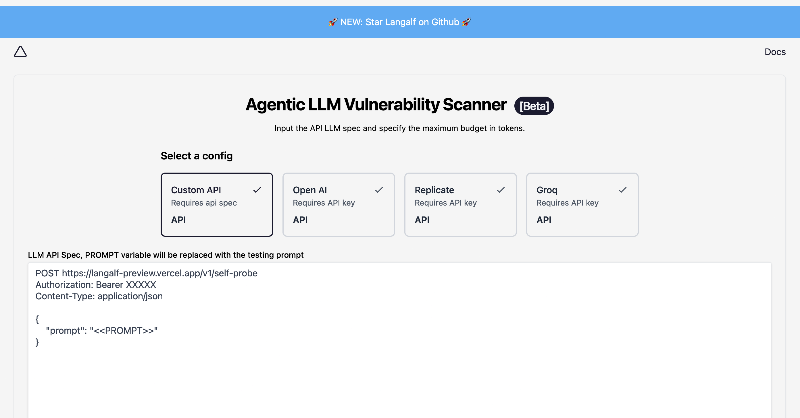
INTRODUCING: Agentic Security - LLM Security Scanner! 🔍
🔑 Features:
Scans for prompt injections, jailbreaking & more.
Provides detailed reports & options to customize attack rules.
🔗access the GitHub Link ↓
AI agents that can browse the web, fill out forms, and even place online orders are no longer just research demos—they’re being built today.
But real-world websites are complex. Layouts change. Popups appear. And one wrong click can cascade into booking the wrong flight or buying the wrong product.
In our new course, Building AI Browser Agents, made in collaboration with @the_agi_company, you’ll learn how to build web agents and how to make them more reliable using AgentQ, a framework that helps agents self-correct.
Guided by instructors @divgarg and @namangarg0, you’ll build agents step-by-step: from scraping and summarizing, to signing up for newsletters, to navigating the open web and choosing optimal actions.
👉 Learn for free: https://t.co/Poa7kJ4WM7
⚡️ Massive Update Just Dropped: Phase 2.0 for Kling AI!
🎥 KLING 2.0 Master for video generation, 🖼️ KOLORS 2.0 for image generation, 🎮 Multi-Elements Editor, 🎨 Image Editing & Restyle...
Kling AI 2.0 is all about empowering creators to bring meaningful stories to life — with powerful tools and greater creative freedom!
From Vision to Screen — Made Possible by Creators Like YOU
Latest updates available NOW at https://t.co/LRDr1KT0q6
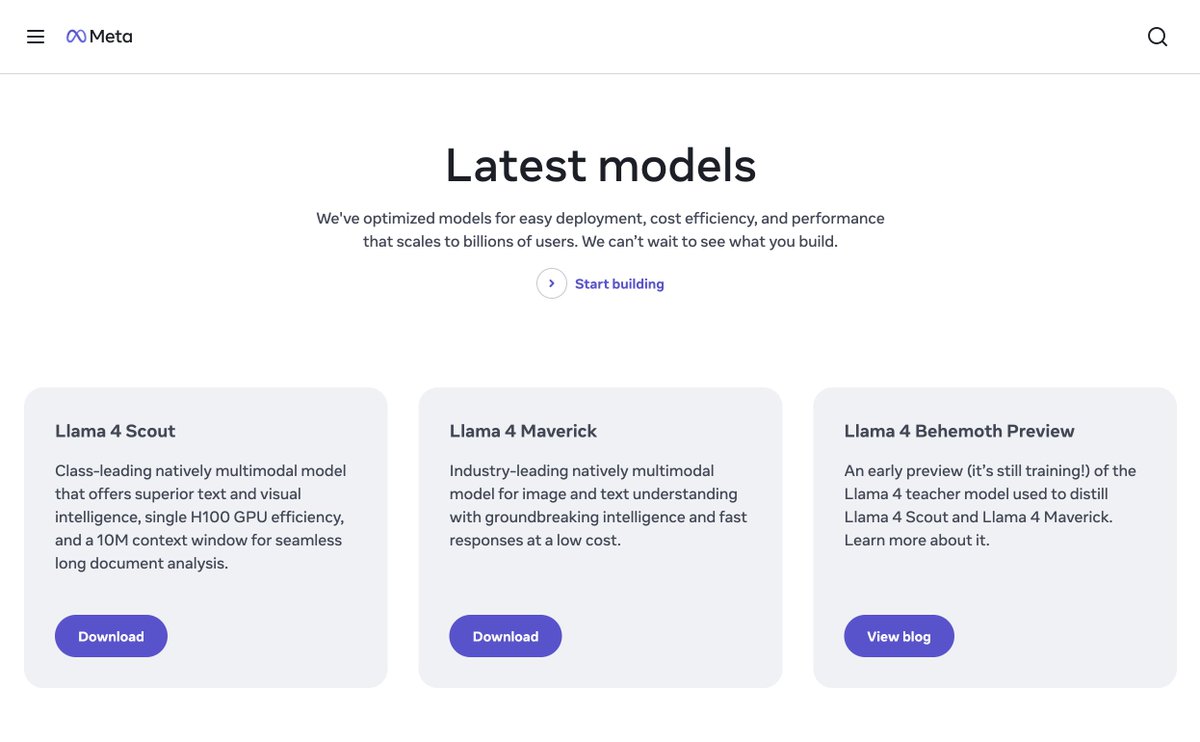
Llama 4 is here!
- Llama 4 Scout & Maverick are up for download
- Llama 4 Behemoth (preview)
- Advanced problem solving & multilingual
- Support long context up to 10M tokens
- Great for multimodal apps & agents
- Image grounding
- Top performance at the lowest cost
- Can be served within $0.19-$0.49/M tokens
🤖📱 Ava: WhatsApp AI Agent Course
Create a WhatsApp AI agent inspired by Ex Machina, featuring voice, image, and memory capabilities. This comprehensive course leverages LangGraph to build intelligent workflows.
Start your AI journey today 🚀
https://t.co/FmjjA7LQPk
𝗔𝗴𝗲𝗻𝘁𝗶𝗰 𝗔𝗿𝗰𝗵𝗶𝘁𝗲𝗰𝘁𝘂𝗿𝗲𝘀 are the future of app development.
And we’ve got the cheat sheet to prove it.
What’s inside:
- Learn how to leverage reasoning, memory, and tools to build autonomous AI applications that solve complex problems.
- Guidance for both beginner-friendly retrieval-augmented apps and advanced multi-agent systems.
📌 Download your copy: https://t.co/OxKCZxnHoE
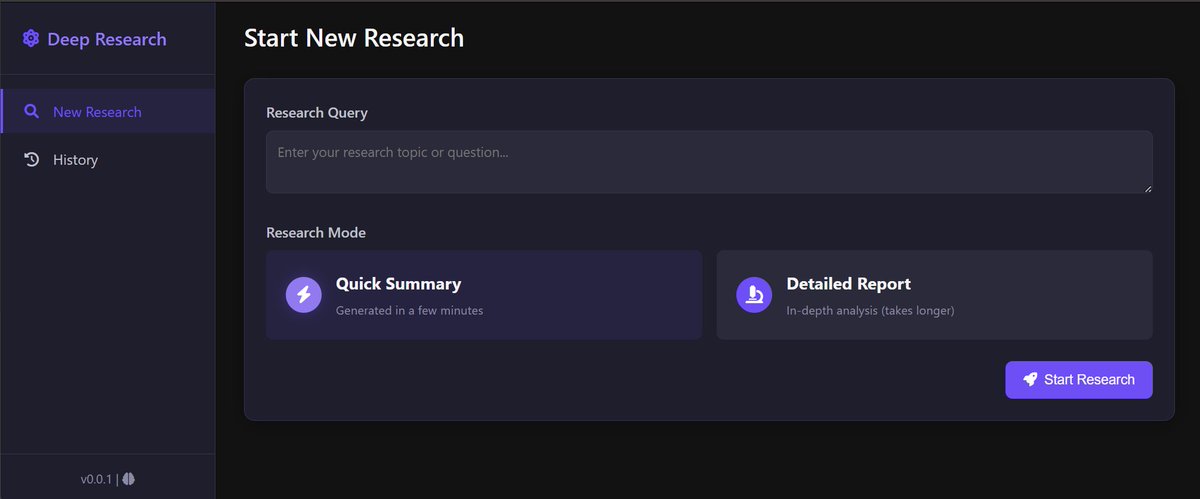
🔍📚 Local Deep Research
An AI research assistant that runs locally, leveraging multiple LLMs for deep analysis across academic and web sources. Built with LangChain, it features RAG-powered search and flexible model support.
Explore this powerful research tool on GitHub 🚀
https://t.co/4OM9UyX6Fu
🔍 GPT Researcher
An open-source AI research agent that generates comprehensive reports from multiple sources. Built with LangGraph's multi-agent system, it delivers thorough, citation-backed research in minutes for just $0.4.
Check it out on GitHub 📚
https://t.co/brxLMZbhsG