With feigned pout, Rhaenys's gaze withdrew from the warrior's, yet so dear features of her sister's face, shifting to her mighty dragon, of whom she was not at all afraid.
Her soft palm pressed harder against the breastplate.
⤸
Corner of her lips curves upwards — the sight of her sister-wife brings warmth that fills her from within. She brings her palm to lips, bites one finger to remove the leather glove easily and lets that hand slide down Rhaenys' waist.
"Vhagar grows tired. I must let >
“ Vhagar must be getting lazy, it seems. And I would assume you returned early because you missed me. It couldn't be otherwise. ”
It sounded presumptuous, but she truly believed so. After all, throughout her entire childhood
⤸
/ There's no real evidence of hatred in the sources, only the absence of warm sisterly scenes, and people fill that absence with the most dramatic interpretation available because they're used to stories about women who can't stand each other.
/ I don't believe Visenya hated Rhaenys, and I think the people who insist otherwise are the ones who love reducing female characters to rivalry that simply isn't there.
/ is a shared enterprise where each woman had her own sphere and her own value. The rivalry reading also tends to flatten Visenya into a jealous, bitter woman and Rhaenys into a sweet victim, which erases the actual complexity of both characters and replaces it with a trope.
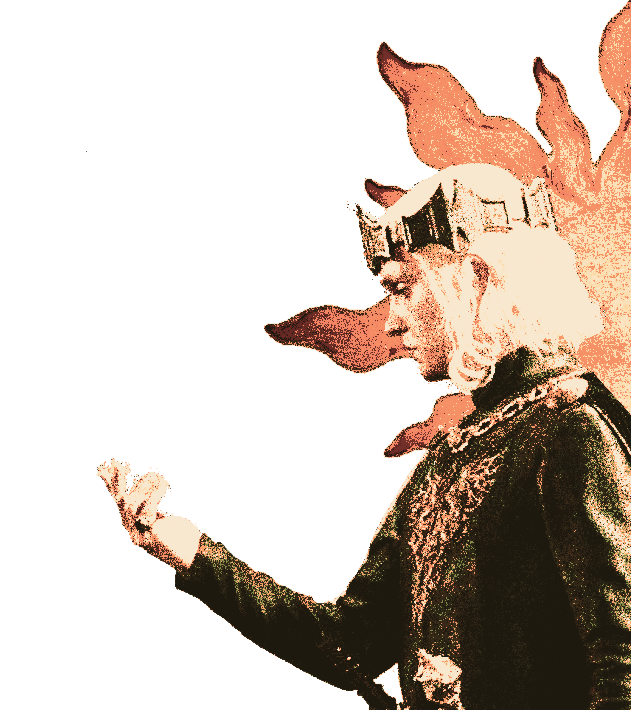
Visenya's return is accompanied by a pleasant feeling in Rhaenys's chest, as if one of the parts of her being can breathe freely again.
Her fragile-looking figure approaches the warrior, touching her breastplate without any remorse,
⤸
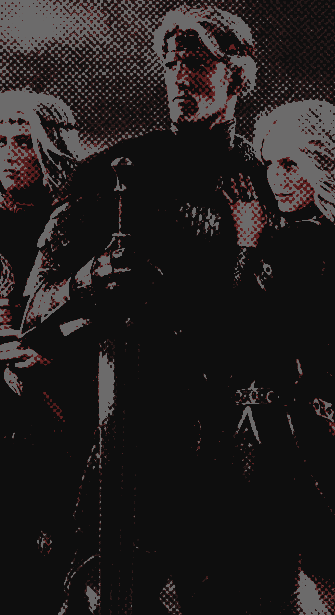
Heavy boots hit against the ground as Visenya descents from Vhagar's saddle.
She's greeted by servants, by a royal guard but she dismisses them with a wave of hand.
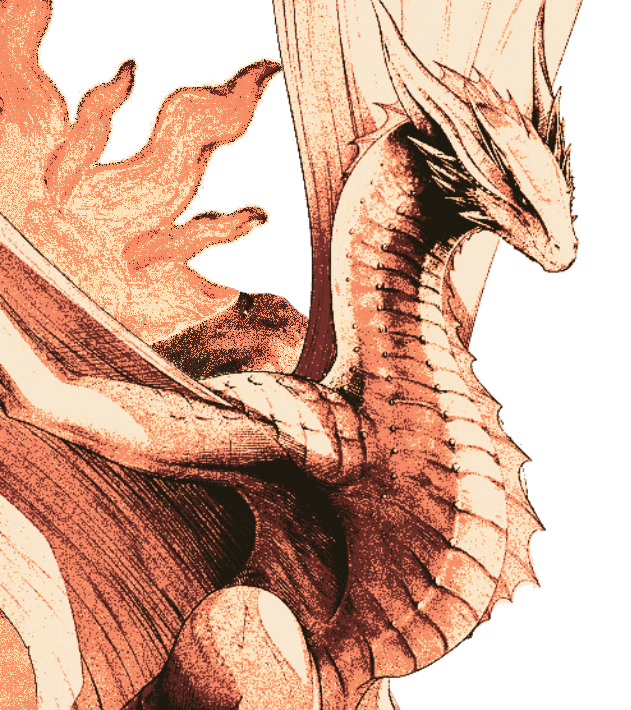
The dragon roars, entirely as if hurrying them all to leave quicker.