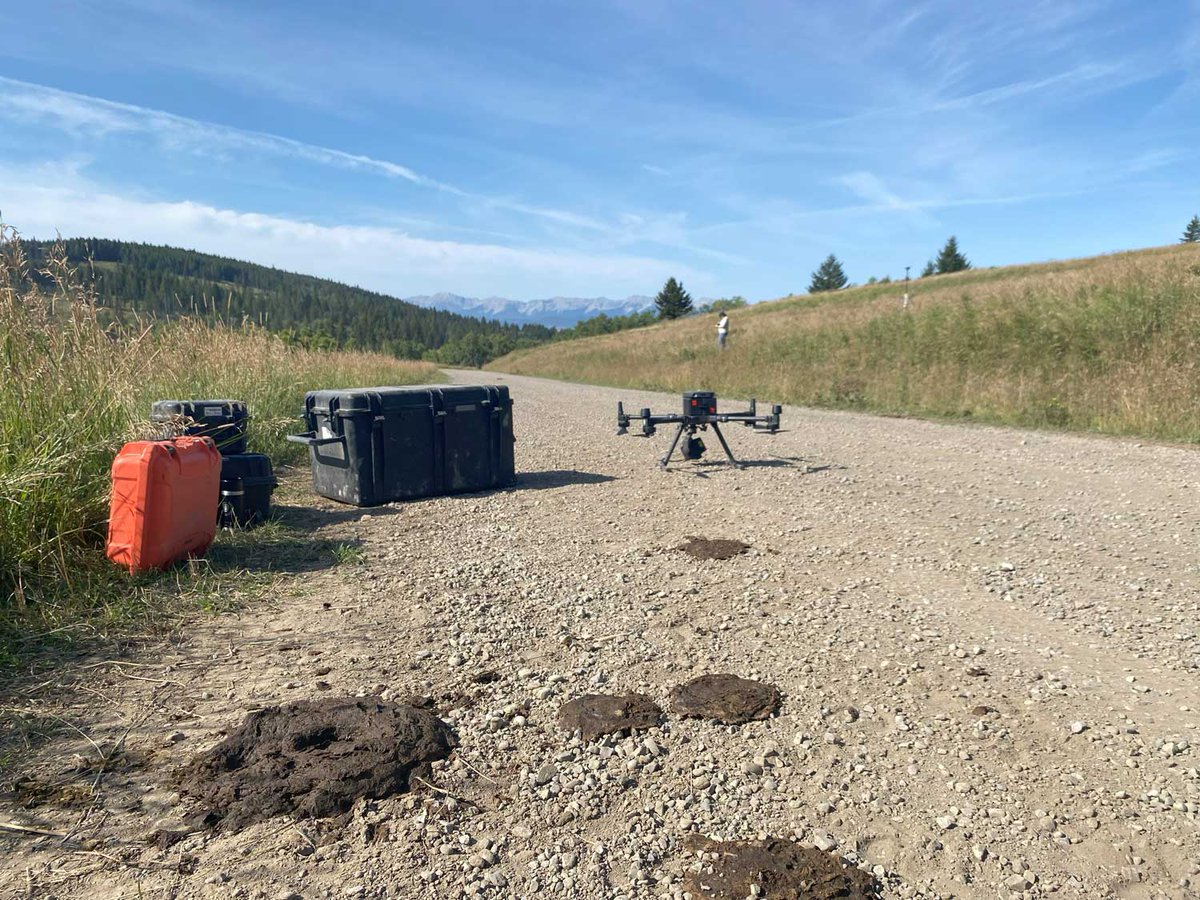
The 2026 field season launched this month, and Sue is back to tell us about it! What's new this year, what makes field work special, and what's the latest on Sew the cat? Photos and answers in the first blog:
https://t.co/5FHfq7IVnI
Help author the next chapter for the Healthy Landscapes Program which has, for over 30 years, explored the application of EBM principles and built partnerships with dozens of land management organizations, NGOs, and universities. Apply by June 15, 2026.
https://t.co/q1Xgj7o1rA
If you're at the @CSEE_SCEE 2026 conference @UofT, you can catch preliminary results from 2 of our projects:
1⃣ What's affecting moose population trends
2⃣ The accuracy vs time sweet spot for #AI image classification
It's World Bear Day! Since 1998 we have been on the forefront of grizzly bear reserach in Alberta, learning about the species, honing our methods, and finding answers to better manage this threatened species.
SPOILERS BELOW
.
.
.
.
.
This footage is from one of our summer 2025 surveys in the Willmore Wilderness. Our Water and Fish Program is working all along the eastern slopes to improve our understanding of Alberta's streams.
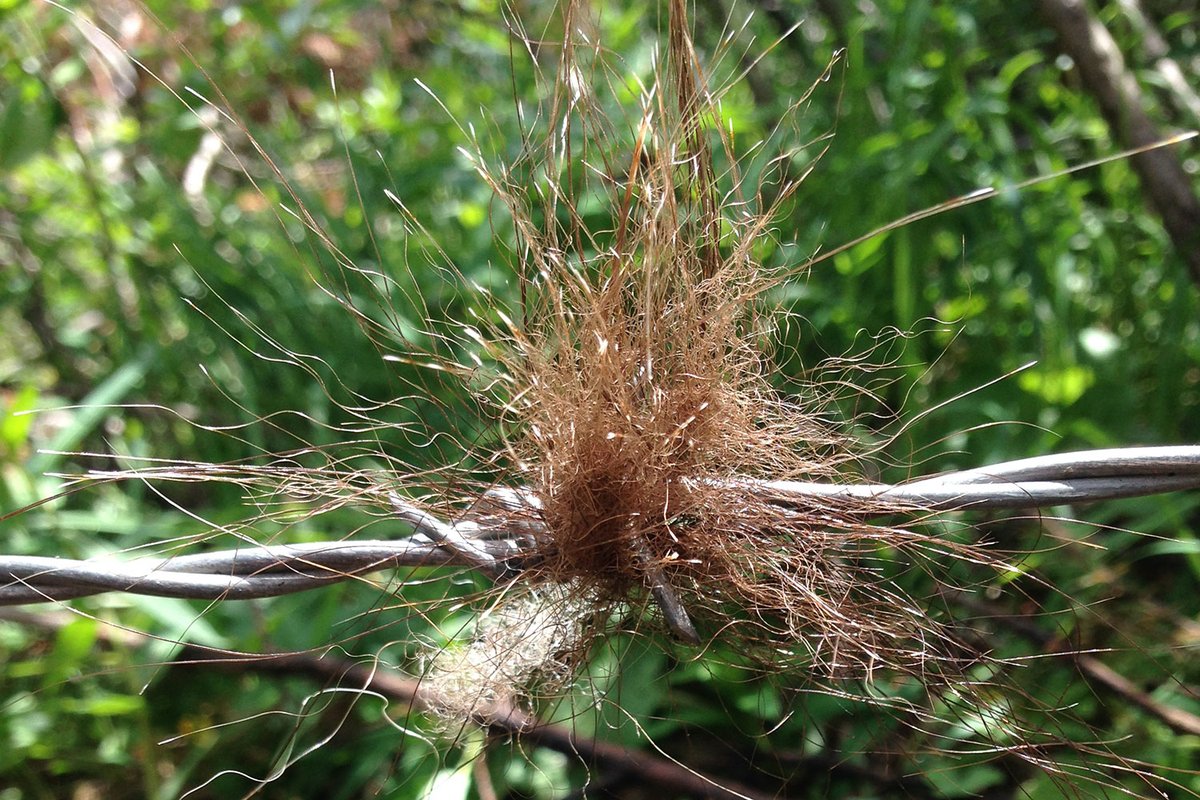
As grizzly bear hair grows, circulating hormones are deposited, leaving a signature of the bear and what it was experiencing. We're learning how to decode those hormone profiles to better understand what drives population changes.
https://t.co/VhyVV8pLmq
With V-Day just passed, here's some Fisher (𝑃𝑒𝑘𝑎𝑛𝑖𝑎 𝑝𝑒𝑛𝑛𝑎𝑛𝑡𝑖) reproduction facts:
🧬 Mates in early spring
⏳ Delayed implantation ~10 months
🌸 Kits born ~1 year after mating
🍼 Females mate 7–10 days after giving birth, so they can be pregnant almost year-round
A BDA mimics a natural beaver dam. By holding more water on the landscape, they can increase available habitat for native westslope cutthroat trout and provide more reliable water for cattle grazing. Read more here: https://t.co/0uA26bsK6D
Happy #FieldworkFriday! Last fall, we headed to southern AB to collect baseline data on a tributary of Sharples Creek. Here, Freshwater Conservation Canada will install beaver dam analogs (BDAs). Ever heard of these before?