We wasn’t PE . We wasn’t RAGE . We wasn’t CYPRESS. We was definitely different and spitting playing making a difference..look around now #FAFO@prophetsofrage
History illuminated at the New York Public Library ✨📜
To celebrate America’s 250th anniversary, the façade of the New York Public Library transformed into a living canvas, illuminated with the timeless words of the Declaration of Independence. July 1-7
Happy Canada Day, friends🧡! Posting this important video to mark the day and celebrate. It brings together Indigenous cultures and the cultures of people who have been settled here for a long time and those who arrived more recently—showing love, harmony, and unity among all when we create something beautiful together.
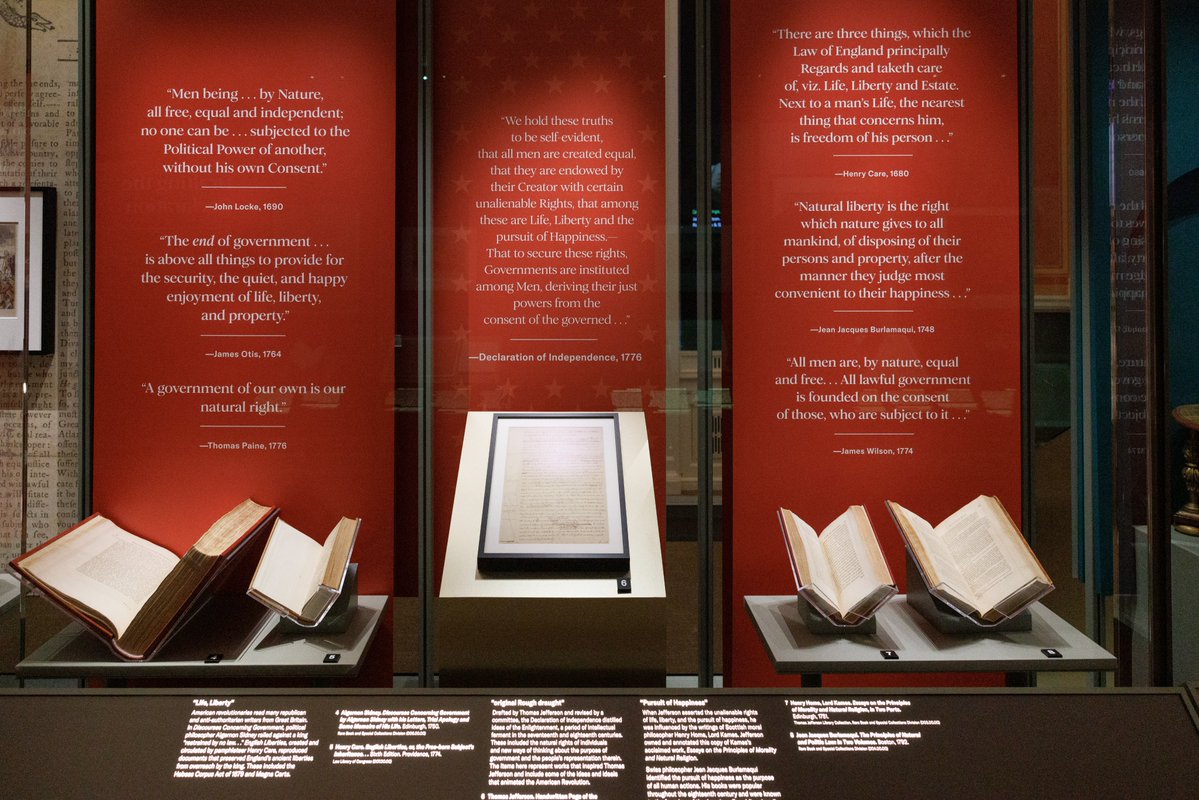
NEWS: A new exhibition, “The Declaration’s Promise: A Revolutionary Idea,” opens July 3 at the Library of Congress, exploring the principles of the Declaration of Independence and their impact on American history over the last 250 years.
https://t.co/POq8zUhLN0
48 years ago today, on July 1, 1978, the Rolling Stones, Kansas, and Peter Tosh headlined Game 1 of the 1978 World Series of Rock at Cleveland Municipal Stadium. A crowd of 83,000 fans attended, setting the record for the largest rock concert audience in Cleveland at that time.
After a fierce competition and more than 500,000 votes later, it’s official. Your favorite neighbor is back! Originally issued in 2018, the Mister Rogers Stamp was an instant fan favorite. From sharing and friendship to dealing with tough times, Mister Rogers always connected through kindness. Get your Mister Rogers stamps and other stamp-inspired products today, including a new souvenir sheet featuring four brand-new stamps at https://t.co/DewqDz5EwF
Archival footage of Dublin in 1915, capturing the city's streets, trams, horse drawn carriages and people going about their daily lives before the Easter Rising.
Footage: J. Gordon Lewis for British Pathe
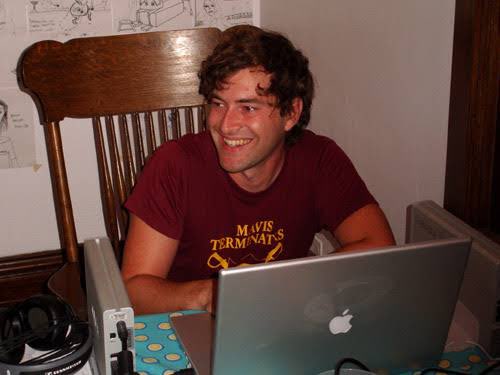
This is me 20 years ago. I am filming (and sleeping) in this rental house with friends. The Puffy Chair has recently premiered at Sundance. I am in a healthy relationship with the love of my life. After years of relentlessly pushing myself through the struggle, everything is finally working. I look so happy. Everyone can see it and is commenting on it.
Not long after this picture is taken is when I have a nervous breakdown. I don't see it coming. It brings me to my knees. Thankfully, the story ends well. I'm able to build myself back up with therapy, medication, exercise, consistent sleep, etc. In some ways, that breakdown was a gift to help me become the person I am now. It certainly made me a kinder, gentler father/husband/friend/collaborator/mentor. But it almost broke me.
Today is the last day of Men's Mental Health Month. Please remember that you can't always see what's going on from the outside. Sometimes it looks "happy." Check on your loved ones. Check in with yourself. And if you or someone you know is heading somewhere scary, @988Lifeline is a text/chat/call away.
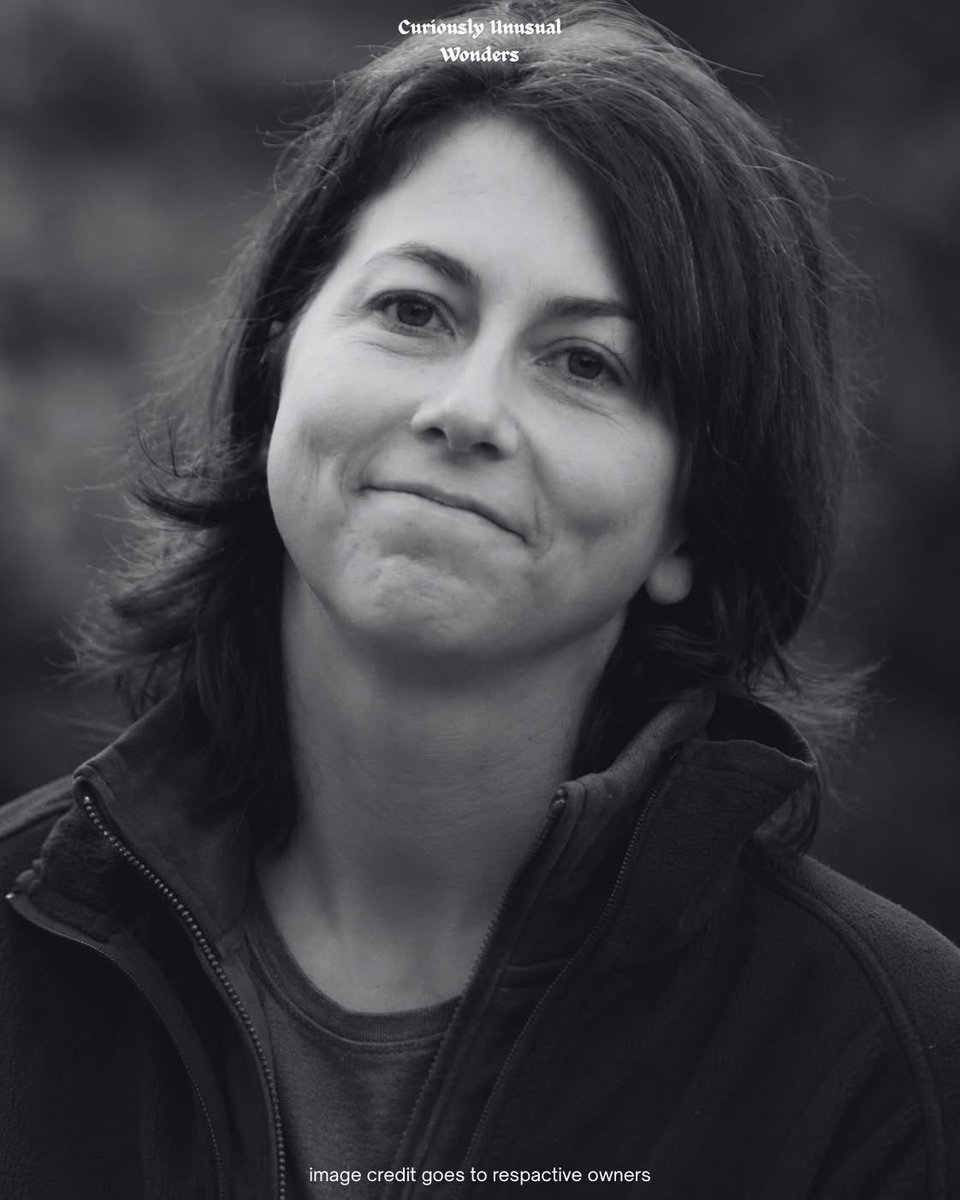
A young woman named MacKenzie Tuttle graduated from Princeton in 1992 with a degree in English. One of her professors was Toni Morrison, who later described her as one of the finest creative writing students she had ever taught.
After graduation, MacKenzie took a job at the New York investment firm D. E. Shaw. There she met a colleague named Jeff Bezos, who had an ambitious idea: selling books on the internet.
She didn’t laugh at the idea.
They married in 1993, and the following year drove across the country to the Seattle area to build what would become Amazon.
In the beginning, there was no global empire.
There was a garage.
MacKenzie handled accounting, wrote business materials, answered customer emails and phone calls, and packed orders alongside Jeff. Like many startups, everyone did whatever needed to be done.
As Amazon grew, MacKenzie stepped away from day-to-day operations to raise their four children while continuing to pursue her own passion for writing.
Her debut novel, The Testing of Luther Albright, won the American Book Award. She later published a second novel and quietly built a respected literary career.
Meanwhile, the story of Amazon became one of the most famous business stories ever told.
Jeff Bezos became one of the world’s most recognizable entrepreneurs.
MacKenzie’s role was rarely part of the public narrative.
She never seemed interested in changing that.
What many people don’t know is that she also knew financial hardship.
Her family filed for bankruptcy while she was still a student, and she has spoken about the kindness of people who helped her through difficult times—acts of generosity she never forgot.
In 2019, after her divorce, MacKenzie Scott received approximately 4% of Amazon’s shares.
Almost immediately, she made a decision that surprised the world.
She signed the Giving Pledge, promising to donate the majority of her wealth during her lifetime.
Then she did something even more unusual.
Instead of building a massive public foundation or attaching her name to buildings, she began giving away billions of dollars through large, unrestricted grants.
Universities.
Food banks.
Housing organizations.
Rural communities.
Women’s health initiatives.
Tribal colleges.
Climate organizations.
Small nonprofits that had never imagined receiving gifts of that size.
Many recipients reportedly thought the phone calls were scams.
They weren’t.
Since 2019, MacKenzie Scott has donated tens of billions of dollars to thousands of organizations, making her one of the most significant philanthropists of the modern era.
Despite giving away enormous sums, her fortune has remained substantial because of Amazon’s continued growth.
The woman who once packed Amazon’s first orders is now helping fund opportunities for millions of people she will probably never meet.
She never asked for buildings in her name.
She never demanded headlines.
Sometimes the greatest legacy isn’t the company you help build.
It’s what you choose to do with the success that follows.
A beach in Manhattan, right beside the World Trade Center, photographed in 1977.
Before Battery Park City was fully developed, the landfill near the Twin Towers temporarily became an accidental stretch of sand where New Yorkers sunbathed, read newspapers, and looked out over the Hudson.
For a short time, Lower Manhattan had a beach in the shadow of the towers.