PGY- 2 Anesthesiology Residency I'm a passionated health care provider willing to help and save many lives by providing cares to patients in need everywhere.
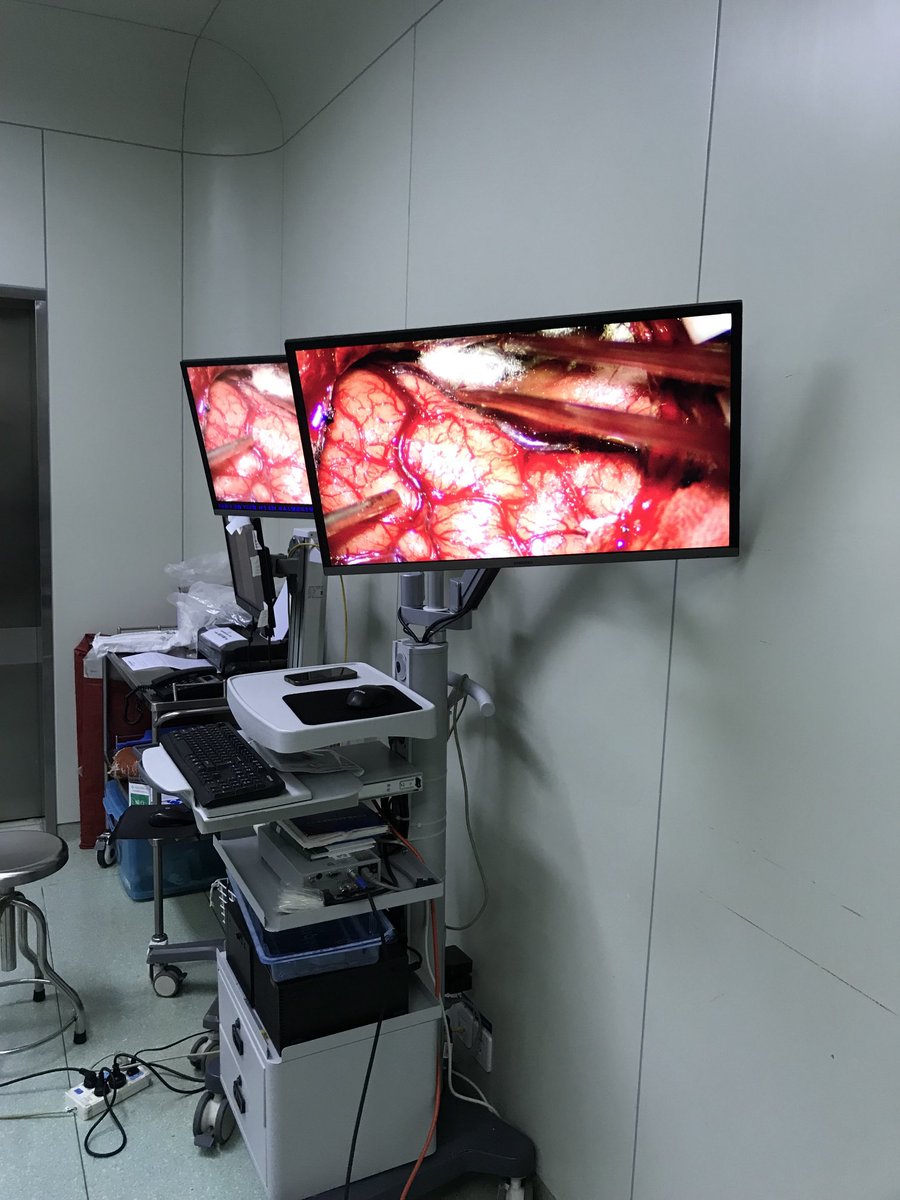
First year validated and starting my journey as A Neuro-Anesthetist with Research in Postoperative Neurological Disorders in Elderly Patients ( Postoperative Cognitive Dysfunction).
🌍✨ Exciting times ahead! The next #AFSRA25 is coming to Algeria 🇩🇿, bringing together an outstanding lineup of speakers from across the globe.
📢 Get ready for cutting-edge insights, hands-on learning, and inspiring discussions in #regionalanaesthesia
Common pitfalls in airway management
📌I can intubate all my patients with VL
📌I am experienced (but do you have expertise?)
📌Incomplete airway assessment (only looking at anatomical factors)
📌Incomplete airway strategy (no transition points defined)
📌Intubating without muscle relaxants
📌Incomplete pre-oxygenation
📌Awake intubation indicated but not done
📌Underestimation of risk of high BMI
📌Call4help not done in time
📌Never practised EFONA
📌SGA used but tube was indicated
📌No peri-oxygenation technique used
#airwaytriage #patientsafety #meded
🔴NEW MEDICAL RESEARCH OPPORTUNITY
Medical Students, IMGs, AMGs, Residents, Fellows, Hospitalists & Physicians
We are conducting 12 NARRATIVE REVIEW Studies & 5 META-ANALYSIS Research Modules in Sept 2025
We aim to train beginners under the supervision of renowned Institutes.
Modules available for the following Medical Specialties :
Internal medicine, family medicine, pediatrics, general surgery, orthopedic surgery, neurosurgery, plastic surgery, cardiology, neurology, psychiatry, emergency medicine, critical care medicine, anesthesiology, radiology, dermatology, gastroenterology, endocrinology, nephrology, rheumatology, hematology-oncology, pulmonology, infectious diseases, obstetrics and gynecology (OB-GYN), urology, otolaryngology (ENT), ophthalmology, pathology, allergy and immunology, sports medicine, palliative care, nuclear medicine, occupational medicine, preventive medicine, and rehabilitation medicine (PM&R)
Target Journals: Impact Factor journal (PubMed)
Duration: 6 weeks
Start date: Sept 05/2025
If interested, comment below with your specialty, and our research program coordinator will contact you.
Disclaimer: Please do not reach out for Ghost Authorships.
Authorship will be based on ICMJE Guidelines & IMGHH Author Ranking Criteria.
Causes of a Non-anion Gap Metabolic Acidosis. https://t.co/gM2Cu6oCfG
Non-anion gap metabolic acidosis (NAGMA), also known as hyperchloremic metabolic acidosis, results from either the loss of bicarbonate or the excessive retention of chloride. The most common cause is gastrointestinal bicarbonate loss, frequently due to severe diarrhea, ileostomies, or fistulas. Another major category includes renal tubular acidosis (RTA), where the kidneys fail to either reabsorb bicarbonate (proximal RTA, Type 2) or excrete hydrogen ions (distal RTA, Types 1 and 4). Other causes include the rapid administration of large volumes of chloride-rich fluids (e.g., normal saline), certain medications like carbonic anhydrase inhibitors (e.g., acetazolamide), and hypoaldosteronism. A thorough patient history and laboratory evaluation are essential for accurate diagnosis.
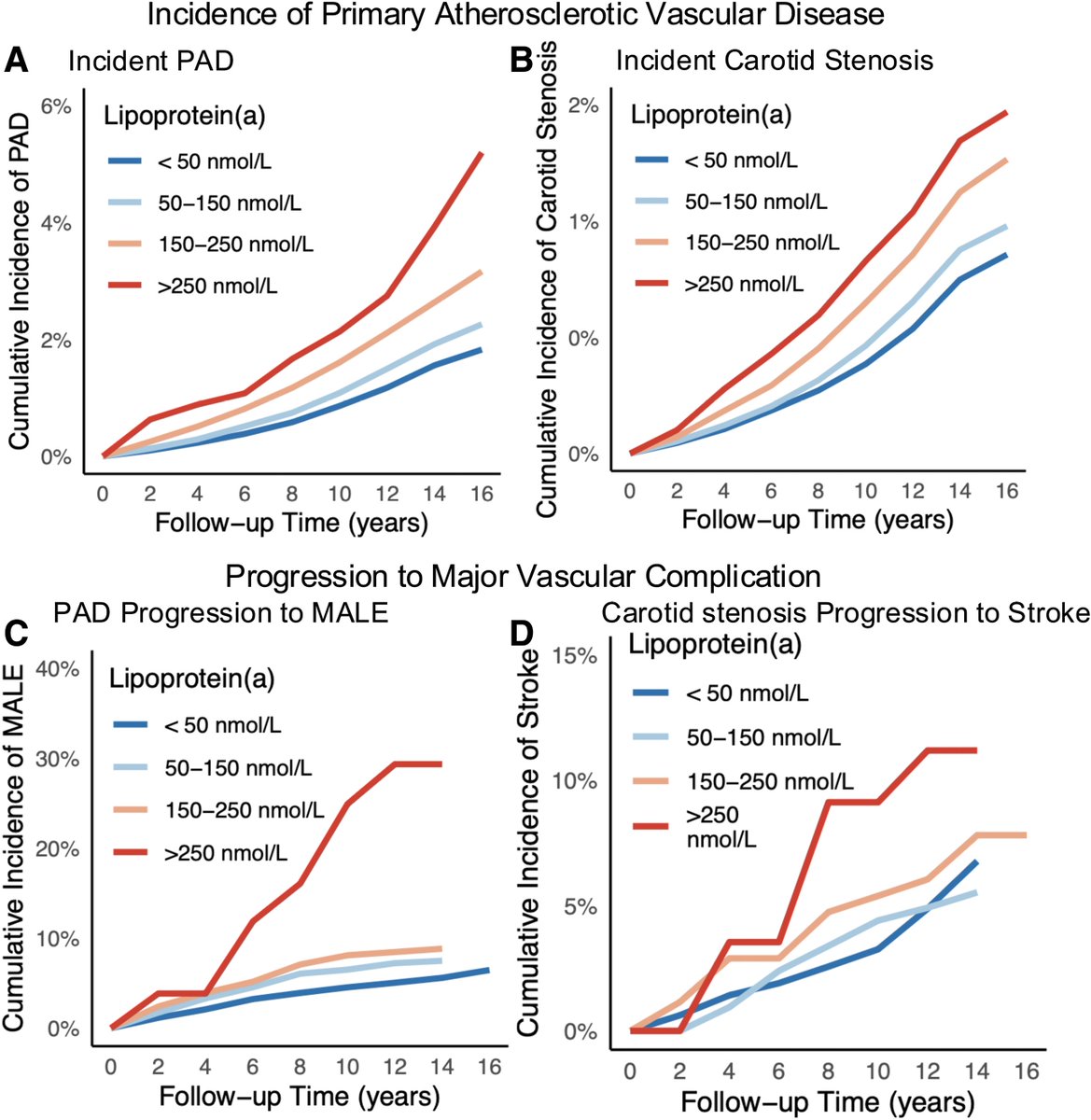
Lp(a) as a Prognostic Marker of ASCVD Progression
New study with 460k participants showed that:
1️⃣ Median Lp(a) Levels:
1) No Vascular Disease: 19.5 nmol/L
2) Incident PAD: 25.3 nmol/L
3) PAD to MALE: 33.3 nmol/L
4) Incident Carotid Stenosis: 29.5 nmol/L
5) Carotid Stenosis to Stroke: 37.8 nmol/L
2️⃣ Risk per 75 nmol/L Lp(a):
PAD: 18% increased risk
Carotid stenosis: 17% increased risk
3️⃣ PAD Progression to MALE: High Lp(a) = 57% higher risk vs. normal Lp(a)
@NutritionMadeS3@DrNadolsky@DrKarlNadolsky@drmatthewnagra@MichaelAlbertMd@maciejbanach@drpablocorral
Study Link: https://t.co/EwzzBgCRHY