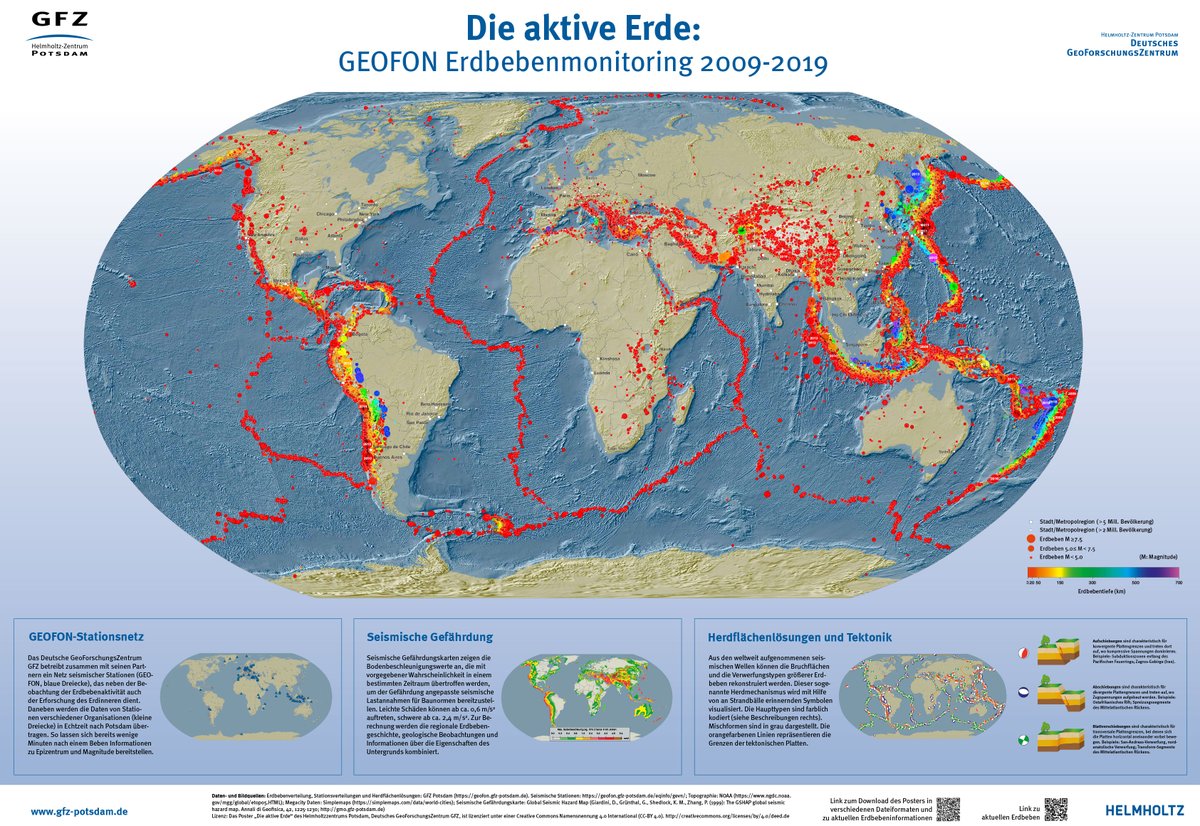
New poster on worldwide #seismicity based on @GFZ_potsdam 's #GEOFON#earthquake monitoring just published. Currently only in German, English version in preparation: https://t.co/FymFvMz9qf
Hires pdf: https://t.co/4G19fqKEly
An early tsunami warning system? @MichiganEarth researcher @zackspica and colleagues from @CalTech used fiber optic cables that ended in Oregon to detect a tsunami that occurred 1,300 miles east of the tip of South America. https://t.co/ZCQUqFp8vH
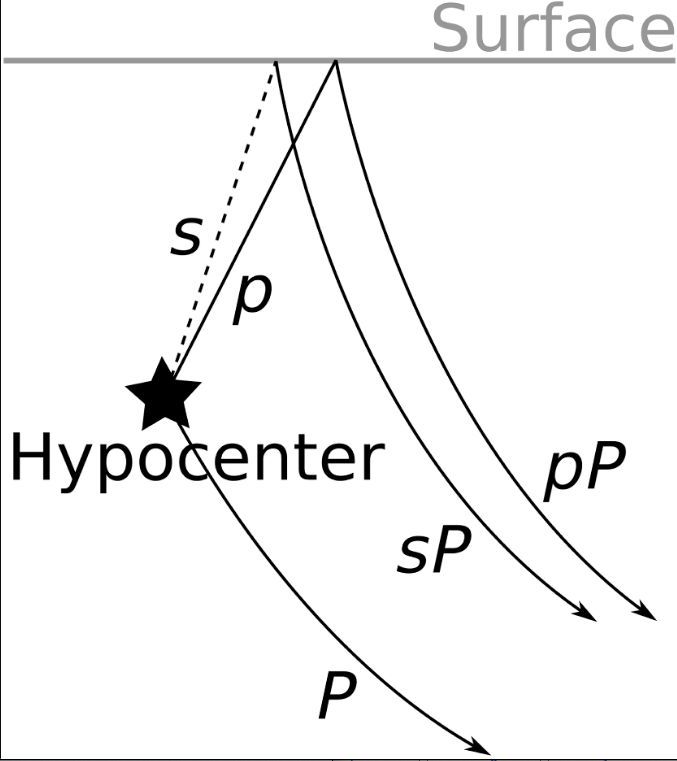
DepthPhaseTEAM and DepthPhaseNet are two deep learning models that can help scientists better constrain depth of seismic sources. @jannes_munch, Joachim Saul and @f_tilmann of @GFZ_Potsdam present these models in this new #SRL paper.
https://t.co/RgGR6VFGj2
@GFZ_Potsdam Gratulation. Wo kann man denn diese wunderbaren GFZ Jacken bekommen? Dies wären auch bei Feldarbeit von Nutzen, um klar als GFZler erkennbar zu sein.
SeisBench v0.5.0 is out with new models, new datasets, new features, and performance improvements. Thanks to all contributors! Got a contribution for machine learning in seismology for v0.6? Submit a PR on Github!
https://t.co/MBIo4NPnWe
#IUGG2023 GFZ booth: Angelo Strollo (r.), our expert for the worldwide GEOFON network, helpes explain how we detect earthquakes all over the world. Come by and meet him today.
More about GEOFON
👉https://t.co/dle7FdpDVE
and the Earthquake Explorer
👉https://t.co/8wczUyYAAb
We are looking for new colleagues in the seismology group at GFZ Potsdam. 6 days left to apply (apply by 30 April)
Postdoc Fibre-Optic Sensing and Seismology
https://t.co/G4IOZ4ptQy
Software Developer (Web service development for ORFEUS/EIDA)
https://t.co/U1peg28D1j
Was a pleasure sharing the panel discussion on how machine learning can be brought to operation in real timeseismic monitoring with @GregBeroza @zhuwq0 @RetailleauLise and Kris Pankow at #SSA2023 in Puerto Rico. https://t.co/lRXOfhX9By
New preprint and new SeisBench release are out! We've added ocean-bottom seismometer data and models to SeisBench. They can be used just as the land-based models but can use hydrophone data and show clear picking performance improvements.
https://t.co/bn9Ym5dA30
Our paper on analysing the crust in the Eastern Alps with receiver functions is published now. Exploiting the dense SWATH D seismic array, Moho depths were determined from CCP images of SV and SH RF & multiples. #AlpArray#4DMB@GFZ_Potsdam https://t.co/7FPrb4hYIY
Courtesy of chatGPT, here is a Haiku summarising this paper:
Tectonic debates,
Eastern Alps structure unclear,
Seismic array helps.
Unfortunately article not open source, please DM if you are interested in a reprint.
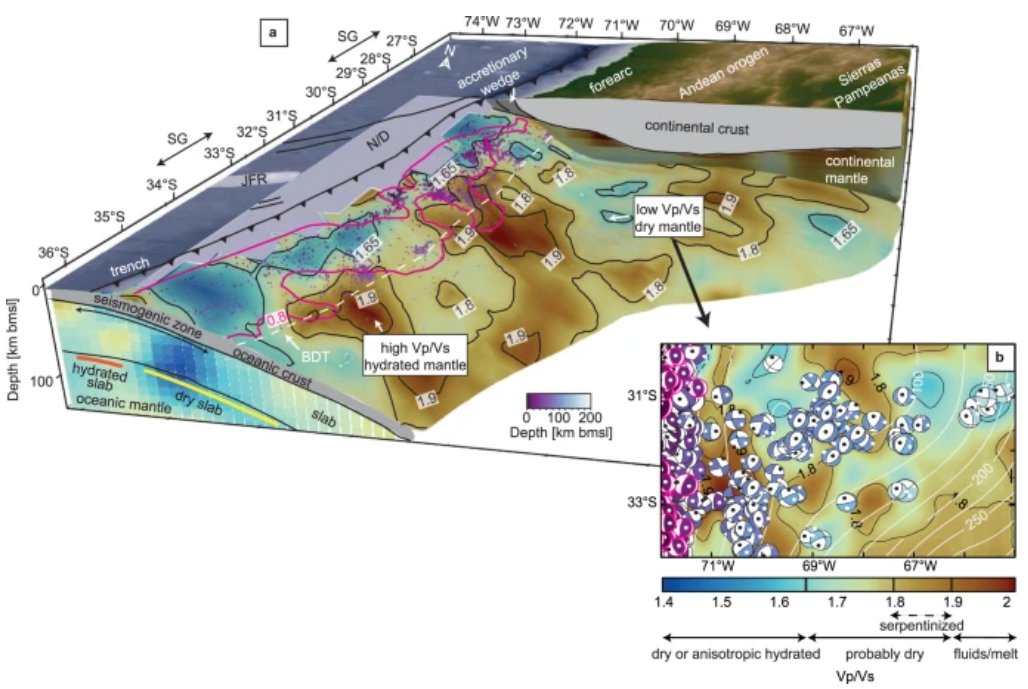
Seismicity in subducted slabs is principally controlled by compaction and dehydration reactions in regions of hydrated mantle and by enhanced flexural stresses in regions of anhydrous mantle
@crpiceda @f_tilmann@GFZ_Potsdam
https://t.co/HJnzr9u9xV
Congrats @jannes_munch for winning the Adlershof dissertation award. https://t.co/ido22vOYpe. Jannes did a great job presenting his research into rupture predictability and earthquake early warning using Deep-Learning to non-specialists. @GFZ_Potsdam @heibrids @Geo_X_
As a service to those researching, responding and speaking to the public about the 6 Feb. 2023 earthquakes in Turkey, we have compiled several articles related to the faults in the region. These papers will be FREELY available until 14 Feb.
https://t.co/cCCjig5Kxj