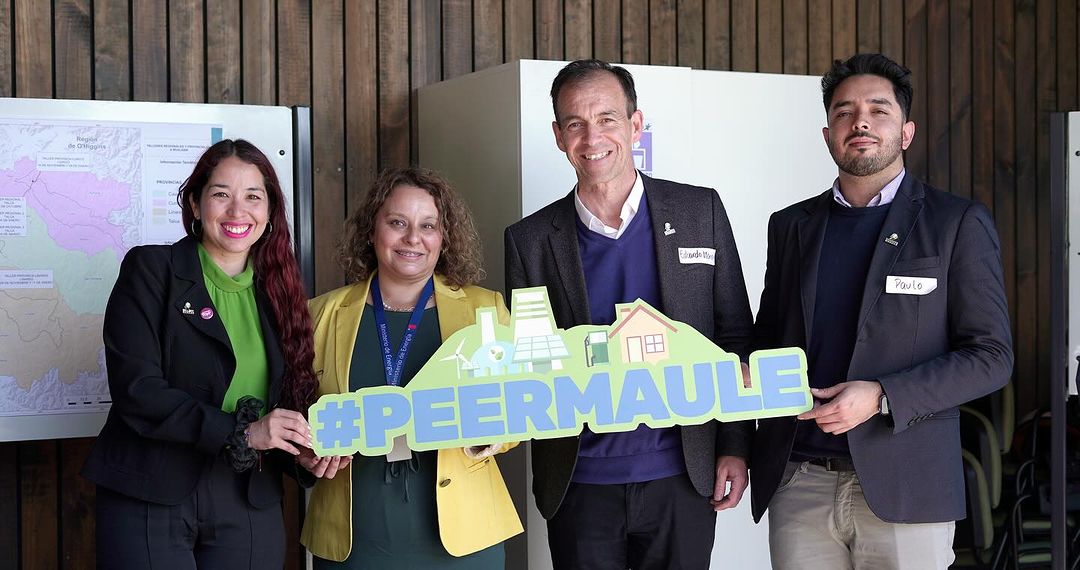
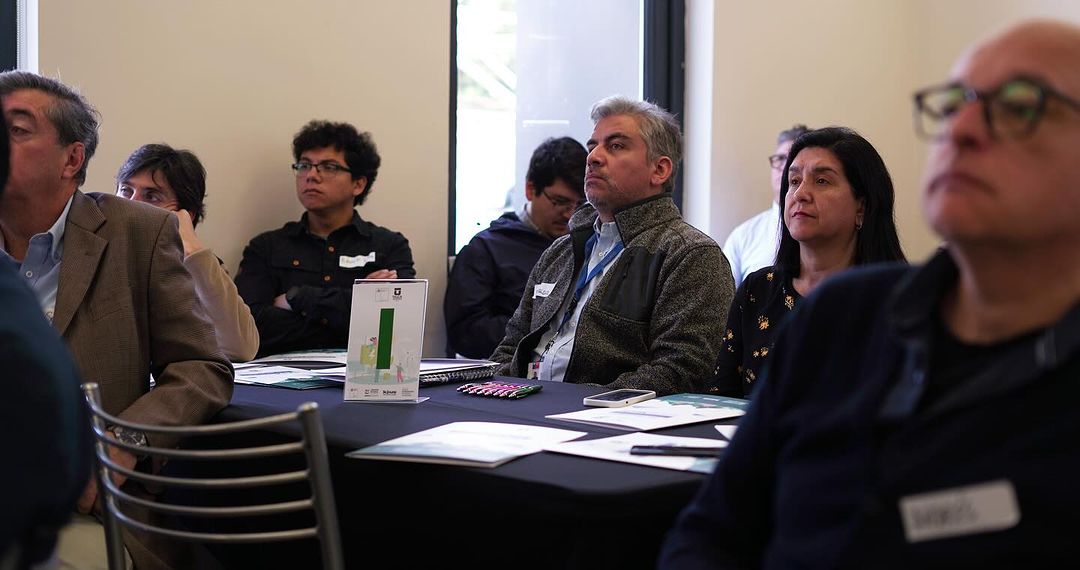
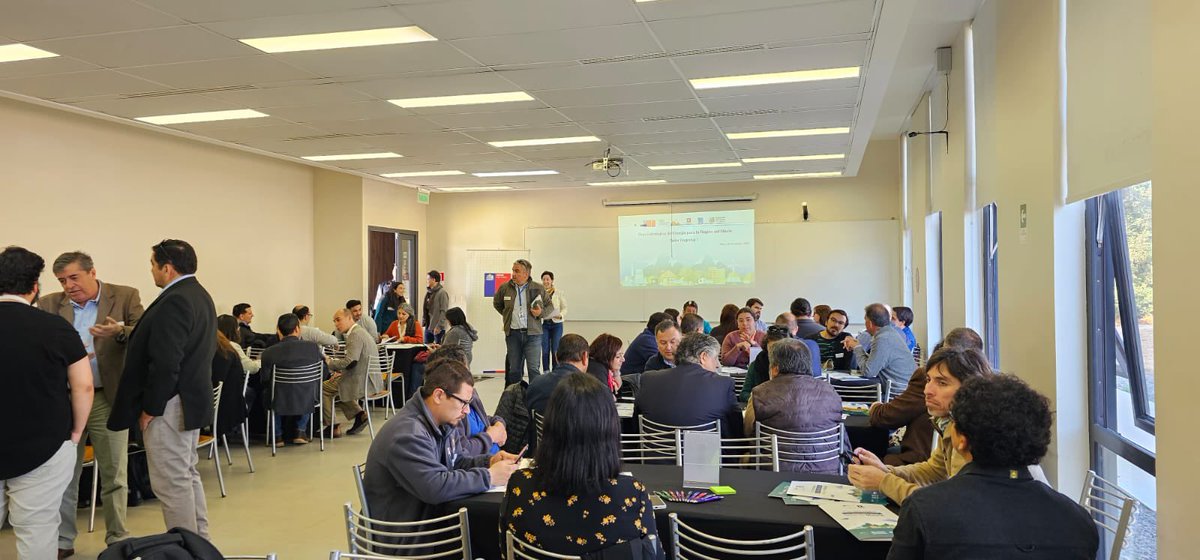
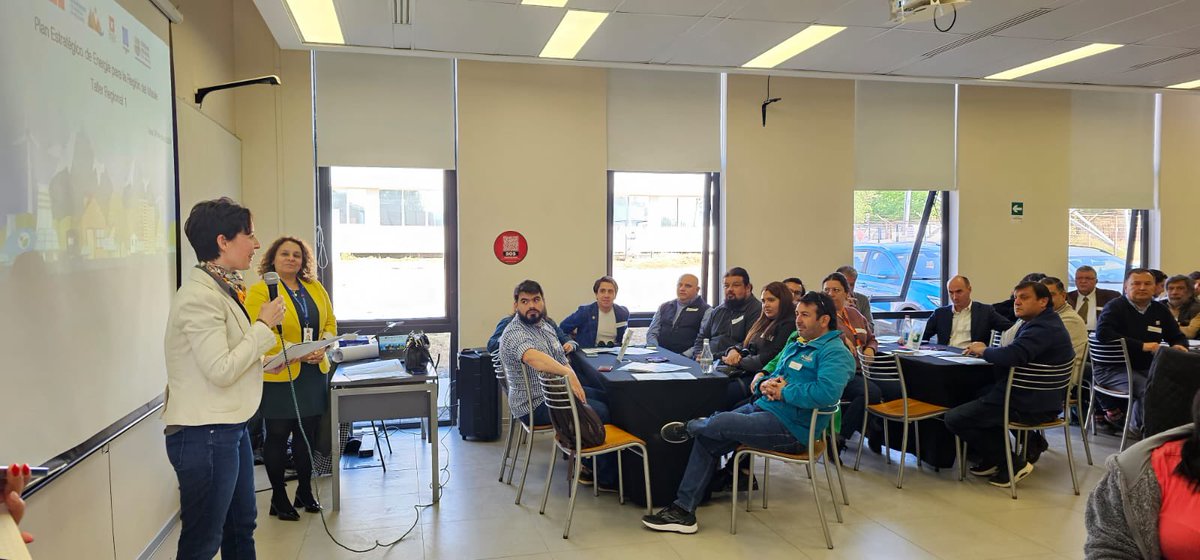
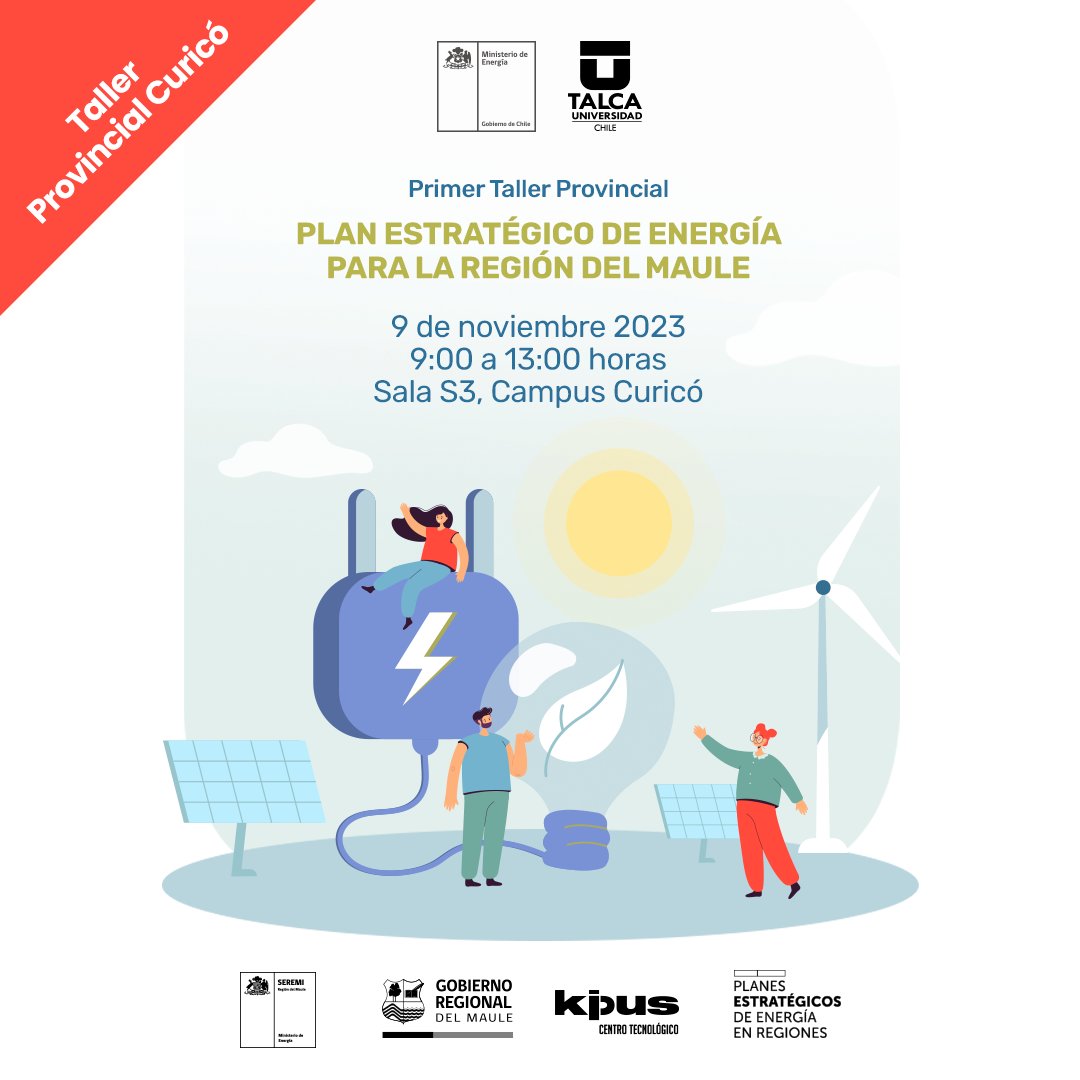
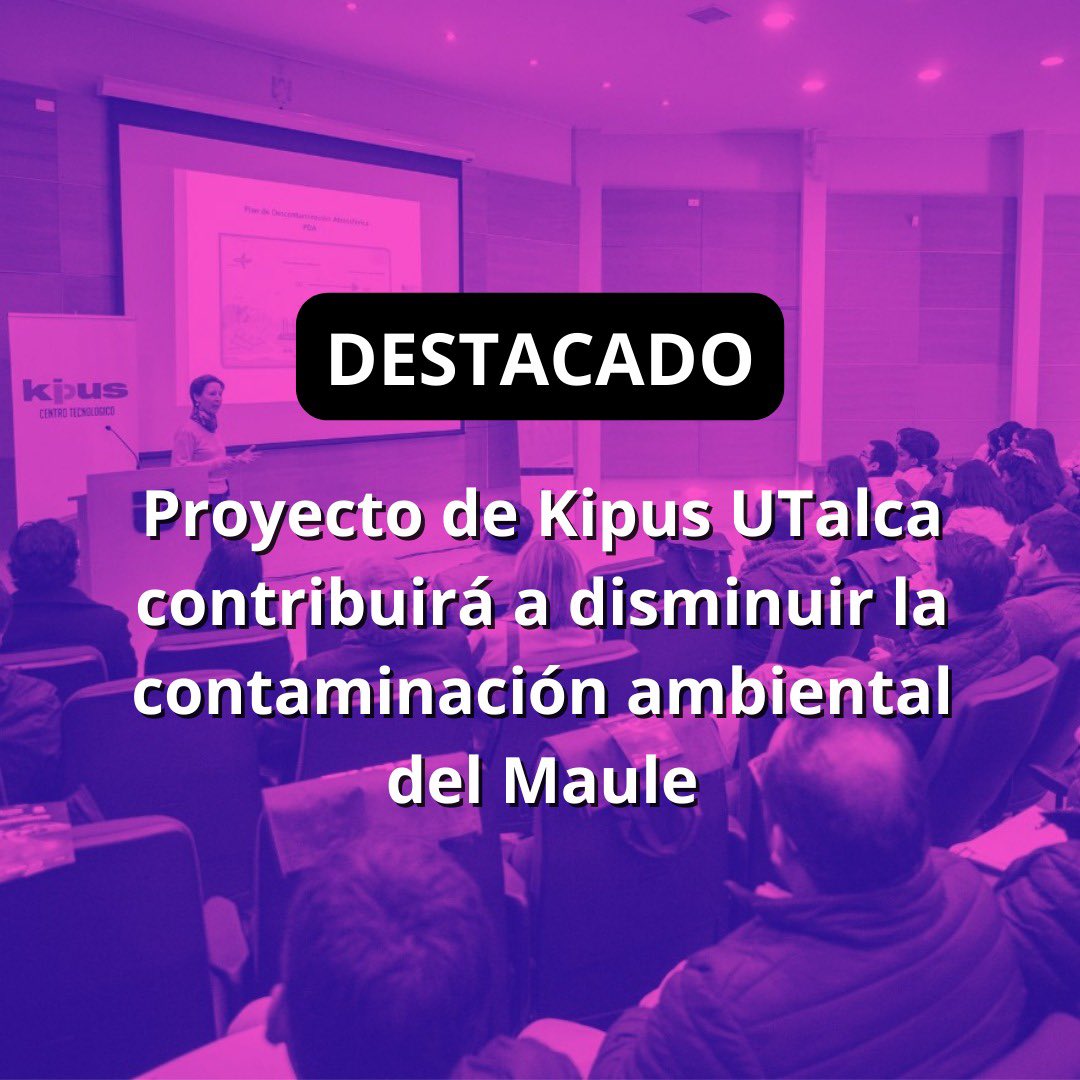
Esta mañana se realizó el 1er Taller en la provincia de Curicó para la elaboración del “Plan Estratégico de Energía para la Región del Maule”(PEER), iniciativa que es dirigida por la académica de nuestra Facultad, @maluisadelcampo , también directora de @kipus_utalca ⚡️⚡️
¡Atención Curicó! 💡Juntos podremos desarrollar una visión estratégica de la Energía para la Región del Maule. 🔋♻️
Participa en nuestro PRIMER TALLER PROVINCIAL, donde trabajaremos de forma conjunta el desarrollo de una visión energética y estratégica para el Maule.
¡Estamos felices! 😊 Esto es parte de lo que fue el primer Taller Regional en el marco del Plan Estratégico de Energía para nuestra región del Maule, donde recogimos todas las visiones de quienes participaron. #PEERMaule@UTalca
Common Probability Distributions That Occur In Nature And Why Mathematics Is The Language Of The Universe
Fundamentally the patterns of the universe repeat themselves making machine learning and AI possible.
Basically, when training ML models, including NNs we are attempting to model the patterns in the data. A good model can predict unseen data points that are part of the original data distribution.
Here are the common probability distributions and where they occur naturally
Symmetry and normal distributions - Nature loves balance. You see it in butterfly wings, faces, and even in physical laws. Natural phenomena that exhibit symmetry often fit well with a normal distribution.
The Central Limit Theorem tells us that the sum of many independent, identically distributed variables approaches a normal distribution. These distributions are characterized by a mean and a standard deviation and everything from human heights, IQ scores, and even the velocities of molecules in a gas follow a normal distribution
Log-normal distribution - If the logarithm of the variable follows a normal distribution, then the variable itself has a log-normal distribution. The distribution of financial assets, or the sizes of particles generated by grinding, blood pressure, and metabolic rates in various organisms often follow a log-normal distribution.
The Log-Normal Distribution often arises from multiplicative growth processes, where you're repeatedly multiplying by some random factor.
Uniform Distribution. This is self-explanatory. All outcomes are equally likely. In the continuous case, the probability density function is flat between the minimum and maximum values. Rolling a fair die, or picking a card from a well-shuffled deck follows uniform distributions
Poisson Distribution It describes the probability of a given number of events occurring in a fixed interval of time or space. The events must occur with a known constant mean rate and independently of each other. It is the go-to for predicting rare events.
Poisson distribution models the number of times a radioactive atom decays in a given time period, or the number of cars passing through a certain point in a given time frame.
If a particular intersection sees an average of 10 cars passing through it per minute, the Poisson Distribution can estimate the probability of 15 cars passing through in the next minute. Similarly in sports like hockey or soccer where goals are rare, you can use distribution to model the number of goals scored by each team.
Bernoulli Distribution, the binary star of the probability universe! Scientifically speaking, it's a discrete probability distribution that models a single experiment with exactly two outcomes, often termed "success" and "failure," and is characterized by a single parameter p, the probability of success.
The flip of a coin, genetic inheritance (you either have a trait or you don't), and the polarization of a single photon (either vertical or horizontal) model this distribution.
Binomial Distribution It describes the number of successes in a fixed number of independent Bernoulli trials, each with the same probability of success.
For example, The number of heads when flipping a coin multiple times, or the number of defective items in a batch of manufactured goods can be modeled with this distribution.
Exponential Distribution models the time you have to wait for the next event in scenarios where events happen independently and at a constant average rate. It's often used to describe phenomena like the time between bus arrivals or the intervals between radioactive decay events.
In essence, it's the go-to distribution for understanding "waiting times" in various natural and man-made systems.
This is a summary of the most common distributions. There are a bunch of other distributions that are related or variations on the above distributions and the image below captures some of them.
These naturally occurring distributions speak to why mathematics is the language of the universe and how you can use it to model and predict its behavior
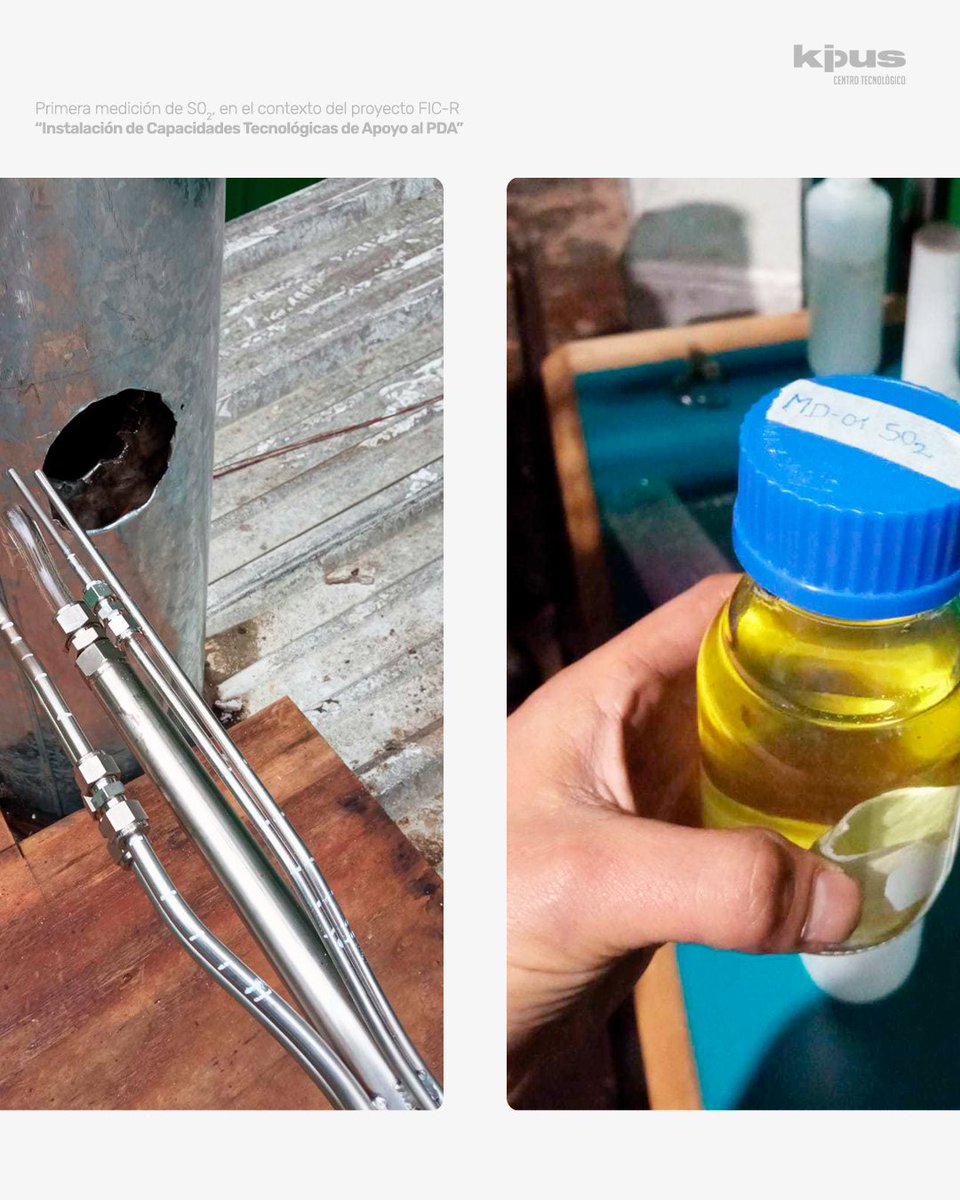
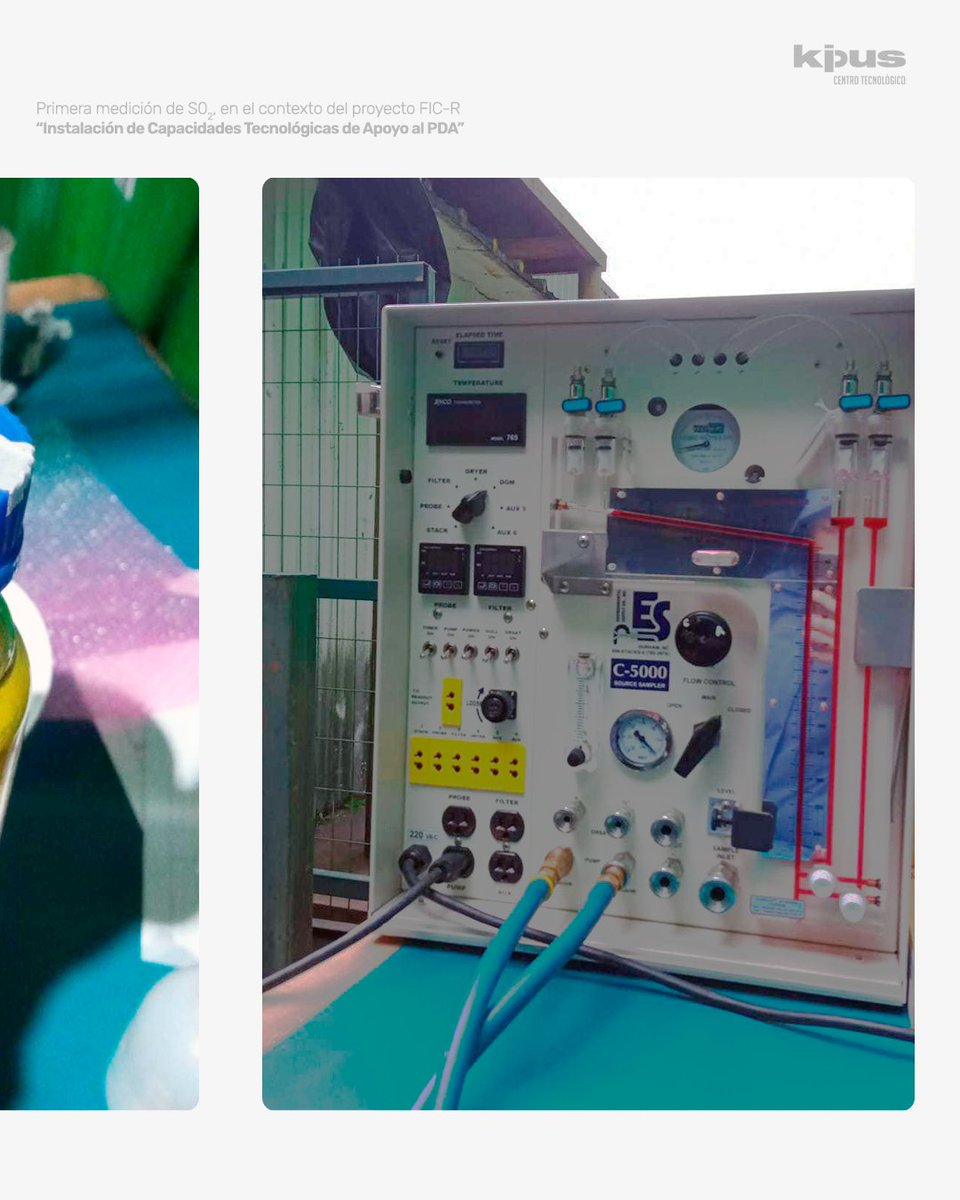
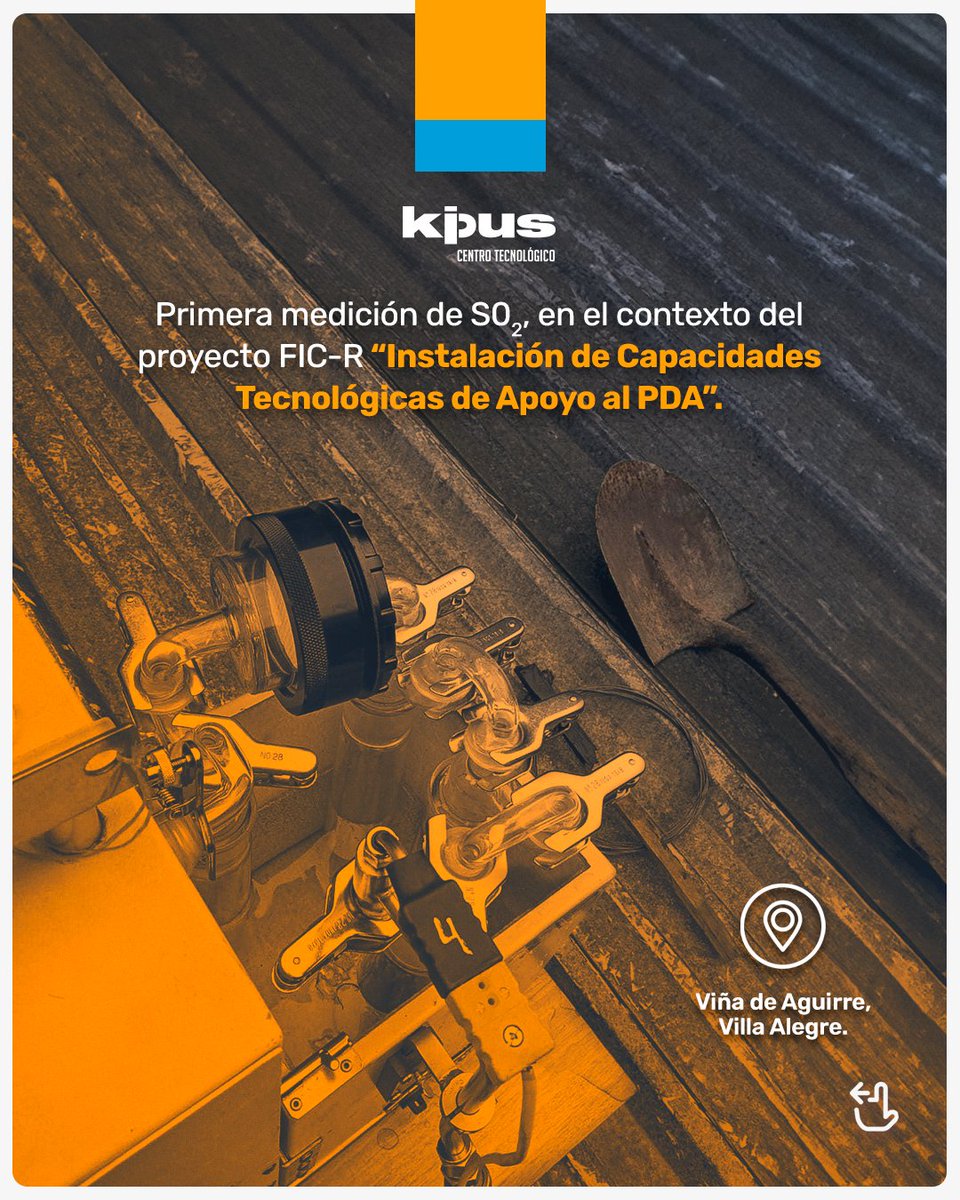
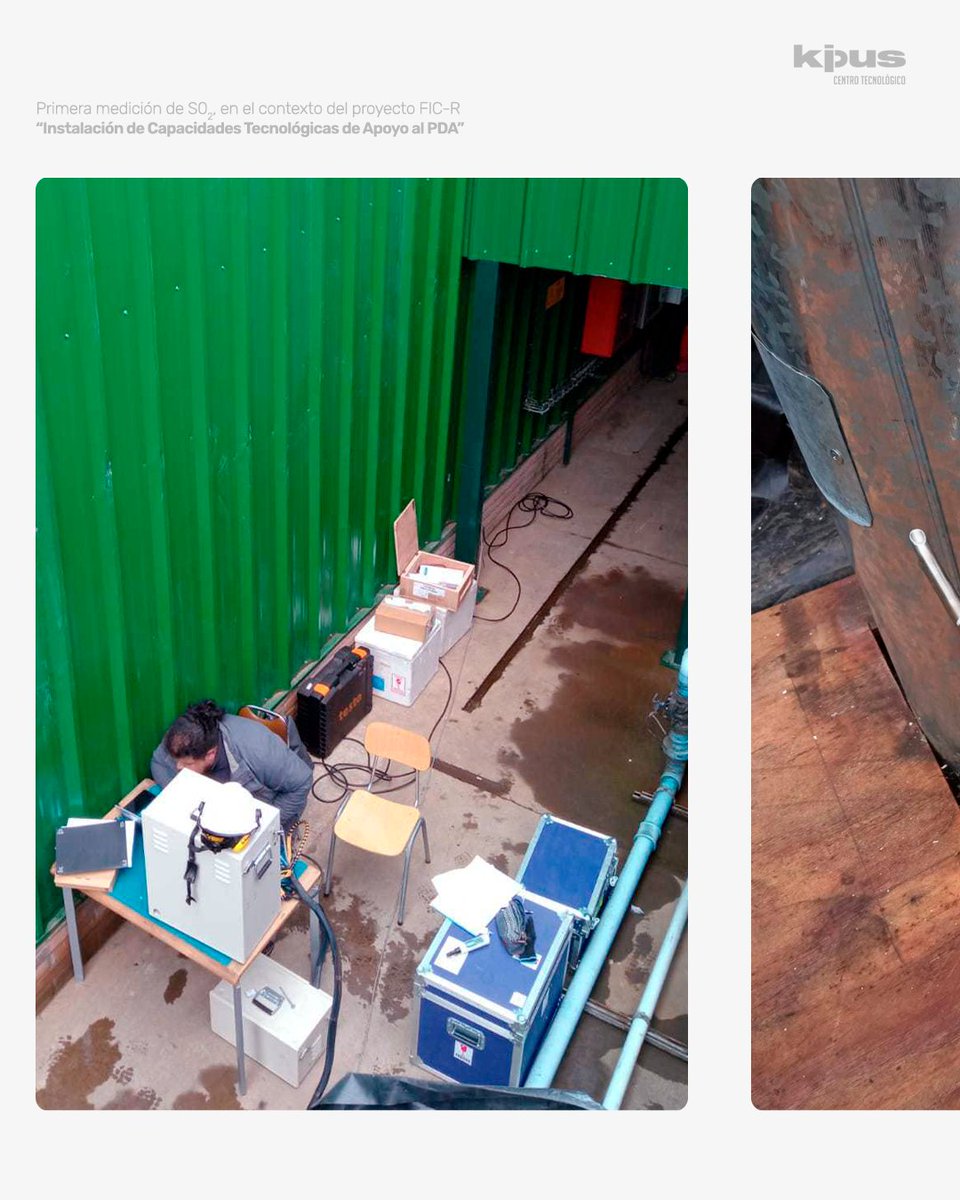
El pasado miércoles 26 de julio, se desarrolló, en el contexto del proyecto FIC-R “Instalación de Capacidades Tecnológicas de Apoyo al PDA” la primera medición de SO₂ en las dependencias de Viña de Aguirre, Villa Alegre 📍.
¡Disfruta el invierno sin gastar de más! Con estos consejos de #EficienciaEnergética que preparó @ANESCOCHILE y mantendrás tu hogar y tu Pyme cálidos de forma inteligente.
¿Formas parte de una PyME y quieres reducir costos, aumentar la competitividad y mitigar las emisiones de gases de efecto invernadero? ¡Esta propuesta es para ti! 💼📈🌿
🧵👇 ABRIMOS HILO:
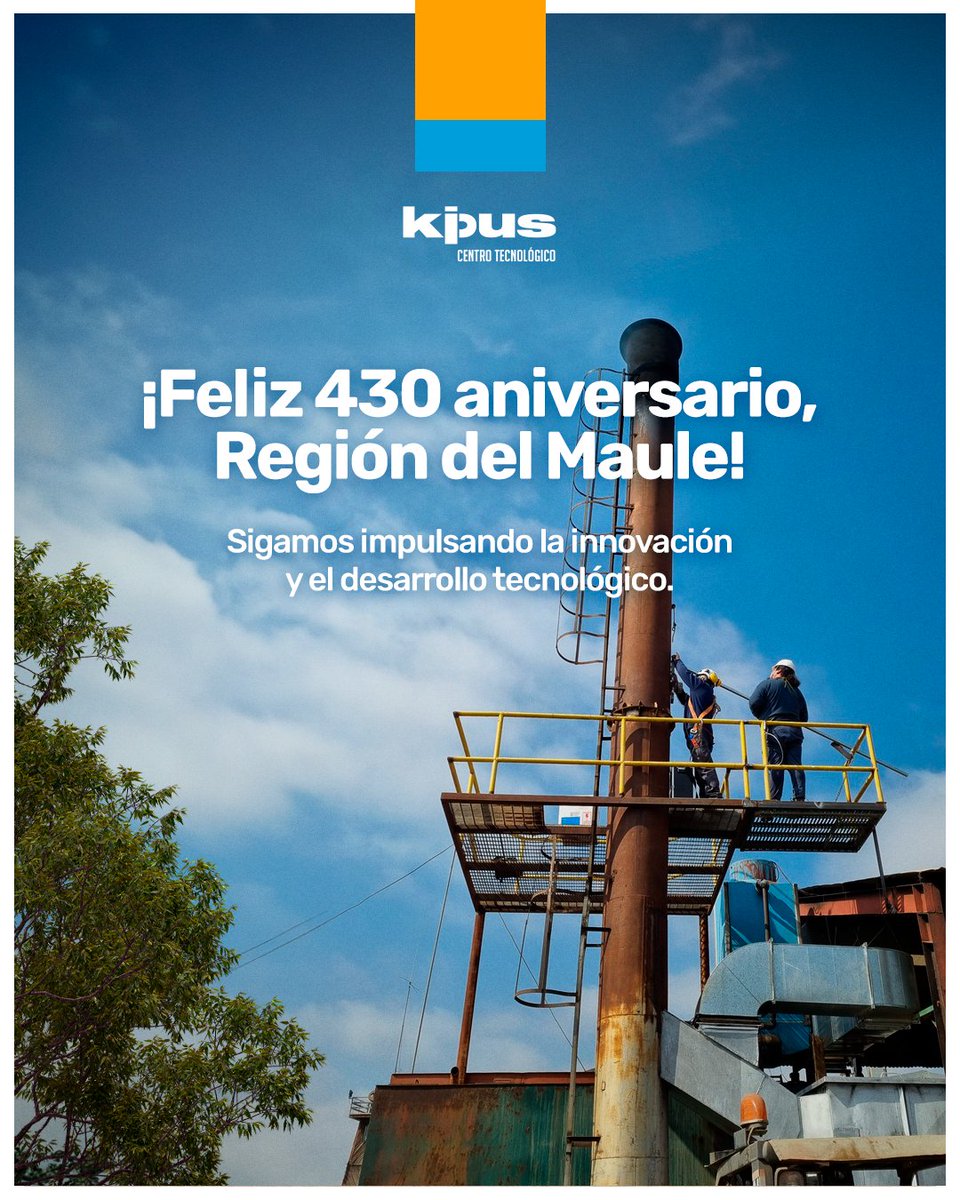
En esta ocasión especial, extendemos nuestros mejores deseos a la Región del Maule por sus 430 años de historia e innovación. 🎉 ¡Un aplauso por su enfoque en el futuro! 👏🌟
En esta ocasión especial, extendemos nuestros mejores deseos a la Región del Maule por sus 430 años de historia e innovación. 🎉 ¡Un aplauso por su enfoque en el futuro! 👏🌟
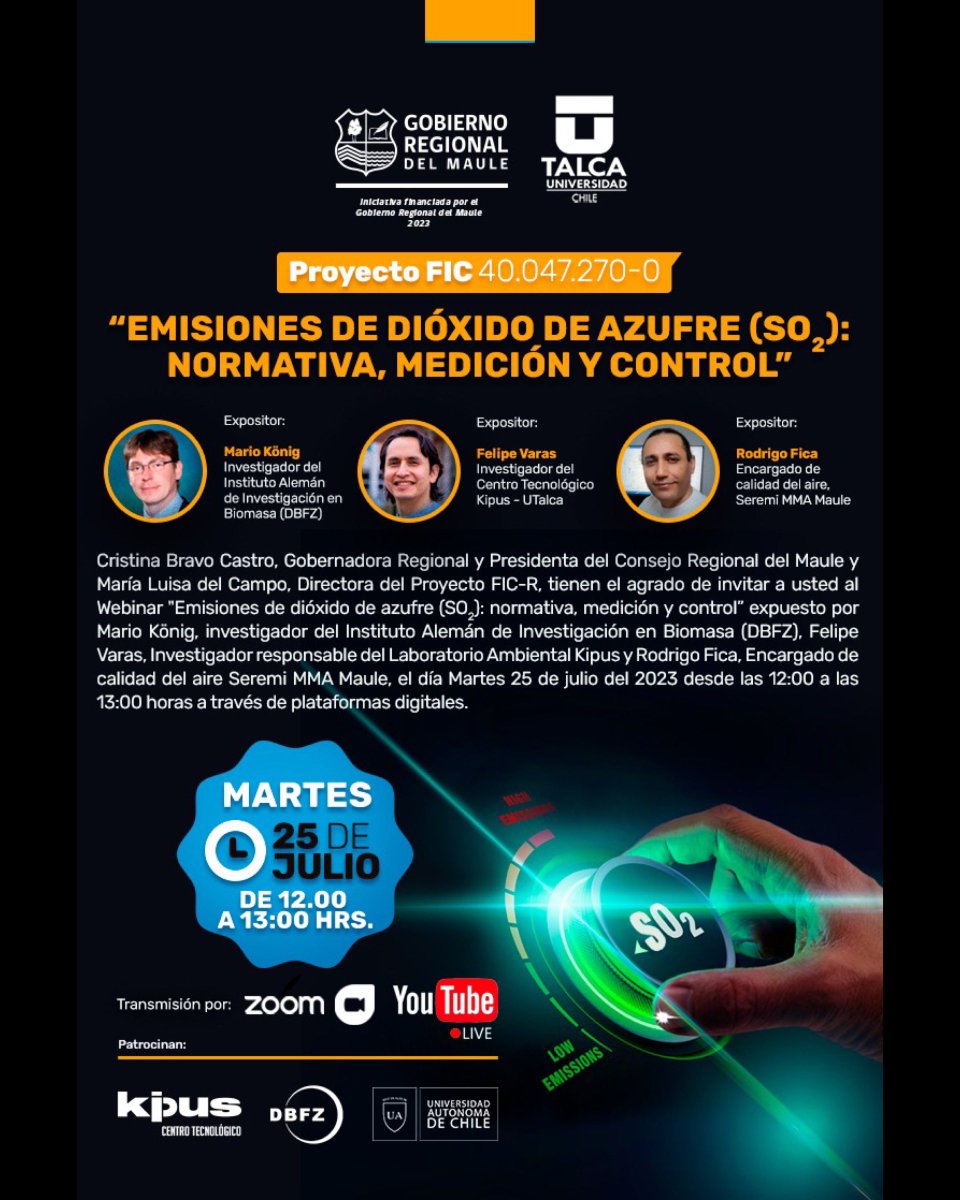
¡MAÑANA! 😉 Te recordamos nuestro webinar: "Emisiones de dióxido de azufre (SO2): Normativa, Medición y Control".
👉 La cita es este martes 25 de julio a las 12:00 hrs a través de ZOOM.
🟠 ADEMÁS, SE ENTREGARÁ CERTIFICADO DE PARTICIPACIÓN.
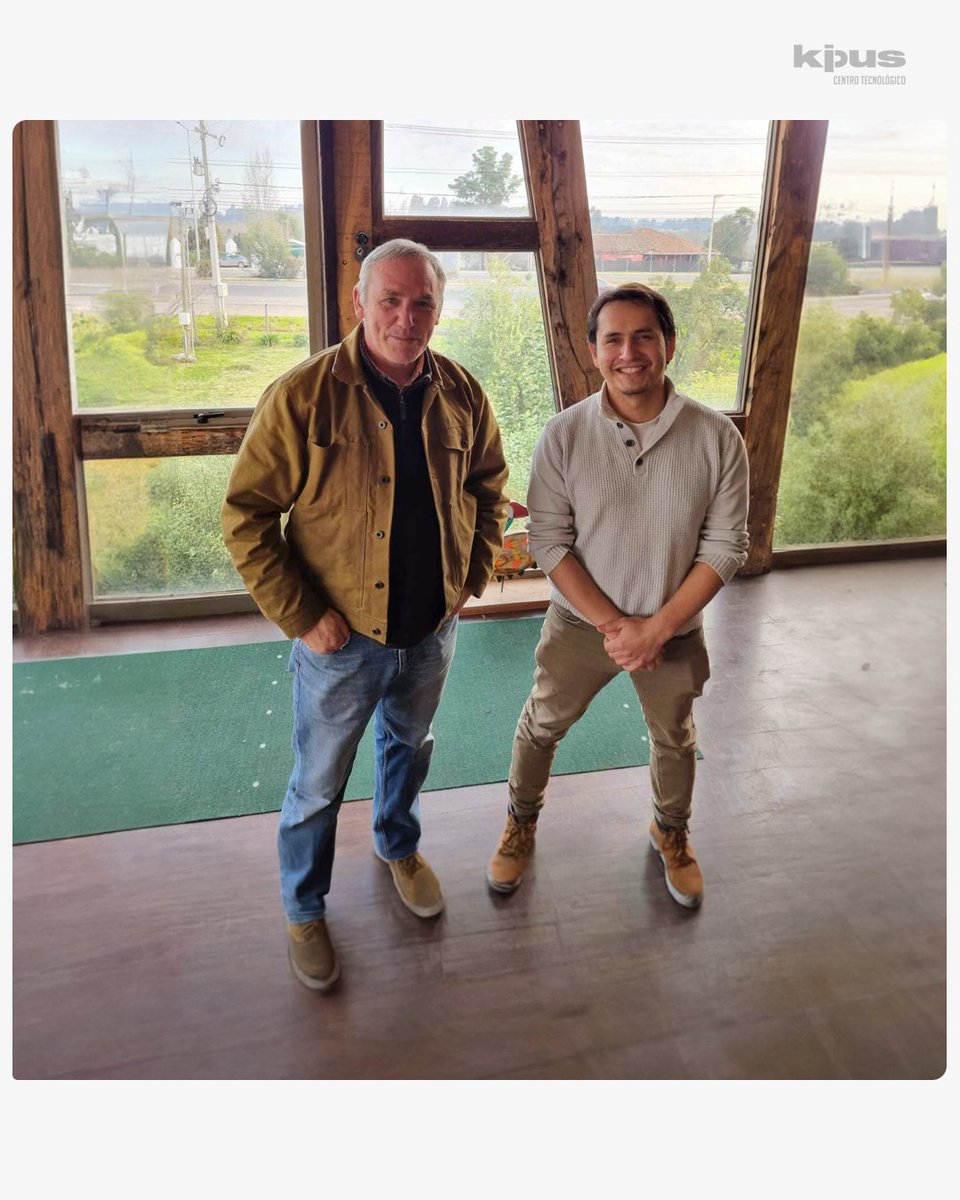
Felipe Varas, académico responsable del Laboratorio Ambiental Kipus, visitó las instalaciones de la empresa 3 Volcanes, para conversar sobre requerimientos de la industria del pellet y futura colaboración.
#Visitas#Kipus#Empresas#Maule#3volcanes
Invitamos a toda la comunidad universitaria al webinar “Emisiones de Dióxido de Azufre (SO2): Normativa, Medición y Control”.
La cita es este martes 25 de julio a las 12:00 hrs a través de ZOOM.
🟠 SE ENTREGARÁ CERTIFICADO DE PARTICIPACIÓN.
¿Quieres aprender sobre educación ambiental al aire libre? 🌬️🌱
📣 La Academia Ambiental Adriana Hoffmann cuenta con 200 nuevos cupos disponibles para este curso e-Learning y gratuito.
☝🏽Inscríbete HOY desde las 11:00 horas en https://t.co/BLLFGzGQEE
🔹 Rector de la Universidad de Talca Carlos Torres Fuchslocher presentó balance de su primer año de gestión.
Más detalles en la siguiente nota de Campus TV⤵️