Let's talk about Colombia.
Colombia leave the tournament as one of the most entertaining teams to watch, but also one of the most effective. Overall, they have shown themselves to be one of the most complete teams in the competition.
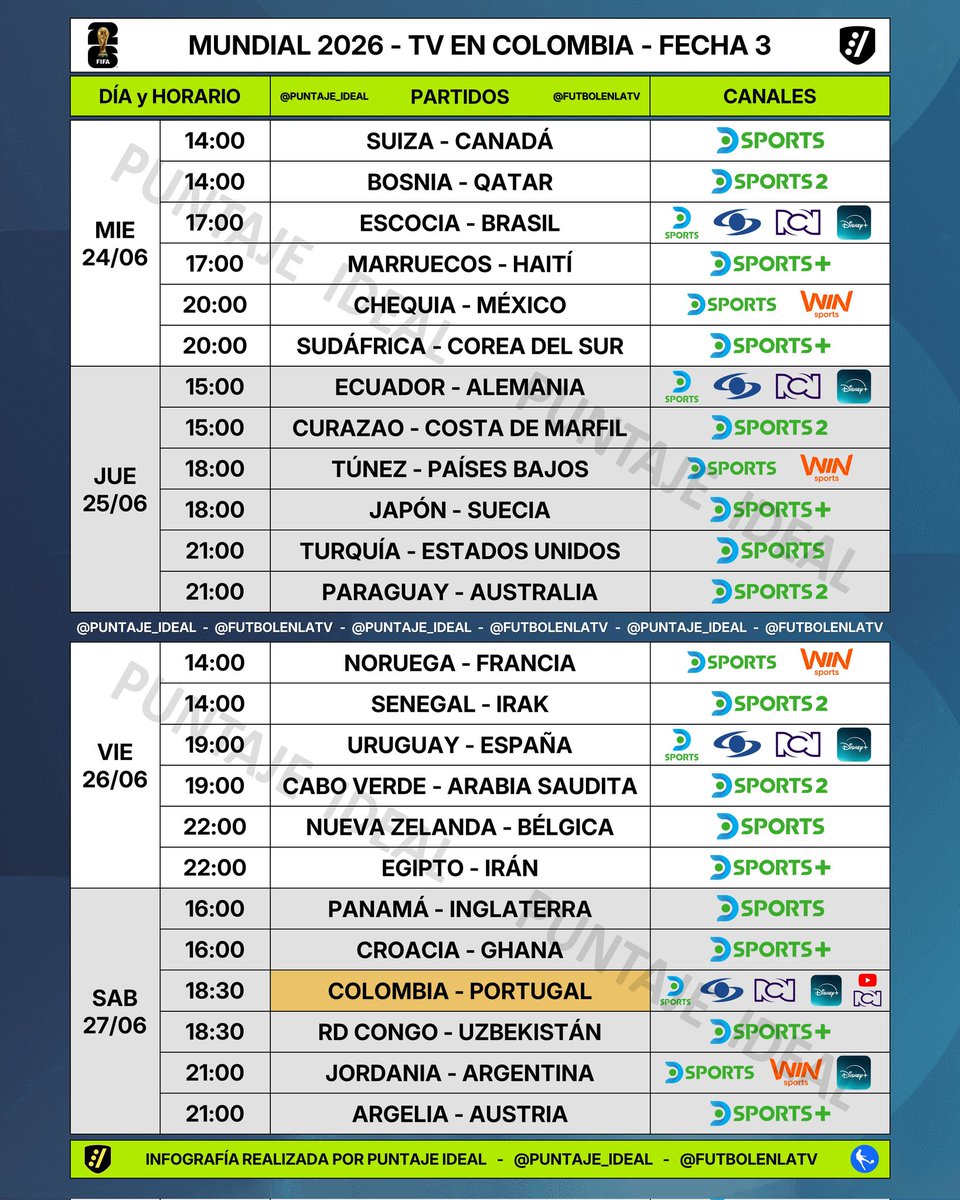
Néstor Lorenzo's side conceded just one goal in five matches, recorded comfortable victories over Uzbekistan, DR Congo, and Ghana, and produced one of the tournament's standout performances by dominating Portugal.
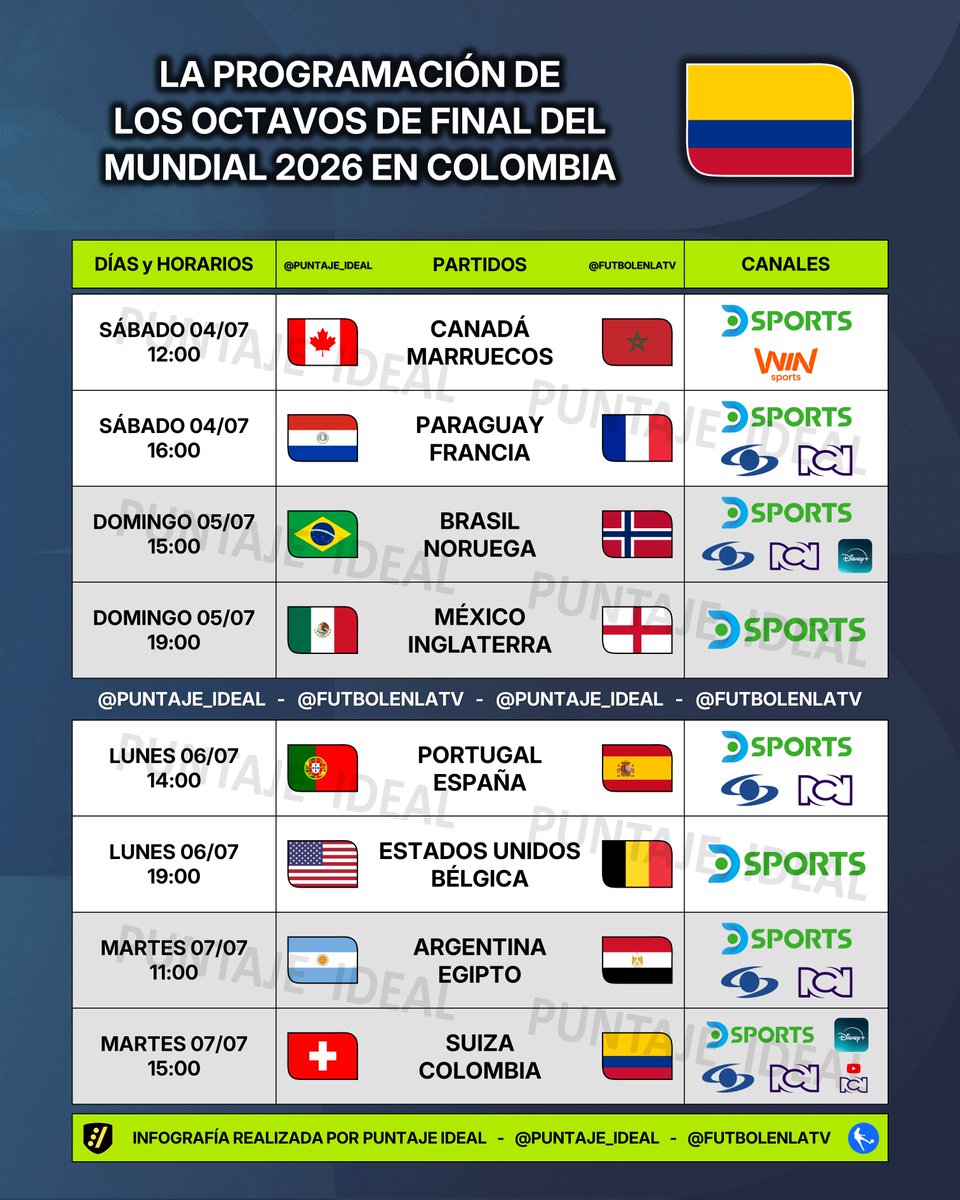
Against Switzerland, they competed in a balanced knockout game that could easily have gone either way before eventually losing on penalties.
Although Colombia possess excellent transitional qualities, they have also been one of the most possession-oriented teams at this World Cup, ranking only behind sides such as Spain and Germany in ball possession while also finishing among the top five teams for chances created.
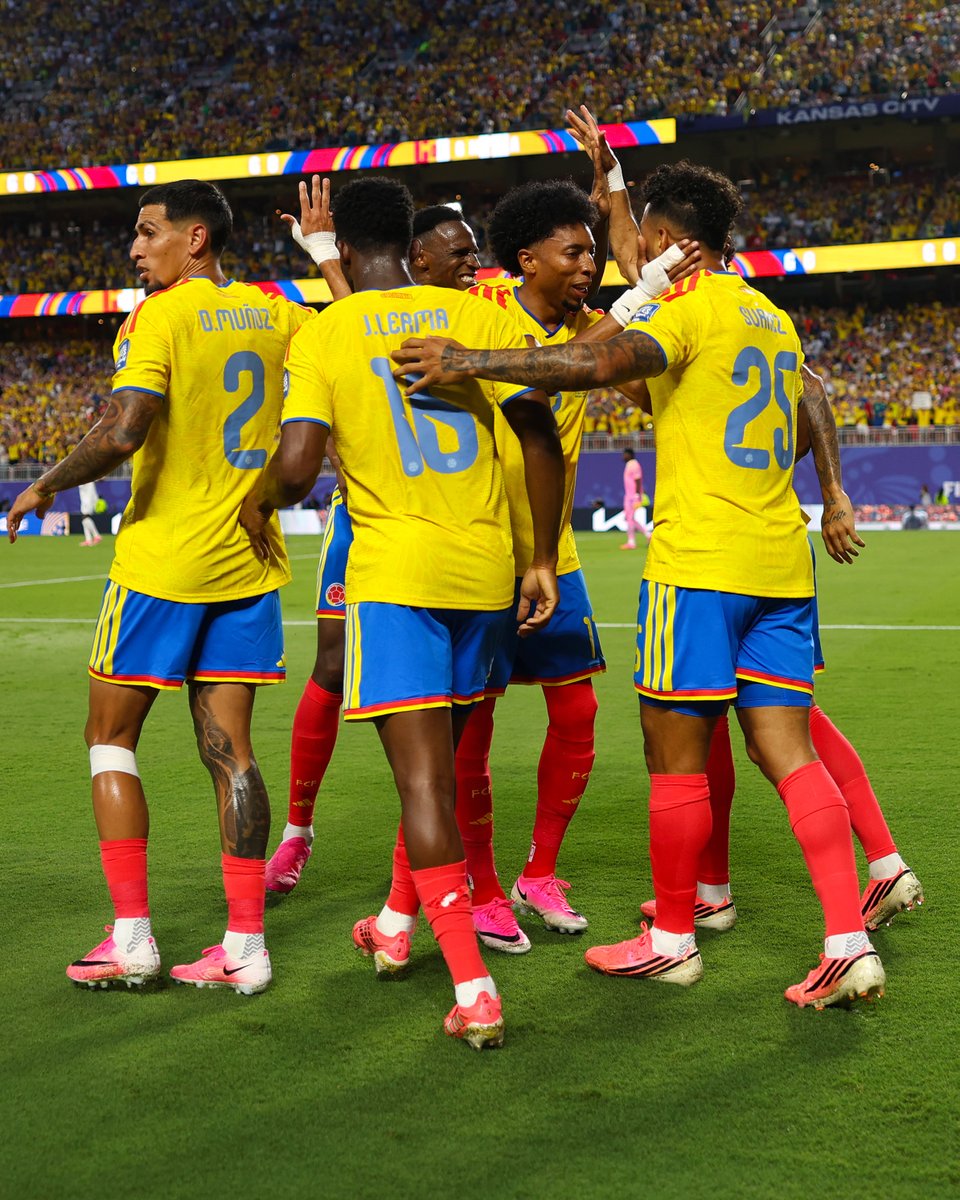
Their usual structure has been a 4-3-3, built around two physically dominant yet mobile centre-backs in Jhon Lucumí and Davinson Sánchez, athletic full-backs Daniel Muñoz and Johan Mojica, Lerma as the #6 holding midfielder, energetic #8s such as Gustavo Puerta, Richard Ríos, and John Arias. James Rodríguez or Juan Fernando Quintero as the #10 attacking midfielder, Luis Díaz on the left wing, and either Luis Suárez or Jhon Córdoba as the #9.
One of Colombia's biggest strengths has been the fluidity of their attacking ideas. James Rodríguez frequently drops into deeper areas to dictate play and organise possession, particularly looking to exploit the left side with his outstanding left foot. Whenever James vacates the attacking midfield space, Gustavo Puerta intelligently adjusts his positioning, pushing higher to occupy the space James has left while maintaining the team's balance.
This constant mobility, with James heavily involved, creates central combinations before releasing the full-backs into advanced positions. Rather than staying permanently high, Daniel Muñoz and Johan Mojica often arrive late from deeper positions, making them extremely difficult to track. Daniel Muñoz, in particular, has been one of Colombia's greatest attacking weapons throughout the tournament, repeatedly creating danger through these delayed runs and even scoring from them.
Like every elite attacking side, Colombia constantly threaten the space behind the opposition. Muñoz, Mojica, Luis Díaz, Luis Suárez, and Puerta all make aggressive runs beyond the defensive line, stretching opponents vertically and creating larger spaces to combine inside. Those runs are fundamental to the effectiveness of Colombia's attacks.
Another interesting aspect of Colombia's build-up is that, rather than forcing players to remain between the lines, James Rodríguez and Gustavo Puerta are both encouraged to drop deeper to help progress possession from the back. Their players enjoy the freedom to move towards the ball whenever necessary instead of occupying fixed positions.
Although Colombia rarely involve their centre-forward extensively in their passing sequences, he provides an important reference point whenever they need to play more directly. Something very characteristic of Colombia is that they do not play with a natural wide winger. Besides certain game contexts in which Luis Díaz moves closer to the touchline, they generally attack with a narrow front two or front three.
Perhaps Colombia's greatest quality has been their versatility. While they have consistently dominated matches through possession, they have looked equally comfortable playing a more transitional game whenever the situation required it.
The second half against DR Congo perfectly illustrated this flexibility. After controlling possession during the first half, Colombia protected their lead by attacking more directly after regaining the ball, yet remained just as dangerous. With elite transition players such as Luis Díaz, dynamic runners like Luis Suárez and Gustavo Puerta, and outstanding passers in James Rodríguez and Juan Fernando Quintero capable of releasing teammates with through balls, Colombia always carried a significant threat whenever space opened up.
Without the ball, Colombia generally defended in a 4-4-2 shape. James Rodríguez stayed alongside the centre-forward, while one of the midfielders, usually Gustavo Puerta or John Arias, shifted wide to complete the midfield line.
Their defensive structure was largely zonal, but the exceptional athleticism and work rate of players such as Puerta, Richard Ríos, Lerma, and Arias, combined with centre-backs comfortable defending far from their own goal and very fast full-backs, often allowed Colombia to become more aggressive and man-oriented when pressing higher up the pitch. They also defended long balls particularly well thanks to the physical dominance of Lucumí and Davinson Sánchez.
Colombia were not necessarily one of the tournament's most aggressive pressing teams, but their athletic profile allowed them to defend extremely effectively. The ability of their midfielders to cover ground significantly reduced the defensive issues their pressing structure could create. Switzerland were able to play through Colombia's defensive block at times, but once they did, one of Colombia's midfielders would usually appear to solve the problem.
One aspect that occasionally caused problems was the spacing of their deeper defensive block. When defending inside their own half, James Rodríguez and the centre-forward could become disconnected from the rest of the team, leaving excessive space in front of the midfield line. This sometimes allowed opponents to establish longer periods of possession and pin Colombia back. However, being forced deeper was rarely a major issue because Colombia remained a constant threat on the counterattack.
One of the most impressive aspects of Colombia throughout the tournament was their ability to avoid becoming vulnerable in defensive transition despite committing large numbers of players forward. At times, Colombia attacked with structures resembling a 3-1-6 or 2-2-6, with constant mobility in midfield and James Rodríguez dropping deeper to orchestrate attacks. On paper, those structures could have left them exposed after losing possession. In reality, that rarely happened. The reason lies in the extraordinary recovery speed and work rate of players such as Daniel Muñoz, Johan Mojica, and Gustavo Puerta. All three are exceptional at sprinting back into defensive positions immediately after possession is lost. Muñoz and Mojica possess the engine to repeat high-intensity efforts, while Puerta consistently tracks back and recovers central spaces with remarkable intensity.
As a result, Colombia could appear exposed for a brief moment before suddenly recovering numbers behind the ball within only a few seconds. Their athleticism allows them to rotate positions constantly without sacrificing defensive stability.
Although Colombia fell short of the quarter-finals, once again suffering the heartbreak of a penalty shootout, just as they did against England in 2018, they leave this World Cup having established themselves as one of its strongest collective teams.
Few teams managed to balance entertainment and effectiveness as consistently as Colombia throughout the tournament.
@MelisaMarArtuz@ESPNColombia Cambiar a la dirigencia del fútbol , la FCF esta mandada a recoger , se requiere dirigentes con visión de fútbol diferente , que haga procesos y aquel que no esté en nivel no va y punto , nada de súper estrellas!
Colmaron el Azteca, el estadio de Guadalajara, el de Miami y ahora el estadio de Kansas.
Locales todo el Mundial. Miren ese estadio amarillo. Colombianos 🇨🇴🫶